
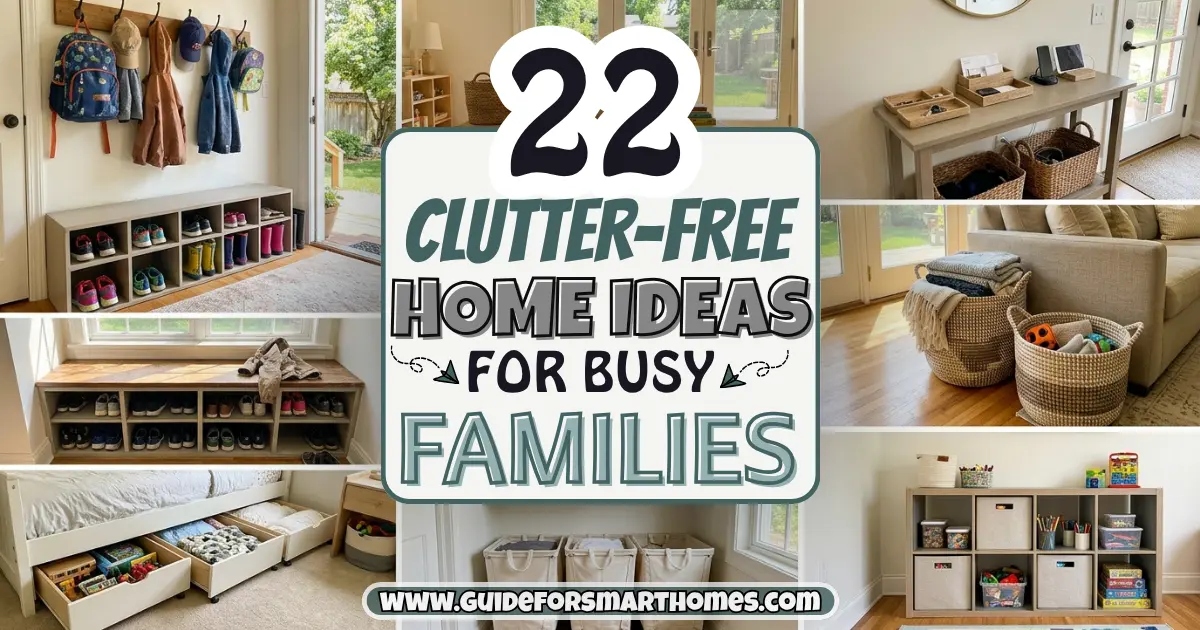
My friend Carla has three kids, two jobs, and a front hallway that I once described, lovingly, as “a shoe avalanche.” Every few months she’d do a huge weekend purge, the house would look amazing for about nine days, and then the backpacks, mail, lunchboxes, and mystery paper would creep back in.
“I’m just not an organized person,” she told me. She was wrong. She had plenty of motivation. What she didn’t have was a system that worked for people with no time and a lot of small humans.
That’s the whole idea behind these clutter-free home ideas for busy families: a tidy house isn’t about willpower or a perfect weekend, it’s about making the right thing the easy thing.
If putting a coat away takes four steps, it ends up on a chair. If it takes one hook at kid height, it goes on the hook. If you’re in a smaller place and feeling the squeeze, my guide to apartment living for beginners covers the basics of living well in less space, and the same thinking applies here.
Below are 22 ideas, sorted from “start here” systems to room-by-room fixes. Most cost very little, and I’ve added rough prices where they matter. There’s a daily and weekly routine table, a table of storage options with costs, a guide to what kids can realistically manage at different ages, and FAQs. Prices are rough and vary by store, and every family and child is different, so treat the age guide as a loose starting point.
1. Start Small: Pick One Zone, Not the Whole House
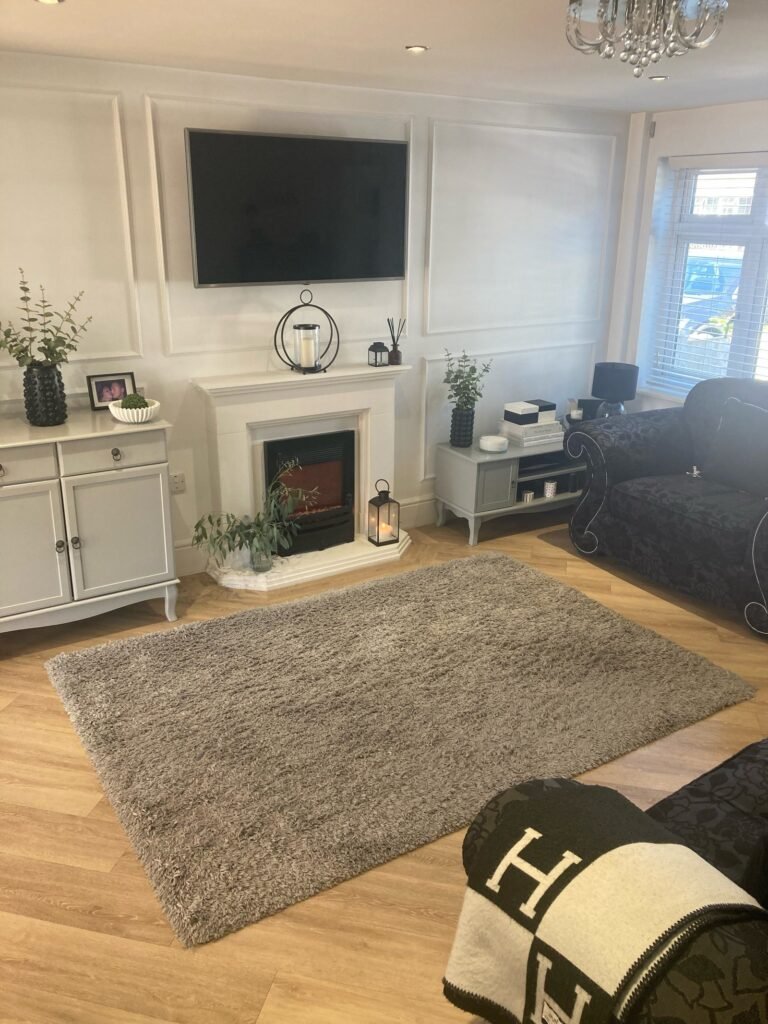
The fastest way to burn out is to declare war on the entire house at once. Pick one zone, like the entryway or the kitchen counter, and fix that first. A small win builds momentum, and you’ll learn what works for your family before you invest in the rest.
For a wider framework on sorting every room, my home organization ideas post is a good companion, and if your layout is open or tight, my studio apartment layout ideas shows how to think about giving each activity its own spot.
Pro tip: Choose the zone that irritates you most every single day. Fixing the daily annoyance gives you the biggest payoff for the least effort.
2. Build a One-Hook-Per-Person Entryway
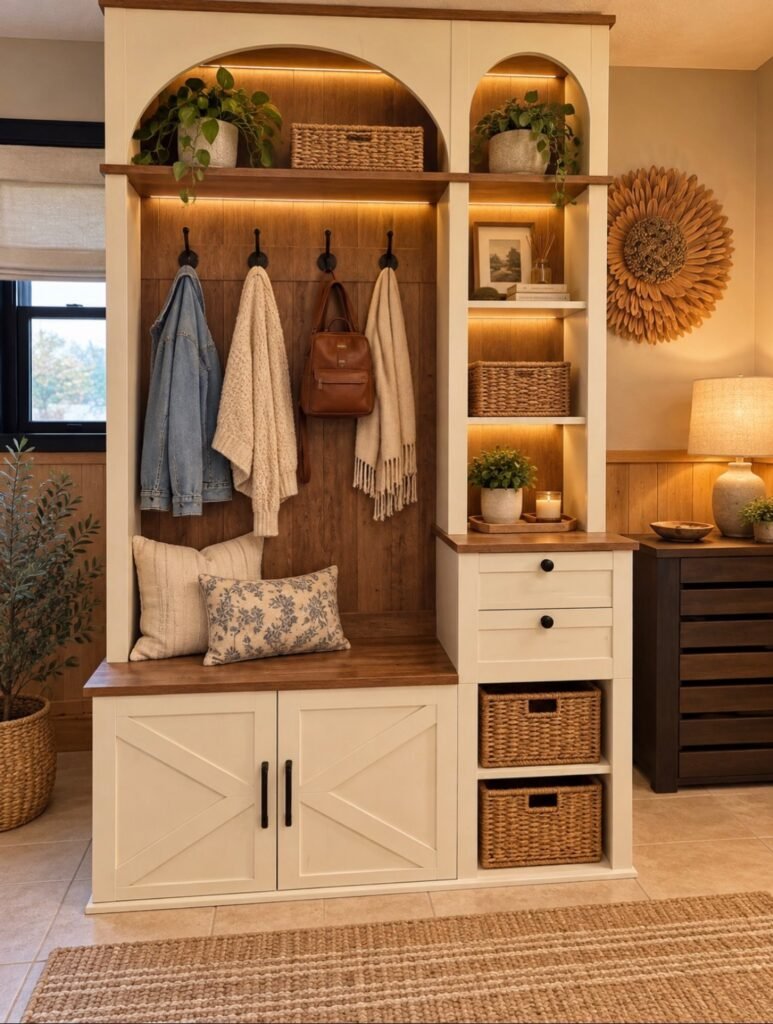
The entryway is where family clutter starts, because everything comes through it: shoes, jackets, bags, keys, mail. Give each person one hook at their own height and one bin or cubby for shoes. If a kid can reach it without help, they’ll use it.
If you rent, you can do this without damaging walls using over-the-door hooks, tension rods, or adhesive hooks rated for the load, which I cover in my guide to apartment renter mistakes.
A basic setup costs about $20-60, and a bench with built-in shoe storage runs $60-200.
3. Create a Backpack and Shoe Station
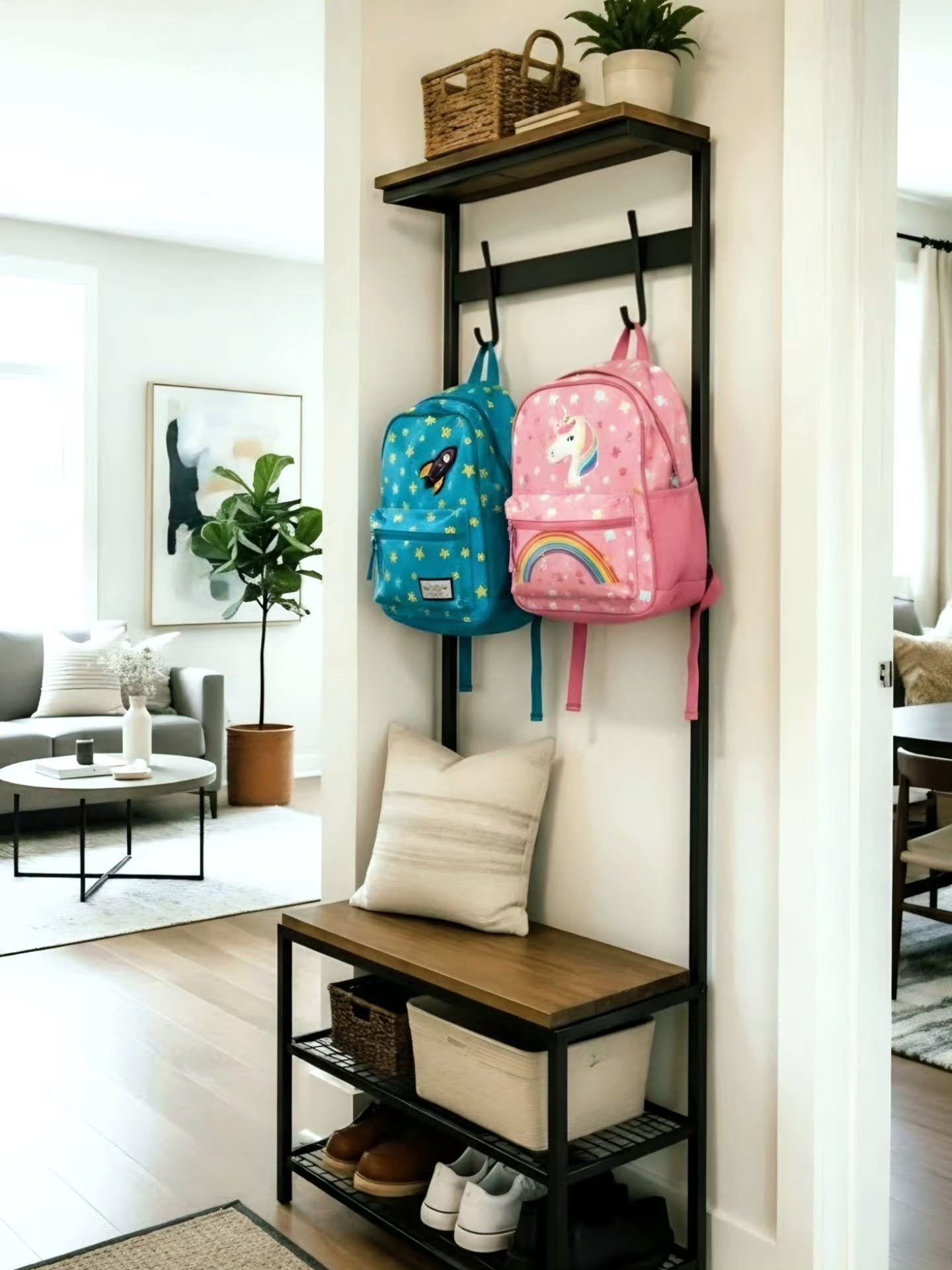
Backpacks are the single biggest source of after-school clutter. Dedicate a spot, whether it’s a row of hooks, a tall basket, or a cubby, where bags go the moment kids walk in the door.
Keep lunchboxes and water bottles in a tray nearby so they get unpacked and washed right away.
Use the wall, not the floor. A row of sturdy hooks mounted high enough to keep straps off the ground, with a shelf above for hats and gloves, uses height the way I describe in my guide to maximizing vertical space in a small apartment.
4. Set Up a Family Command Center and Homework Station
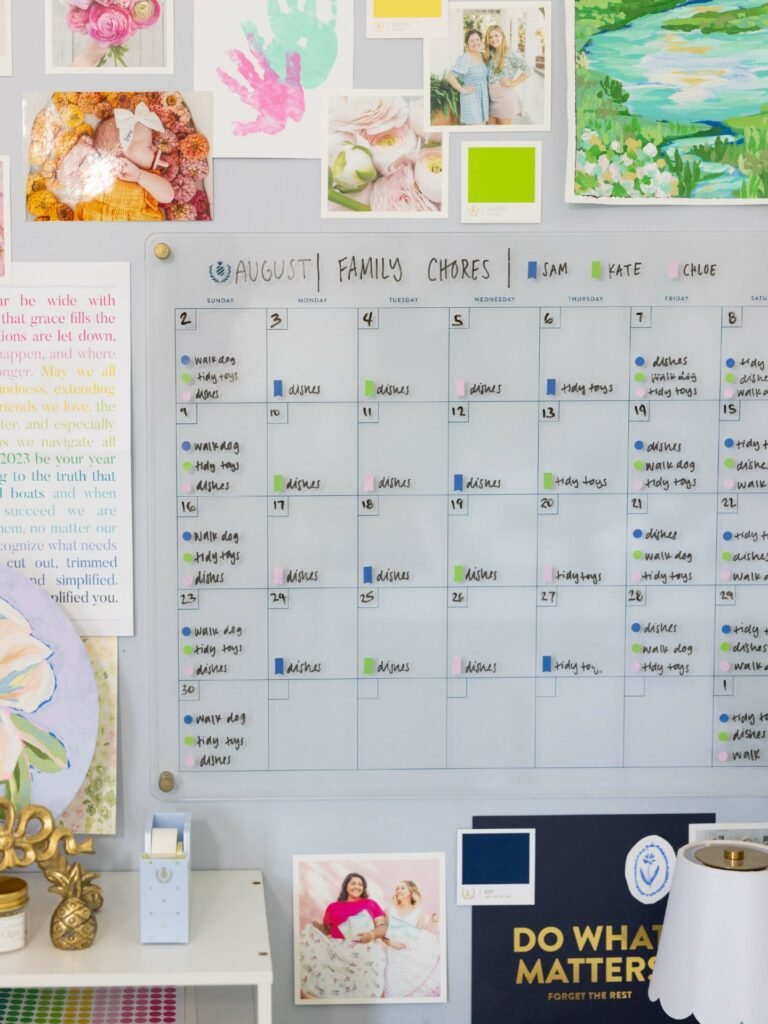
A command center is one spot where the calendar, school notices, permission slips, and keys live.
A wall-mounted calendar, a few clipboards or file slots, and a bin for incoming mail keep paper from spreading across counters. Check it together once a day.
If kids need a place to do homework, a small, defined corner with a lamp and a bin of supplies works better than the kitchen table.
For ideas that fit a tight footprint, my guide to a home office in a small apartment shows how to carve out a work spot without a spare room.
5. Handle Paper the Moment It Arrives
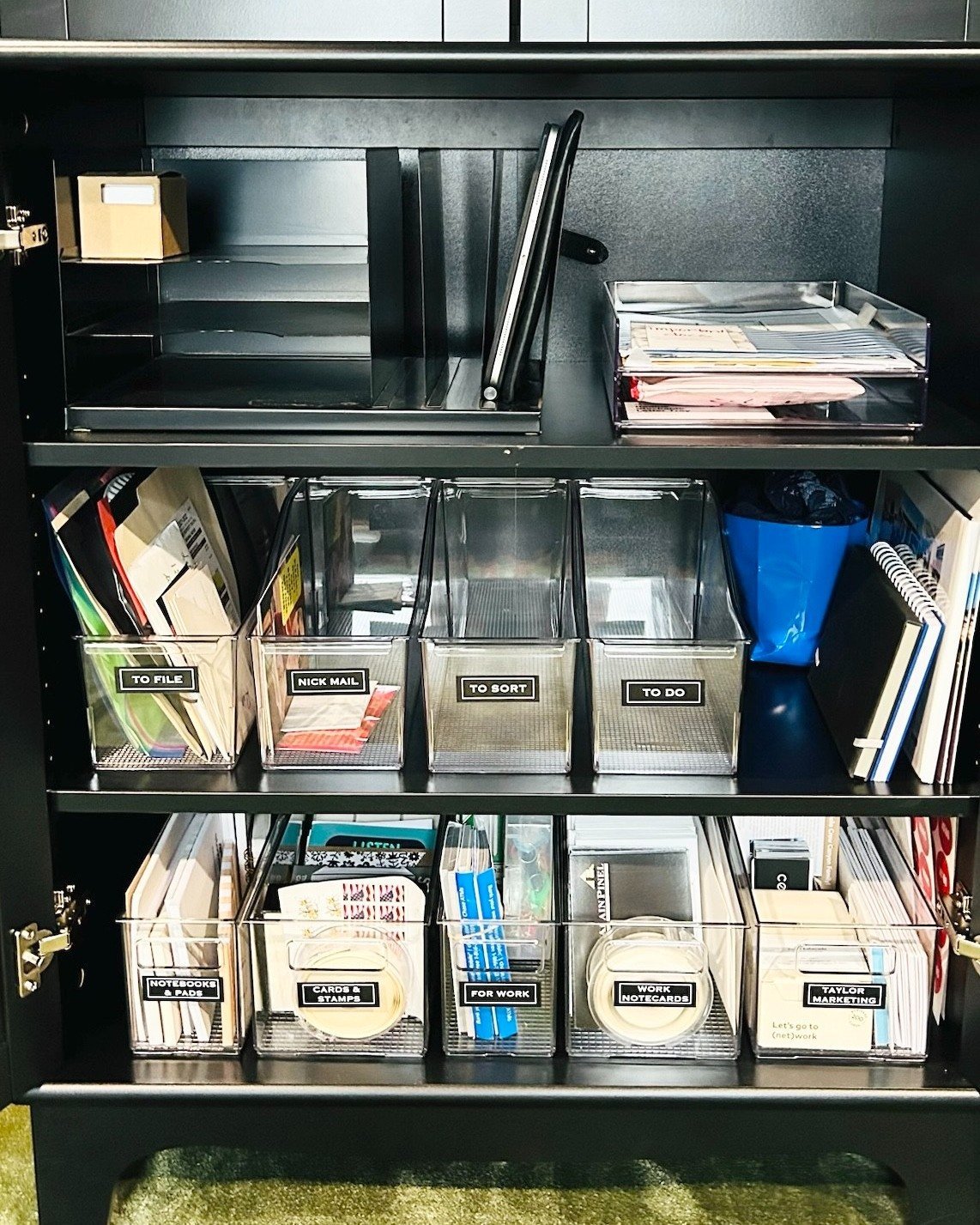
Paper is sneaky clutter. Set up three simple categories: act on it, file it, or recycle it. An “action” folder or tray holds things that need a response, and everything else gets sorted standing at the recycling bin. Open the mail over the bin so junk goes straight out.
Once a month, empty the action folder and file the few things you really need to keep, like medical records and tax documents. A small file box and folders cost about $15-30.
6. Display Kids’ Art, Then Let Most of It Go
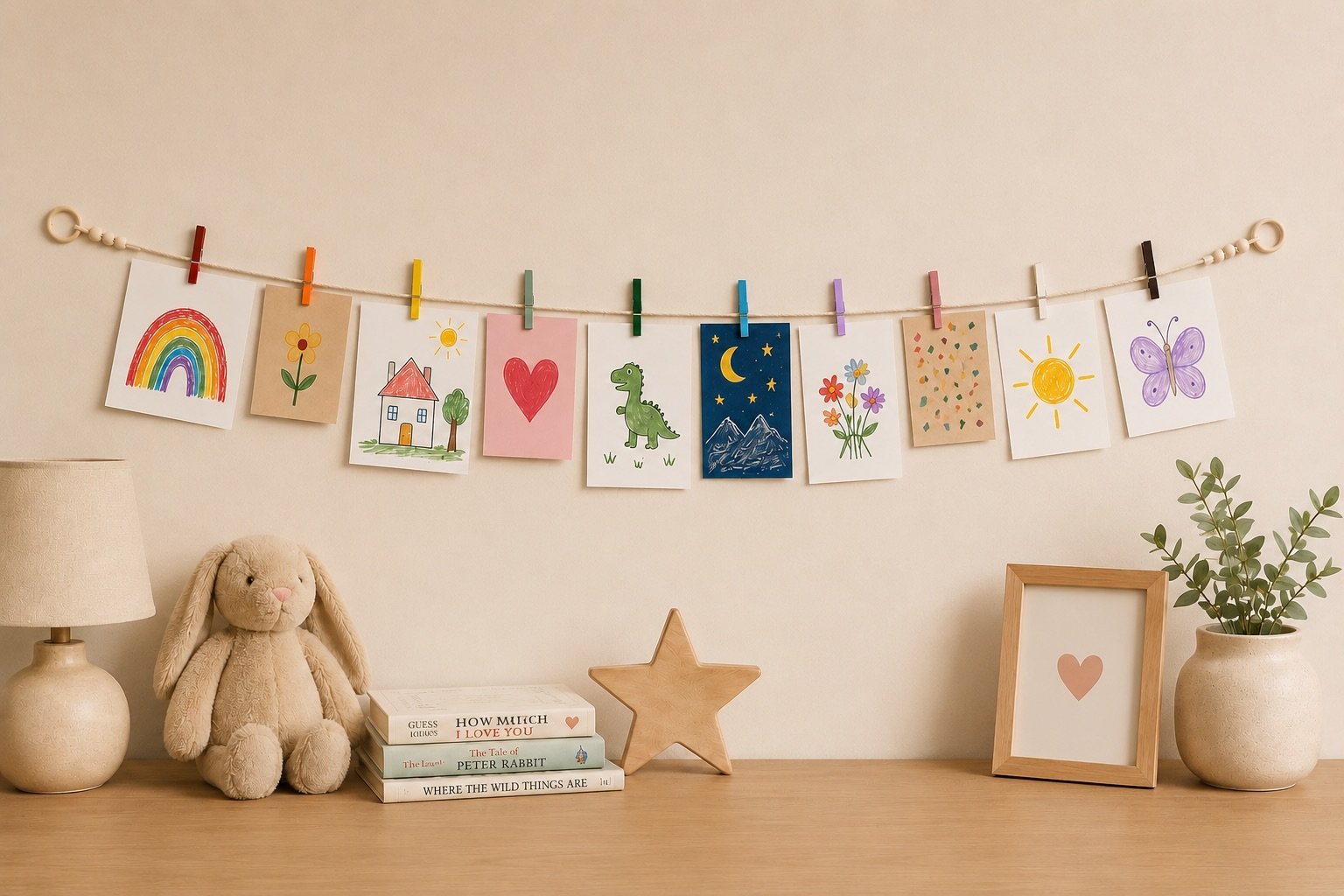
Kids create an astonishing amount of art, and keeping all of it is impossible. Give them a display spot, like a string with clips or a magnetic board, and rotate the pieces.
Take a photo of the ones you’re letting go, and keep one box per child for your absolute favorites.
Framing one or two favorites and hanging them like real art is a nice touch, and it fits right into the styling ideas in my small apartment decorating ideas post. Involve the kids in choosing what stays. It makes them feel proud instead of discarded.
7. Rotate Toys Instead of Storing Them All at Once
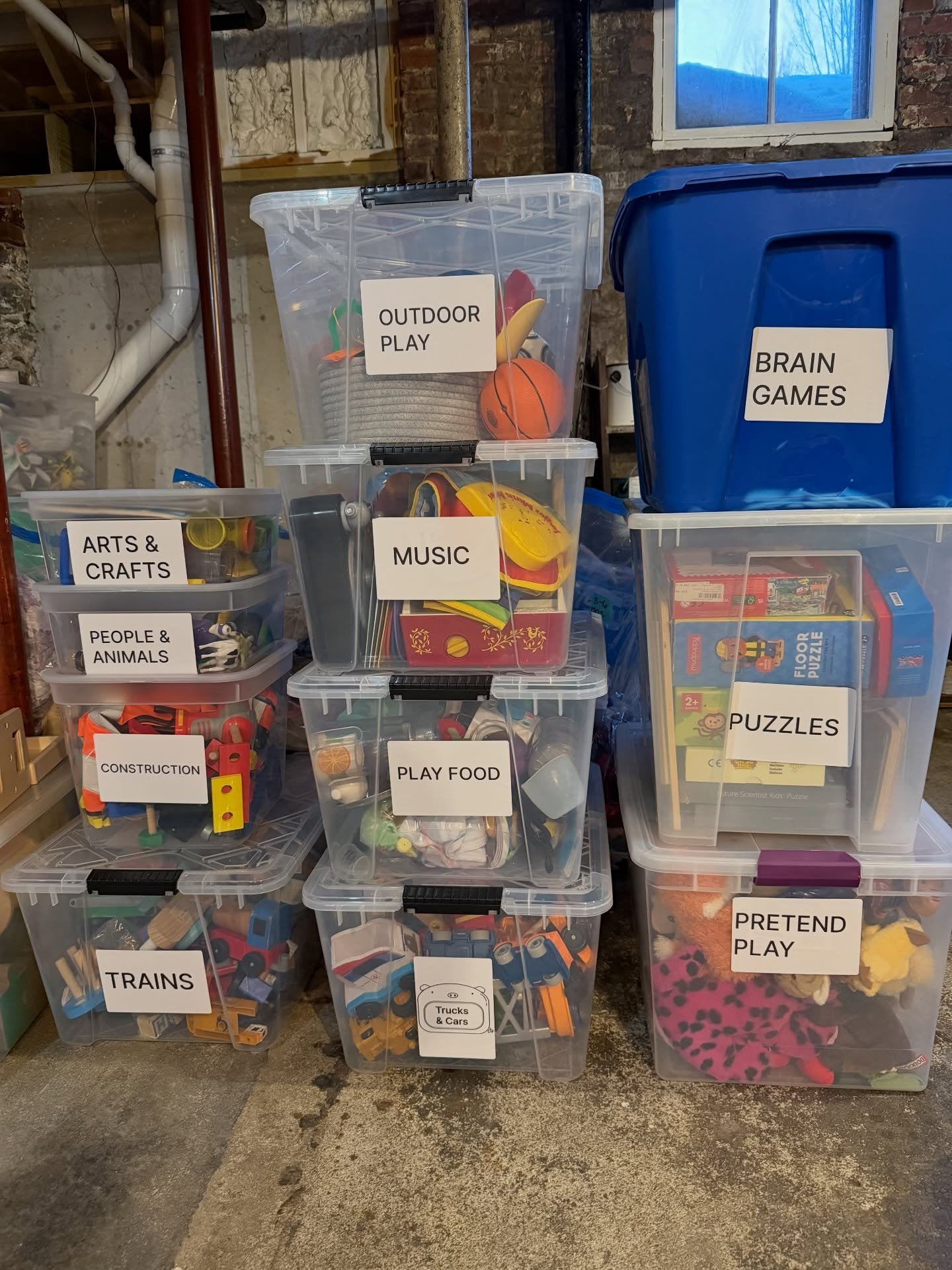
Most kids play with a handful of toys at a time. Keep about a third of the toys out and store the rest in bins out of sight, then swap every few weeks. The “new” toys feel fresh, the room stays tidy, and cleanup takes a fraction of the time.
Give the play area a clear boundary with a rug or a low shelf so toys have a home. This is the same trick I use in open layouts, and my guide on how to zone a studio apartment explains how a rug and a shelf can define a space.
If toys keep invading the living room, my small living room ideas post shows how to arrange a tight room so there’s still a play spot.
8. Use Kid-Height, Open, Labeled Storage
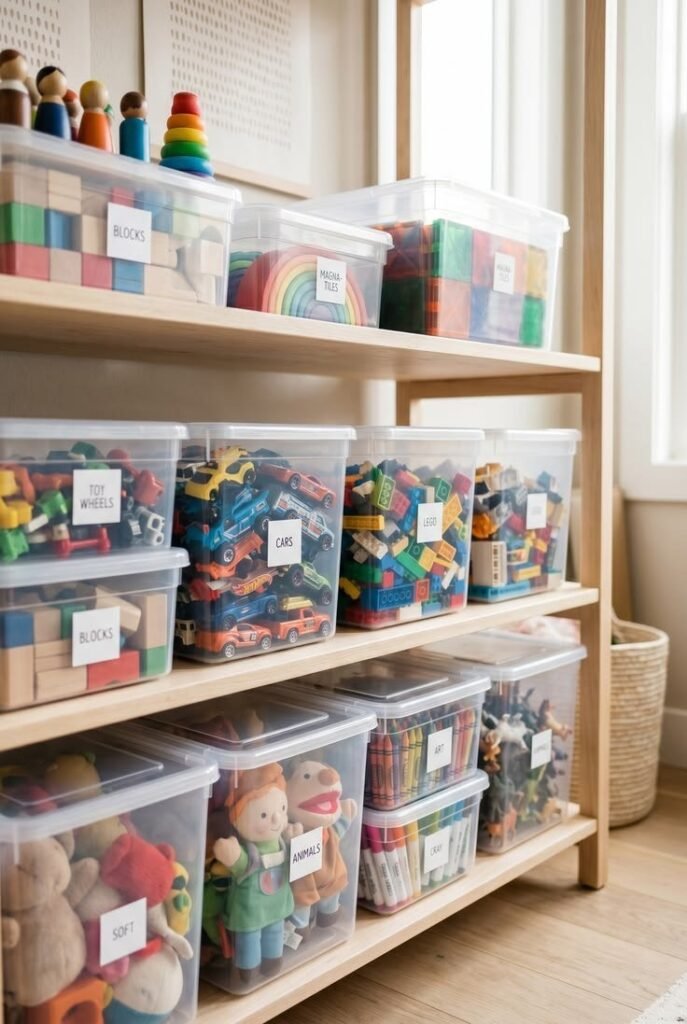
Storage only works if kids can use it. Low open bins, baskets, and shelves they can reach by themselves make cleanup something they can do alone. Use picture labels for young children, and simple word labels for readers.
Cube shelves and storage benches are great for this. My guide to storage furniture for apartments breaks down which pieces hold the most, and my space-saving furniture post covers pieces that fold or stack away.
Matching baskets also help the room look calm, which fits the warm, simple looks in my roundup of small apartment decor trends.
9. Follow the One-In, One-Out Rule
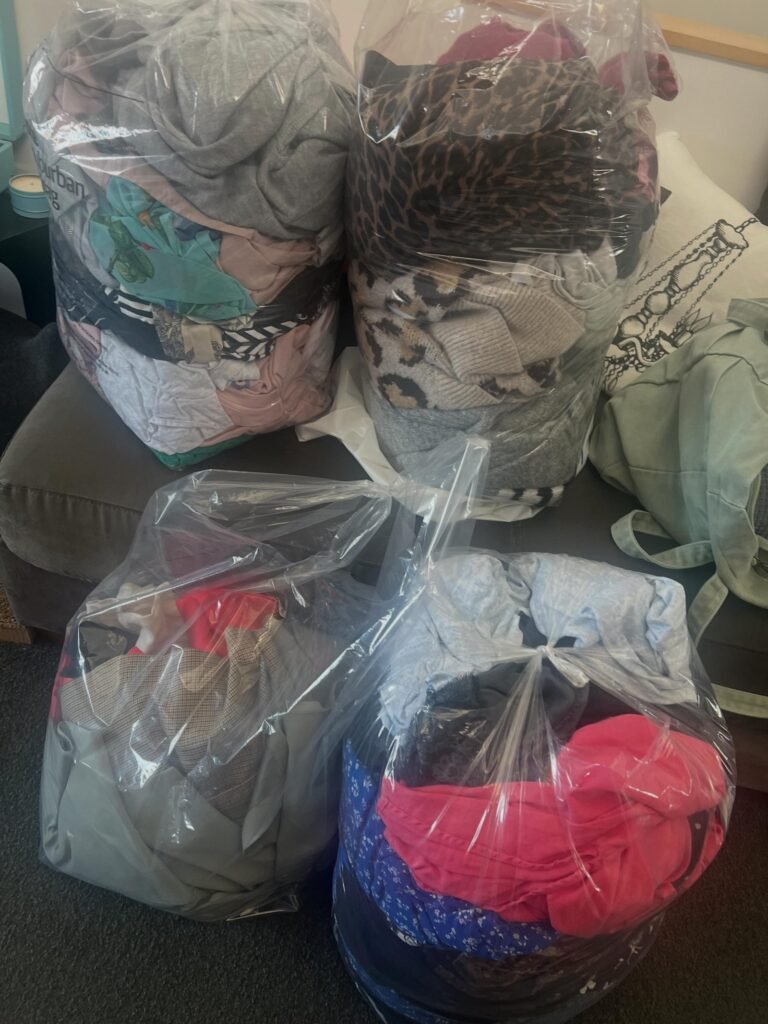
When something new comes in, something old goes out. It works for toys, clothes, shoes, and books, and it keeps the total amount of stuff from growing. Explain it to the kids in simple terms, and let them choose what leaves.
It also helps to buy only what you truly need. My first apartment checklist is a good reminder of what a household actually requires, which is usually less than we think.
10. Keep an Open Donation Bin Always Ready
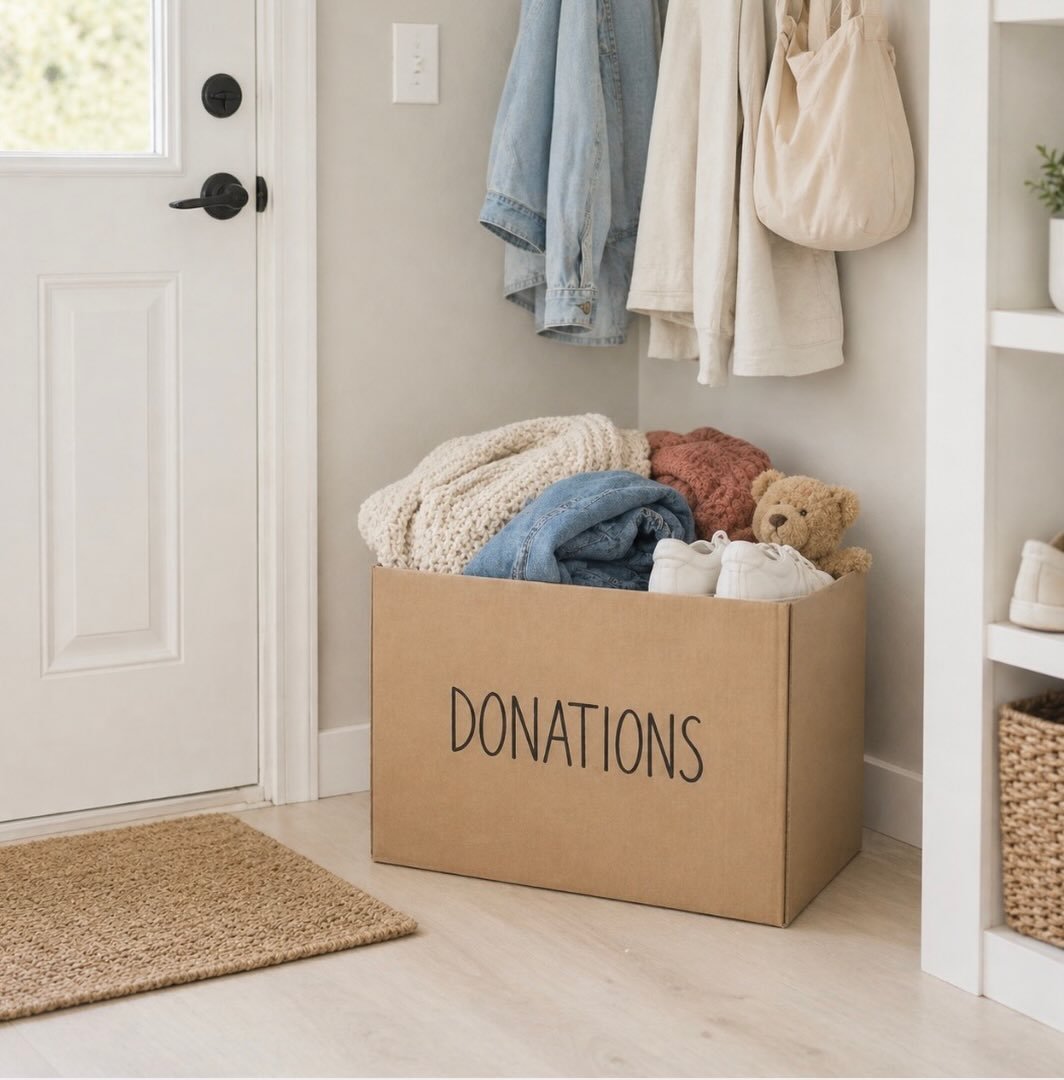
Put a box or bag in a closet or the garage, and whenever someone outgrows something or stops using it, it goes in the bin. When the bin is full, drop it off the same week.
The trick is that the decision gets made in the moment, instead of piling up for a big purge.
Items in good condition can also be resold or passed to friends, which helps offset costs. If you’re buying replacements, my guide to furnishing a small apartment on a budget has tips for buying secondhand without ending up with more clutter.
11. Do a Ten-Minute Nightly Reset
Before bed, set a timer for ten minutes and have everyone put things back where they belong. Make it a game for young kids, with a song or a race, and keep the standard simple: floors clear, dishes in the sink or dishwasher, bags at the station.
It sounds small, but ten minutes a day prevents the hour-long Saturday cleanup. A friend of mine, Tomas, started doing this with his two kids and said the mornings got noticeably calmer, mostly because nobody was hunting for a shoe.
12. Schedule a Weekly Family Reset
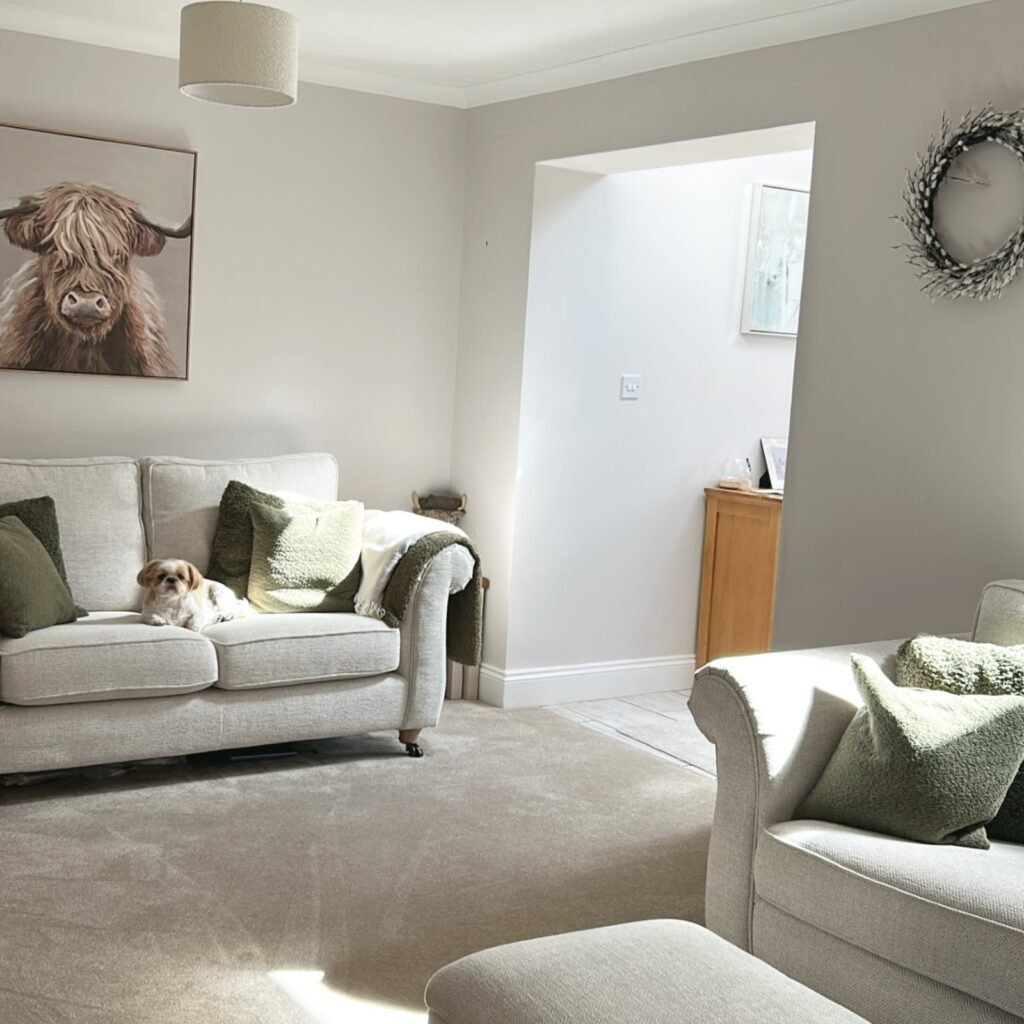
Once a week, spend 20 to 30 minutes on a slightly bigger reset: clear surfaces, empty the donation bin, check the command center, and deal with the laundry mountain.
Do it at the same time each week so it becomes a habit, and put on music or a podcast to make it less of a chore.
A Simple Routine Schedule
| When | What | Time |
|---|---|---|
| After school or work | Backpacks, shoes, and lunchboxes to the station | 2-3 minutes |
| After dinner | Clear the table, load the dishwasher, wipe counters | 10 minutes |
| Before bed | Ten-minute family reset, set out tomorrow’s clothes | 10 minutes |
| Weekly | Surfaces, laundry, donation bin, command center check | 20-30 minutes |
| Monthly | Review one zone: toys, closets, or paper | 30-60 minutes |
| Each season | Swap clothes, bedding, and rotate toys | 1-2 hours |
13. Keep Kitchen Counters Mostly Clear
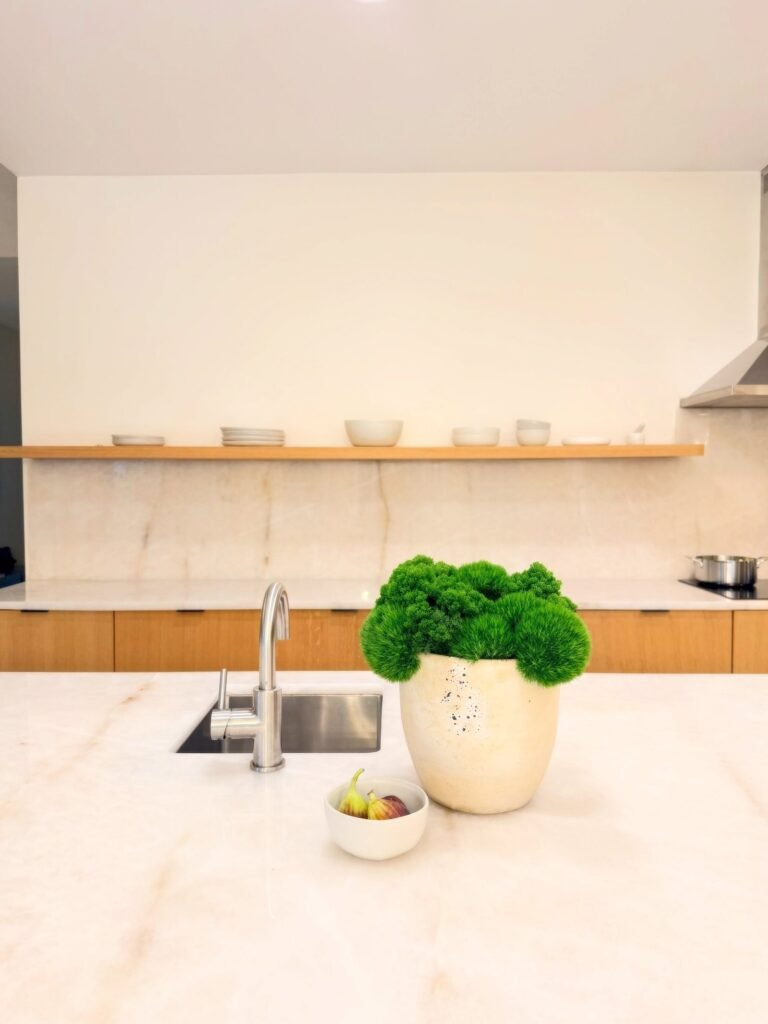
The kitchen counter is a magnet for everything: mail, keys, school forms, and half-empty mugs. Choose one or two items to leave out, like a coffee maker and a fruit bowl, and give everything else a home.
A clear counter makes cooking easier and makes the whole room feel bigger, an effect I explain in make a small apartment feel bigger.
Make a small landing zone for incoming stuff, like a tray by the door, so it doesn’t spread onto the counter. And run the dishwasher every night so the sink starts empty in the morning.
14. Organize the Pantry and Fridge With Clear Containers and a Snack Drawer
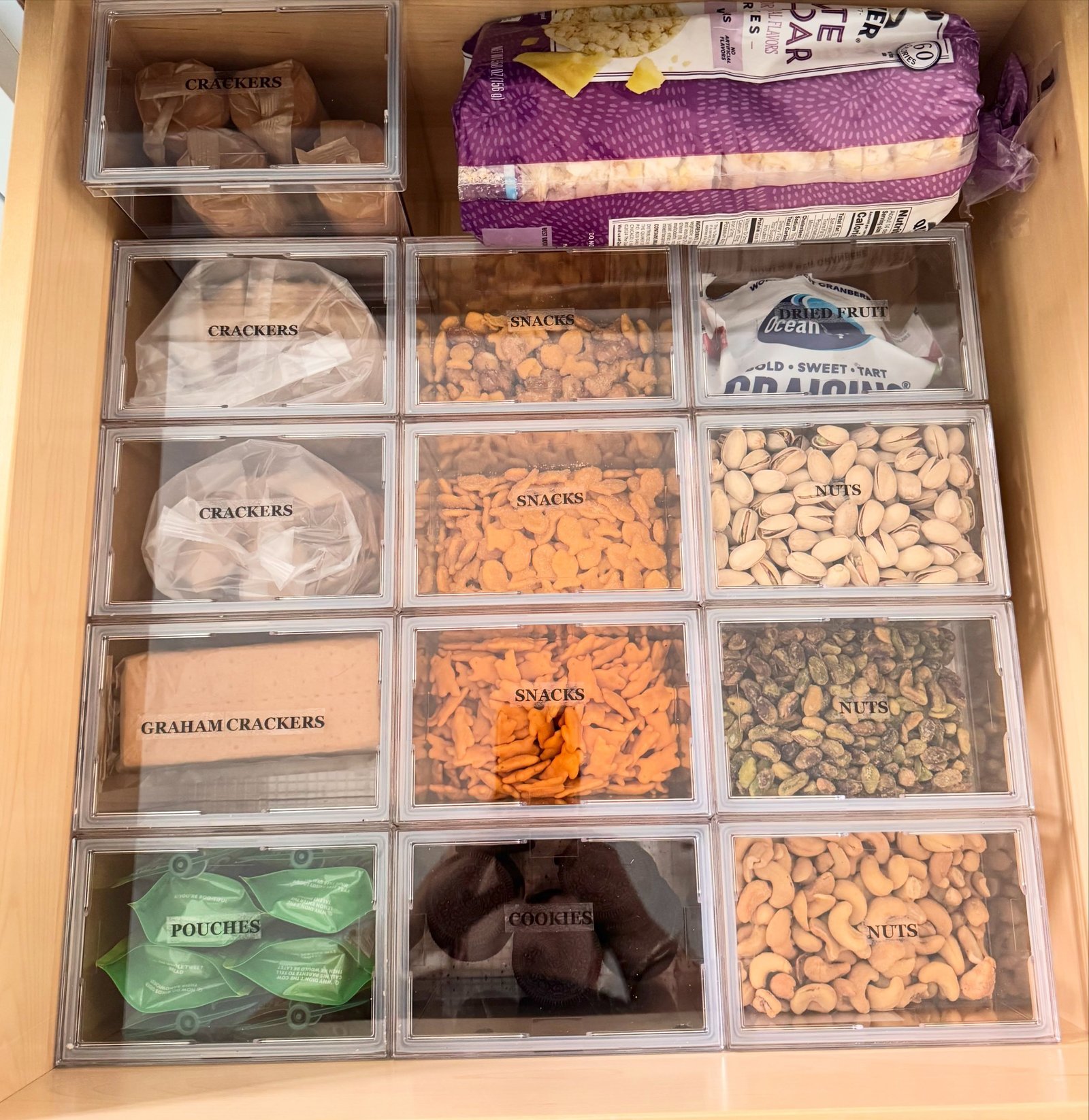
Clear containers show what you have, keep food fresh, and stack neatly. Give kids a low drawer or bin for approved snacks so they can help themselves without raiding the whole pantry. It saves you from the constant “can I have a snack” question.
Do a quick check before grocery shopping to avoid buying duplicates, and use a basket for lunch-packing supplies so everything for school lunches is in one place. Containers cost about $15-50 for a starter set.
15. Set Up a Lunchbox and Water Bottle Routine
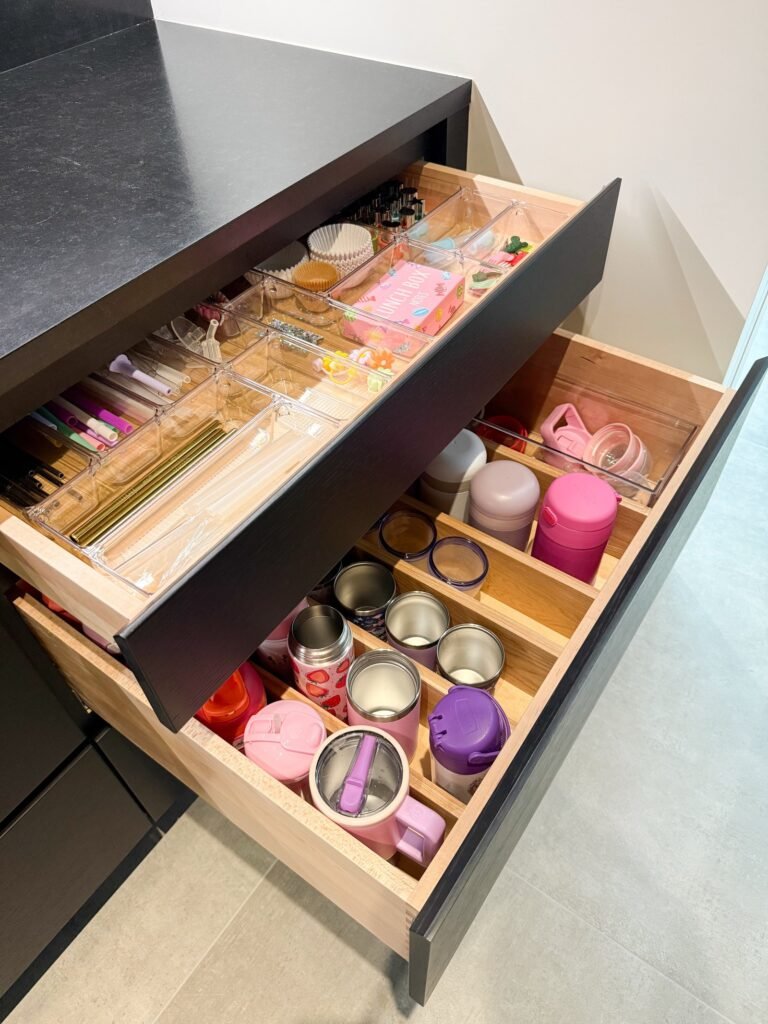
Lunchboxes and water bottles multiply in every family. Keep a set number, say one per person, with a spot in the kitchen where they go to be washed and dried. A drying rack by the sink and a basket for lids keeps the pieces together.
When it gets too crowded, it’s a signal to donate the extras, which fits the one-in, one-out rule from earlier.
16. Simplify the Bathroom With Dividers and Shared Caddies
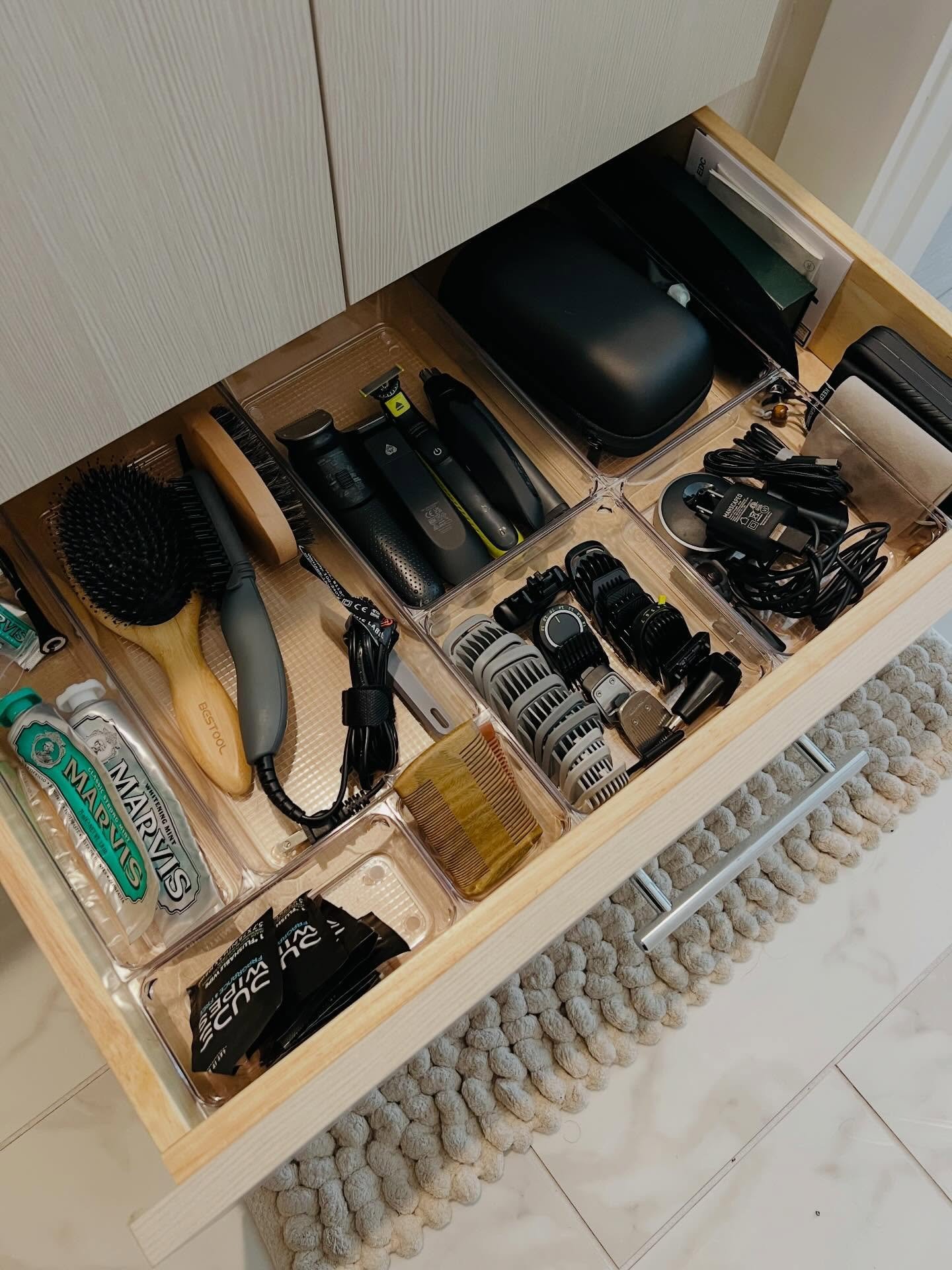
Bathrooms fill up with half-used products. Use drawer dividers, small baskets, and a shower caddy for each person, and toss anything expired or unused for months.
Keep medications and cleaning products out of children’s reach, in a closed or locked container.
A shared basket of kids’ bath toys that drains and dries, like a mesh bag hung from a hook, keeps the tub from becoming a toy storage area. Setup usually costs under $40.
17. Streamline Kids’ Closets
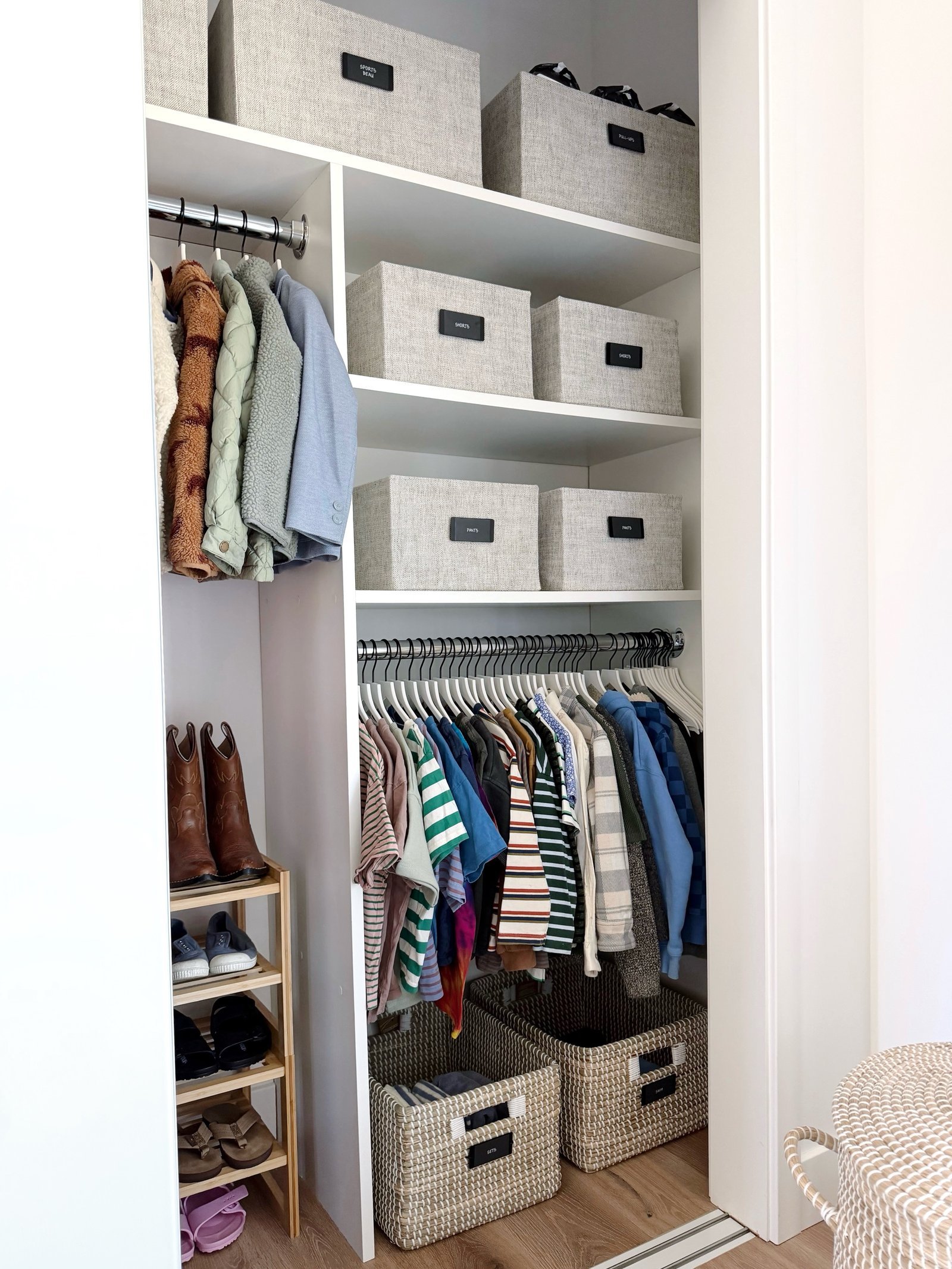
Kids outgrow clothes fast, which means closets fill with things that no longer fit. Keep a bin in each closet for outgrown items, and move it out when it’s full. Limit the number of hangers to keep the amount of clothes in check.
The budget-friendly tricks in my guide to closet organization on a budget, like shelf dividers and hanging organizers, work just as well in a kid’s closet. Lay out clothes for the week on Sunday to cut down on morning chaos.
18. Tackle the Linen Closet
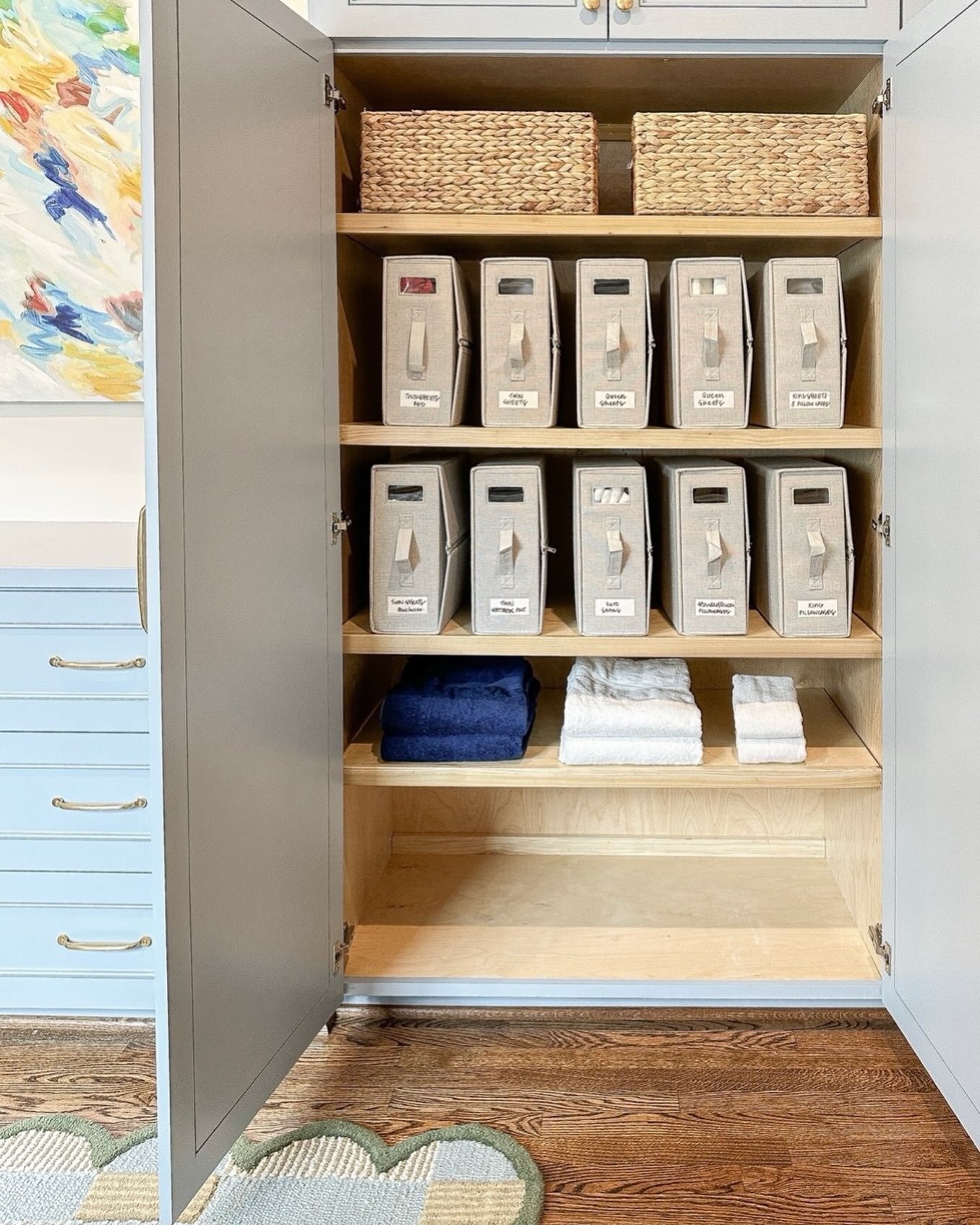
Linen closets collect mismatched sheets, stained towels, and things nobody can remember buying. Keep two sets of sheets per bed and a few towels per person, and donate the rest. Store sheets in their own pillowcase so sets stay together.
My guide to linen closet organization goes through the full process, including labeling shelves and storing seasonal bedding so it doesn’t take over the space.
19. Give Laundry a Simple System
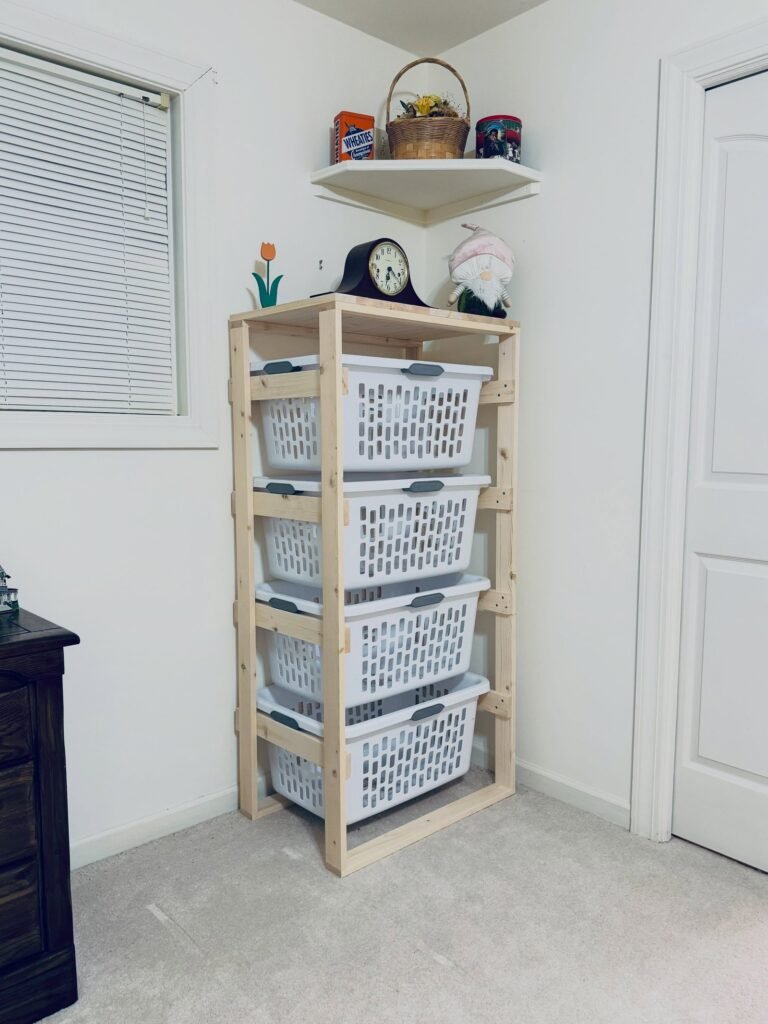
Laundry is the clutter that never ends. A hamper in each bedroom, or a sorting basket system with separate bins for lights, darks, and delicates, makes it faster to start a load. Fold and put away the same day it comes out of the dryer, so clean clothes don’t pile up on a chair.
Older kids can handle their own laundry with a little teaching, and it takes a big task off your plate.
20. Make Bedrooms Easy to Keep Tidy
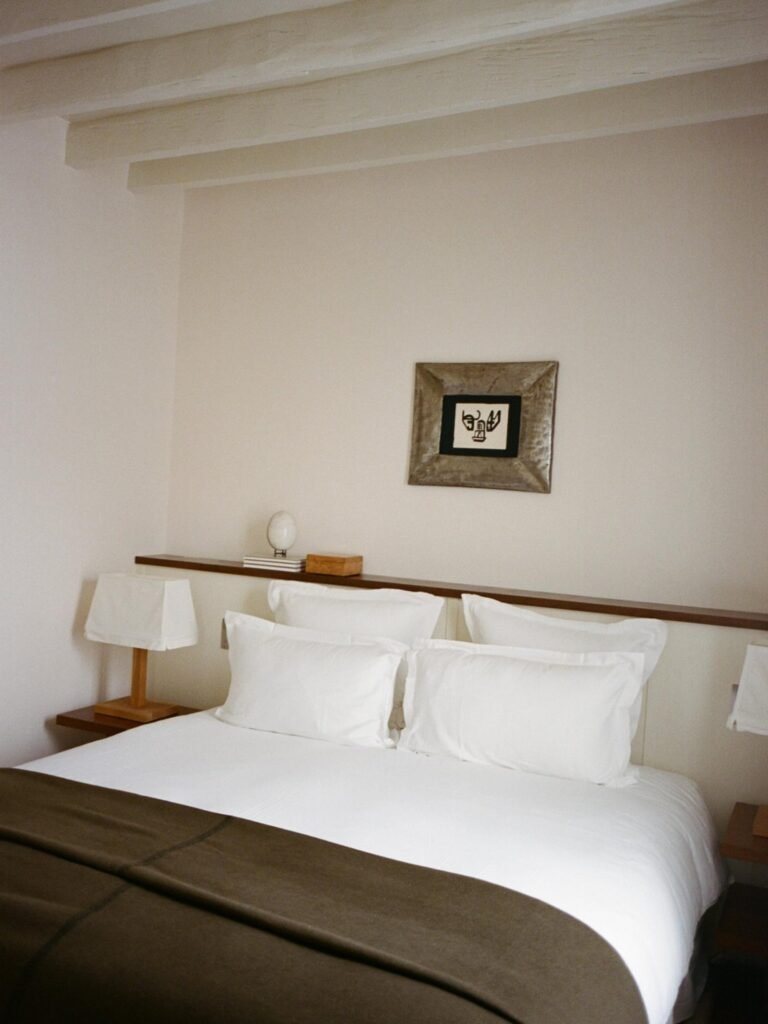
Bedrooms work best with fewer items and clear homes for them. Use under-bed bins for off-season clothes, a basket for toys, and a rule that nothing lives on the floor.
A bed with built-in storage or a multi-purpose bench helps too, and my guide to multi-functional furniture has ideas for pieces that do double duty.
Seasonal swaps also keep things in check. Each fall, I swap out light bedding for warmer layers, as in my fall apartment decor ideas post. If the kids’ room gets too much morning light, my guide to hanging curtains to make a small room look bigger shows how to hang blackout curtains without crowding the room.
21. Give the Garage and Car a System Too
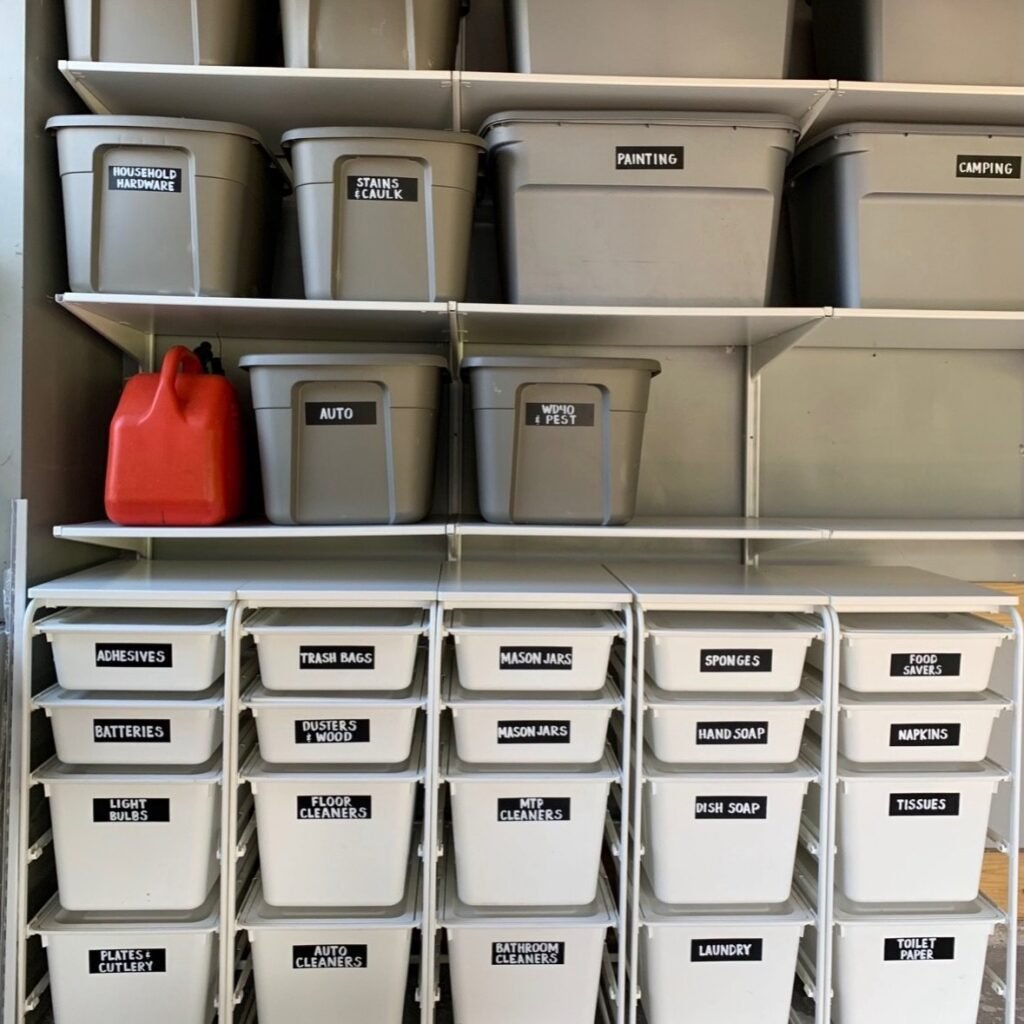
Clutter spills into the garage and the car, where it’s easy to ignore. Add shelving, hooks, and bins in the garage, and keep a small bin in the car for trash, wipes, and a few essentials. Empty it every week when you do your reset.
My guide to garage storage ideas has 24 ways to organize even a tiny garage, which is a big relief for families with bikes, strollers, and sports gear.
22. Plan for Gifts, Holidays, and Birthdays Before They Arrive
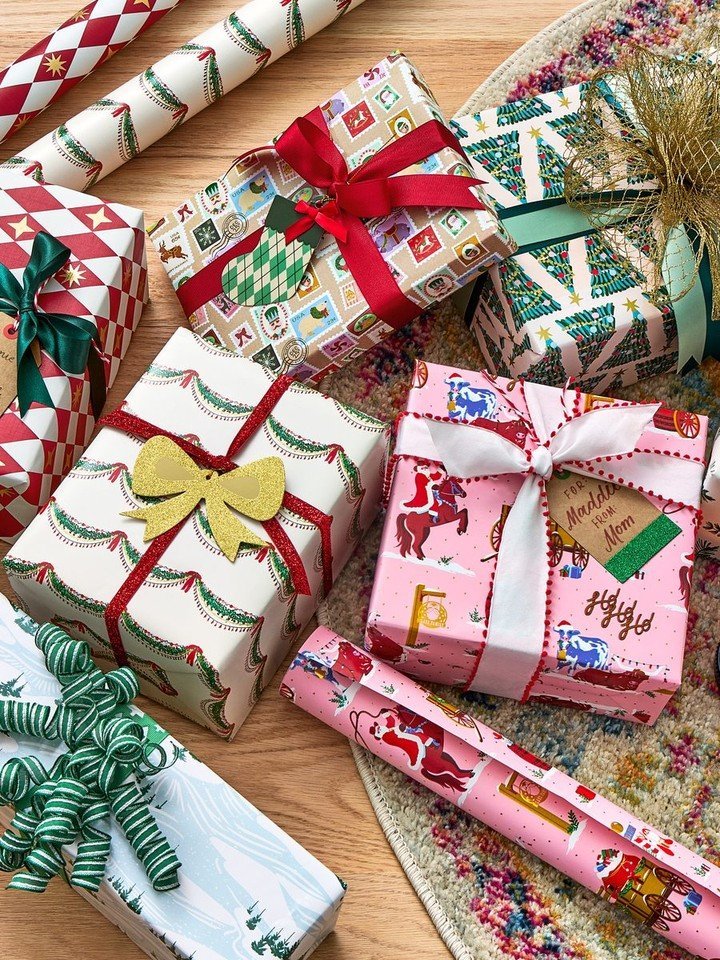
Holidays and birthdays are the biggest clutter spikes of the year. Before they arrive, do a quick toy purge so there’s room for the new things, and ask family for experiences or consumables instead of more stuff. Keep decorations in labeled bins so setup and cleanup go quickly.
If you host family, a flexible sleeping option helps, and my guide to convertible sofa beds for small spaces shows how to host without a spare room. For decorations that don’t take over, my small apartment Christmas decor guide keeps the holidays festive and manageable.
Storage Options for Family Clutter by Room
| Room or Spot | Best Storage | Approx. Cost | Why It Works |
|---|---|---|---|
| Entryway | Hooks, bench with shoe bins | $20-200 | Everything lands in one place |
| Living room | Cube shelves, lidded baskets, storage ottoman | $40-250 | Hides toys and blankets |
| Kids’ room | Low open bins, under-bed storage | $20-150 | Kids can reach and use it |
| Kitchen | Clear containers, snack drawer, tray | $15-80 | Cuts duplicates and counter clutter |
| Bathroom | Drawer dividers, caddies, hooks | $10-40 | Separates each person’s items |
| Closets | Shelf dividers, bins for outgrown items | $15-60 | Keeps sizes and seasons in order |
| Garage | Shelving, hooks, labeled bins | $60-300 | Takes gear off the floor |
What Kids Can Realistically Handle by Age
| Age Range (Roughly) | Reasonable Tasks |
|---|---|
| 2 to 4 | Put toys in a bin, hang a coat on a low hook, put dirty clothes in a hamper (with help) |
| 5 to 7 | Put away shoes and backpack, make a simple bed, set out clothes with guidance |
| 8 to 11 | Pack their own bag, clear their dishes, fold and put away laundry, tidy their room |
| 12 and up | Handle their own laundry, keep their room in order, help with weekly resets |
This is only a rough guide, and every child develops differently. Adjust to what works for your family, and focus on progress instead of perfection.
Mistakes That Bring the Clutter Back
The biggest mistake is buying organizers before decluttering, which just gives clutter a prettier container. The second is making systems too complicated, so they only work when you’re at your best. The third is expecting kids to follow a system they can’t reach or understand, and the fourth is trying to do everything at once.
Keep it simple, and let the system fit your family instead of the other way around. A system that works on your worst day is the one that lasts.
If I Were Starting Carla’s House From Scratch
I’d start with the entryway: one hook and one bin per person, a tray for keys, and a small bin for mail. Then I’d add the ten-minute nightly reset and a donation bin in the closet. That’s maybe $60-120, and it would solve the shoe avalanche within a week. Everything else, like toy rotation and the pantry, comes after.
The best clutter-free home ideas for busy families aren’t about having a perfect house, they’re about making tidying fast, obvious, and forgiving. Start small, make it easy for the kids, and don’t aim for magazine-perfect. If you’re also deciding how much space your family really needs, my studio vs one-bedroom apartment comparison shows how layout affects storage and daily life.
FAQs
How do I keep my house clutter-free with kids?
Make systems easy and kid-friendly: low hooks, open bins, labeled storage, and short daily resets. Rotate toys, follow a one-in, one-out rule, and keep a donation bin ready.
Where should I start decluttering a busy family home?
Start with the zone that irritates you most each day, often the entryway or kitchen counter. A small win builds momentum, and you’ll learn what works before tackling bigger areas.
How much time does it take to keep a house clutter-free?
A ten-minute nightly reset and a 20 to 30 minute weekly reset keep most homes in good shape. The first setup takes longer, but daily upkeep is short once the systems are in place.
How do I get kids to help keep the house tidy?
Use storage they can reach, picture labels for little ones, and simple routines they can do on their own. Make it a game, give them choices, and praise effort over perfection. Every child is different, so adjust expectations to their age and ability.
What is the best way to handle kids’ art and school papers?
Display a few pieces, photograph the rest, and keep one box per child for favorites. Sort school papers right away into act, file, or recycle categories.
How much does it cost to organize a family home?
A basic setup with hooks, bins, and a few containers can cost under $150, while a fuller setup with cabinets, shelving, and better storage furniture can run several hundred dollars. Declutter first and buy only what you need.








Leave a Reply