
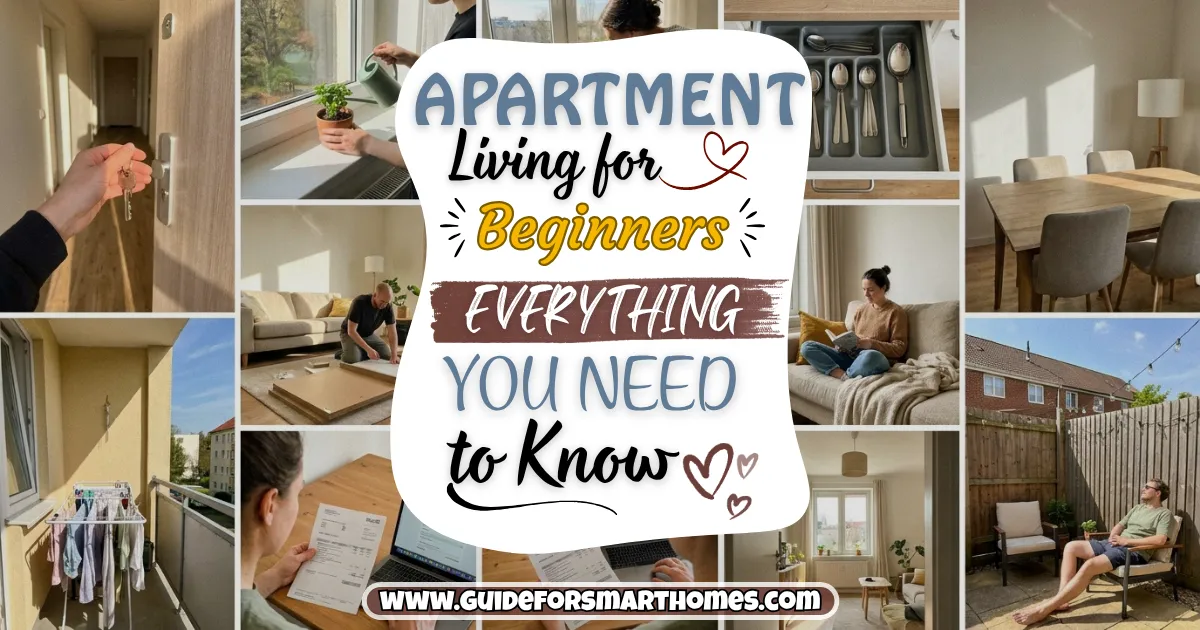
Within 48 hours of moving into my first apartment, I had locked myself out, set off the smoke alarm making toast, and learned that the neighbor upstairs did laundry at 11 p.m.
with what sounded like a small herd of buffalo. Nobody had warned me about any of it. I had a mattress, a box of dishes, and a lot of confidence, and that was about it.
If you’re new to renting, apartment living for beginners can feel like a long list of things nobody explains: how much rent you can really afford, what a lease actually commits you to, what to check during a tour, what to photograph on move-in day, how to deal with noisy neighbors or a broken heater, and how to make a small place feel like yours without losing your deposit.
This guide covers all of it in one place, in plain language, from the decision to rent through your first few months and eventually moving out. Think of it as the conversation I wish I’d had with an older friend before I signed anything.
I’ve split it into 18 sections, so you can read straight through or jump to the part you need. There’s a first-month checklist table, a one-time vs. monthly cost table, and FAQs at the end.
One honest disclaimer: I’m a blogger, not a lawyer or a financial advisor, and rental rules differ by city and state, so treat this as a general guide and check your local laws and your actual lease for the details that apply to you.
1. Decide if Apartment Living Is Right for You
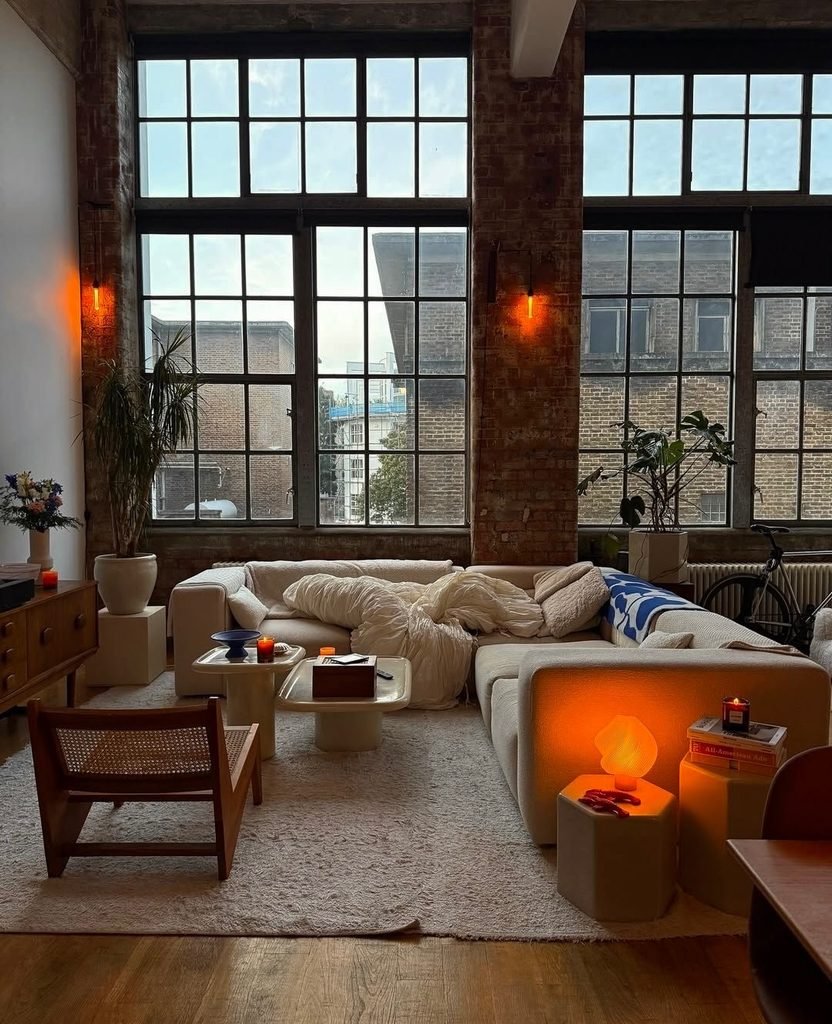
Apartments are great for flexibility, lower maintenance, and often better locations, since someone else handles the roof, the lawn, and most big repairs.
They also come with trade-offs: less space, shared walls, rules you didn’t write, and a landlord who can raise the rent or decline to renew.
Ask yourself what you actually want from a home. If you value being close to work, friends, or transit and don’t mind a smaller footprint, apartment living is probably a good fit.
If you need lots of quiet, a garden, or the freedom to renovate, you may feel boxed in. There’s no wrong answer, just a trade you want to make on purpose.
2. Set a Realistic Budget (and Count the Hidden Costs)
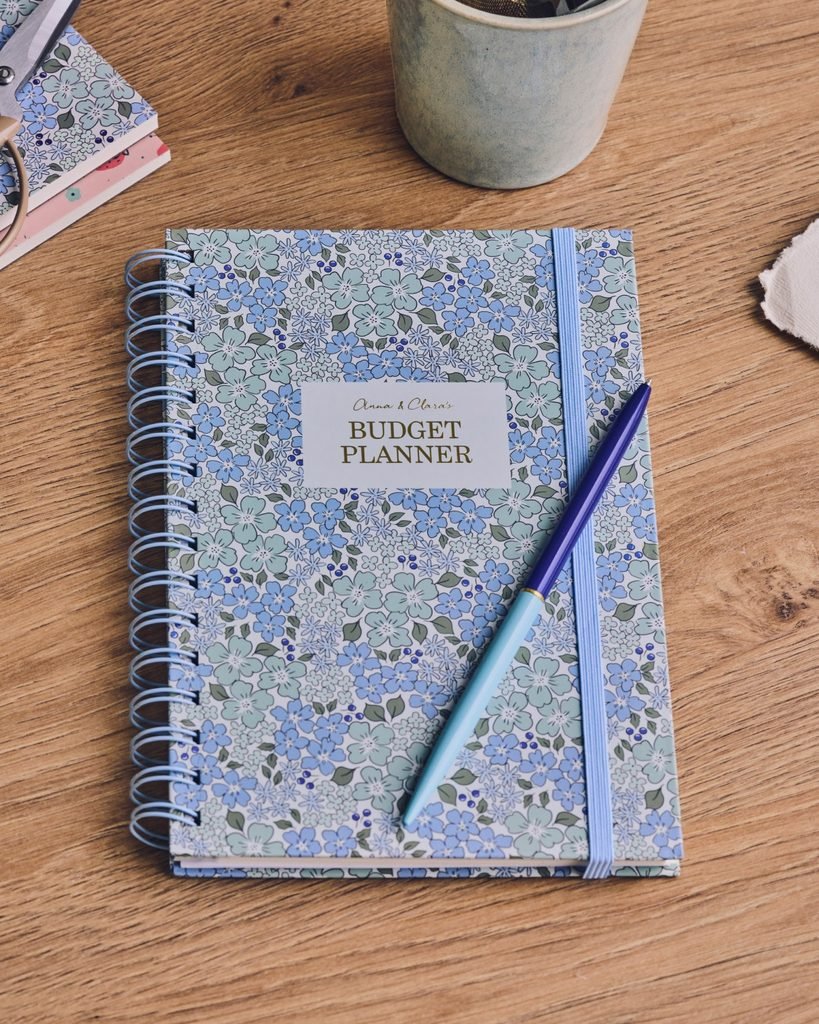
A common rule of thumb is to keep rent around 30 percent of your gross monthly income, though in expensive cities that’s often impossible and in cheaper ones you may be able to spend less.
Use it as a starting point, not a law, and look at your whole budget: student loans, transportation, food, and savings all compete with rent.
Then add the costs people forget: utilities, internet, renters insurance, parking, pet fees, laundry, and move-in expenses.
Many first-time renters budget only for rent and get hit with a few hundred dollars of extras in the first month. A little room in your budget makes the whole experience calmer.
One-Time vs. Monthly Costs to Plan For
| Type | Cost | What to Know |
|---|---|---|
| One-time | Application fee | Usually non-refundable, can add up if you apply to several places |
| One-time | Security deposit | Often about one month’s rent, rules for return vary by location |
| One-time | First month’s rent (sometimes last month too) | Confirm what’s due at signing |
| One-time | Moving costs | Truck rental, movers, boxes, cleaning supplies |
| One-time | Furniture and basics | Bed, seating, lamps, kitchen essentials |
| Monthly | Rent | Check due date and late fee rules |
| Monthly | Utilities (electric, gas, water, trash) | Some are included in rent, ask which |
| Monthly | Internet and phone | Compare providers available in your building |
| Monthly | Renters insurance | Usually inexpensive, sometimes required by the lease |
| Monthly | Parking, pet rent, amenity fees | Ask about every recurring fee before signing |
3. Choose the Right Size and Type of Place
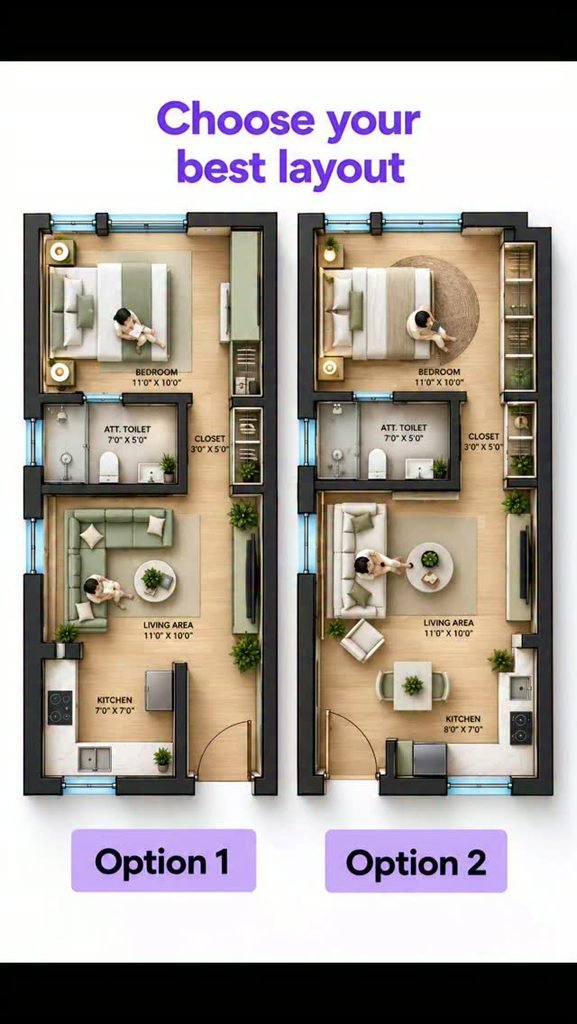
The first decision is usually studio vs. one-bedroom, and it’s less about square footage than about how you live.
If you work from home, host guests, or value having a door to close, a one-bedroom may be worth the higher rent. If you’re often out and want to keep costs down, a studio can be great. I break down the trade-offs in my studio vs one-bedroom apartment comparison.
Also think about the building: older buildings can have character and thicker walls but older plumbing and heating, while newer ones may have better insulation but thinner floors. Neither is automatically better, so judge each place on its own.
4. Search Smart and Tour Like You Mean It
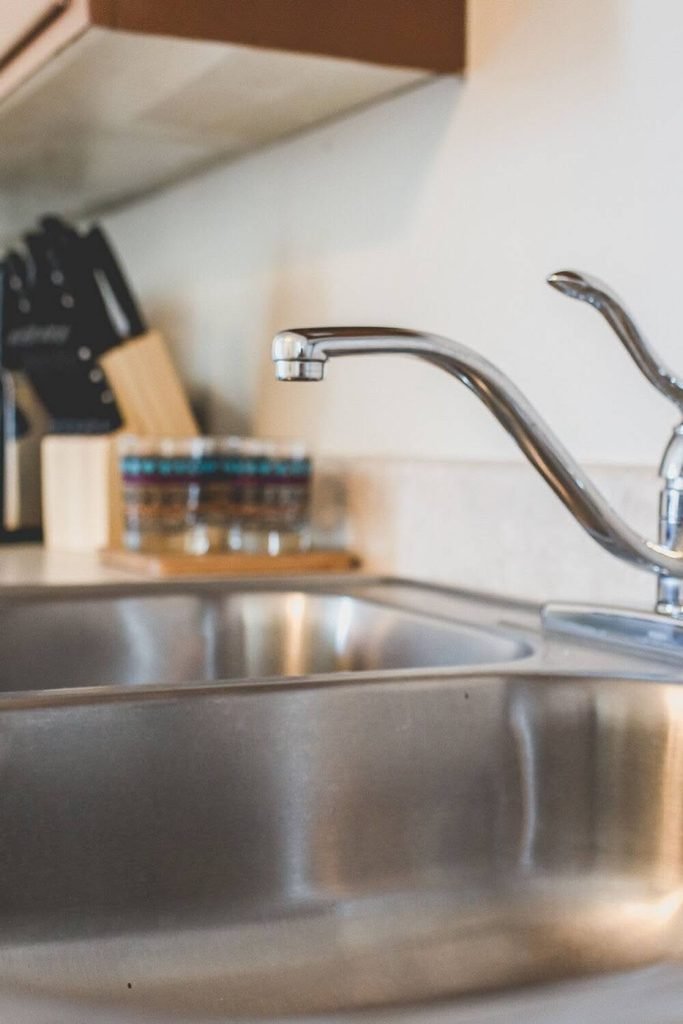
Look at several places before choosing, and visit at the time of day you’ll actually be home. Evenings show you the noise, parking, and light that daytime tours hide. Bring a checklist and take photos and notes at each place so they don’t blur together.
During a tour, test the water pressure and hot water, open the windows, check outlets, look under sinks and in corners for signs of moisture or pests, check cell reception, and ask about the heating and cooling system. Look at the laundry situation, the garbage setup, and how packages are handled.
Pro tip: If you can, talk to a current tenant in the hallway. Their honest take on the landlord and the noise is worth more than any listing.
5. Understand the Lease Before You Sign It
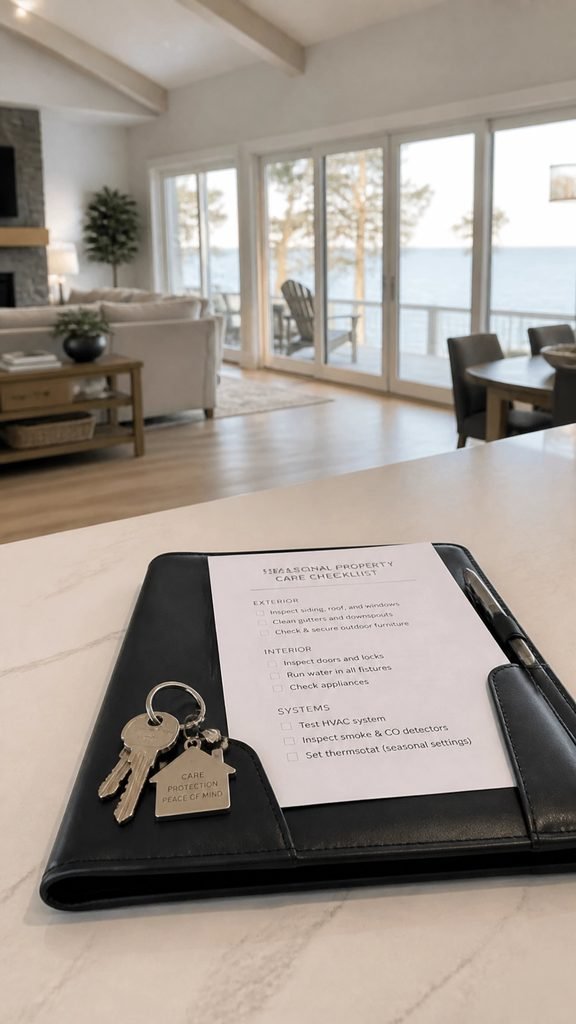
A lease is a legal contract, and it’s worth reading all of it, not just the rent line. Look at the lease term, the rules for renewing or leaving early, what happens if you break the lease, whether subletting is allowed, how and when rent can increase, late fees, pet rules, guest rules, and who is responsible for repairs and for what.
If something is unclear, ask for clarification in writing, and get any verbal promises (like a fresh coat of paint or a repair before move-in) added to the lease or confirmed in an email.
If anything seems odd, or you’re unsure about your rights, a local tenant organization or a legal aid service can help. Rules vary widely, so don’t rely on a general blog post, including this one, for legal advice.
6. Handle Move-In Day Documentation
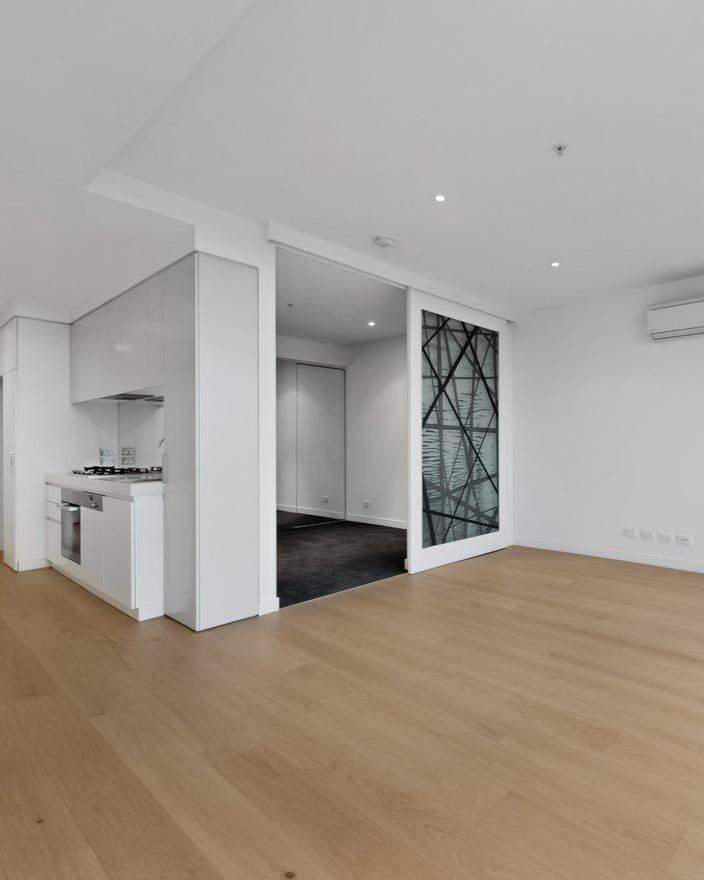
Before you unpack, document everything. Take dated photos and videos of every room, including scratches, stains, damaged blinds, and anything that looks worn. Fill out the move-in checklist if one is provided, and keep a copy.
This record can protect your security deposit when you move out, since it shows what was already there.
I once lost $40 of my deposit to a sticky residue outline from a door decoration, which is a detail I wish I’d been more careful about. Take photos again right before you move out, so you have before-and-after records.
7. Get Renters Insurance
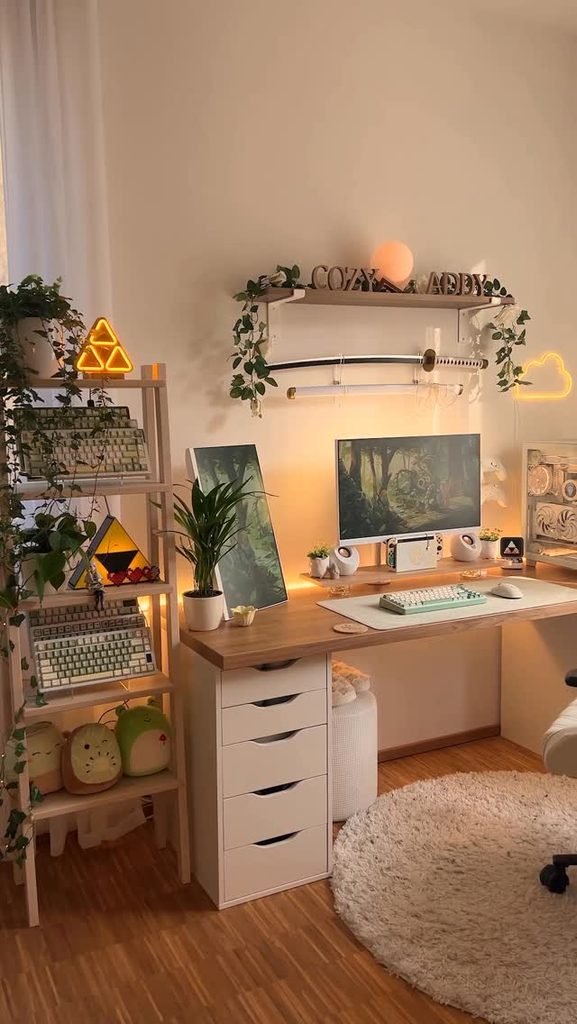
Your landlord’s insurance generally covers the building, not your belongings. Renters insurance typically covers your stuff against events like theft or fire, and often includes liability coverage if someone gets hurt in your home. It’s usually inexpensive, and some leases require it.
Make a quick inventory of your belongings, with photos and rough values, so you know how much coverage you need.
Read the policy to see what’s covered and what’s excluded, and ask your insurer about anything specific, like high-value electronics or bikes.
8. Set Up Utilities, Internet, and Your Address
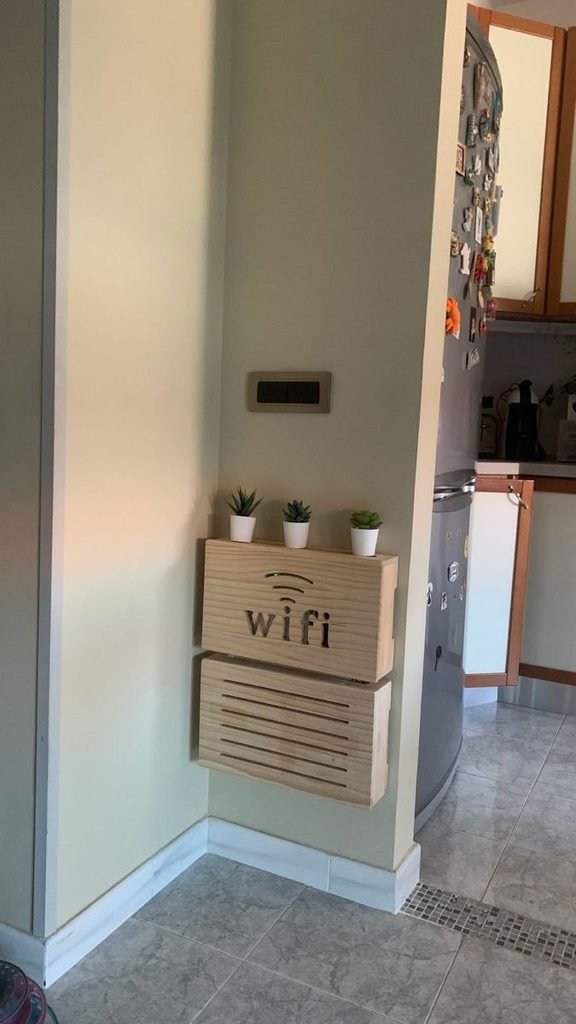
Find out which utilities are included and which you need to set up in your own name, and schedule start dates a few days before you move so everything works on day one.
Compare internet providers, since not every building has every option, and ask about installation times, which can be longer than you’d expect.
Update your address with your bank, employer, insurance, and the post office, and set up mail forwarding if you’re moving locally. It’s boring, but it saves a lot of confusion later.
9. Plan the Move Itself
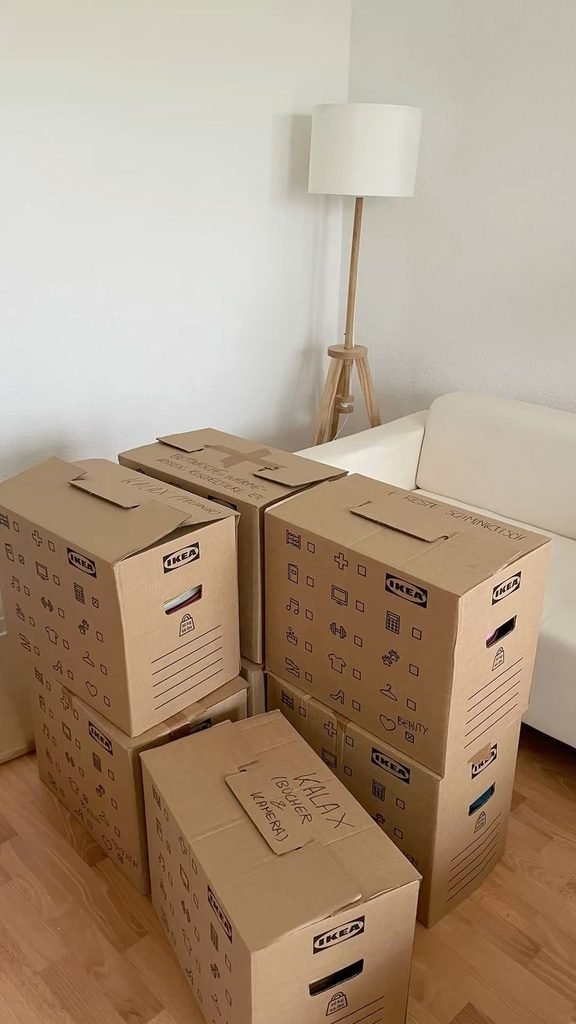
Measure big furniture and the path to your door, including stairs, elevators, and turns. Reserve the elevator or loading zone if your building requires it, and ask about move-in hours.
Pack a “first night” box with sheets, toiletries, chargers, a few dishes, and basic tools so you’re not hunting through boxes at midnight.
If you can, clean the place before you unpack. It’s far easier to wipe down empty cabinets and floors than furnished ones.
10. Furnish Smart, Not Fast
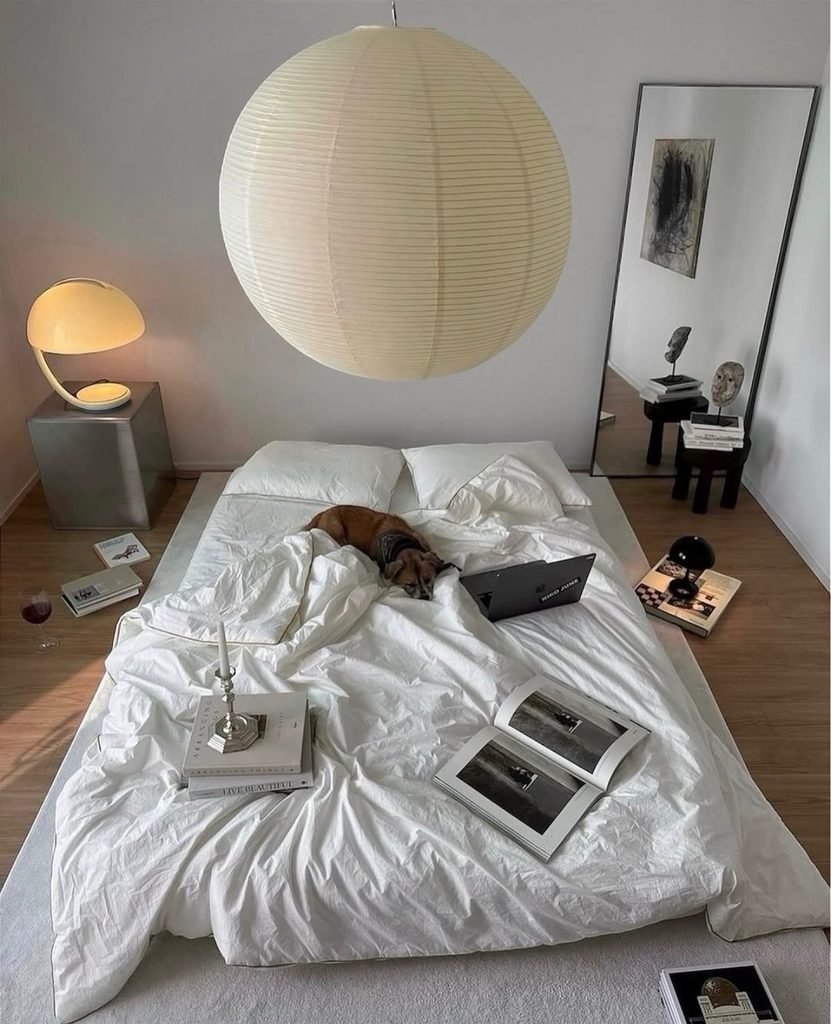
You don’t need to buy everything at once. Start with sleep, seating, and light, and add the rest as you learn how you use the space. Measure before you buy, buy secondhand where it makes sense, and avoid the impulse purchases that don’t fit. My guide to furnishing a small apartment on a budget walks through the order I’d buy things in.
When space is tight, look for pieces that earn their footprint. My list of space-saving furniture and my guide to convertible sofa beds for small spaces are good places to start if you want seating that doubles as a guest bed, and my multi-functional furniture guide covers other pieces that do two jobs at once.
11. Arrange Your Layout So the Space Works
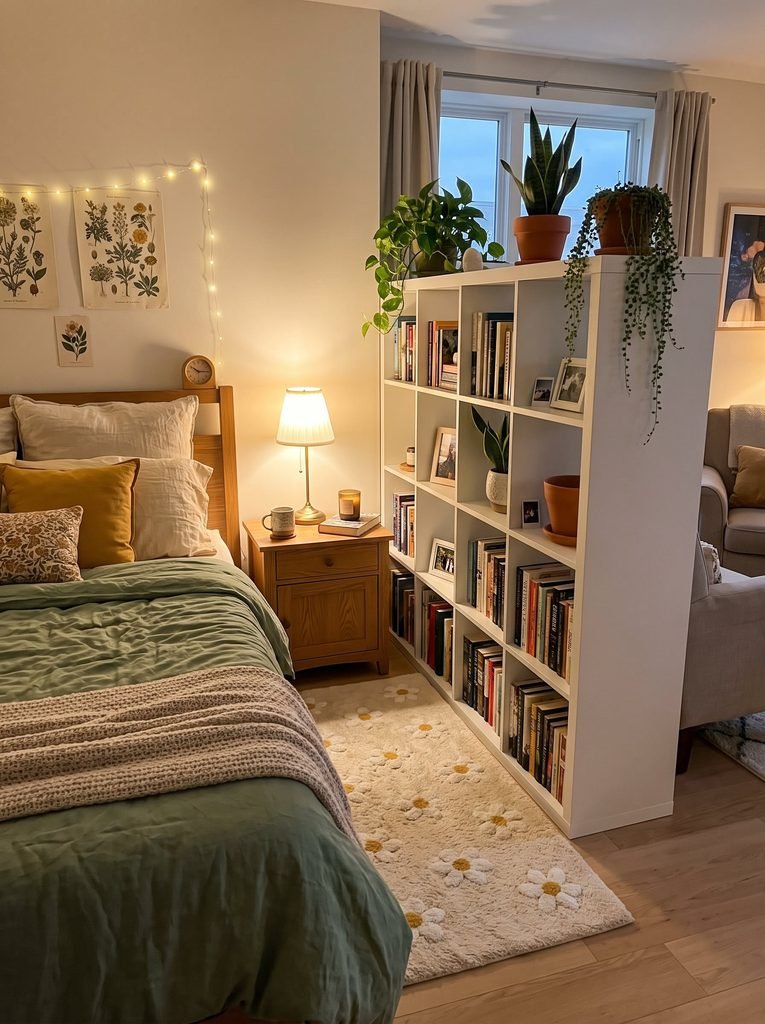
Before moving heavy furniture, sketch the room and note windows, doors, outlets, and radiators. Leave clear walkways, avoid blocking light, and give each activity a defined spot. In a studio or open layout, zoning with rugs, lighting, and furniture makes one room feel like several, which I explain in how to zone a studio apartment.
For more on arranging an open space, my studio apartment layout ideas and small living room ideas posts cover floor plans that leave room to move.
12. Solve Storage Early
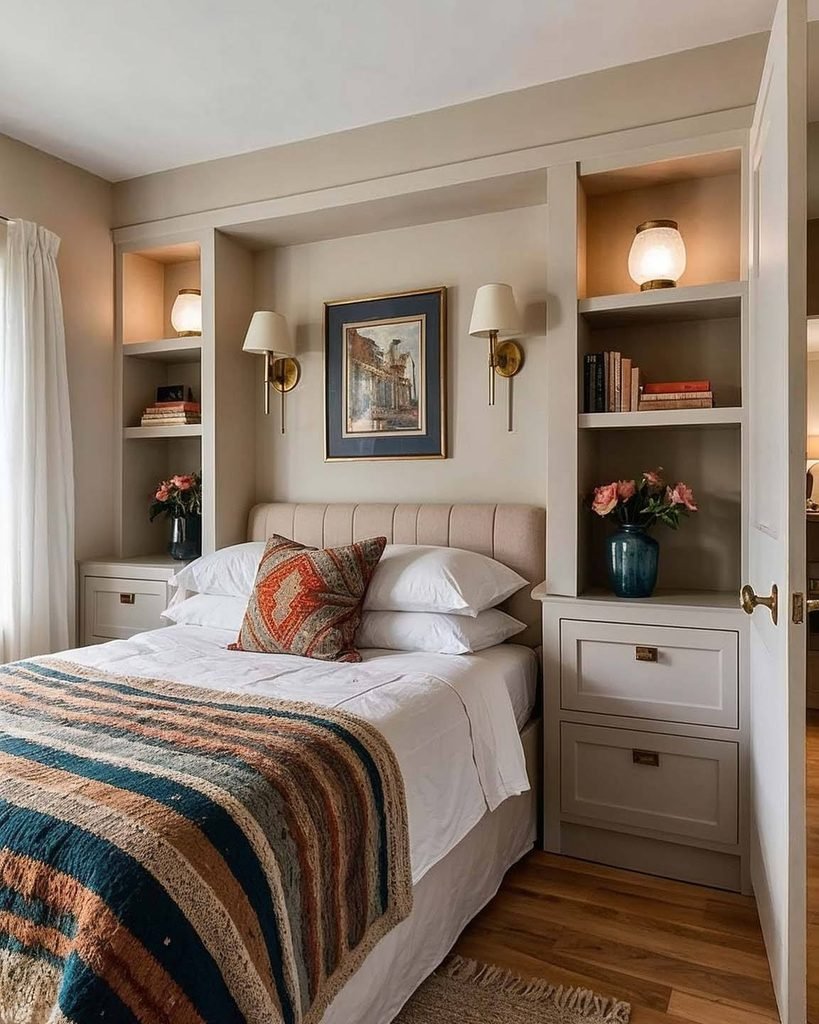
Apartments rarely have enough closets, and clutter makes any small place feel smaller. Go vertical with shelves and over-the-door storage, use under-bed space, and choose furniture that holds things, like a bed with drawers or a closed-door sideboard.
My guide to storage furniture for apartments shows which pieces earn their place.
For ideas that use walls and doors without drilling, see how to maximize vertical space in a small apartment. Anchor tall furniture to the wall, or ask your landlord about small anchor holes if the lease restricts drilling.
13. Decorate Without Losing Your Deposit
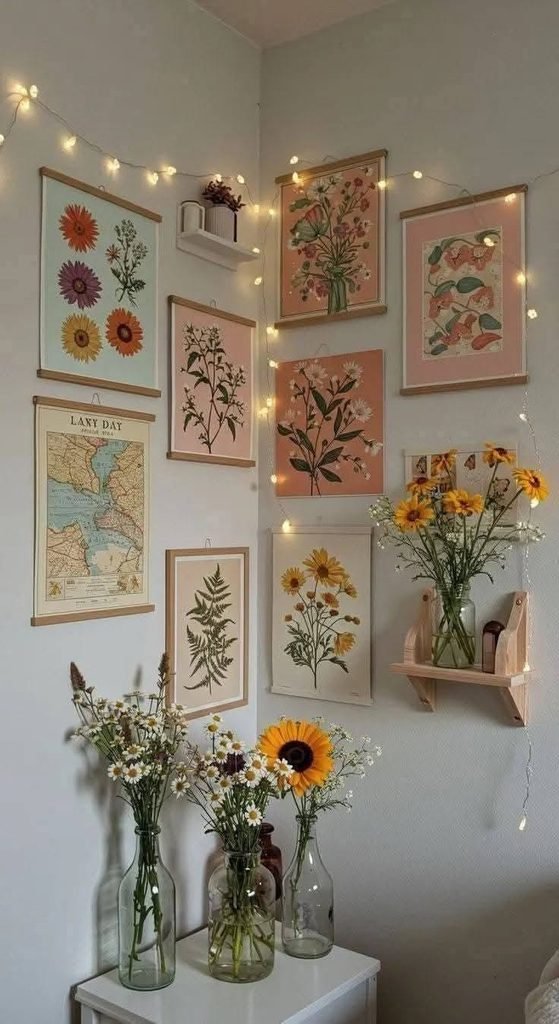
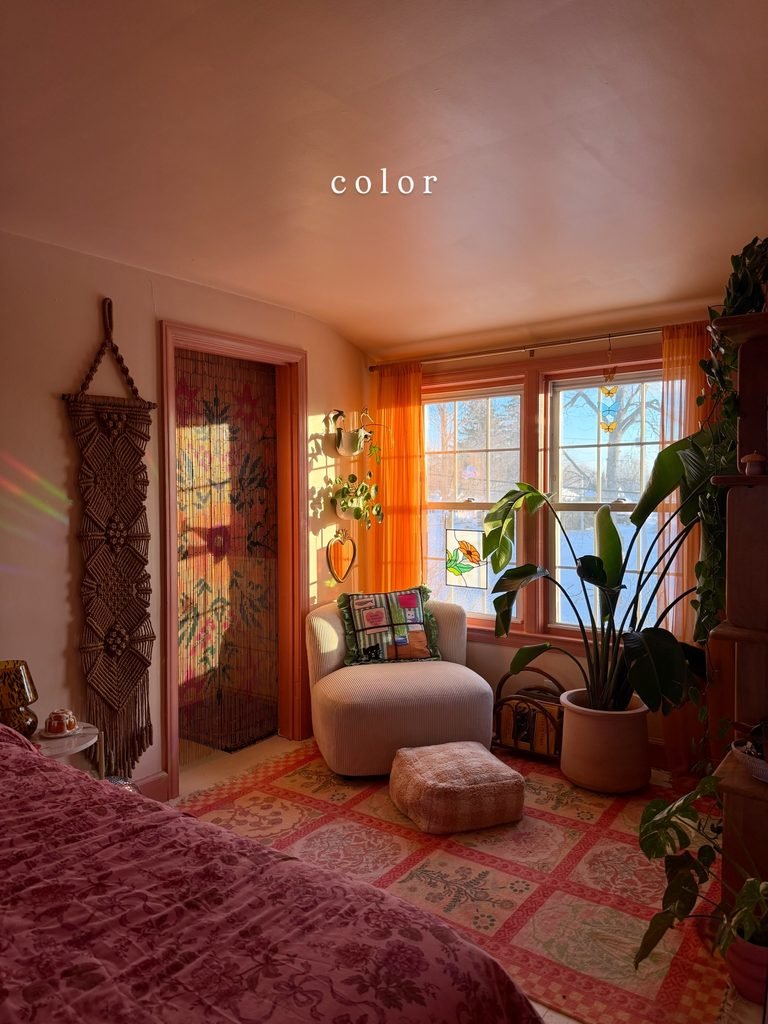
Read your lease for rules on nails, paint, and adhesives, and when in doubt, ask. Most decor can be renter-friendly: removable hooks, tension rods, freestanding shelves, rugs, plants, lamps, and peel-and-stick options tested in a hidden spot first.
Check weight ratings, and avoid leaving adhesive on one spot for months.
My small apartment decorating ideas post has plenty of no-damage ideas, and for what’s popular right now without sacrificing function, take a look at my roundup of small apartment decor trends.
14. Make It Feel Bigger With Cheap Tricks
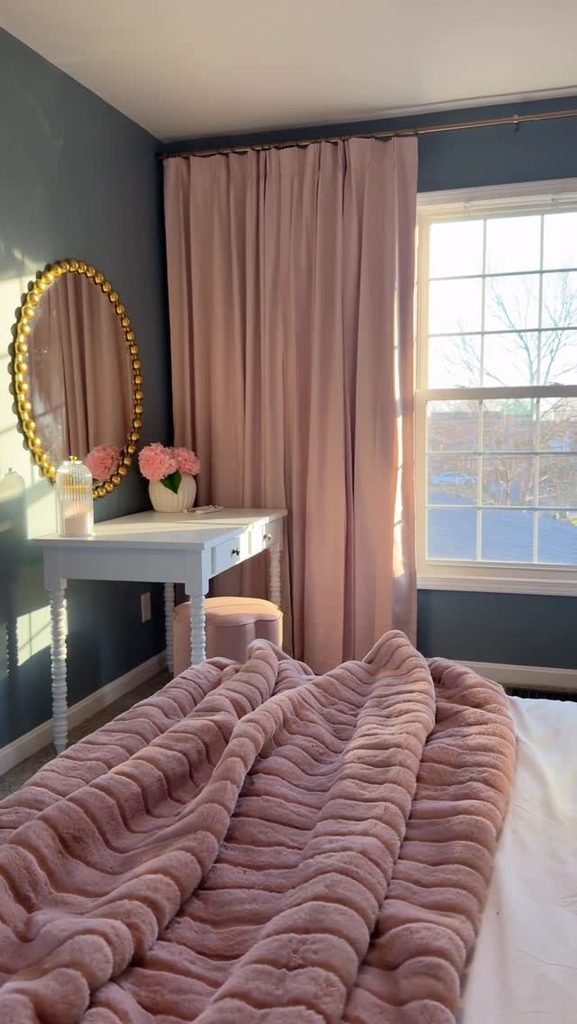
Light colors, mirrors, and clear floor space make a small place feel larger. Hang curtains high and wide, keep surfaces tidy, and use warm lighting at different heights so the room doesn’t feel flat.
For the full list, my guide on how to make a small apartment feel bigger is a good starting point, and my post on hanging curtains to make a small room look bigger covers one of the cheapest upgrades there is.
15. Set Up a Work Spot if You Work From Home
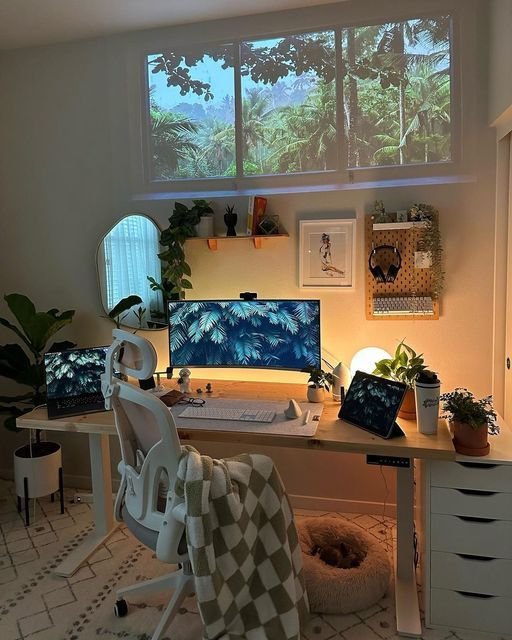
If you work from home even part of the week, give yourself a defined place to do it, with good light and a chair that doesn’t hurt your back.
A fold-down desk or a corner of the living room works, as long as you can close it down at the end of the day. My guide to a home office in a small apartment covers desks, lighting, and boundaries in detail.
16. Be a Good Neighbor (and Handle Problem Ones)
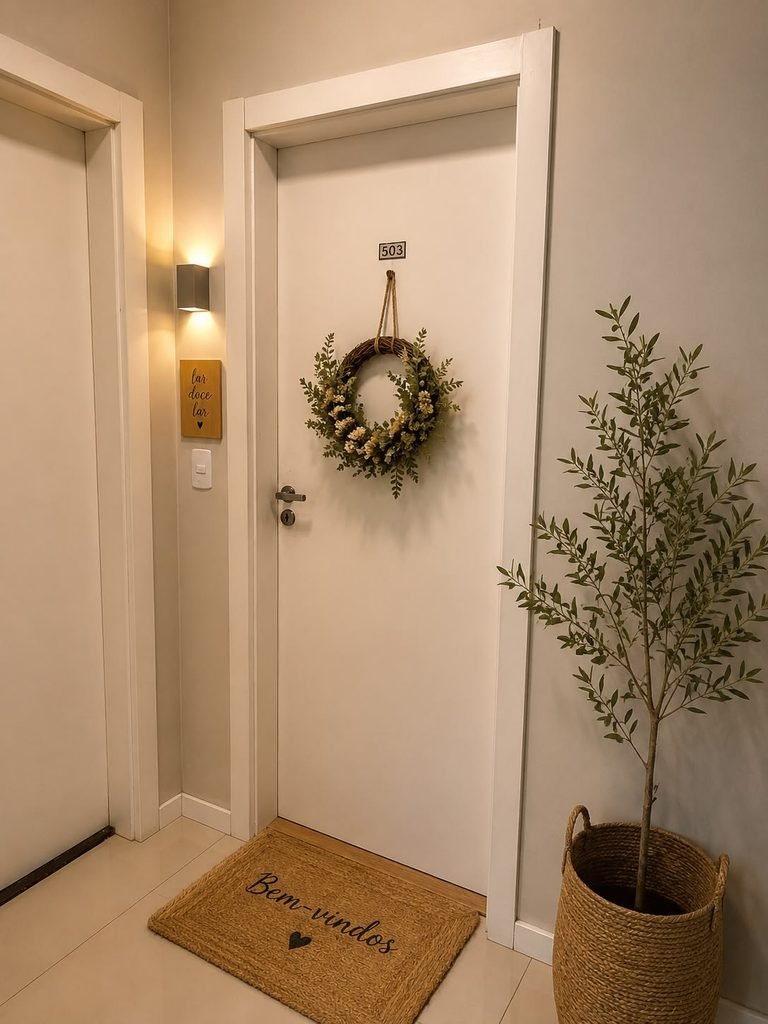
Shared walls mean shared noise. Use rugs, avoid loud music or heavy footsteps late at night, and give your neighbors a quick hello when you move in. A friendly relationship makes everything easier, including asking someone to turn down a speaker.
If a neighbor is the problem, start with a polite, direct conversation or note. If it continues, document the issues and contact your landlord or property manager, following the process in your lease.
Avoid confrontations that feel unsafe, and contact the appropriate authorities if you ever feel threatened.
17. Stay Safe, Handle Repairs, and Keep Your Place Healthy
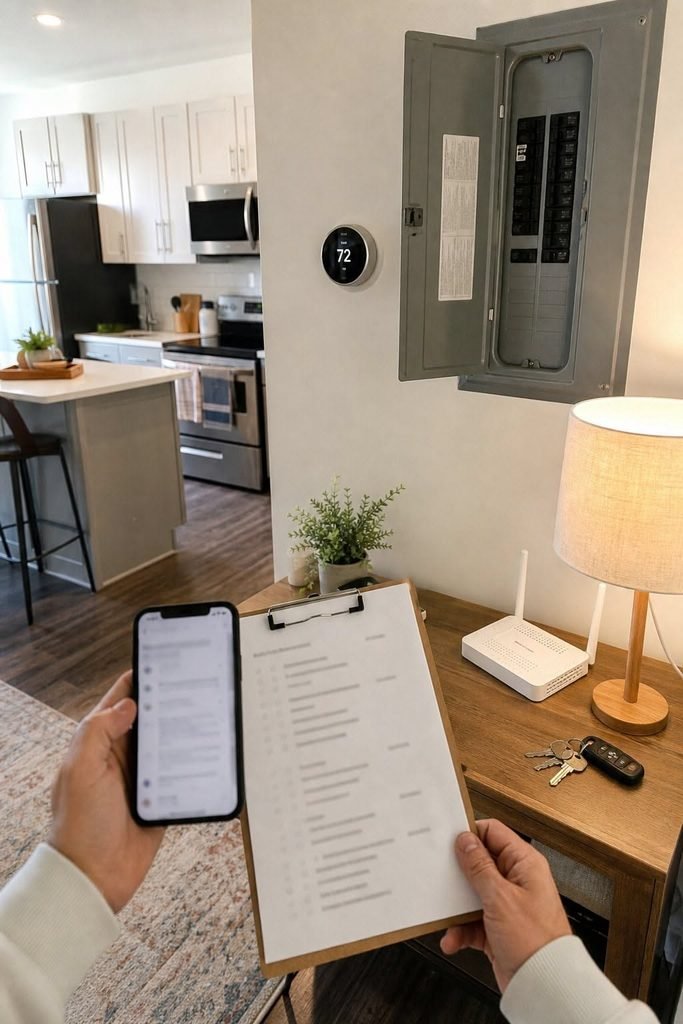
Know where your fire exits are, test smoke and carbon monoxide detectors, and never block exits or stairwells with storage. Keep a copy of important contacts, like the landlord, maintenance line, and emergency services, somewhere you can find them quickly.
For repairs, report problems in writing, with photos, and keep copies. Follow the process in your lease, and give your landlord reasonable time to respond, except in emergencies like a gas smell or serious flooding.
Basic upkeep, such as airing out the bathroom, wiping up moisture, and not overloading outlets, prevents many common problems, including mold and pests.
Your First 30 Days Checklist
| When | What to Do |
|---|---|
| Before move-in | Set up utilities and internet, buy renters insurance, measure furniture and paths, reserve the elevator if needed |
| Move-in day | Photograph every room and flaw, complete the move-in checklist, pack a first-night box, test smoke detectors |
| Week 1 | Deep clean, set up bed, seating, and lighting, update your address, learn the trash and package rules |
| Weeks 2 and 3 | Add storage, hang curtains and removable decor, set up your work spot, meet a few neighbors |
| Week 4 | Review your budget with real utility bills, note any repairs to report, decide what furniture you still need |
18. Avoid the Mistakes Almost Every Beginner Makes
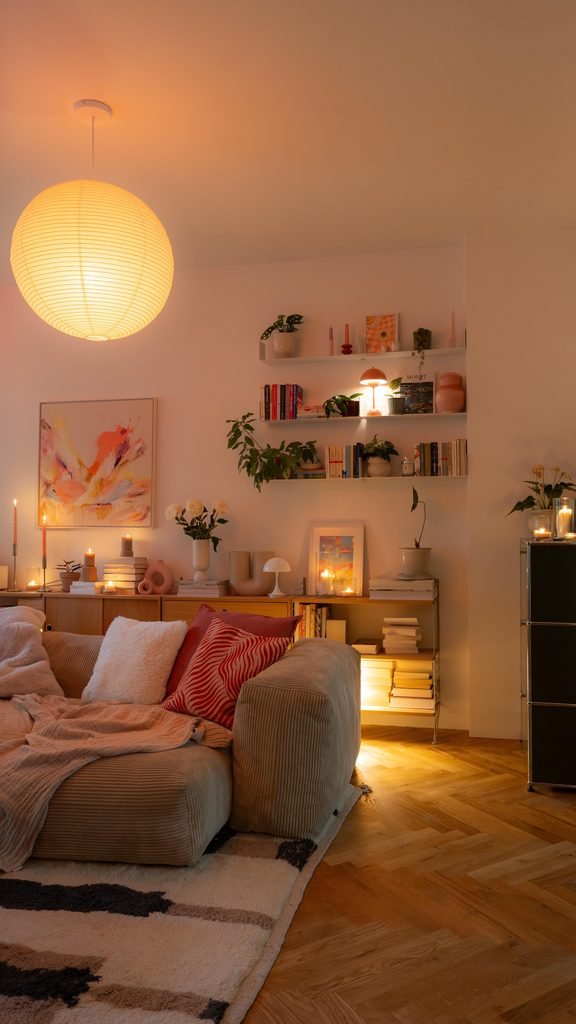
The most common ones: not reading the lease, skipping move-in photos, ignoring hidden costs, buying furniture before measuring, and paying for too much space or too little.
Another is forgetting that a lease is a commitment, so don’t sign just because a place looks nice in a photo.
It also helps to think seasonally. Easy swaps like cozy throws and warm lighting make a place feel fresh, and my fall apartment decor ideas and small apartment Christmas decor guides show how to do it without clutter.
Finally, when it’s time to move out, clean thoroughly, take new photos, return keys as required, and keep copies of everything. It’s the best way to protect your deposit.
If I Were Starting My First Apartment Over
I’d read the lease line by line, photograph every flaw on move-in day, buy renters insurance before the first night, and set a budget with a cushion for surprises.
I’d furnish slowly, starting with a good bed, one comfortable seat, and warm lamps, and I’d learn what I actually needed before buying the rest. That alone would have saved me hundreds of dollars and a lot of stress.
Apartment living for beginners isn’t about doing everything perfectly, it’s about knowing what to check, what to document, and what to ask. Once you’ve got the basics down, the rest is the fun part: making a small space feel like home, one thoughtful choice at a time.
FAQs
How much rent can I afford as a beginner?
A common rule of thumb is about 30 percent of your gross monthly income, but it depends on your city, debts, and other costs. Count utilities, insurance, and other recurring fees before deciding.
What should I look for when touring an apartment?
Check water pressure and hot water, outlets, windows, signs of moisture or pests, cell reception, noise, laundry access, and heating and cooling. Visit at the time of day you’ll be home, and ask current tenants about the building if you can.
Do I really need renters insurance?
Your landlord’s policy typically covers the building, not your belongings, so renters insurance helps protect your things and often includes liability coverage. Many leases require it, and it’s usually inexpensive.
How do I protect my security deposit?
Document the apartment’s condition with dated photos on move-in day, keep copies of the checklist, report damage promptly, and clean thoroughly and photograph again before you leave. Rules about deposits vary by location, so check local laws.
Can I decorate or paint a rental apartment?
Often yes within limits, but check your lease first. Use removable hooks, tension rods, rugs, and peel-and-stick options tested in a hidden spot, and ask your landlord before painting or making any permanent changes.
How should I handle a noisy neighbor?
Start with a polite, direct conversation or note. If it continues, document the issues and contact your landlord or property manager, following the process in your lease. If you ever feel unsafe, contact the appropriate authorities.








Leave a Reply