
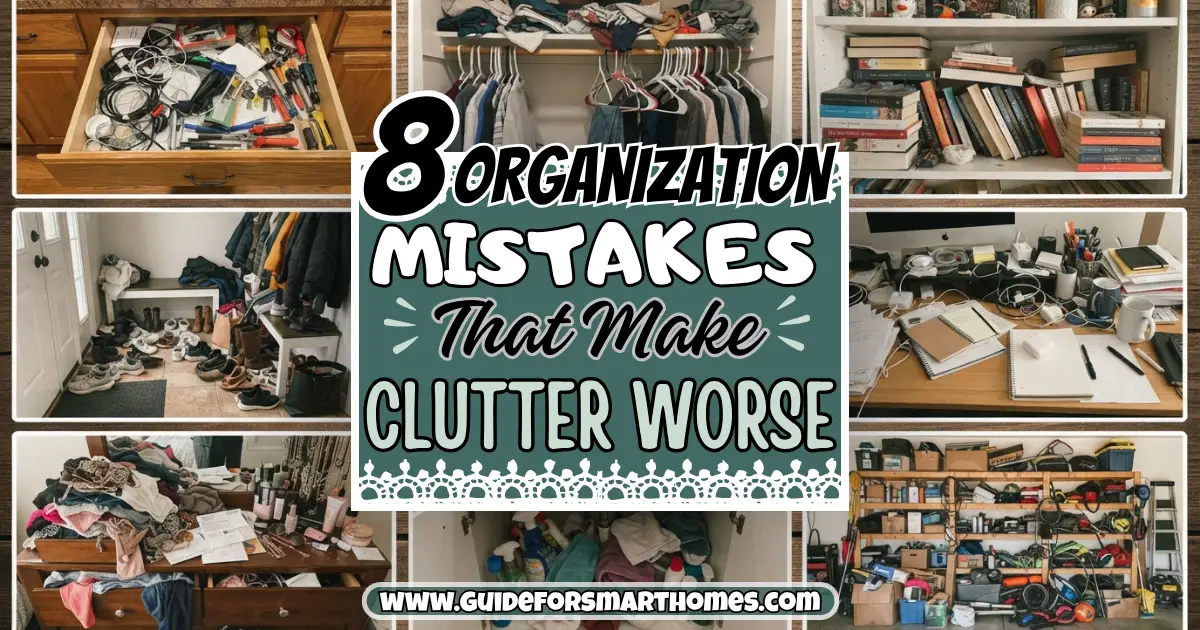
A few years ago I built what I thought was the perfect pantry system. Color-coded bins, nineteen labels, a chart on the inside of the door explaining where everything went. It took me an entire Sunday. By Thursday my partner had put the pasta in the “baking” bin because the chart was too complicated to check, I’d stopped following it myself, and the pantry looked worse than before because now it was messy and covered in labels.
That’s the thing nobody warns you about: you can organize your way into more clutter. The organization mistakes that make clutter worse aren’t about laziness. They’re usually good intentions applied in the wrong order, or systems built for a version of your life that doesn’t exist. I’ve made almost every one of them, and I’ve watched friends make the rest. If you want the full step-by-step on how to set up a home properly, my home organization ideas guide covers the basics, and this post is about what trips people up along the way.
Below are the eight mistakes I see most, each with why it backfires and a simple fix. There’s a quick “which mistake are you making” table in the middle, a cost table showing how much these mistakes can waste, and FAQs at the end. Prices are rough and vary by store, and every home is different, so use this as a diagnosis rather than a rulebook.
Mistake 1: Buying Organizers Before You Declutter

This is the big one, and it’s the most tempting. You feel overwhelmed, so you go shopping for bins, baskets, and shelving, because buying something feels like progress. But if you haven’t sorted what you own, you’re just buying containers for things you may not even want.
The result is a neater version of the same problem, plus a pile of empty bins in the corner when you realize they’re the wrong size. The fix is to declutter first, always. Get rid of what you don’t use, then measure what’s left, and only then buy storage for what you’re keeping. My guide on how to declutter your home walks through exactly how to do that step.
Pro tip: Make a rule that no organizer gets bought until the space is empty and wiped down. It’s a small speed bump that saves a surprising amount of money.
Mistake 2: Not Giving Every Item a Specific Home
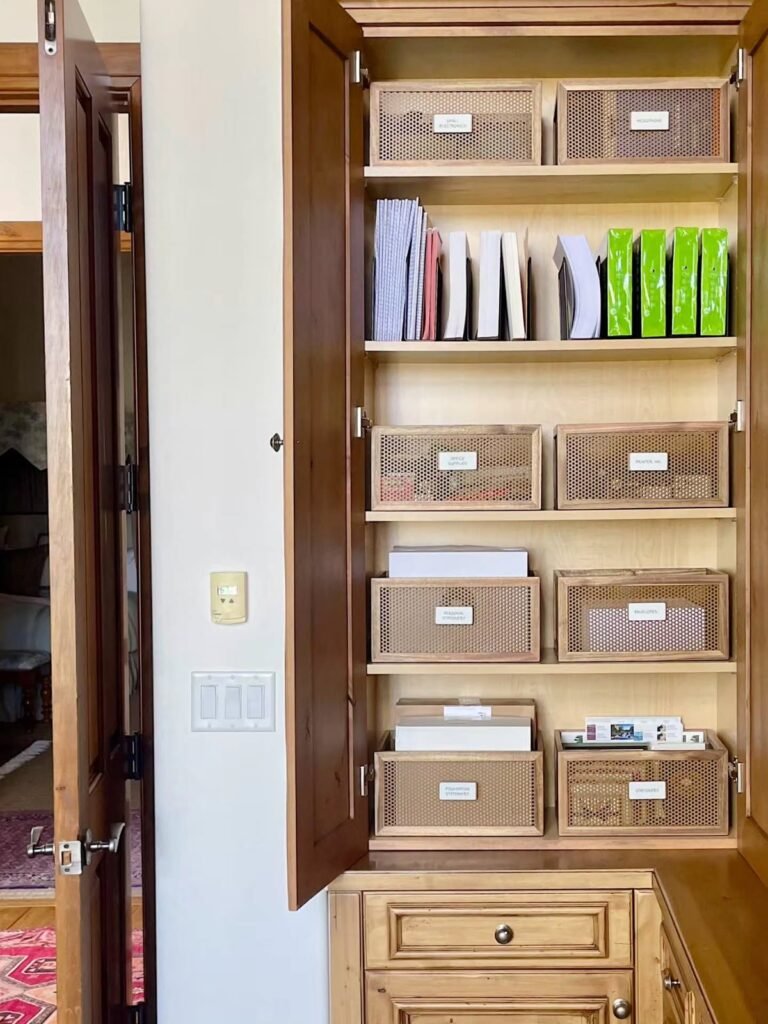
“Put it away” only works if there’s an away. When something has no real home, it ends up on the counter, the stairs, or a chair, and those surfaces slowly become permanent storage. A shelf of mixed items with no clear categories is a pile with better manners.
The fix is to assign a home to every category, and make it the first place you’d look. Keep things where you use them: scissors near the wrapping paper, chargers near the outlet where you use them. If you can’t decide where something lives, that’s a signal to question whether you need it.
Mistake 3: Buying a Matching Set Without Measuring
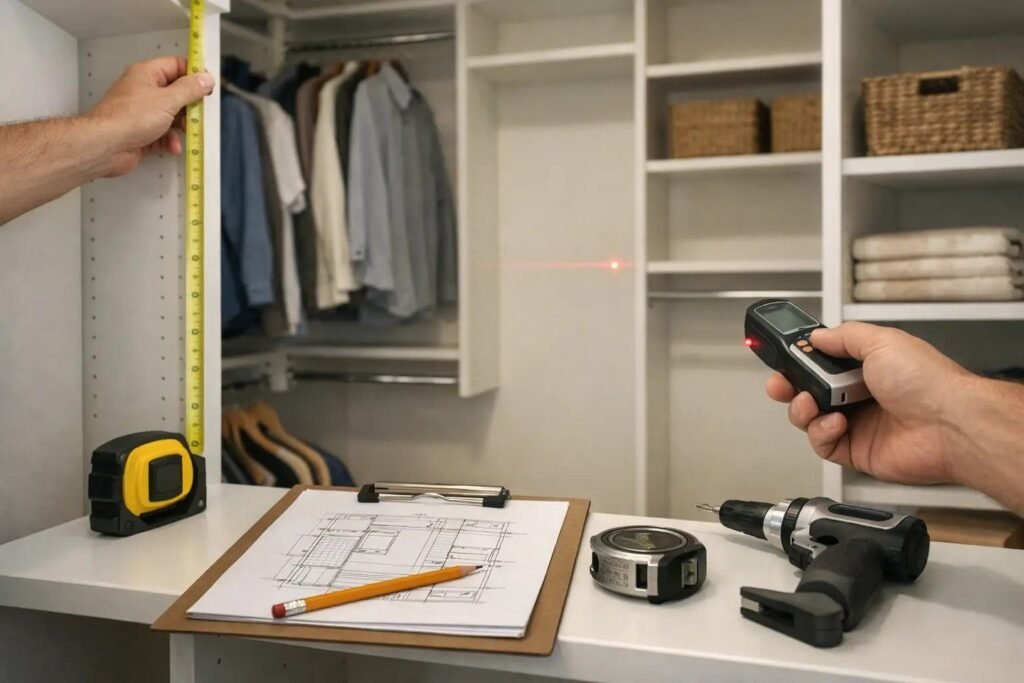
A beautiful set of matching bins looks incredible online, and then arrives and doesn’t fit your shelf. Or they fit the shelf but not the things you wanted to store. A friend of mine, Dalia, bought a set of twelve identical baskets for her closet and discovered, after unboxing them, that her shelves were an inch too narrow. She returned them, but she’d lost two weekends.
The fix is to measure the space, including the height, and the items you want to store, then buy one piece first to test. If you’re working on a closet and don’t want to overspend, my guide to closet organization on a budget shows how to build a system with a few well-chosen, inexpensive pieces instead of a full set.
Mistake 4: Moving Clutter Instead of Dealing With It

This is the sneakiest mistake. You clear the living room by putting everything in a box, and the box goes in the garage, the spare room, or the trunk of the car. The room looks great, but the clutter is still there, and now it’s hiding. Over time, these rooms turn into dumping grounds that nobody wants to face.
The fix is to make a decision about each item, not just a location. Keep, donate, sell, or toss, and if you truly need more time, put it in a labeled “maybe” box with a date. If your garage has become the catch-all, my guide to garage storage ideas shows how to take it back, so it’s a useful space instead of a graveyard.
Pro tip: Set a deadline of six months for any “maybe” box. If you haven’t opened it by then, you probably don’t need what’s inside.
Mistake 5: Building a System That’s Too Complicated
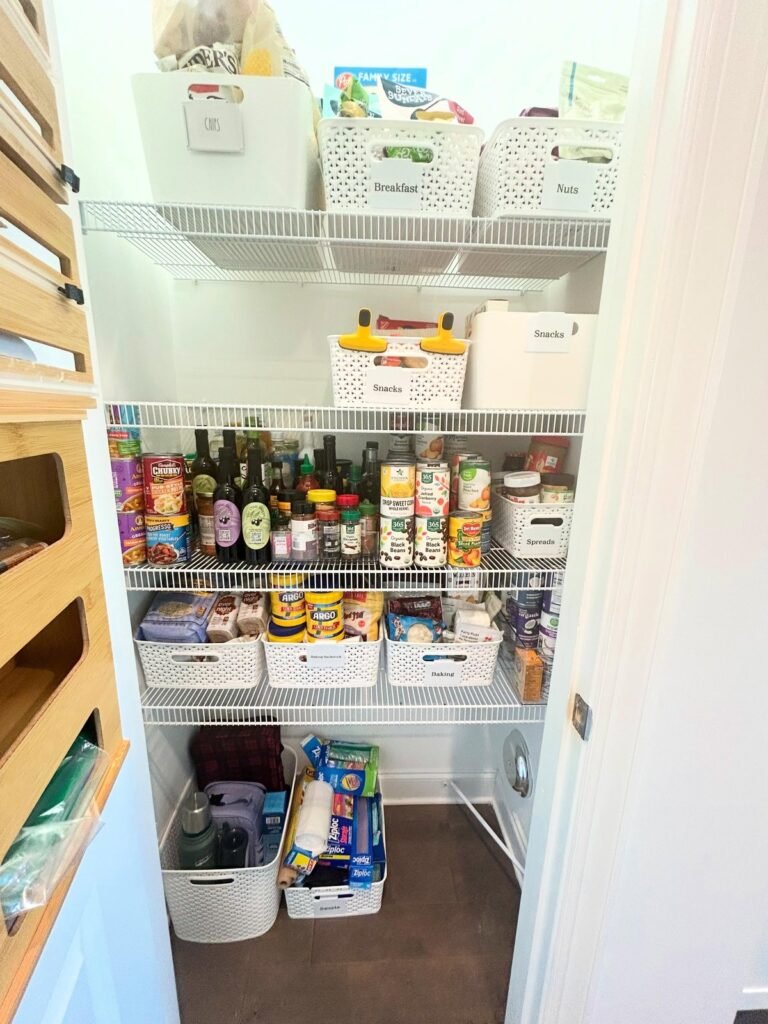
This was my pantry mistake. Nineteen labels, three colors, and a chart. It looked impressive, but it required more effort to follow than to ignore, and anyone who didn’t build it couldn’t use it. A system only works if it’s easier than not using it.
The fix is to simplify. Use broad categories (breakfast, snacks, baking) rather than dozens of tiny ones, and limit yourself to a few clear labels. If someone new to your home can figure out where things go without asking, it’s simple enough. A good test is whether it still works when you’re tired, rushed, or distracted.
Which Mistake Are You Making?
| What You Notice | Likely Mistake | Quick Fix |
|---|---|---|
| Lots of bins, still messy | Bought organizers before decluttering | Remove half the stuff first, then reassess |
| Surfaces covered in random items | No home for each item | Assign a spot for each category |
| Bins that don’t fit or stack | Bought without measuring | Measure, then buy one to test |
| A room or garage full of boxes | Moved clutter instead of deciding | Sort the boxes, set a deadline |
| Labels and charts nobody follows | System too complicated | Reduce to a few broad categories |
| Beautiful system that falls apart in a week | Built for an ideal you | Redesign around real habits |
| Only you can find anything | Ignored others in the home | Involve everyone, label clearly |
| Tidy for a week, then chaos | No maintenance routine | Add a 10-minute daily reset |
Mistake 6: Organizing for the Person You Wish You Were
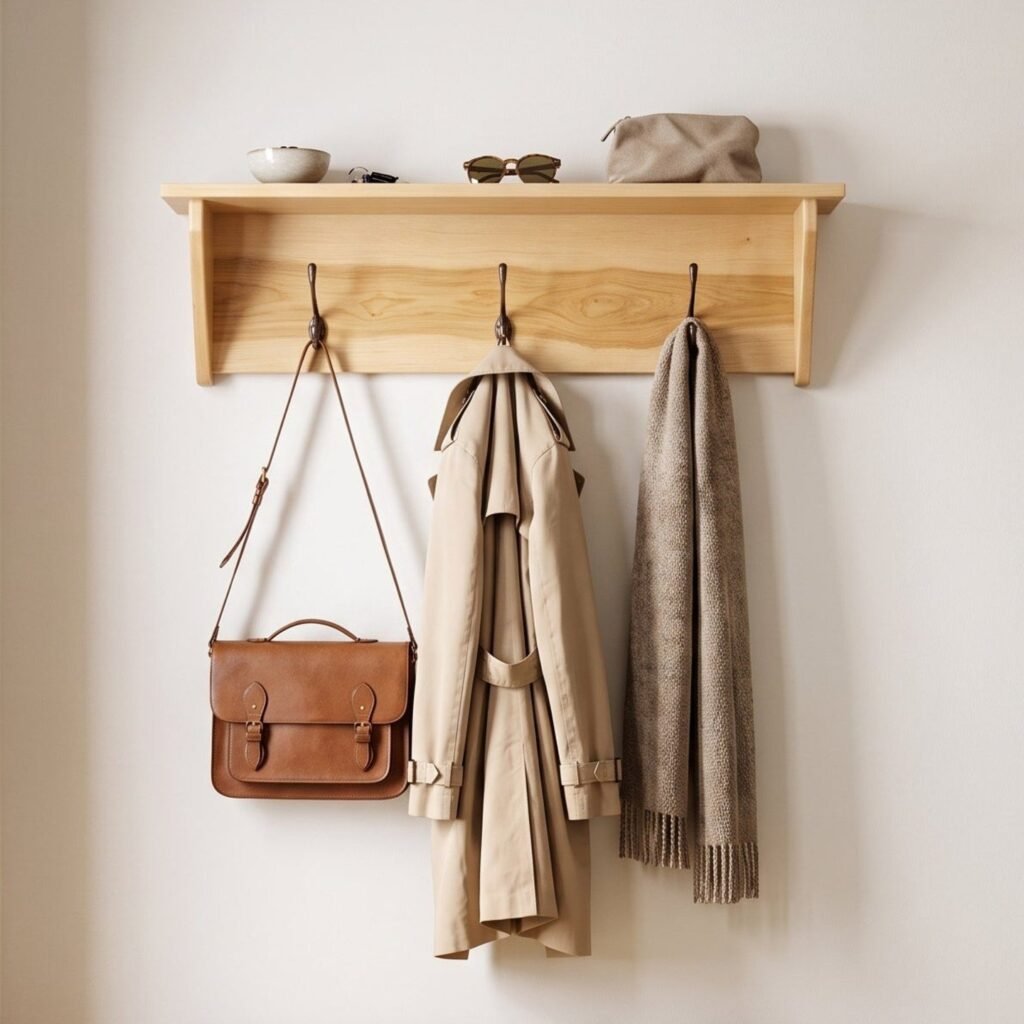
Many systems fail because they assume a more disciplined version of you. Folding every shirt perfectly, hanging up every coat, washing every dish immediately. If you’ve never done these things consistently, a system that depends on them won’t hold.
The fix is to build around your real habits. If you throw your coat on a chair, put a hook right above the chair. If you’re a piler, use open bins instead of lids. Make it easy to do the right thing, and slightly harder to do the wrong one. The goal isn’t a perfect house, it’s a house that works with the way you actually live.
Mistake 7: Ignoring the Other People in Your Home

A system that only one person understands is a system that will break. Partners, kids, and roommates will put things where they think they go, which is rarely where you decided. Then you spend your evenings re-organizing everyone else’s choices, which is exhausting and breeds resentment.
The fix is to involve them. Ask where they’d look for things, give each person a bin or a shelf of their own, and use clear, simple labels. Kids do best with low shelves and picture labels. A small, shared system that everyone follows beats a perfect one that only works for you.
Mistake 8: Treating Organization as a One-Time Project
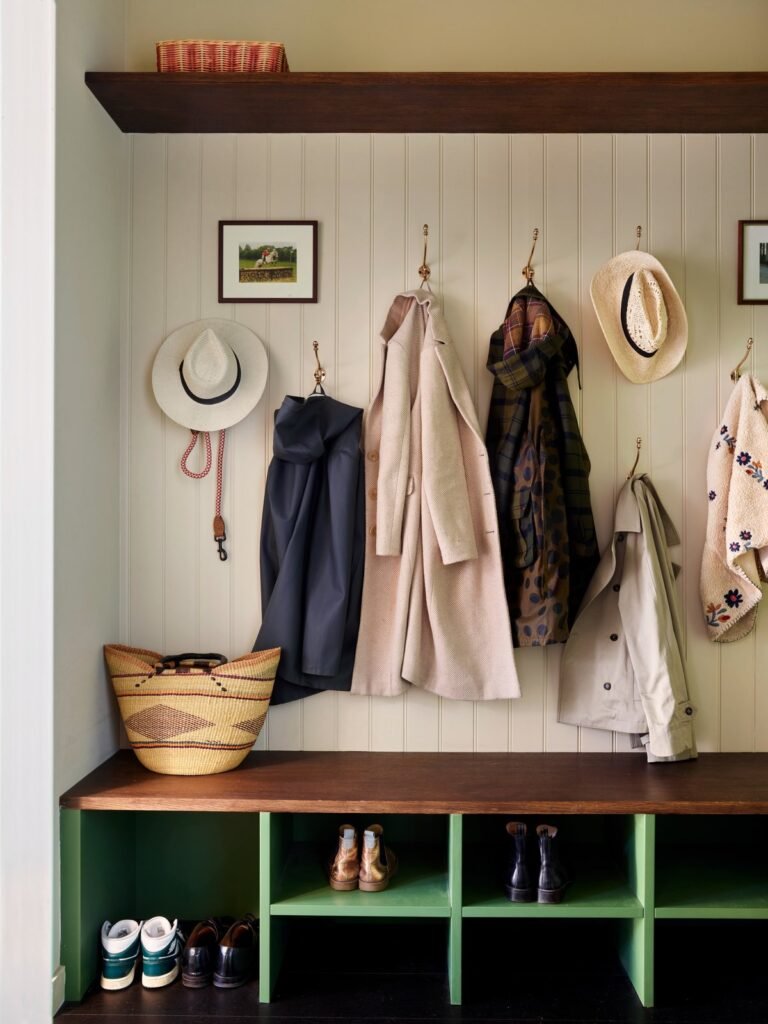
The big weekend purge feels satisfying, but it’s rarely lasting. Without a maintenance routine, clutter slowly returns, because new things come in and nothing goes out. Then you’re back to square one a few months later, tired and discouraged.
The fix is to replace the marathon with small habits: a ten-minute evening reset, a quick weekly tidy, and a monthly look at one drawer or shelf. If you want simple routines that keep clutter from returning, my clutter-free home tips cover easy habits that fit into a busy week.
What These Mistakes Can Cost You
| Mistake | Typical Waste | Cheaper Move |
|---|---|---|
| Buying bins before decluttering | $50-200 in unused containers | Declutter first, then buy only what’s needed |
| Buying matching sets unmeasured | $30-150 plus return hassle | Measure and test one piece |
| Over-engineered label systems | $20-60 on label supplies and time | Masking tape and a marker |
| Storing clutter in a rented unit or garage | Ongoing monthly fees or lost space | Sort it and donate or sell |
| Redoing the system every few months | Hours of time and repeat purchases | Build around habits and maintain it |
These are rough numbers, but they add up. Avoiding even two or three of these mistakes can save a few hundred dollars and a lot of frustration over a year.
How to Get Back on Track if You’ve Made Some of These Mistakes

You haven’t failed, you’ve learned how your home works. Start by picking the spot that bothers you most, take everything out, and sort it with a simple keep, donate, trash, and relocate system. Return only what you use, give it a clear home, and use bins you already own before buying new ones.
Then set one tiny habit, like a ten-minute evening reset, and let that run for a couple of weeks before changing anything else. The goal is steady progress, not a dramatic overhaul. Most people see a real difference within a month.
What I’d Do Differently if I Started Over
I’d skip the shopping and the chart, and begin with one shelf, a trash bag, and a donation box. I’d give each category a home, label it simply, and ask the people I live with where they’d look for things. That would cost close to nothing and would have saved me the Thursday where the pasta ended up in the baking bin.
The organization mistakes that make clutter worse all come down to the same thing: starting with products, systems, or ideals instead of starting with the stuff and the people who actually use it. Declutter first, keep it simple, build around your habits, and make it easy for everyone. That’s what keeps a home calm, long after the weekend of effort is over.
FAQs
What are the most common home organization mistakes?
Buying organizers before decluttering, not giving items a specific home, buying storage without measuring, moving clutter instead of sorting it, and building systems that are too complicated to follow.
Why does my home get messy again after I organize it?
Usually because there’s no maintenance routine, or the system doesn’t fit your habits. Small daily resets and a simple, easy-to-follow setup keep clutter from returning.
Should I buy storage bins before or after decluttering?
After. Declutter first so you know what you’re keeping, then measure the space and buy only the bins you need.
How do I know if my organization system is too complicated?
If other people in your home can’t use it without asking you, or if you stop following it when you’re tired or busy, it’s probably too complicated. Simplify to a few broad categories and clear labels.
How do I get my family to follow an organization system?
Involve them in setting it up, give each person their own spot, and use simple labels, with pictures for young children. Keep the rules easy and be patient as habits form.
How long does it take to see results from decluttering and organizing?
Small spots can look better in under an hour, and most people notice a real difference in a few weeks of small daily habits. Lasting change comes from routines, not one big session.









Leave a Reply