
The first time I tried the KonMari method, I did it wrong in a way that turned out to be educational. I piled every piece of clothing I owned onto my bed, just like the method says, and then I stood there holding a gray sweatshirt for a full ten minutes, trying to feel something. Joy? Not really. But I wore that sweatshirt three days a week, and I definitely wasn’t going to donate it. That’s when I realized the method is more flexible, and more useful, than the internet makes it sound.
If you’re curious about the KonMari method at home but a little intimidated by the “does it spark joy” part, this guide is for you. KonMari is an approach to tidying developed by Japanese organizing consultant Marie Kondo, and it became hugely popular for a reason: it changes the order in which you tidy, not just the amount. Instead of organizing room by room, you go through your belongings by category, and you decide what to keep before you think about where it goes. If you want a broader look at decluttering in general, my guide on how to declutter your home is a helpful companion.
Below is a beginner-friendly walkthrough, in my own words, of the main steps, the category order, folding, storage, and how to adapt it to small spaces, renters, and busy families. I’ve also included an honest look at where the method falls short. There are three tables and a set of FAQs at the end. This guide is a simplified overview from my own experience, so if you want the full original approach, Marie Kondo’s own books and shows are the best source.
What the KonMari Method Is (and What It Isn’t)

At its heart, KonMari is a process for deciding what belongs in your home by paying attention to how each item makes you feel, then giving everything you keep a clear place to live. It isn’t about owning as little as possible, and it isn’t a minimalism contest. It’s about keeping the things you value and letting the rest go, thoughtfully.
It also isn’t a quick fix. The method is designed as a focused effort, often over weeks or months, after which your home stays tidy because you’ve changed your relationship with your belongings. Whether or not that happens for you, the process can teach you a lot about what you actually use and love.
Pro tip: You don’t have to follow the method perfectly. Take the parts that help you, and ignore the ones that don’t suit your life.
The Core Ideas in Plain English
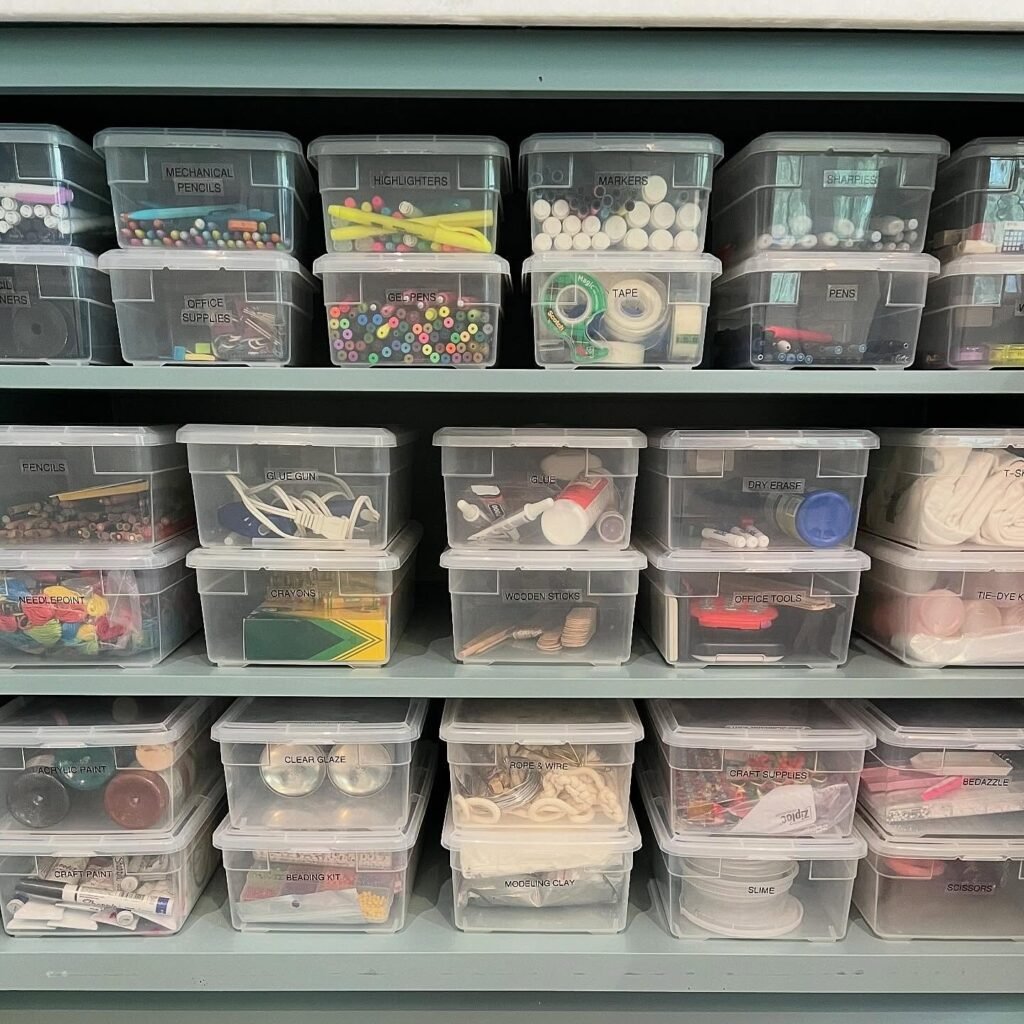
There are a handful of main ideas. First, tidy by category, not by room, so you see the full amount of what you own. Second, keep the things that spark joy, which is a way of saying “the things you truly like or value.” Third, discard before you organize, since storage comes after you know what you’re keeping. And fourth, give every item a home, so that putting things away is easy.
There’s also a lighter, almost ceremonial side, like thanking items before you let them go, which some people love and others skip. You’re allowed to do either.
Step 1: Commit and Picture the Life You Want

Before you touch anything, take a few minutes to imagine how you want your home to feel. Calm and open? Cozy and uncluttered? Easy to clean? Write it down in a sentence or two. That picture becomes your guide when you’re stuck on a decision.
It also helps to decide when you’ll do it. KonMari works best when you carve out regular blocks of time, rather than squeezing it in between other tasks. A weekend morning or a couple of evenings a week often works well.
Step 2: Discard First, Organize Later
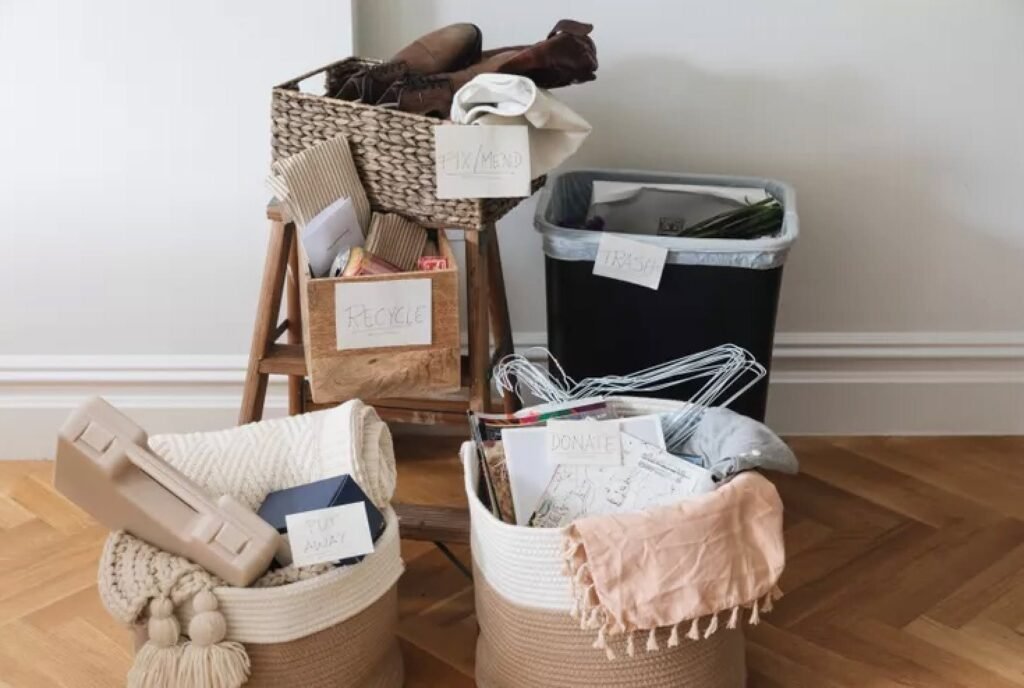
One of the biggest differences from other approaches is the order. You sort and let go of items before buying containers or planning storage. That prevents the common trap of spending money on organizers for things you don’t need.
Bring boxes or bags for donating, selling, and recycling, and plan how you’ll get items out of the house quickly, so they don’t pile up by the door. Try to donate usable items to a charity or pass them to friends, and recycle textiles and electronics responsibly where programs exist.
Step 3: Tidy by Category, Not by Room
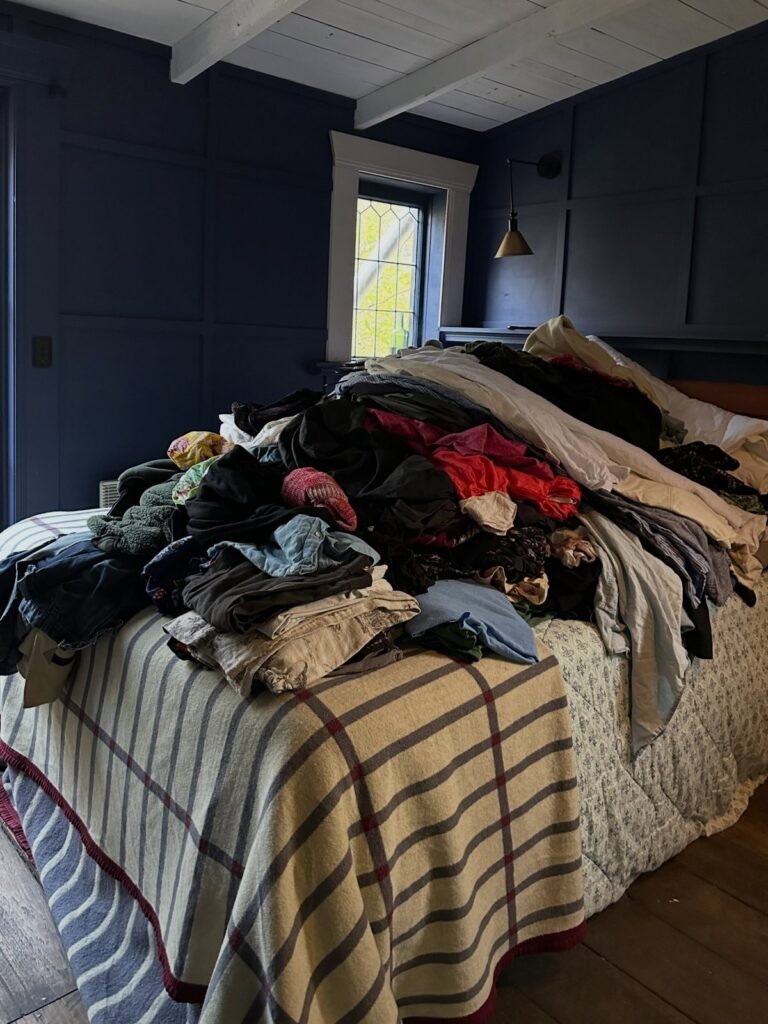
This is the heart of the method. Instead of doing the bedroom, then the kitchen, you gather every item in a category from all over the house into one place. That’s how you discover you own nineteen black T-shirts or twelve half-used notebooks. Seeing the whole pile makes decisions easier and reduces duplicates.
The KonMari Category Order at a Glance
| Order | Category | What’s Included | Why This Spot in the Order |
|---|---|---|---|
| 1 | Clothes | Everything you wear, plus bags, shoes, and accessories | Easier to decide than sentimental items, builds skill |
| 2 | Books | All books and magazines | Slightly more attachment, still manageable |
| 3 | Papers | Documents, mail, manuals, notes | Mostly practical decisions |
| 4 | Komono (miscellaneous) | Kitchen, bathroom, tools, hobby gear, electronics, and everything else | Biggest and most varied group |
| 5 | Sentimental items | Photos, gifts, keepsakes, memorabilia | The hardest, so it comes last |
Step 4: Start With Clothes
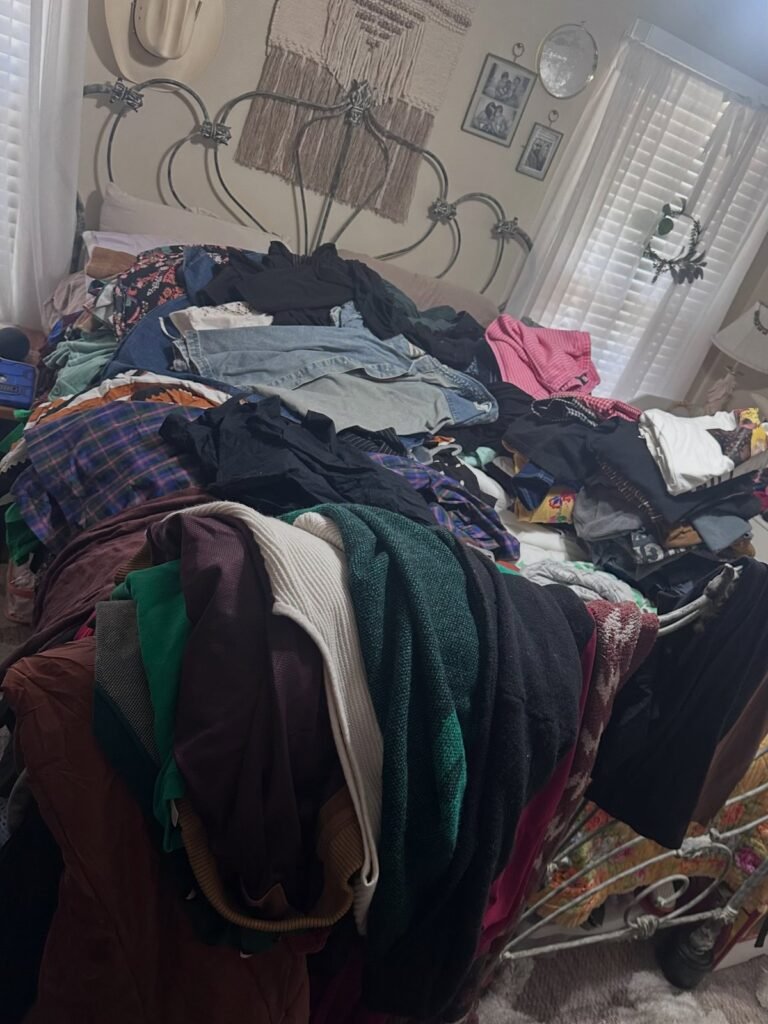
Gather every piece of clothing you own onto one surface, like your bed or the floor. That includes the closet, drawers, laundry, coats, and anything stored away. Seeing the full mountain is often a wake-up call. Then pick up each item, one at a time, and ask whether you like it and want to keep it. If yes, keep it. If not, thank it and let it go.
It’s fine to adapt “sparks joy” to your reality. You can keep plain, useful clothes you like wearing, such as a favorite pair of leggings, as long as they serve you. My gray sweatshirt stayed. If your closet is tiny, my guide to closet organization on a budget shows how to set up a small closet with simple, inexpensive tools after you’ve decided what stays.
Step 5: Learn the Vertical Folding Technique
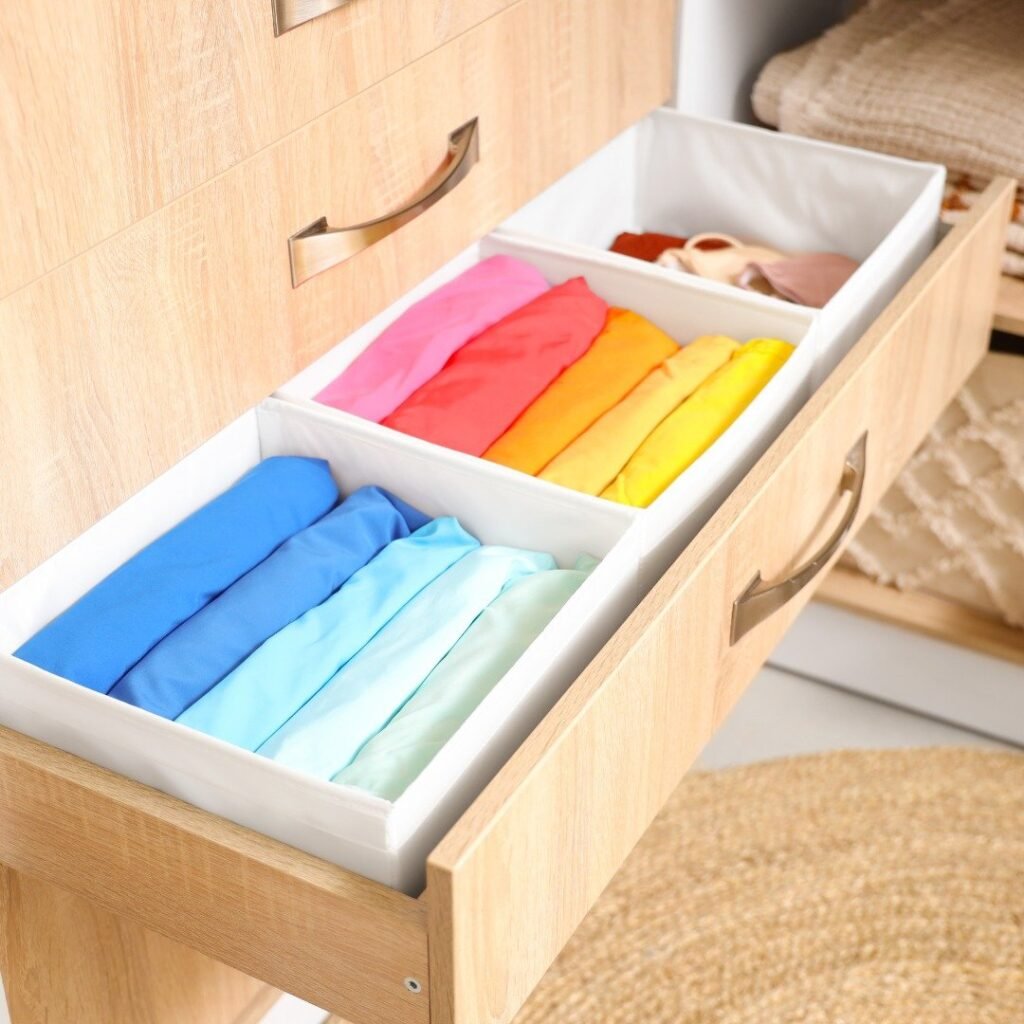
KonMari is famous for its folding method, in which clothes are folded into small, firm rectangles and stood upright in a drawer, so you can see each piece at a glance. Instead of a stack where you only see the top item, you see everything, and nothing gets crushed at the bottom.
To try it, lay a shirt flat, fold the sides into the middle, then fold the garment in half or thirds until it stands on its own. Test it by standing it on its edge. If it holds, you’re good. It takes a bit of practice, and it often saves a surprising amount of drawer space.
Step 6: Hang Clothes Thoughtfully

For items you hang, group like with like, such as jackets together, dresses together, and tops together. Many people arrange them so heavier or longer items sit on one side and lighter ones on the other, which creates a pleasing, rising line. It’s partly practical and partly a mood booster, since an orderly closet is nicer to open each morning.
Switching to matching hangers also helps, as they take up less space and give the closet a cleaner look.
Step 7: Move On to Books
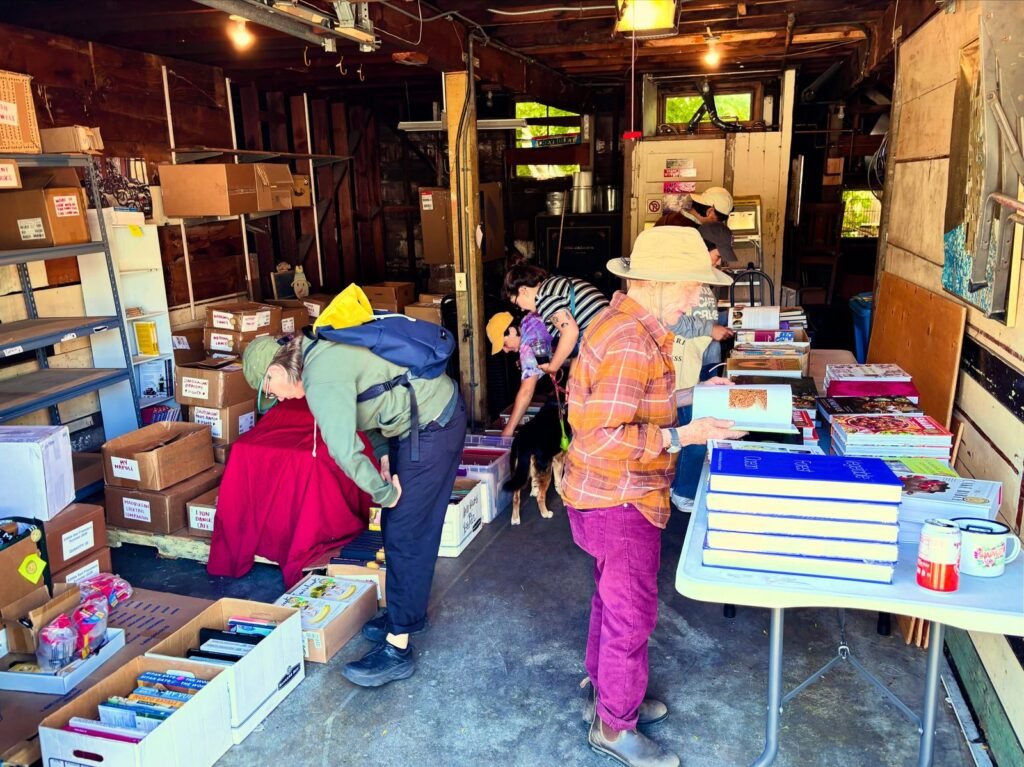
Gather all your books in one pile, including cookbooks, novels, and anything on a shelf or in a box. Pick each one up and ask whether you love it, plan to read it, or use it. Books you’ll never read, or that you kept out of guilt, can go to a library, a friend, or a used bookstore.
Don’t be surprised if you keep more books than clothes. For many people, books are a source of real joy, and that’s exactly what the method is meant to protect.
Step 8: Tackle Papers Gently
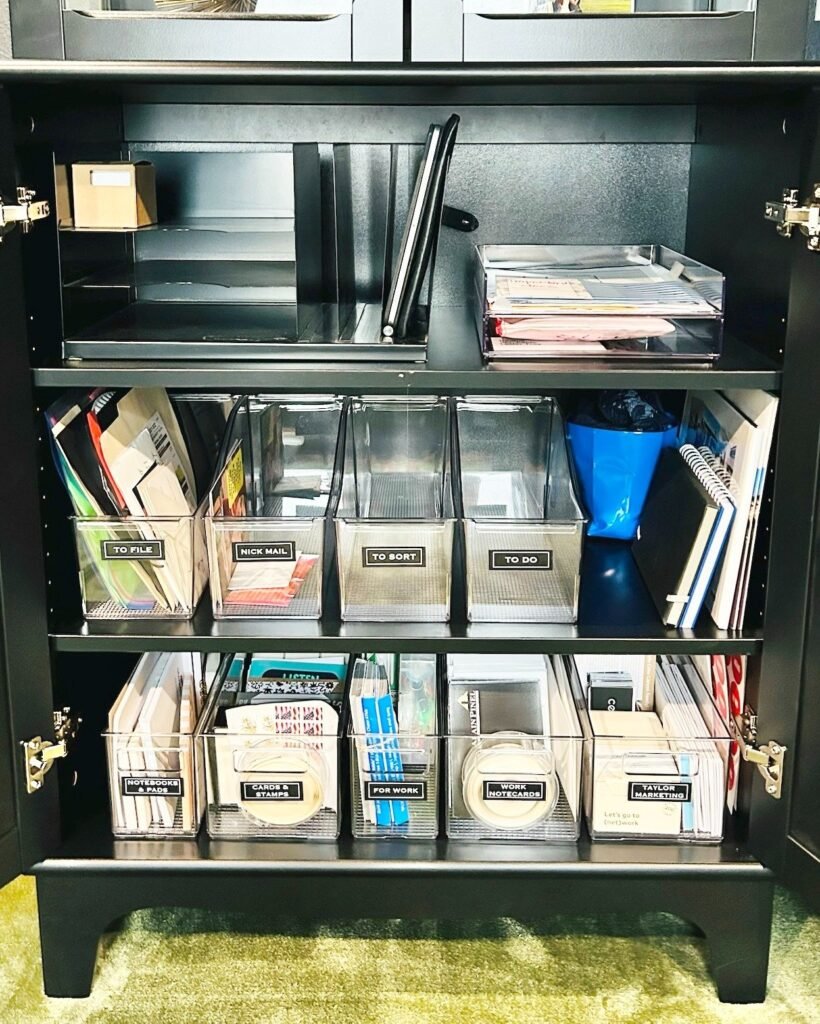
Papers are boring but important. Gather all of them, then sort into three simple groups: things you need to act on, things you must keep (like contracts and tax documents), and everything else. You can recycle most of the rest, and many manuals and statements are available online if you need them.
Shredding anything with personal information is a good idea. Keep the must-keep pile in one small folder or box, so you always know where to look.
Step 9: Work Through Komono, the Miscellaneous Everything
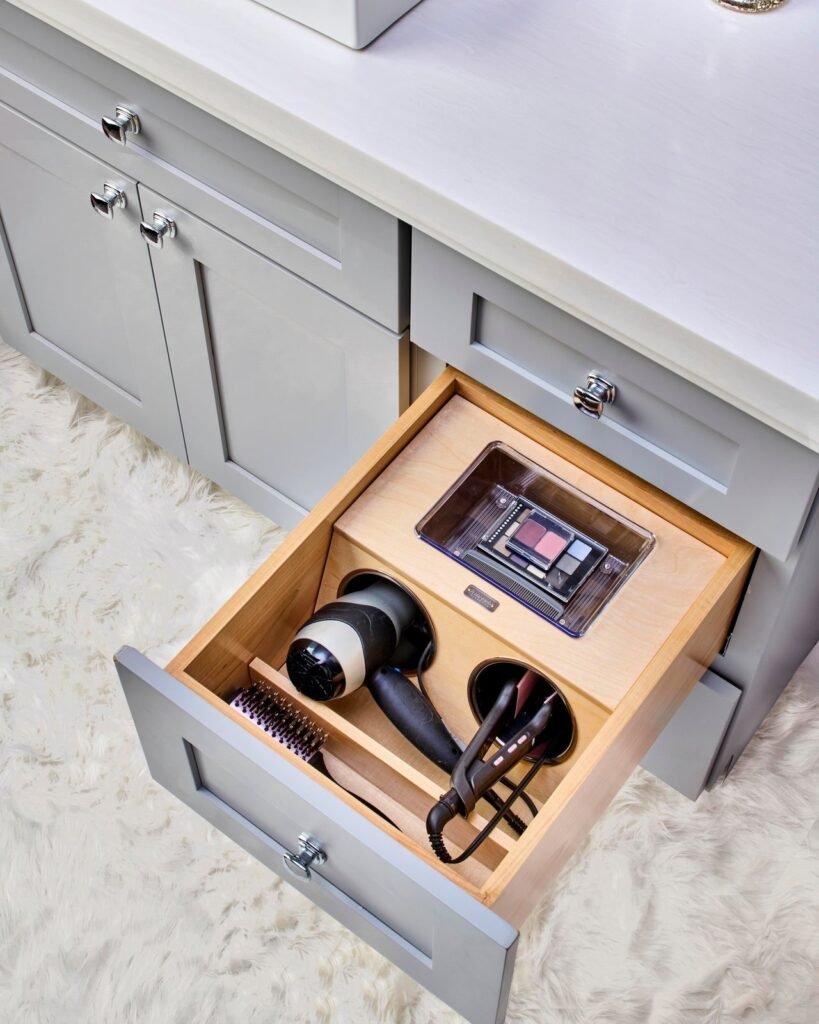
Komono covers everything else, and it’s usually the biggest category. Break it into smaller groups, like kitchen items, bathroom supplies, tools, electronics, hobby gear, and cleaning products. Go through each group the same way: gather, hold, decide.
This is where the small, annoying places show up. If you’ve been avoiding a drawer full of random odds and ends, my guide to how to organize a junk drawer shows how to sort it in under an hour. A friend of mine, Imani, found that doing komono by subcategory, one a day, made it feel manageable.
Step 10: Approach Sentimental Items Last

By the time you reach sentimental items, you’ve practiced making decisions about everything else, which makes them easier. Photos, letters, gifts, and keepsakes all go here. Take your time, and don’t push yourself if it feels like too much in one session.
A good approach is to keep the items that truly bring back warm memories and display or store them with care, rather than letting them live in a dusty box. For things you keep out of guilt, such as a gift you never liked, it’s okay to thank the thought and let the object go.
Step 11: Choose Storage After You’ve Decided What Stays
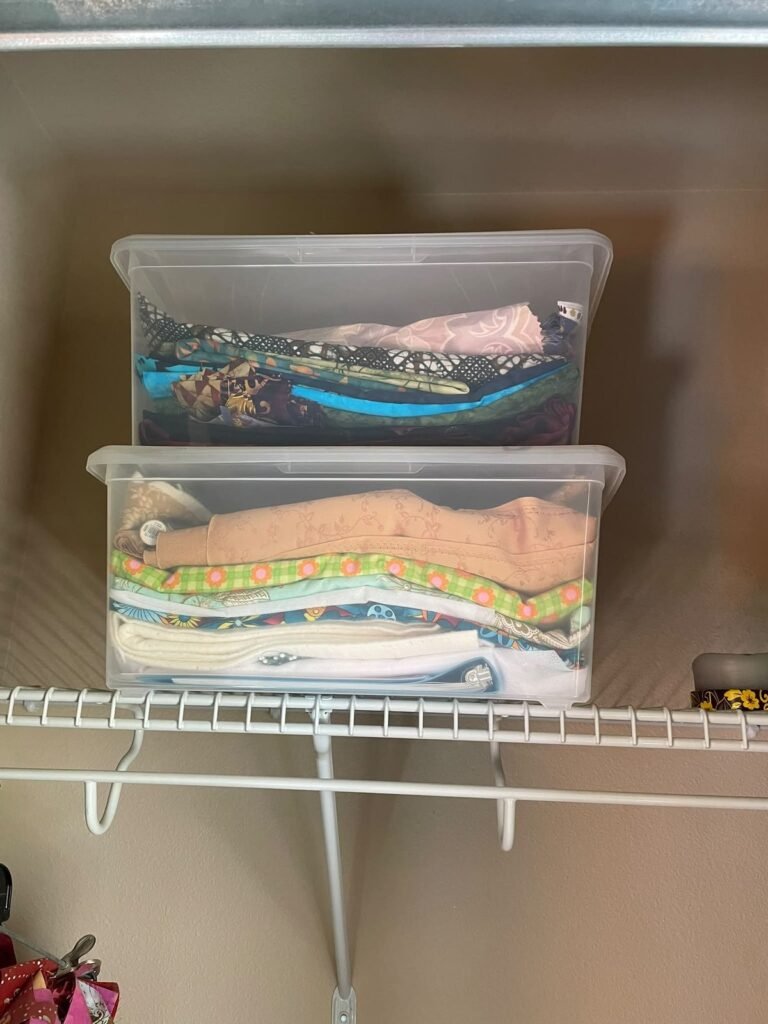
Once your belongings are down to what you want, think about where everything goes. Group like items together, store things upright where you can see them, and avoid stacking too many layers. You may find you need very little new storage, since you now own much less.
Before buying anything, try using boxes, baskets, or containers you already have. Small boxes are great as drawer dividers, and a shoebox works well for cords or small supplies. Only buy more after you’ve measured and tested what you own.
Step 12: Say Thanks, if It Helps You

One of the more distinctive parts of the method is thanking items for their service before letting them go. It might sound odd, but many people find it helps them release guilt, especially about gifts or items they bought and never used. If it feels silly, skip it. The goal is to let go without shame, and you can do that in your own way.
A Realistic Timeline for a Typical Home
| Category | Rough Time for One Person | Tips |
|---|---|---|
| Clothes | 1-2 days or a few evenings | Gather everything, tidy in one session if possible |
| Books | A few hours | Use a donation box right by the pile |
| Papers | A few hours to a day | Shred and recycle as you go |
| Komono | Several days to weeks | Do one subcategory at a time |
| Sentimental items | A few hours to several days | Take breaks, and don’t rush |
Times will vary with the size of your home, how much you own, and how many people are involved. Treat these as rough guides, and work in sessions that feel doable.
Adapting KonMari for Small Spaces, Renters, and Busy Families
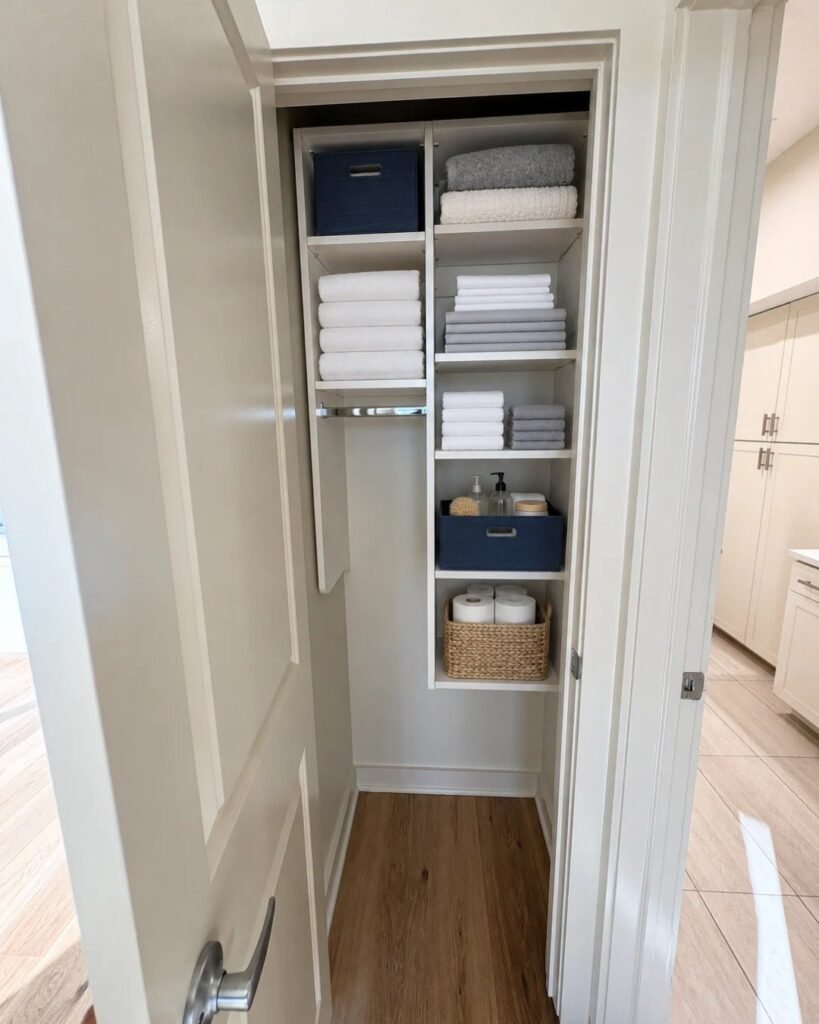
In a small space, the category approach is especially helpful because you can see everything at once, and it highlights duplicates fast. Renters can do the whole process without drilling or buying anything permanent. Families can adapt by letting each person handle their own belongings, with an adult helping children, and by tackling shared spaces together.
If you’re short on time, split the process into smaller chunks. Do one category over several weeks, or tidy one category per weekend. A slower, steady approach is more realistic than one big marathon, and it tends to last longer.
An Honest Look at Where KonMari Falls Short

No method is perfect. “Spark joy” can feel strange for practical things like tax paperwork, cleaning supplies, or a good wrench, which you need even if they don’t thrill you. The method can also lead to over-discarding, where you let go of something and later have to buy it again, so be a little cautious with items that are expensive to replace.
It can also be time-intensive, and it may not suit a home with many people who don’t share your goals. And discarding a lot at once raises real environmental questions, so donate, sell, and recycle responsibly rather than sending everything to the trash. If the full approach feels like too much, a gentler, room-by-room method, or a short daily routine, can also work well.
KonMari Compared With Other Approaches
| Approach | Best For | Time Commitment | Main Strength | Main Drawback |
|---|---|---|---|---|
| KonMari (by category) | People wanting a full reset | High, over weeks | Reveals how much you own, reduces duplicates | Can feel overwhelming |
| Room by room | Beginners, small spaces | Medium | Easy to start and finish | Items move between rooms |
| 15 minutes a day | Busy people | Low per day | Steady progress, low stress | Slow results |
| One-in, one-out | Maintaining an organized home | Very low | Prevents new clutter | Doesn’t tackle existing clutter |
Keeping Your Home Tidy After KonMari
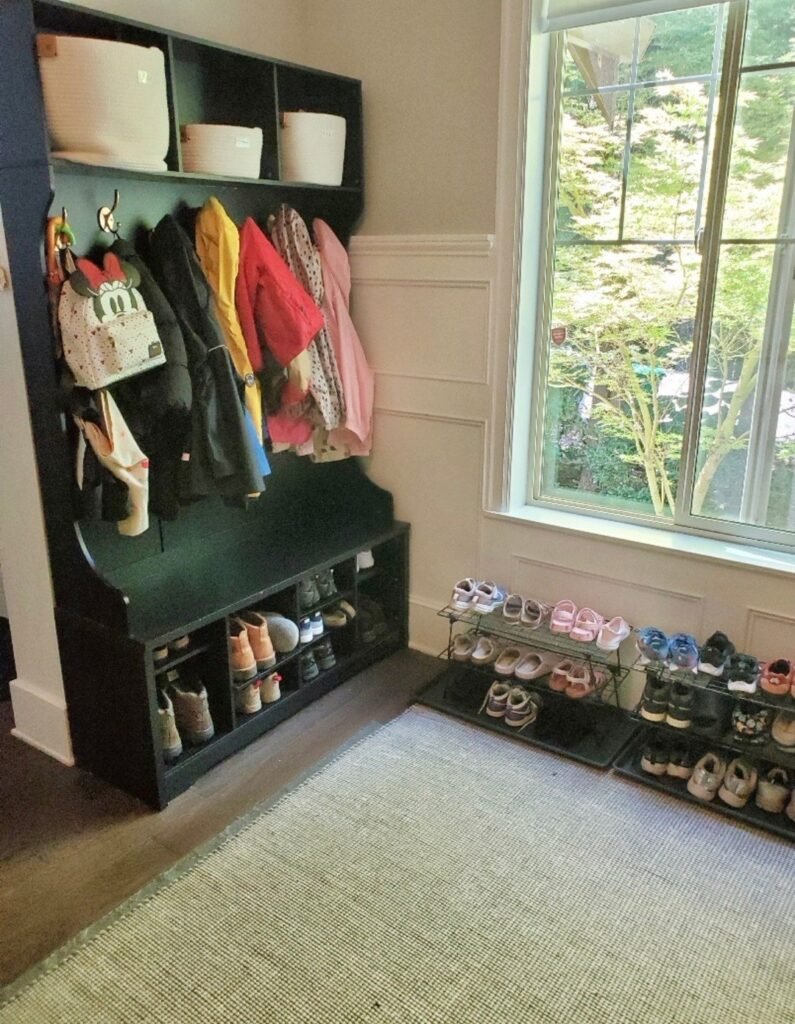
The method isn’t over once the big sort is done. Put things back right after using them, since every item now has a home. Do a quick reset each evening, and think twice before bringing new things in. A small weekly check, and a monthly look at one area, keeps things from creeping back.
If you want practical routines to pair with the method, my clutter-free home tips cover simple habits that keep a tidy home tidy, even during busy weeks.
What It Costs to Do KonMari at Home
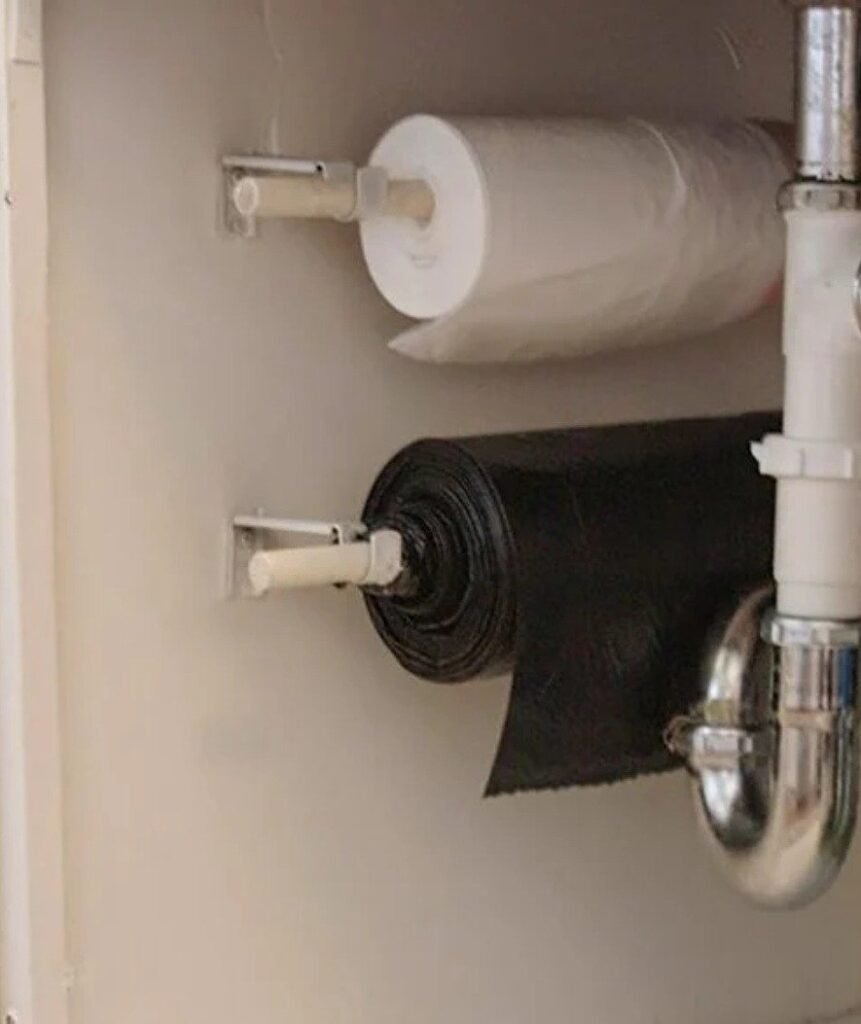
The nice part is that the method itself costs almost nothing. A few trash bags, boxes for donations, a marker, and some tape are usually all you need to start. You may spend a little on dividers or baskets afterward, but only if your sorted belongings truly need them.
You might even earn money by selling items you let go of, which can offset costs for any storage you do buy. A realistic budget for most people is under $50 to start and under $100 for any storage you decide to add after sorting.
If I Were Starting KonMari From Scratch
I’d start with clothes, but I’d stop treating the question like a pass-fail test. I’d keep the gray sweatshirt, donate the five things I was keeping for guilt, and fold the rest vertically. Then I’d do books and papers in a single weekend, and approach komono one subcategory at a time. I’d save sentimental items for when I felt rested and unrushed.
The KonMari method at home isn’t a magic switch, but it’s a thoughtful way to look at your belongings and decide what truly belongs in your life. Take what helps, adapt the rest, and go at your own pace. When you’re ready to build on the basics, my home organization ideas guide is a good next step for systems that fit what you’ve kept.
FAQs
What is the KonMari method in simple terms?
It’s a way of tidying by category, in a set order, where you keep the items you value and let go of the rest before deciding where everything lives. Clothes come first, and sentimental items come last.
What order should I follow with the KonMari method?
The usual order is clothes, books, papers, miscellaneous items (komono), and sentimental items. The idea is to start with the easier categories and build decision-making skills before the harder ones.
What if nothing “sparks joy”?
You can adapt the question. Keep items that are useful, that you like, or that you need, even if they don’t excite you. The method is a guide, not a test, and practical items matter too.
How long does the KonMari method take?
It varies widely, from a few weeks to a few months, depending on the size of your home and how much time you can give it. Working in short, regular sessions is often more sustainable than one big marathon.
Is the KonMari method good for small apartments and renters?
Yes. It needs no permanent changes, and the category approach shows you exactly how much you own, which is especially useful when space is limited. Renters can follow it without drilling or buying much.
Do I need to buy anything to start?
Not really. Trash bags, boxes for donating, and a marker are enough to begin. Buy storage only after you’ve sorted and know what you’re keeping.









Leave a Reply