
My first apartment was furnished entirely on impulse. I bought a $300 sofa online because the photo looked great and the price felt like a win, and within eight months the middle cushion had a permanent canyon in it.
Meanwhile I had no lamp, no real storage, and a “dining table” that was a suitcase with a tablecloth on it. I’d spent money fast and still had nothing that worked.
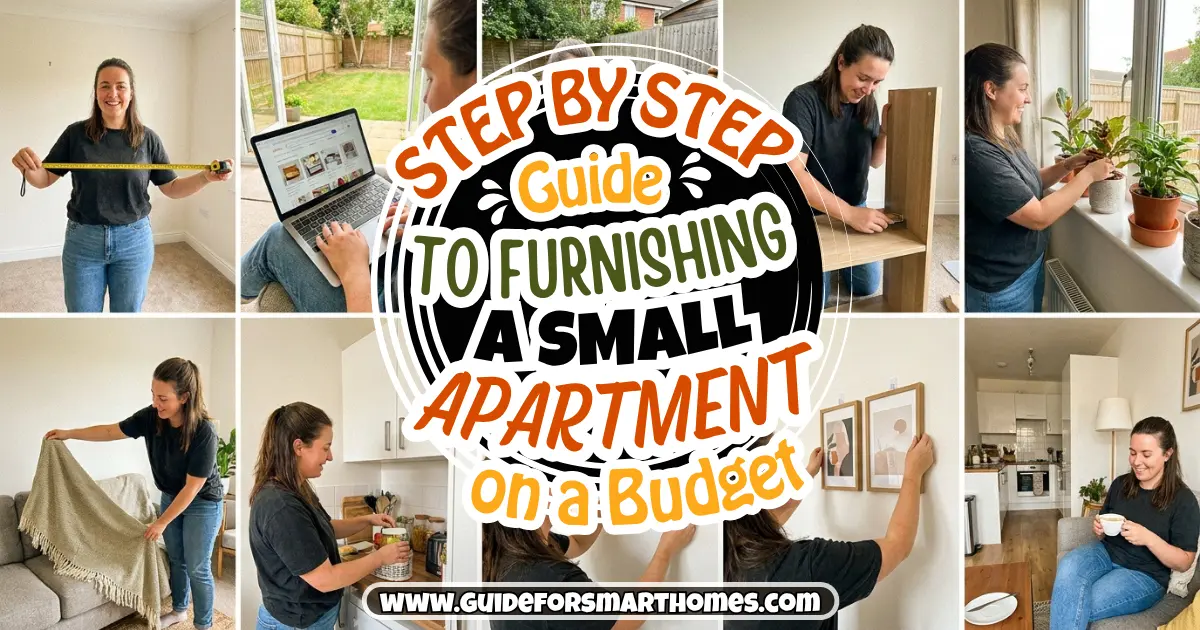
If you’re trying to figure out how to furnish a small apartment on a budget, the trick isn’t buying everything cheap. It’s buying things in the right order, spending where it matters, saving where it doesn’t, and not filling space just because it’s empty.
Small apartments punish bad purchases harder than big homes do, since there’s nowhere to hide a sofa that doesn’t fit or a dresser that blocks the closet.
If you’re still choosing between layouts, my studio vs one-bedroom apartment comparison is worth a read first, since the size of your place changes what you’ll need to buy.
Below is the process I’d follow if I were starting from zero tomorrow, in 16 steps, from setting a budget to adding the finishing touches. There are two tables: one for how to split your money, and one with rough budget tiers.
I’ve kept costs general because prices vary a lot by city and season, so treat every number as a starting point and check local listings.
Step 1: Set a Real Budget and Split It by Priority
Pick a total number you can spend without stress, then divide it before you shop. The most common mistake is spending half the budget on the first big item and scrambling for the rest.
I use a loose split: the biggest share for the bed, a solid share for seating and storage, a smaller share for tables and lighting, and a small cushion for everything you forget.
A Simple Way to Split Your Furnishing Budget
| Category | Share of Budget | Why |
|---|---|---|
| Bed and mattress | 25-30% | You use it every night, and a bad one costs you sleep |
| Seating (sofa or chairs) | 20-25% | The most used and most visible piece |
| Storage (dresser, shelves, closet) | 15-20% | Clutter ruins small spaces fast |
| Tables and desk | 10-15% | Often easy to find used or cheap |
| Lighting, rug, curtains | 10-15% | Cheap upgrades with the biggest visual effect |
| Cushion for surprises | 5-10% | Delivery fees, hardware, small essentials |
Pro tip: Keep that cushion untouched until the very end. Almost everyone discovers they need curtain rods, a trash can, extension cords, or something equally unglamorous.
Step 2: Measure Everything Before You Buy Anything
Measure the rooms, the doorways, the stairwell, the elevator, and the hallway turns. I know someone, Tasha, who bought a gorgeous $250 sofa secondhand and then couldn’t get it up her building’s narrow staircase. She ended up selling it for $80 less than she paid, and paying two people to help with the swap.
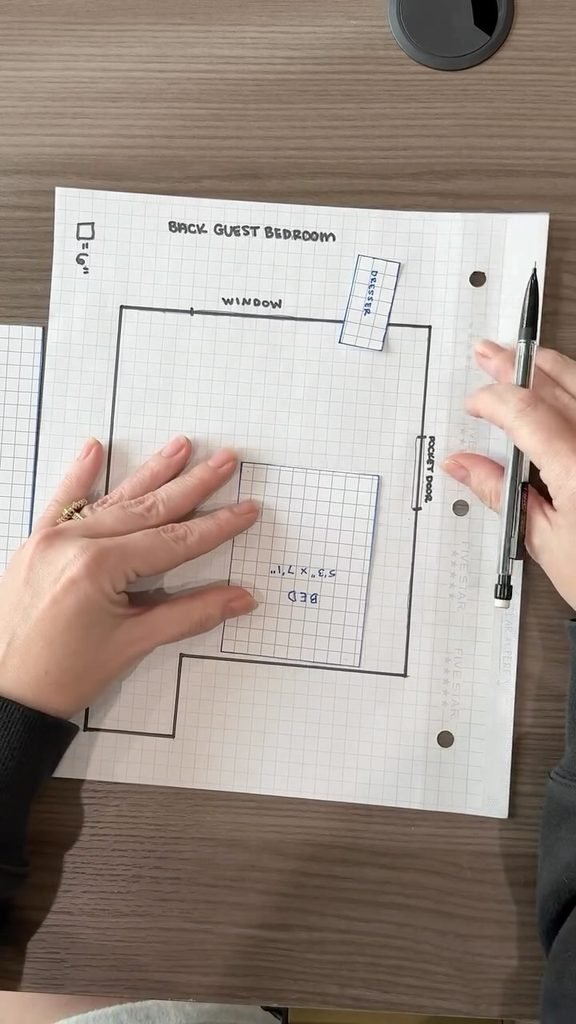
Draw a rough floor plan with windows, doors, outlets, and radiators, and note your main walkway widths. Keep at least 30 inches clear for major paths. This is also where my studio apartment layout ideas can help you picture where things will actually go.
Step 3: Write a “Need Now” and “Can Wait” List
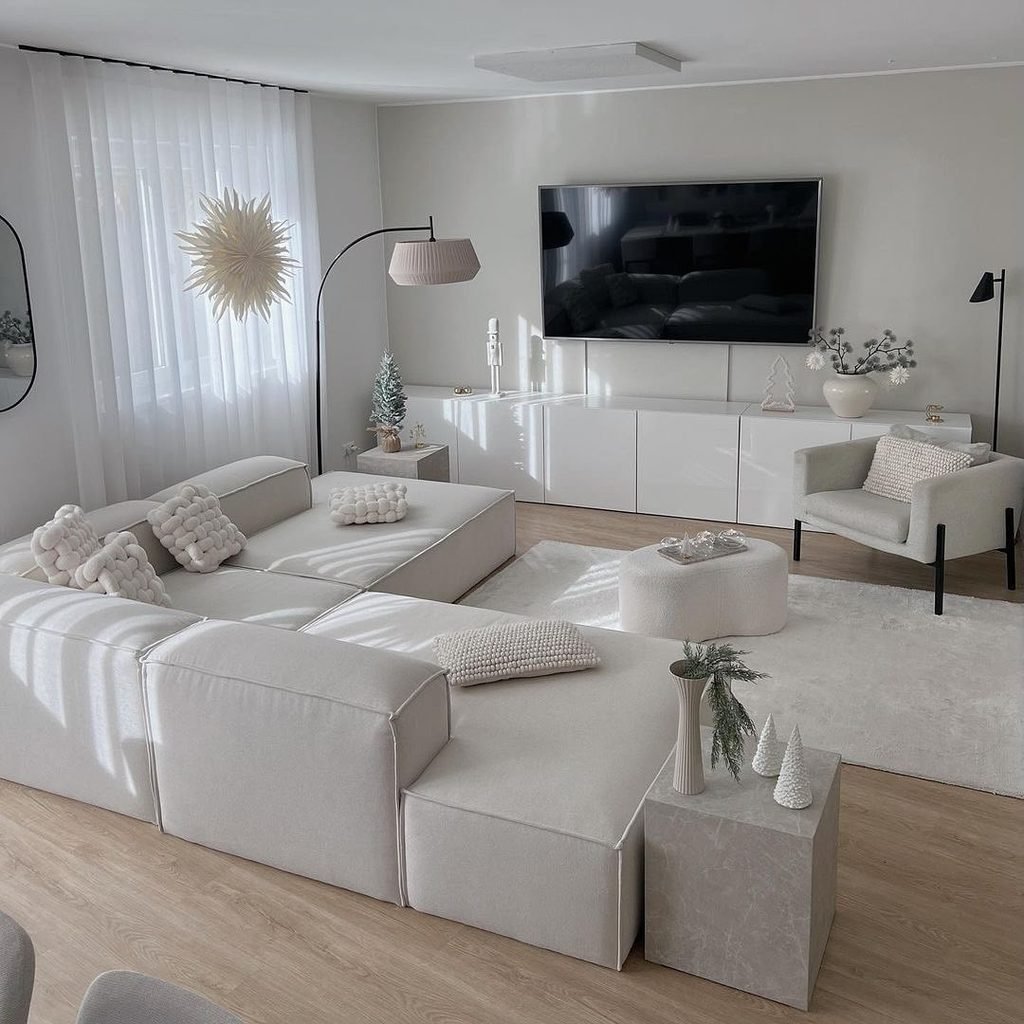
You don’t need a fully furnished apartment on day one. Sleep, a place to sit, light, and basic storage come first.
Everything else, like a coffee table, art, and decorative pillows, can wait a month or two while you learn how you actually use the space.
Living with an empty corner for a few weeks teaches you more than any floor plan. I almost bought a desk before realizing I always worked from the kitchen counter, and that mistake would have cost about $150.
Step 4: Take Inventory of What You Already Own
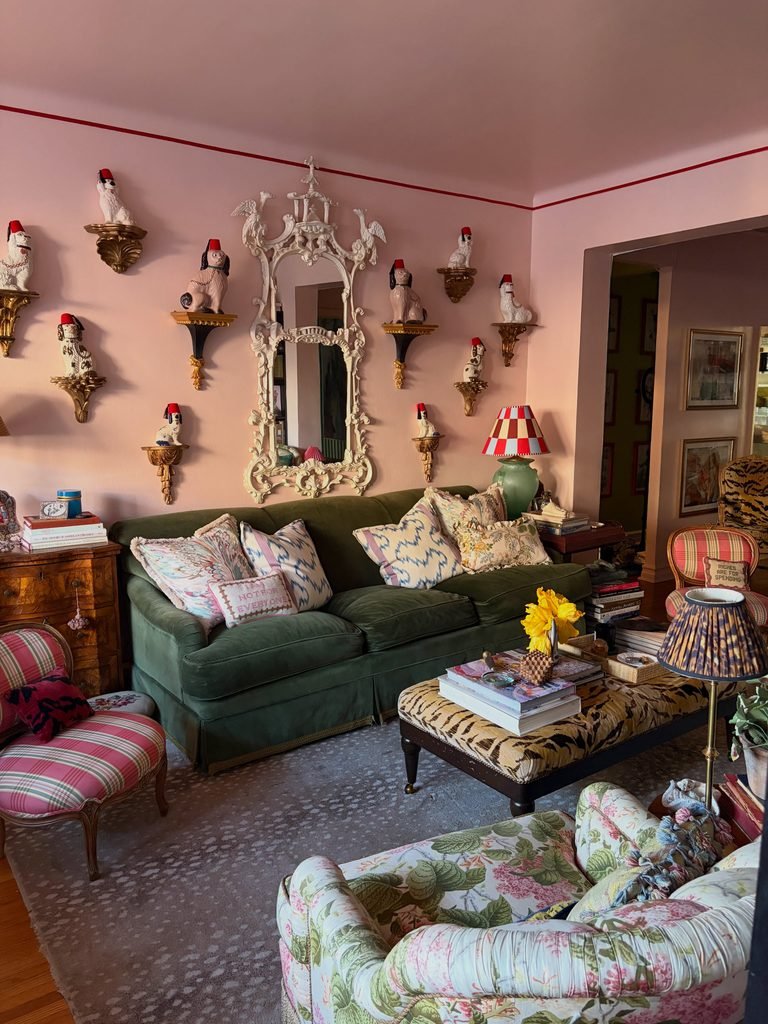
Before shopping, count what you have: a bookcase, a side table, a lamp, a chair you were about to give away.
Rearranging and repurposing is the cheapest furnishing method there is. A sturdy storage bin with a cushion on top becomes seating, and a bookshelf turned sideways becomes a low console.
Include small things too, like baskets, trays, or a mirror you stuck in a closet. They can fill gaps without costing a cent.
Step 5: Buy the Bed First, and Don’t Cheap Out on the Mattress
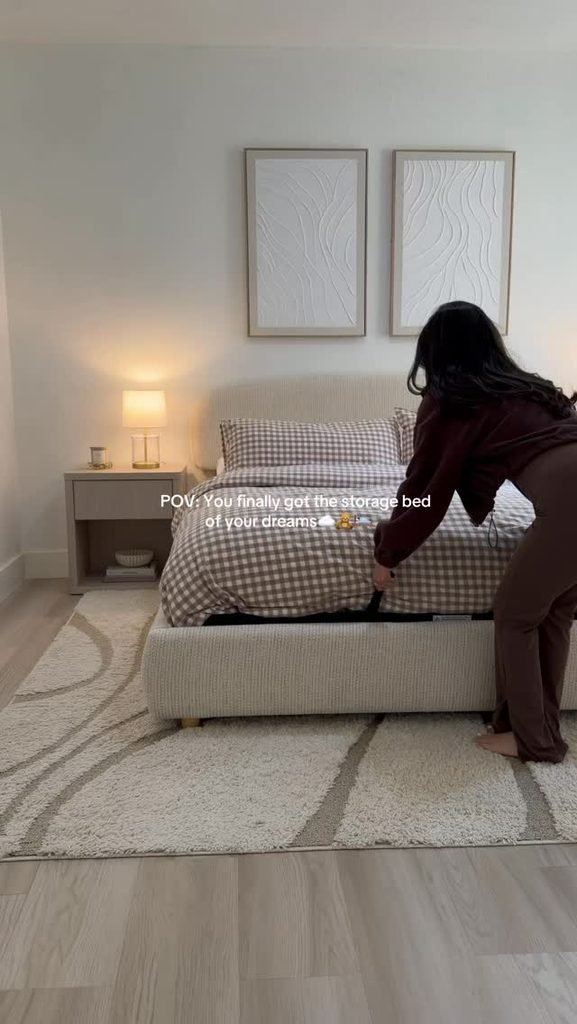
Sleep affects everything, so spend your largest single chunk here. You don’t need a luxury bed frame, but a decent mattress is worth the money.
Look for return or trial periods, and consider a frame with storage drawers underneath, which gives you a dresser’s worth of space without the footprint.
Never buy a used mattress, since bedbugs and hygiene risks aren’t worth the savings. A basic frame, though, can be found cheaply secondhand or even free.
Step 6: Choose Seating That Fits the Room, Not Just the Budget
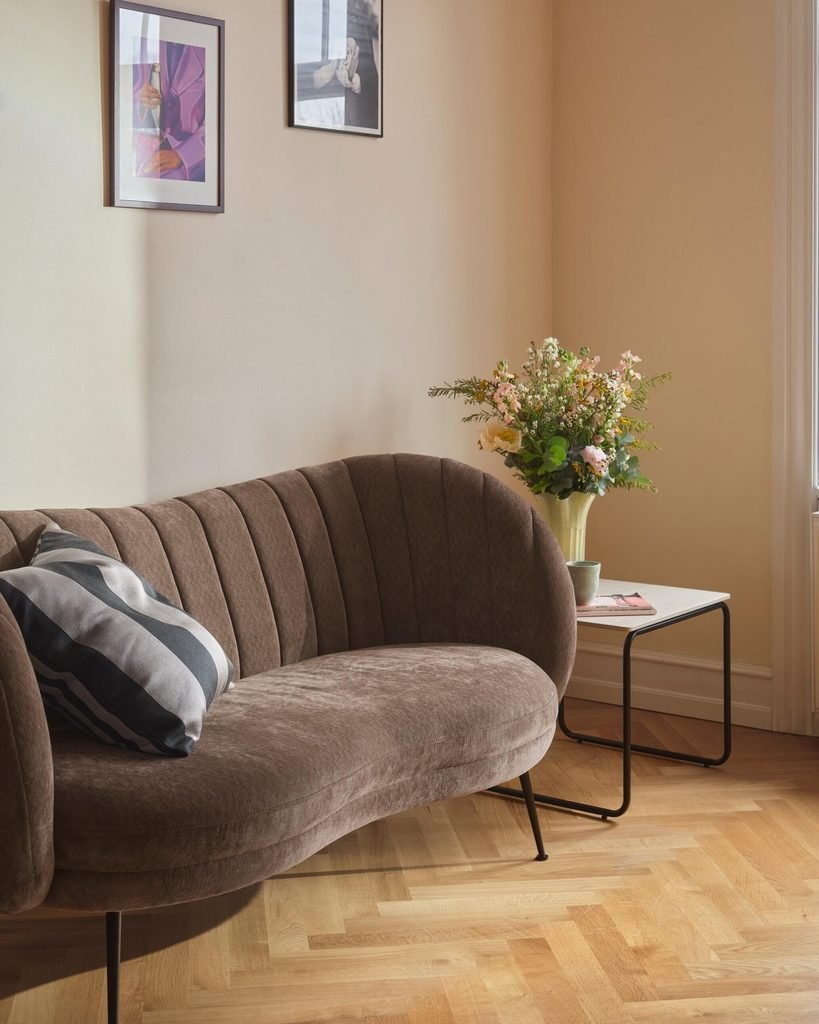
A small apartment usually works best with a loveseat or a compact sofa, around 60 to 72 inches wide, rather than a full-size sectional. Check the depth too, since a deep sofa can eat half of a narrow living room. Look for exposed legs, which let you see the floor beneath and make the room feel larger.
If you’re short on cash, a good used sofa in a neutral color beats a cheap new one that sags. Press into the cushions, check the frame for wobble, and sniff for smoke or pet odors. For more ways to arrange seating in tight spaces, my small living room ideas post is a useful companion.
Step 7: Add Storage Early, Not as an Afterthought
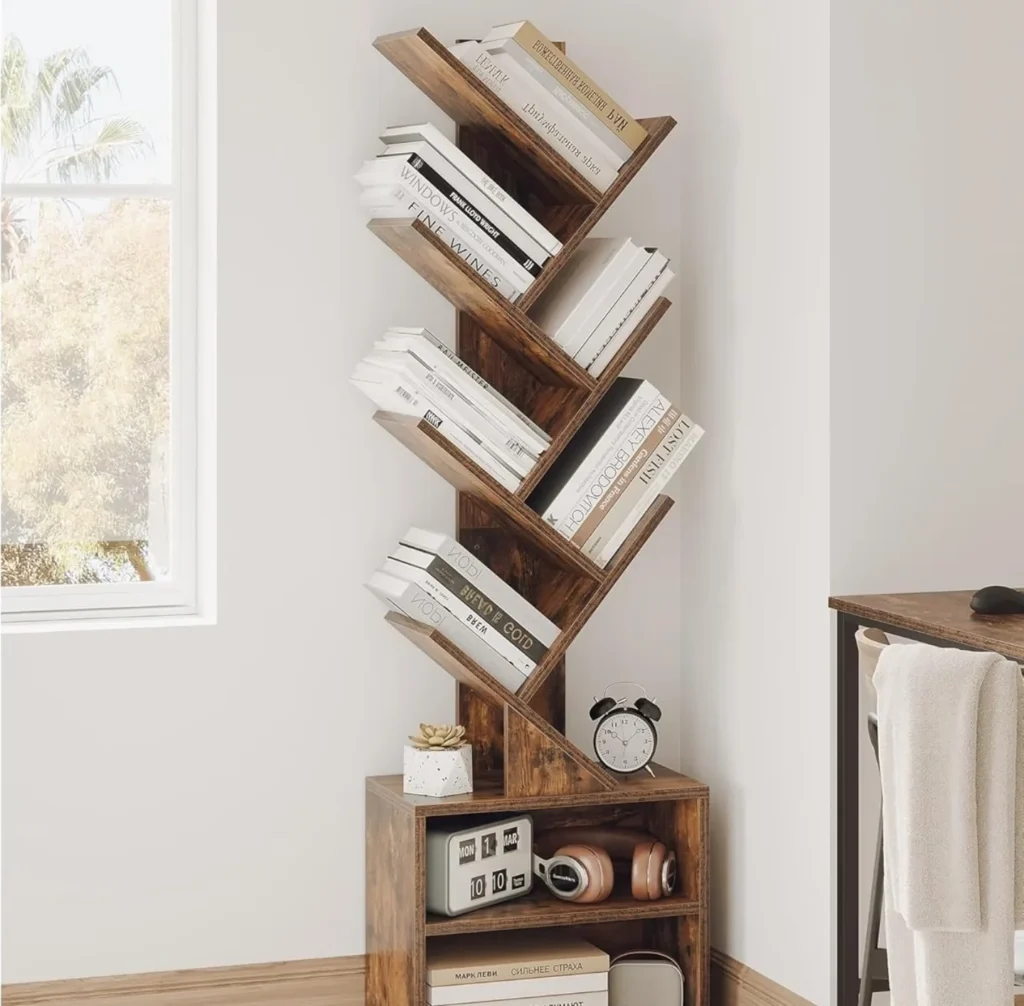
Storage is where small apartments live or die. A dresser, a bookcase, and a way to organize your closet should come before decorative items. Look for pieces that go tall, not wide, since floor space is your most limited resource.
I wrote an entire guide on this, and it’s worth a look if you’re stuck: my post on how to maximize vertical space in a small apartment covers closet tricks, over-the-door storage, and tall furniture that doesn’t tip.
Step 8: Pick Tables That Do Double Duty
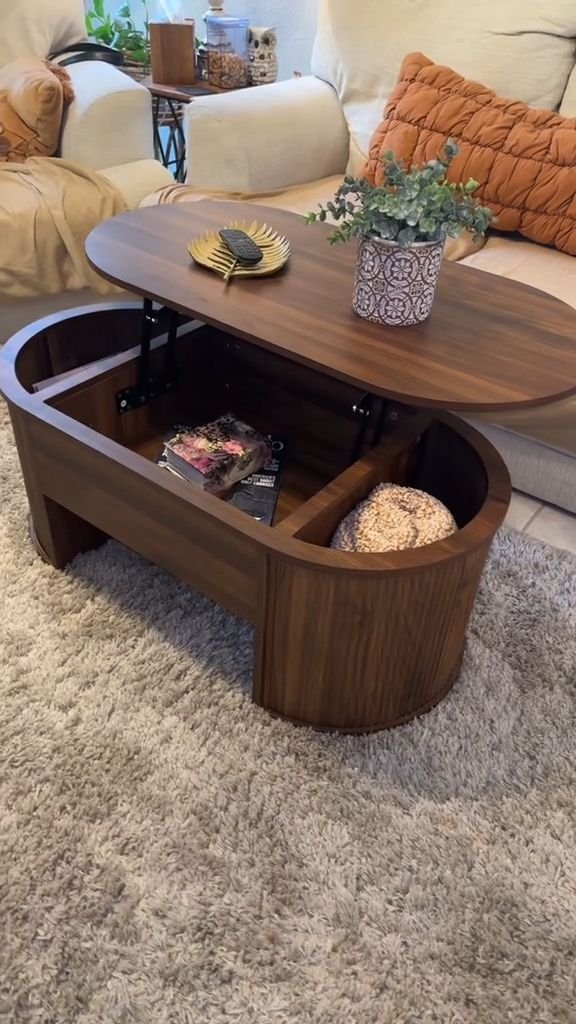
A coffee table with storage, a nesting set, a drop-leaf dining table, or a console that doubles as a desk saves you from buying three separate pieces. Think about what each table actually needs to do, and choose one that does two jobs.
My multi-functional furniture guide covers pieces that earn their place, and it’s a good filter before you click buy on anything labeled “space saving.”
Step 9: Shop Secondhand Smartly
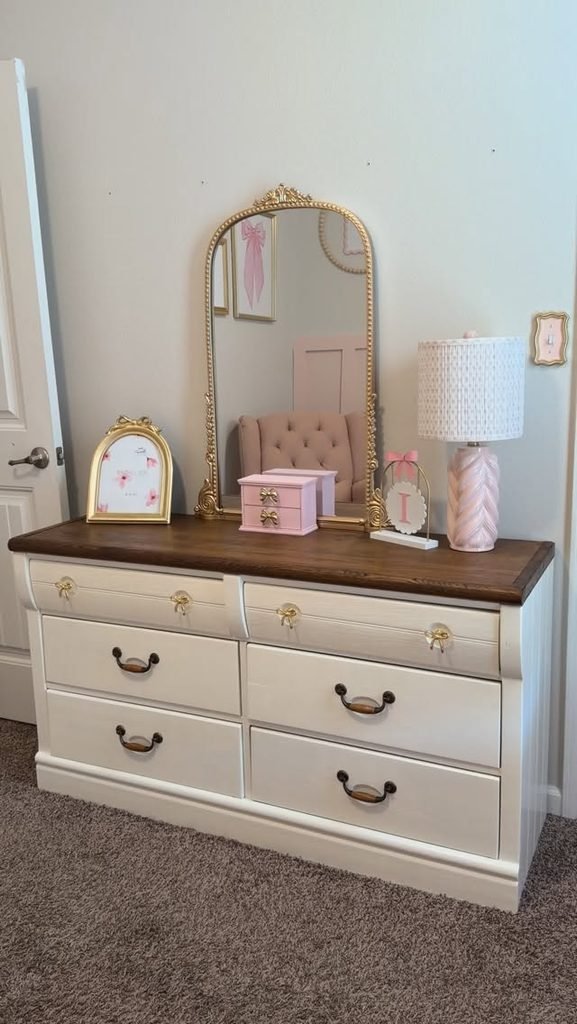
Secondhand is where budgets stretch the furthest. Check online marketplaces, thrift stores, estate sales, and local buy-nothing groups, and look at solid wood furniture, which often outlasts new particleboard at a fraction of the price. Dressers, bookcases, side tables, and wooden chairs are the best bets.
Inspect everything in person if possible. Open drawers, check for wobble, smell for mustiness, and look for signs of pests in upholstered items. A friend scored a solid oak dresser for $40 and spent $15 on new knobs and a coat of paint, and it looks like a $300 piece.
Pro tip: Search listings with terms like “moving sale” or “must go by Sunday.” Sellers in a hurry negotiate fast, and you can often get 30 to 40 percent off.
Step 10: Time Your New Purchases Around Sales
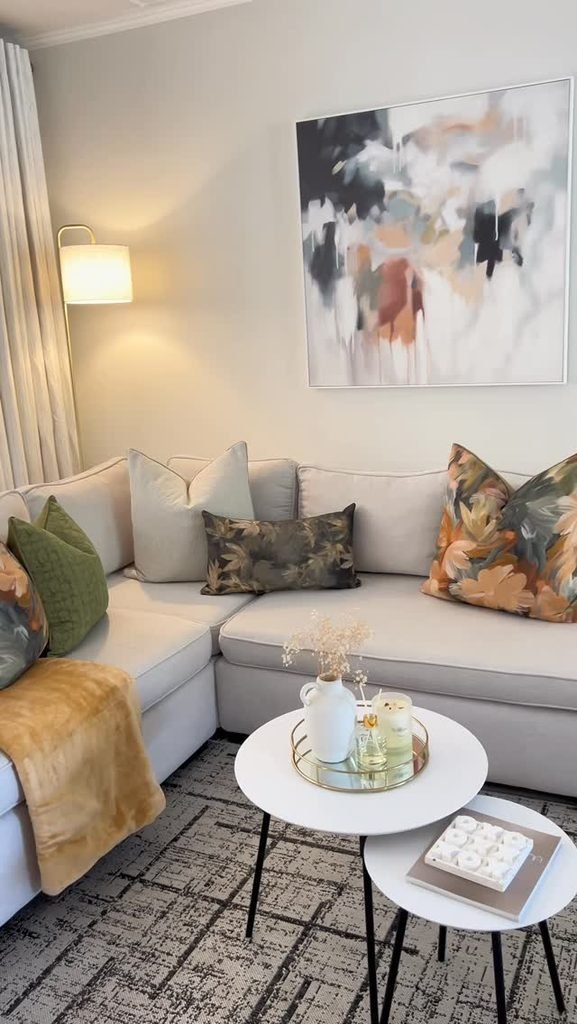
For things you do want new, timing matters. Major holiday weekends, end-of-season clearances, and floor-model sales tend to bring real discounts on furniture and mattresses. Floor models and open-box items are often marked down significantly, and many stores will still honor a basic warranty.
Seasonal timing works for decor too. After-season sales are a great time to pick up pillows and throws, which I touch on in my fall apartment decor ideas post and my small apartment Christmas decor guide, where off-season buying saves a lot.
Step 11: Light It Properly (the Cheapest Big Upgrade)
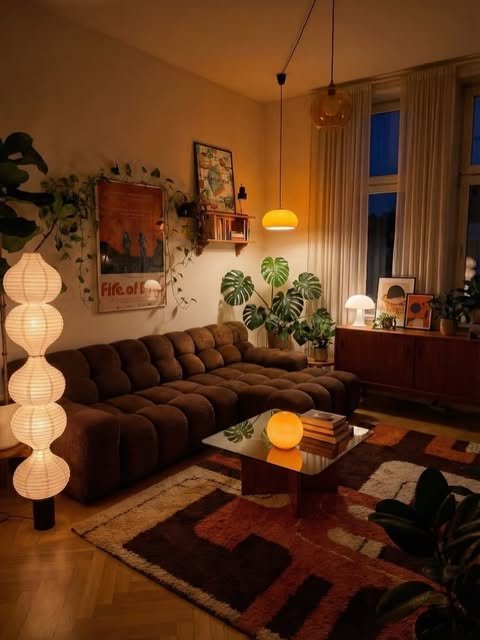
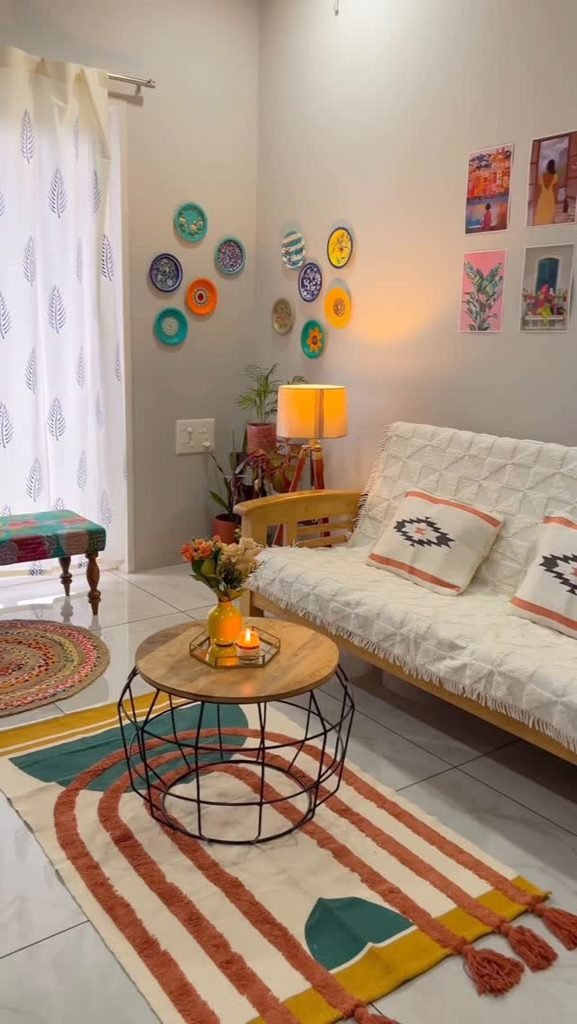
Most rentals come with harsh overhead lighting that makes everything look flat. A few lamps with warm bulbs change the entire feel of a room for very little money.
Aim for at least three light sources in the main room at different heights: a floor lamp, a table lamp, and maybe a small plug-in sconce or string lights.
Use warm white bulbs around 2700K, and add dimmers or smart plugs if you want more control. Good lighting makes budget furniture look more expensive, which is the best kind of trick.
Step 12: Add a Rug and Curtains to Finish the Room
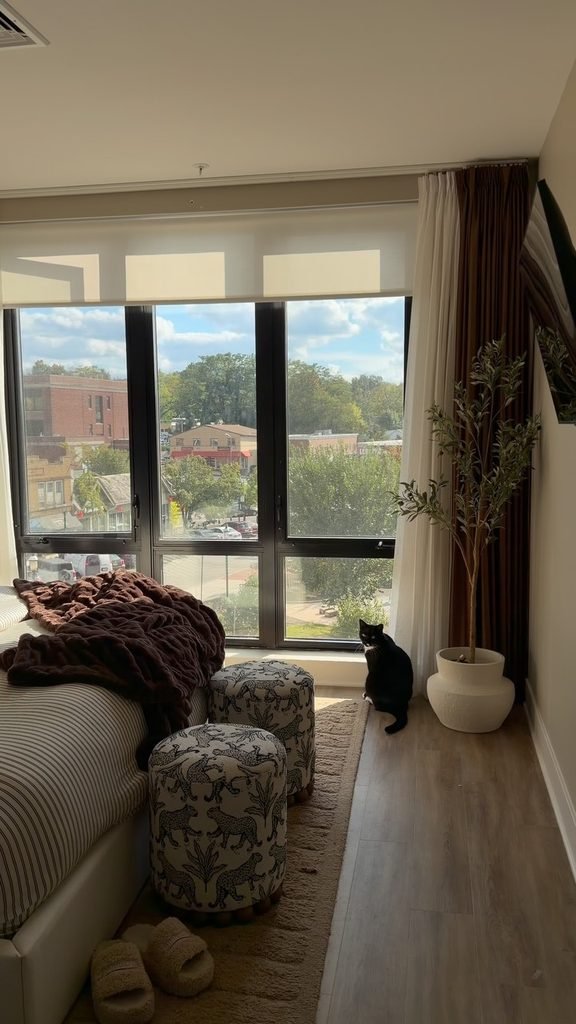
A rug anchors your seating area, adds warmth, and hides worn floors. Pick one big enough that at least the front legs of your sofa sit on it.
Curtains hung higher than the window and wide enough to clear the frame make windows and ceilings feel bigger, and they cost far less than new furniture.
Both are renter-friendly. Use a rug pad to protect floors and keep the rug from sliding, and a tension rod if you can’t drill. For ideas on how to make a space feel more open once you have the basics, see make a small apartment feel bigger.
Step 13: Use DIY Upgrades to Make Cheap Things Look Intentional
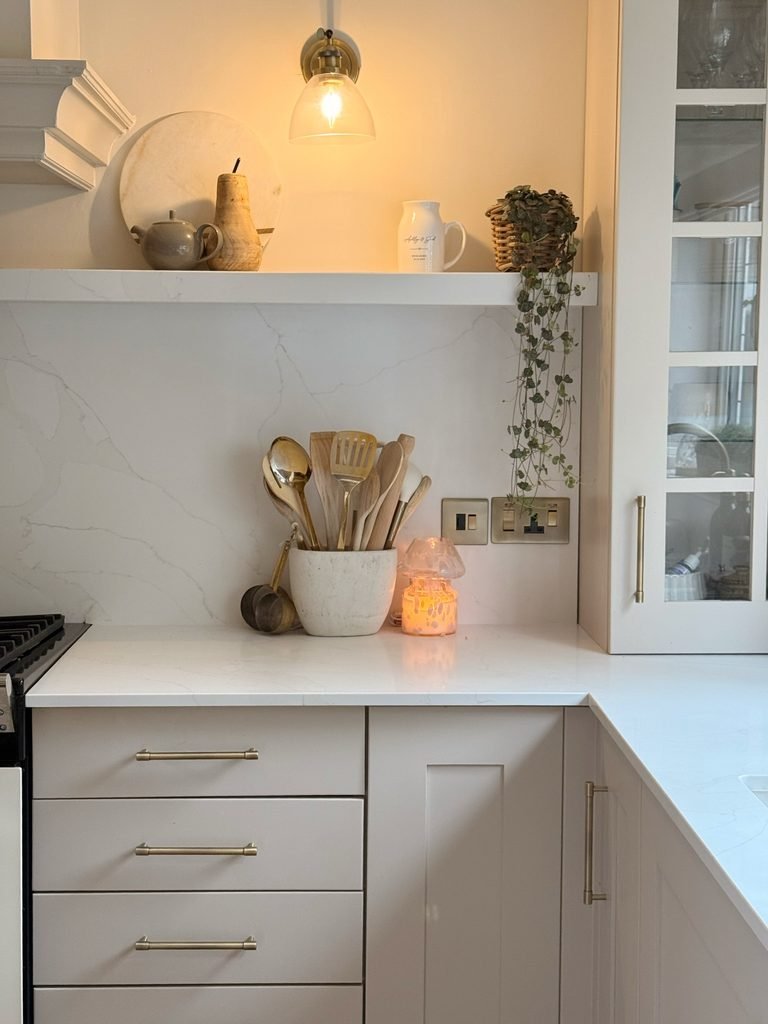
Paint, new hardware, and a bit of fabric can transform a basic piece. Swap generic drawer pulls for something better, paint a thrifted bookcase one cohesive color, or add peel-and-stick shelf liner to the inside of a cabinet.
These small projects cost under $30 and make furniture feel curated instead of bargain-bin.
Test any paint or adhesive on a small hidden area first, and always check your lease before changing anything that can’t be undone.
Step 14: Decorate Last, and Slowly
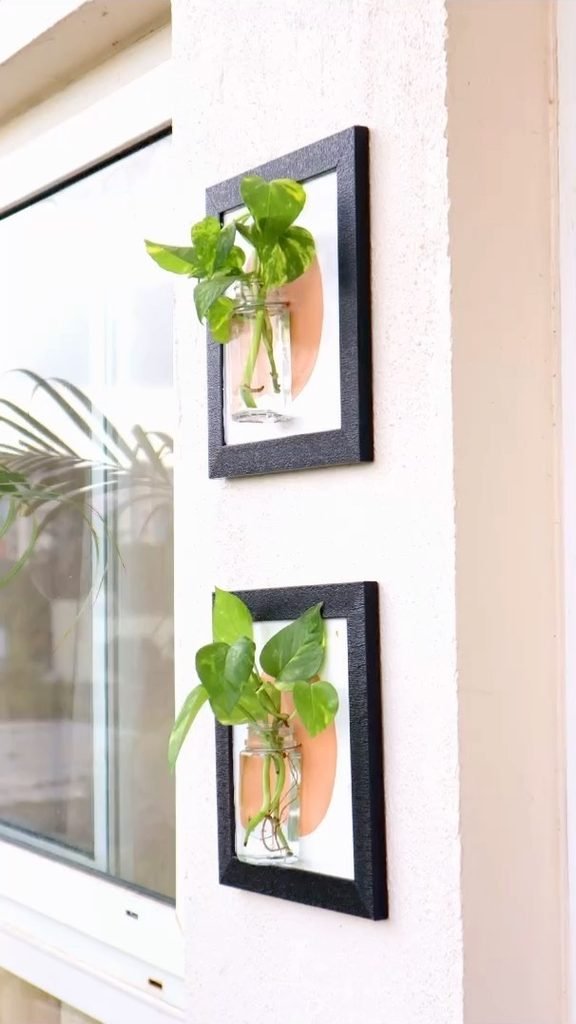
Art, plants, pillows, and decor are what make a place feel like yours, but they’re also the easiest category to overspend on. Wait until your furniture is in place and the room has settled, then add pieces slowly. Thrift stores, art swaps, and your own photos framed simply give you a personal look for very little money.
If you want to see what’s popular without chasing it, my roundup of small apartment decor trends shows what’s working, and my small apartment decorating ideas post has styling ideas that don’t need new furniture.
Step 15: Zone the Space if It’s a Studio
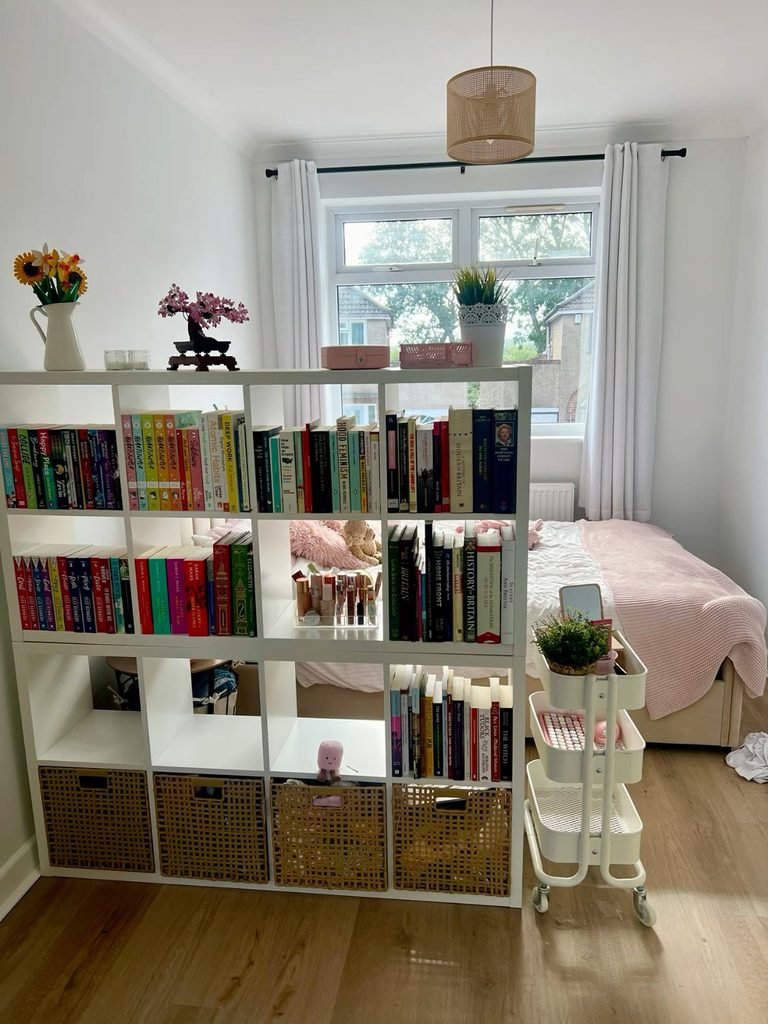
If you live in a studio, use rugs, lighting, and furniture placement to define areas for sleeping, lounging, and eating, instead of trying to buy a wall. This is cheap, flexible, and makes the room feel larger. My guide on how to zone a studio apartment walks through exactly how.
Step 16: Avoid the Mistakes That Waste Money
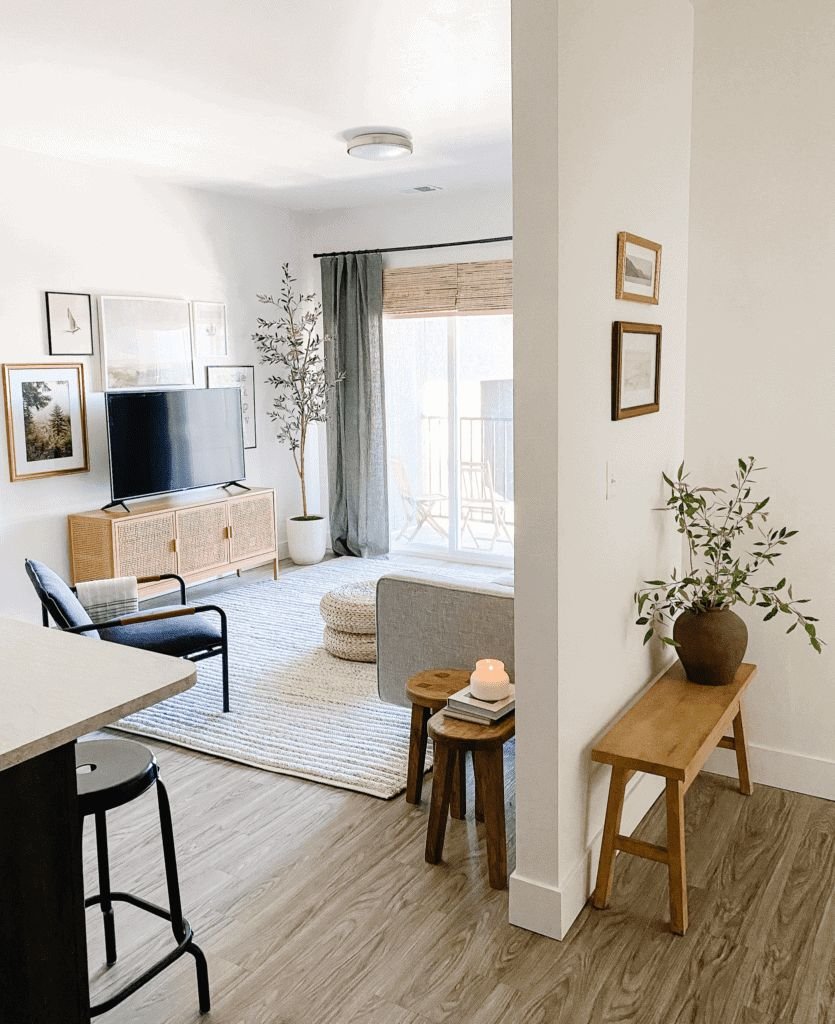
The biggest budget killers are buying before measuring, buying matching sets just because they’re matching, choosing the cheapest option for something you use daily, and filling every corner.
Another one is skipping a sample or swatch for paint and fabric, which leads to returns and wasted weekends.
Also resist the urge to buy things “for later.” Storage that you don’t need yet and decor that doesn’t fit your style are both just clutter in a small space.
Rough Budget Tiers for a Small Apartment
| Tier | Rough Total | What You Can Expect |
|---|---|---|
| Bare essentials | $500-900 | Mattress and basic frame, used sofa or chair, a few lamps, secondhand table, simple storage |
| Comfortable | $1,000-2,000 | Decent mattress, compact sofa, dresser, bookcase, rug, curtains, lighting, a few decor pieces |
| Polished | $2,000-3,500 | Higher quality pieces, better sofa and bed, matching storage, more decor and art |
These are very rough numbers and will shift with your city, how much you buy used, and what you already own. Treat them as a way to sanity-check your plan, not a promise.
If I Were Starting From Zero Tomorrow
I’d buy a good mattress, find a used loveseat in a neutral color, grab three warm lamps, and use boxes and crates as temporary storage while I figured out what I really needed.
That would cost roughly $800 to $1,200 depending on the deals I found, and it would get me a livable, comfortable place. Everything else I’d add slowly over the next few months.
The best way to furnish a small apartment on a budget isn’t to buy more for less, it’s to buy less, buy smart, and let the space tell you what it needs.
Start with sleep, then seating, then storage, then light, and stop whenever the room feels finished. You’ll end up with a home that fits you and your budget, and you’ll avoid the sagging-sofa regret I learned the hard way.
FAQs
How much does it cost to furnish a small apartment on a budget?
A very lean setup can run roughly $500-900 if you buy a lot secondhand, while a more comfortable setup is often $1,000-2,000. Costs depend heavily on your city, what you already own, and how much you buy used.
What should I buy first when furnishing a small apartment?
A bed and mattress, then seating, then storage and lighting. Everything else, like decor and extra tables, can wait until you’ve lived in the space for a few weeks.
Is it better to buy new or used furniture on a budget?
A mix works best. Buy used for solid wood pieces like dressers, bookcases, and tables, and buy new for mattresses and anything you want a warranty or return window on.
How do I furnish a small apartment without it feeling cluttered?
Choose fewer, multi-purpose pieces, go tall instead of wide, keep walkways clear, and use a tight color palette. Add decor slowly so you don’t overfill the room.
Where can I find cheap furniture for a small apartment?
Online marketplaces, thrift stores, estate sales, local buy-nothing groups, and floor-model or clearance sales are all good sources. Inspect used items in person when you can.
What are the most common mistakes when furnishing on a budget?
Buying before measuring, choosing the cheapest option for daily-use items, buying matching sets you don’t need, and filling every corner. Taking your time and buying in priority order avoids most of them.









Leave a Reply