
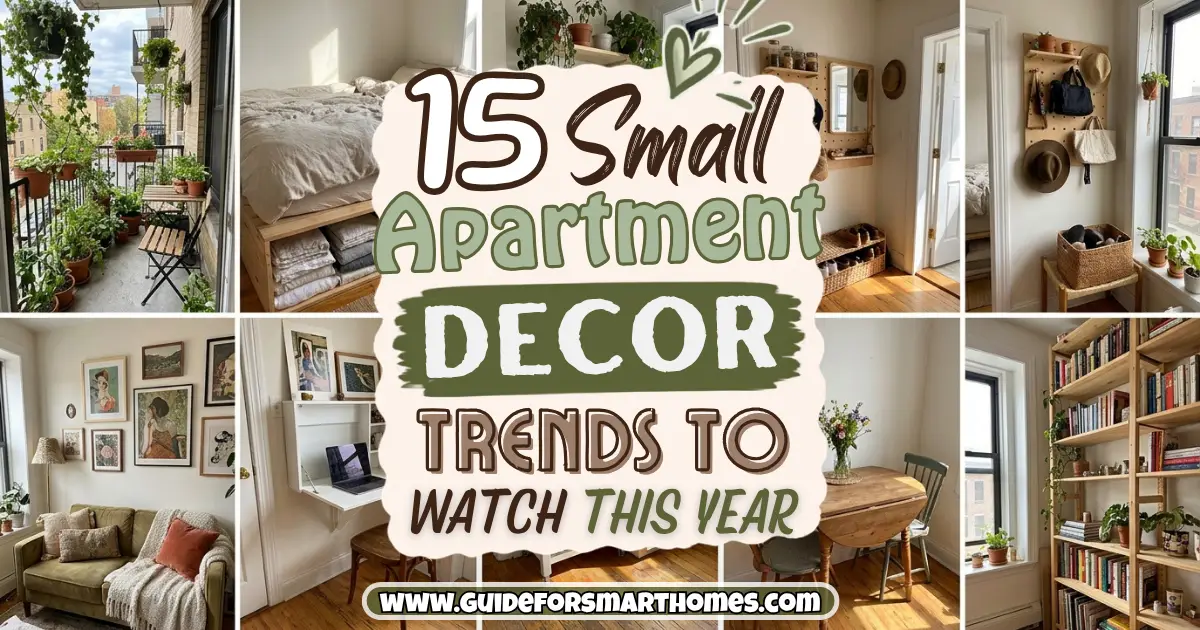
I used to follow every decor trend like it was a rule. Three years ago I painted one wall of my living room a very bold green because every feed I scrolled said green was the color, and within two months I was staring at a wall that made my 450-square-foot apartment feel like a closet with a personality disorder.
Lesson learned: a trend that works in a 2,000-square-foot house does not automatically work when you can touch both sides of your living room.
That’s the filter I use now for small apartment decor trends. Does it still make sense when the room is tiny, the walls belong to a landlord, and the budget is not unlimited? The 15 below passed that test, either because I’ve tried them myself, because a friend did and reported back honestly, or because they solve a real small-space problem rather than just looking good in a photo.
If you want the evergreen version of this topic, my small apartment decorating ideas guide is the foundation, and this post is more about what’s shifting right now.
A pattern runs through almost all of these: warmer, calmer, more personal, and less “buy a whole new set of stuff.”
That’s good news if you rent. I’ve flagged what’s renter-friendly, rough costs, and how likely each trend is to look dated in a couple of years, since nobody wants to repaint or rebuy. There’s a comparison table near the end, a short list of trends I’d skip, and FAQs.
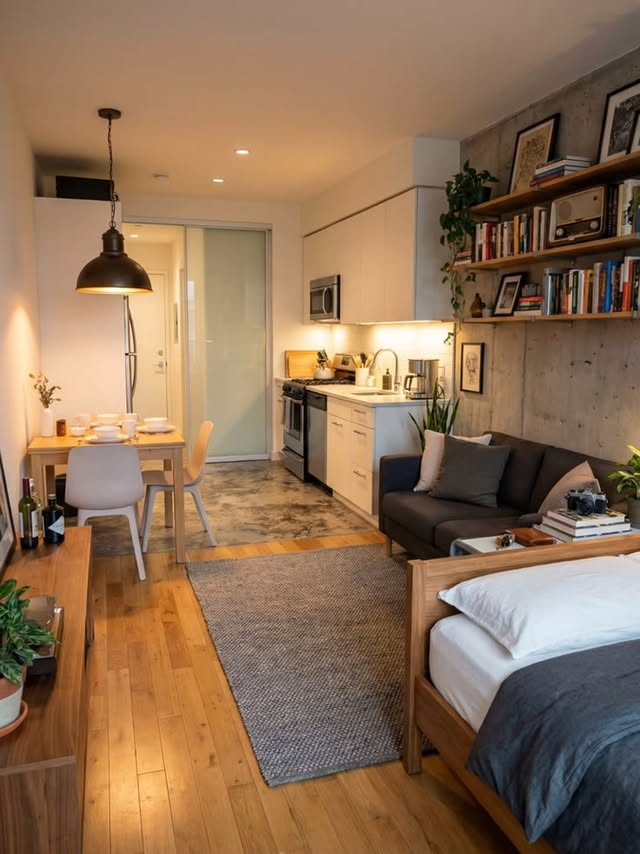
1. Warm Minimalism Instead of Cold, Stark Minimalism
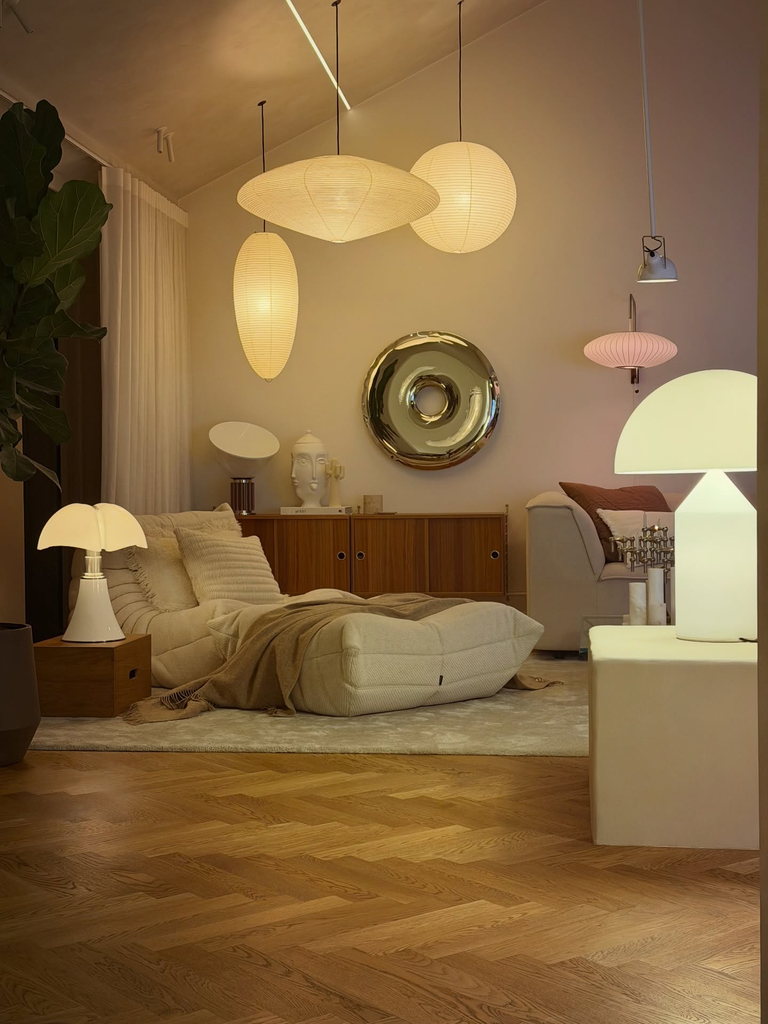
The all-white, cool gray look is giving way to minimalism with some warmth: creamy whites, soft beige, muted sage, terracotta, and deeper browns, paired with natural textures like linen and wood.
The reason it works so well in a small apartment is practical. Cool gray in a room with weak natural light can feel like a dentist’s waiting room, while warmer neutrals bounce light around and make the space feel lived in instead of staged.
You don’t need to repaint to try it. Swap cool-toned throw pillows and a gray blanket for cream, oatmeal, and rust ones, and add one wood element like a small stool or a cutting board on display. That’s usually under $40 for a noticeable shift.
Pro tip: Hold your paint swatch or fabric next to your existing flooring before committing. A beige with a pink undertone next to cool gray vinyl plank looks off in a way you can’t quite name until you see them side by side.
2. Color Drenching (Done at a Renter’s Scale)
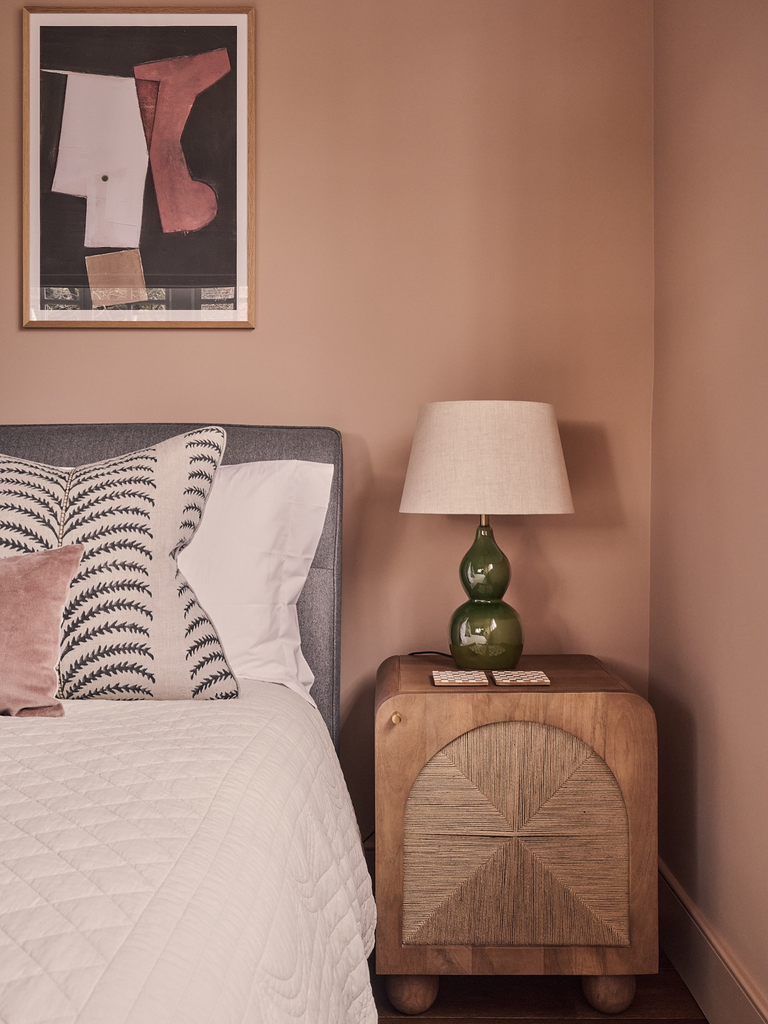
Color drenching means using one color across walls, trim, and sometimes even the ceiling, so the room reads as one continuous envelope instead of a box with lines in it. In a small room this can make edges blur and the space feel deeper and more cocooning, which is why designers keep reaching for it in compact rooms.
If you can’t paint, you can still borrow the idea. Pick one color family and echo it through the curtains, a rug, and a big piece of art, so the room feels tonal.
A friend of mine did this in her rental bedroom with deep olive bedding, olive curtains, and a framed olive-toned print, and visitors always assume she painted.
It pairs naturally with the layout principles in my make a small apartment feel bigger post, since tonal rooms have fewer visual breaks and tend to read as larger.
3. Mirrors Used as Architecture, Not Accessories
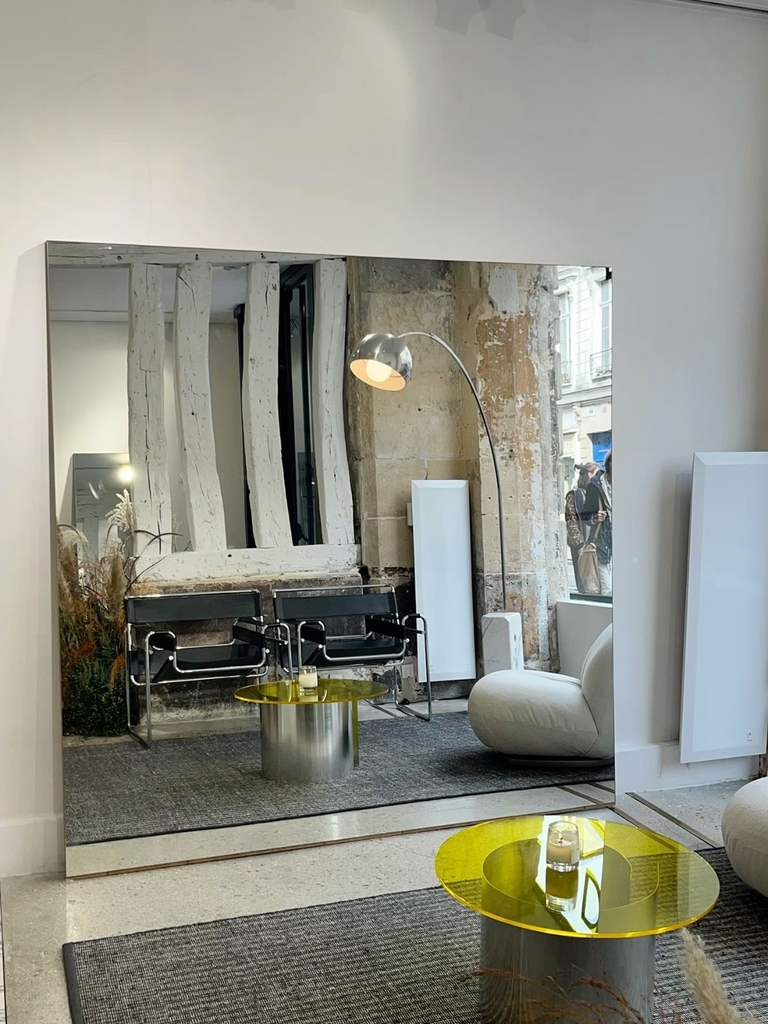
Mirrors are coming back in a bigger way than the small round one over the entry table. Think oversized floor mirrors leaned against a wall, mirrored panels behind a dining nook, or a large arched mirror across from a window.
The point is to double the light and the sense of depth, which is the cheapest way I know to make a small room feel less boxed in.
A large leaning mirror runs roughly $80-200 depending on size and frame, and it needs no wall damage at all. Put it opposite or perpendicular to your main window, not directly facing a pile of clutter, because it will reflect whatever is in front of it with perfect honesty.
4. Curved, Sculptural Furniture
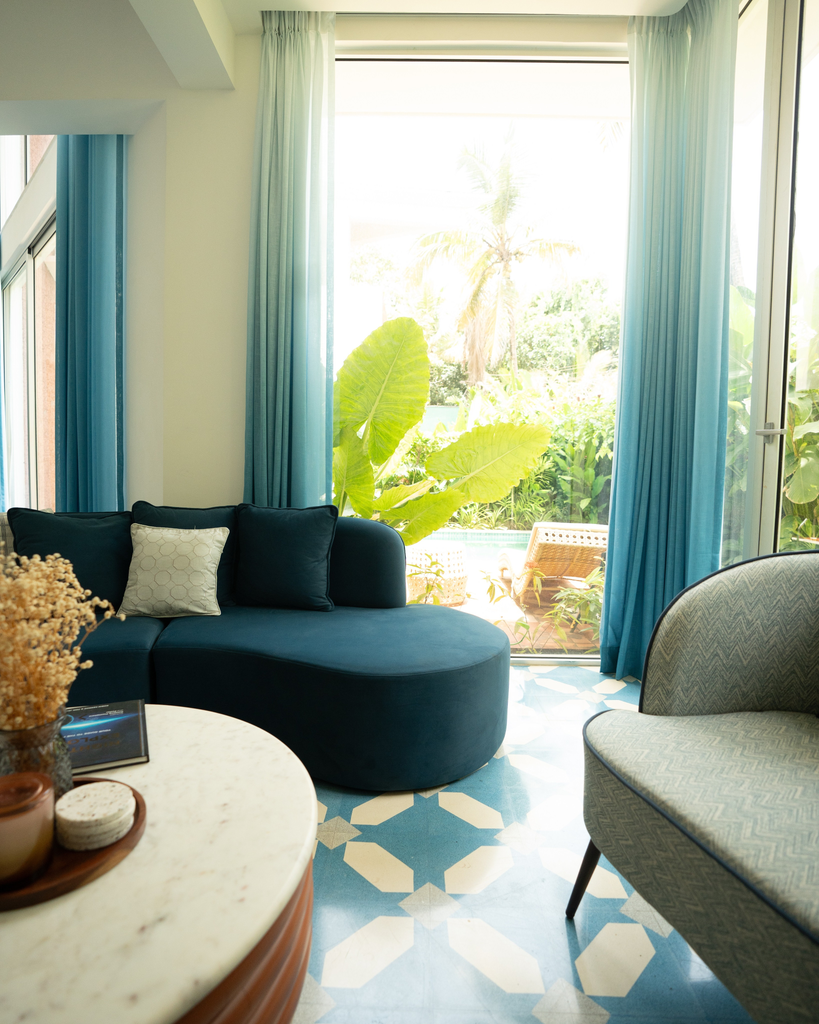
Rounded sofas, curved accent chairs, circular coffee tables, and softly arched shapes are everywhere right now, and in small apartments they earn their spot for a real reason: no sharp corners to bump in a tight walkway.
One sculptural accent chair does more for a room than three small mismatched pieces, and it can act as the focal point so the rest of your decor can stay quiet.
Pro tip: Measure the chair’s actual footprint, not just the seat width. Curved chairs often have a wider base or arms than they look in photos, and I’ve seen at least two readers return one because it blocked the closet door by an inch.
5. Seamless, Hidden Storage
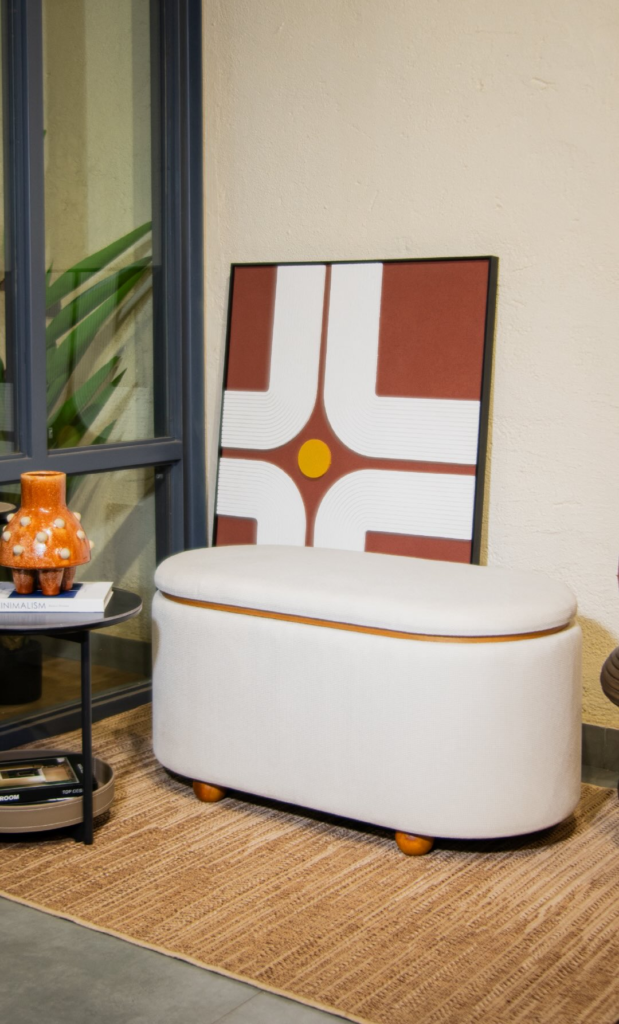
The open-shelf look is still around, but designers and renters alike are leaning toward storage that hides the mess: closed cabinets, ottomans with lift-off tops, bed frames with drawers, and benches with hidden compartments.
In a small apartment, visible clutter reads twice as loud, so putting things behind a door makes the whole place feel calmer.
You don’t need built-ins to get this. A closed-front sideboard or a storage bench at the foot of the bed gives you the same visual effect without touching the walls. My multi-functional furniture guide goes into which pieces earn their floor space.
6. Lightweight, Movable Furniture That Can Change Jobs
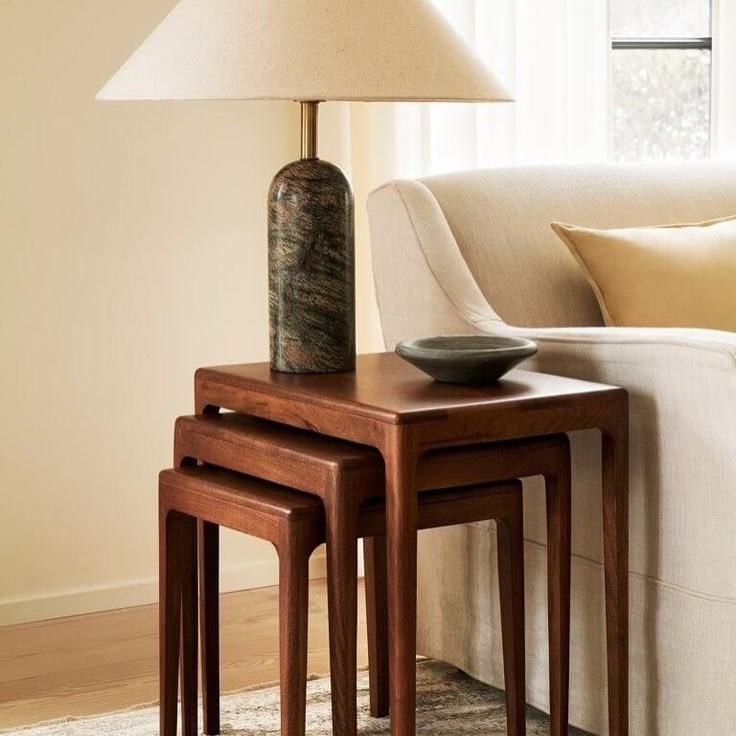
A small apartment often has to be a living room, an office, and a dining room within the same few feet. Lightweight pieces, like a nesting table set, a folding console, or stools that double as side tables, let you rearrange for the situation instead of living with one fixed layout.
I keep two lightweight stools that live under my console most of the week and come out when friends visit.
The trade-off is stability. Very light furniture can feel flimsy, so check reviews specifically for wobble, and avoid anything where the weight limit is vague.
7. Peel-and-Stick Wallpaper to Define Zones
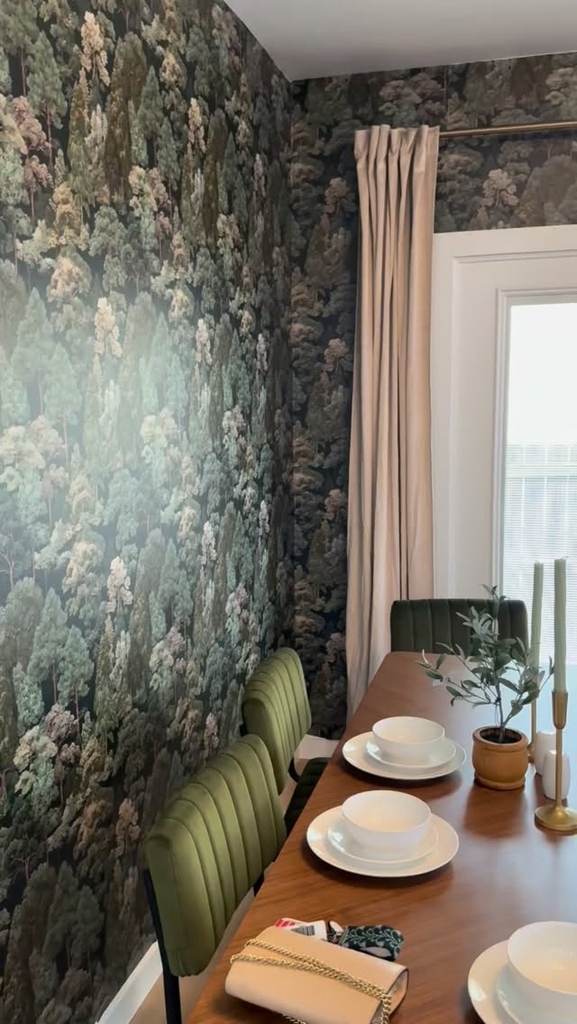
Wallpaper, including delicate florals and soft patterns, is back as a way to carve out areas in open layouts. A strip behind a desk, one wall of a dining nook, or the back of a bookcase can make a corner feel like its own room without any actual walls.
For renters, peel-and-stick versions are the way to go, usually $30-70 per roll depending on quality.
Test a small piece in a hidden spot first, because some paints (especially flat or cheap builder-grade) can lift when the paper comes off. Apply slowly and smooth as you go, since bubbles are far easier to fix at the start than at the end.
This kind of zoning is also the heart of my studio apartment layout ideas if you’re working with one big open room.
8. Gallery Walls With Mixed Frames and Personal Photos
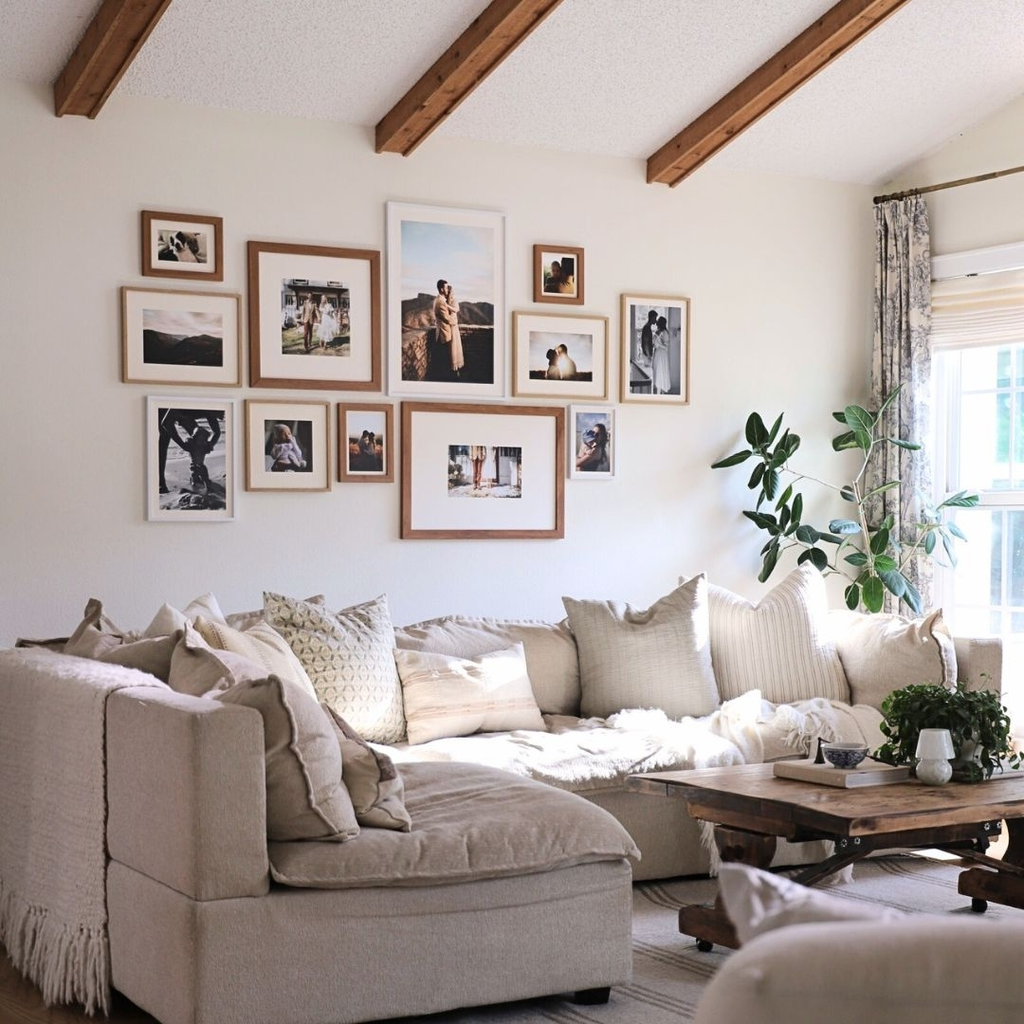
A gallery wall mixing art, personal photos, and interesting frames is one of the fastest ways to give a rental personality, and it’s cheaper than one big expensive piece.
The current take is looser and more personal than the perfectly matched grid: different frame finishes, a few small objects mixed in, and photos that actually mean something to you.
Lay everything out on the floor first and trace each frame on paper, then tape the paper templates to the wall and adjust before putting anything up. Use removable hanging strips rated for each frame’s weight, and keep the center of the arrangement at about eye level, roughly 57 inches from the floor.
9. Floating Shelves and Vertical Storage
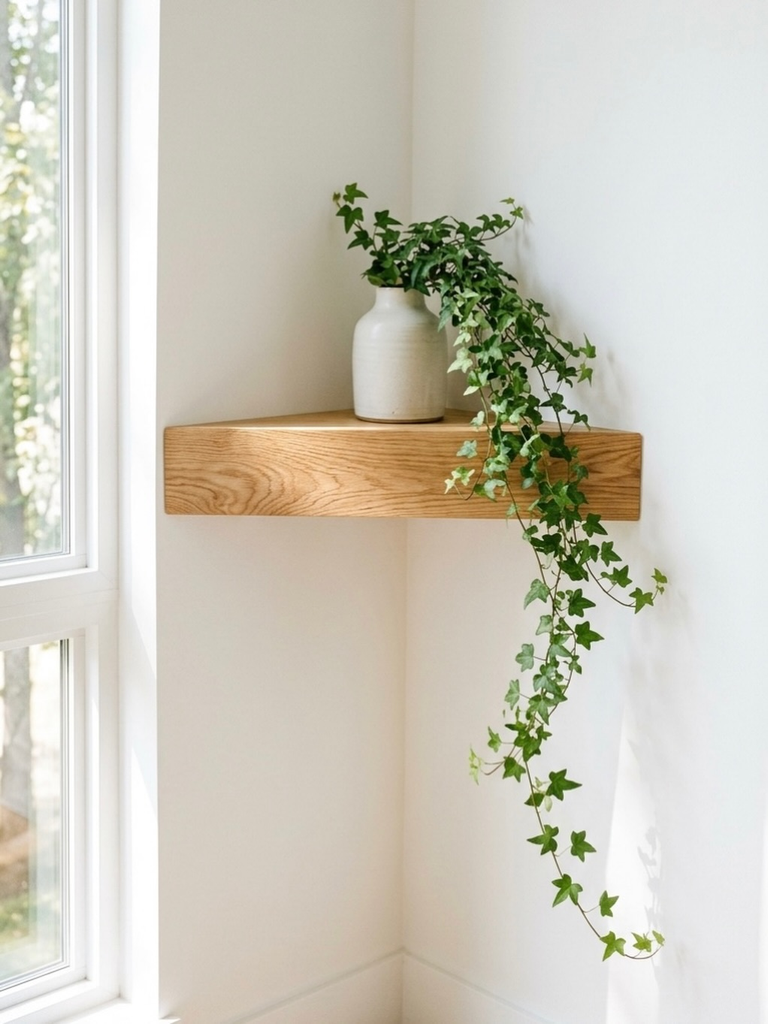
Going up instead of out is still the best small-space move, and floating shelves keep the floor visually clear, which makes a room feel lighter than a bulky bookcase does. A couple of shelves above a desk or a sofa give you display and storage in a few inches of depth.
If you can’t drill, look for adhesive-mounted shelves rated for light items, or tension-pole shelving units that wedge between floor and ceiling.
Keep heavy books low and light objects high, and leave a bit of empty space on each shelf, because a fully packed shelf looks like clutter even when it’s organized.
10. Blue in All of Its Shades
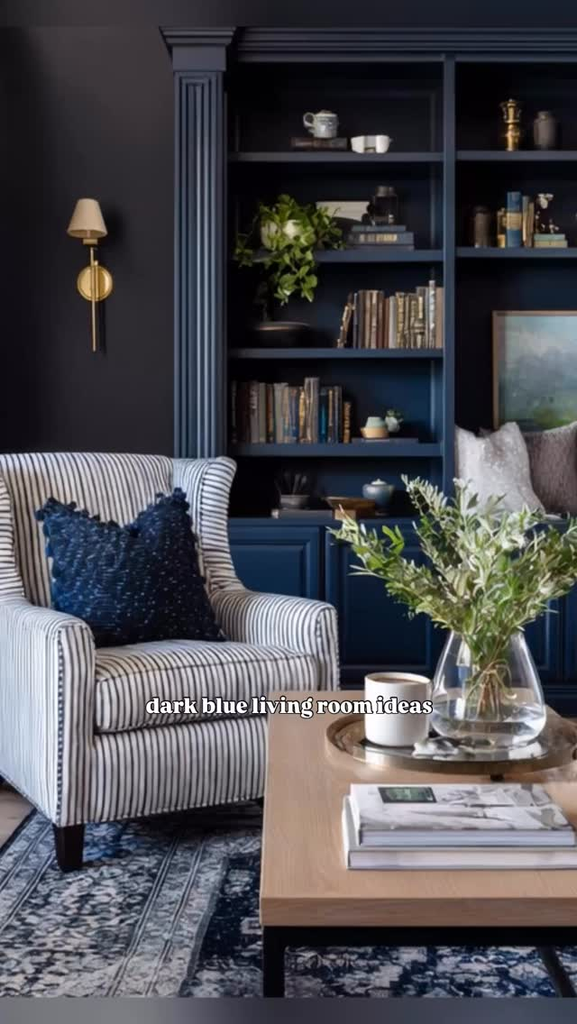
Blue is having a real moment, from soft powder blue to deep navy, and it’s easy to try in a small space because it works as an accent without taking over.
A navy throw, a pale blue ceramic lamp base, or a faded blue vintage rug adds calm, and blue pairs well with the warm neutrals from trend one.
Pro tip: In a small room with little natural light, favor the softer, slightly warmer blues over cold navy. Deep navy can look nearly black at night, which shrinks a room visually.
11. Silver and Mixed Metal Accents
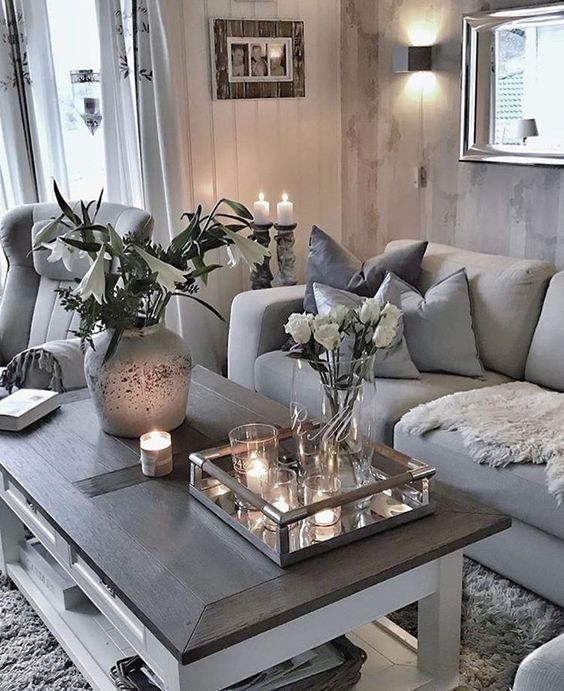
After years of brass and gold everywhere, silver and chrome are showing up again in candlesticks, trays, picture frames, and small decor pieces.
It’s a cheap trend to try because it lives in small accessories, and mixing silver with existing warm metals looks more collected than matching every finish.
Thrift stores are great for this. Silver-plated trays and candlesticks are often $3-10, and a little polish makes them look much more expensive.
12. Solid-Color Rugs Instead of Busy Patterns
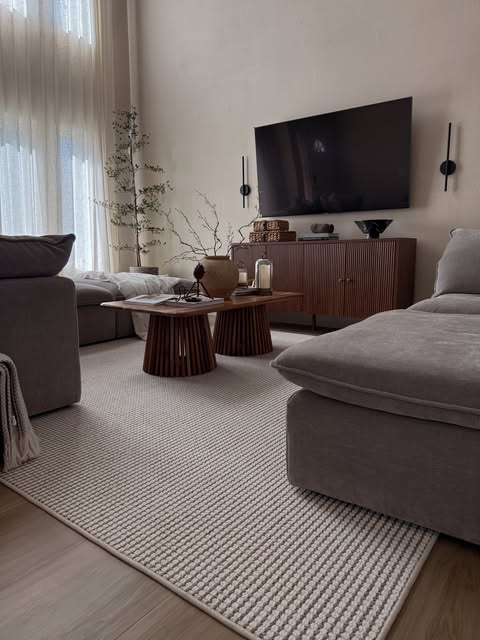
Highly patterned rugs can chop a small floor into visual pieces, and a growing number of people are going back to solid or tonal rugs to make a room feel calmer and larger.
A single large solid rug, big enough that at least the front legs of your sofa sit on it, ties the seating area together and reads as more spacious than several small patterned rugs.
If solid feels too plain, look for texture instead of pattern: a chunky wool weave, a low shag, or a flatweave with subtle ribbing. Texture adds interest without the visual noise.
13. Pattern Play, but in Small Doses
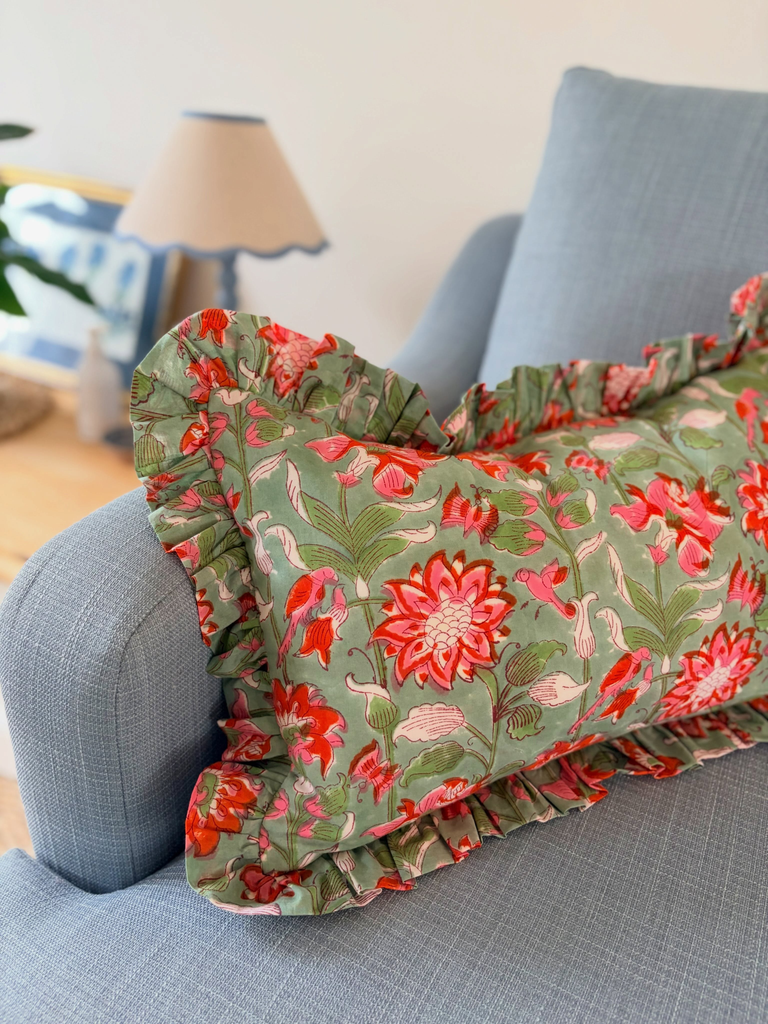
Alongside the plain rugs, there’s a lot of interest in playful patterns: gingham, checks, small florals, and the kind of vintage-inspired prints people call grandmacore.
In a small apartment the trick is scale. Keep the big surfaces calm and bring pattern in through pillows, a tablecloth, a lampshade, or a small upholstered stool.
My rule of thumb is one large-scale pattern, one small-scale pattern, and one solid texture per room, and it has saved me from at least two bad impulse buys.
14. Plants and Natural Materials
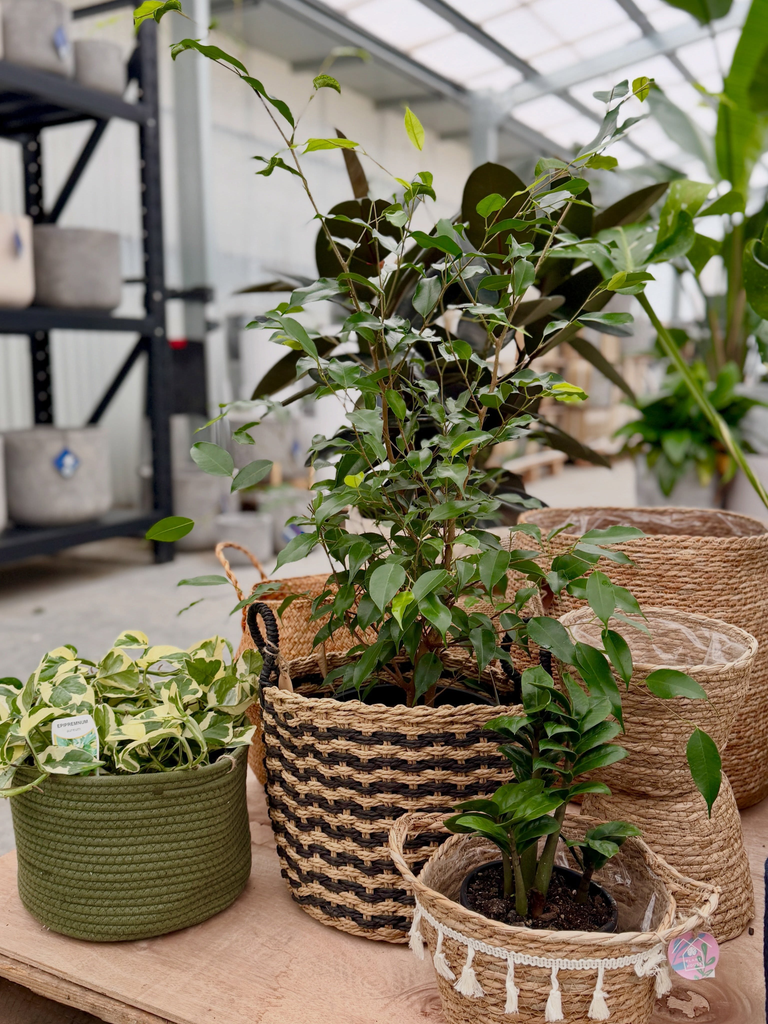
Plants, rattan, wood, linen, and stone keep showing up in apartment decor because they bring warmth and softness that synthetic materials can’t.
Even one or two plants on a shelf or windowsill add life to a small room, and natural-texture baskets and trays do double duty as storage.
If you tend to kill plants, start with a pothos, a snake plant, or a ZZ plant, which tolerate low light and missed waterings far better than the fussy ones. Faux plants are fine too, as long as you skip the glossy plastic ones and choose realistic matte leaves.
15. Shopping Your Own Home and Buying Secondhand
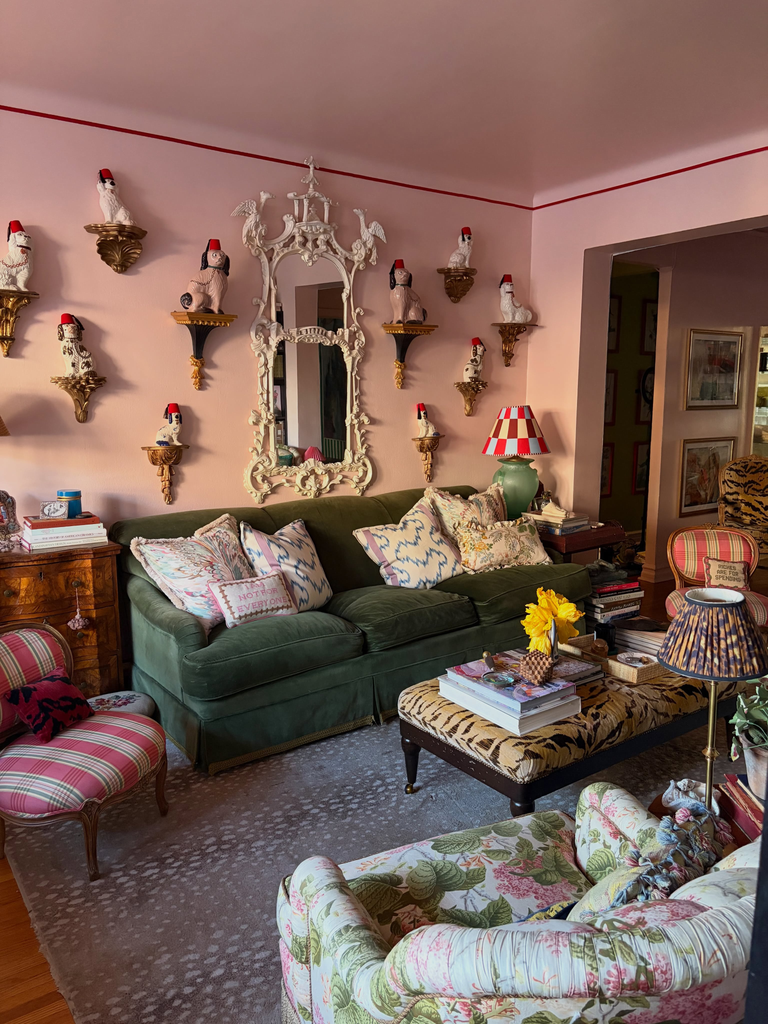
One of the most useful shifts I’ve noticed is the move away from buying a whole new look and toward rearranging what you already own, adding a few secondhand finds, and living with pieces that have a bit of history.
It’s good for your budget and your storage, and it makes a small apartment feel more personal than a catalog-perfect setup.
Before buying anything new, move your furniture and decor between rooms, swap pillows, and rehang art.
I once “bought” a whole new bedroom look by swapping my living room lamp, bedroom curtains, and a rug, and it cost me nothing. It also pairs nicely with seasonal swaps, whether that’s what I covered in my fall apartment decor ideas or my small apartment Christmas decor guide.
Small Apartment Decor Trends at a Glance
| Trend | Renter-Friendly? | Approx. Cost | Likely to Look Dated Soon? |
|---|---|---|---|
| Warm minimalism | Yes (textiles, accessories) | $20-60 | Low, neutrals age well |
| Color drenching | Partly (tonal styling works) | $0-80 styled, more if painted | Medium |
| Large mirrors | Yes (leaning) | $80-200 | Low |
| Curved furniture | Yes | $150-600 | Medium |
| Hidden storage | Yes (freestanding) | $60-300 | Low |
| Peel-and-stick wallpaper | Mostly, test first | $30-70 per roll | Medium |
| Gallery wall | Yes (removable strips) | $30-120 | Low |
| Floating shelves | Depends on lease | $15-60 | Low |
| Blue palette | Yes | $10-50 in accents | Medium |
| Silver accents | Yes | $3-30 thrifted | Medium |
| Solid or tonal rugs | Yes | $80-250 | Low |
| Small-scale pattern | Yes | $10-40 | Medium to high |
| Plants and natural materials | Yes | $5-60 | Very low |
| Secondhand and rearranging | Yes | $0-50 | Very low |
Three Small Apartment Trends I’d Skip
Not everything popular deserves floor space. I’d skip anything oversized, like a huge statement sectional or a giant sculptural light fixture that eats up headroom.
I’d also skip full maximalist pattern layering in a room under about 200 square feet, because it tends to make the space feel crowded rather than collected.
And I’d think twice before sinking money into permanent upgrades like built-ins or tile in a rental, since you can’t take them with you when the lease ends.
If I Were Starting Over This Weekend
I’d pick three of these, not fifteen: a big leaning mirror, a warm neutral swap in pillows and throws, and a few secondhand finds to give the place some character. That’s maybe $150 total and it would change the feel of the whole apartment.
The best small apartment decor trends are the ones that make your place feel more like you without taking up a single extra inch, and they’re the ones that survive after the trend cycle moves on.
If you’re also reworking the main seating area, my small living room ideas post is a good next step.
FAQs
What are the biggest small apartment decor trends right now?
Warm minimalism, oversized mirrors, hidden storage, curved furniture, peel-and-stick wallpaper, and a general shift toward using what you already own. Most of them focus on making a small space feel calmer and more personal.
How can I follow decor trends in a rental without losing my deposit?
Stick to removable options: textiles, leaning mirrors, peel-and-stick wallpaper (tested first), removable hanging strips, and freestanding furniture. Avoid anything that requires drilling, painting, or adhesive that hasn’t been tested on a hidden spot.
How much does it cost to refresh a small apartment with current trends?
A noticeable refresh can run $100-250 if you focus on a mirror, textiles, and a few accessories. Rearranging what you already own and shopping secondhand can bring that down considerably.
Which trends are safest if I don’t want my apartment to look dated quickly?
Plants, natural materials, warm neutrals, large mirrors, and good storage tend to last the longest. Highly specific patterns and bold colors are the most likely to feel dated, so keep those in cheap, swappable items like pillows and throws.
Do bold colors work in a small apartment?
They can, especially tonal or color-drenched looks, but test with removable options first. A bold color you love in a photo can feel overwhelming in a room with little natural light.
How do I make a small apartment feel bigger using current trends?
Use large mirrors, a solid or tonal rug, closed storage, and a limited color palette. Keep the floor as clear as possible and let walls and vertical space do the decorating.







Leave a Reply