
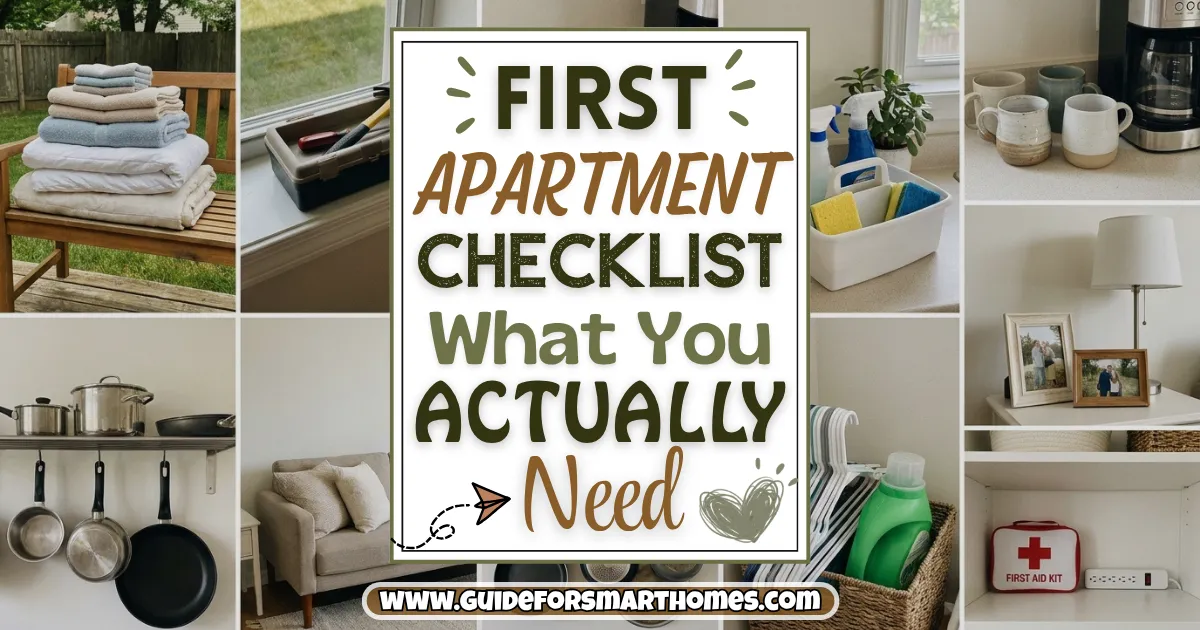
The night I moved into my first apartment, I had a mattress on the floor, four boxes of books, and no idea where my keys were. I also had a set of twelve wine glasses I’d bought on sale and no shower curtain.
I found out about the shower curtain at 10 p.m., standing in a bathroom with a very wet floor and a very bad plan. By the end of the first week I had bought two things twice and still didn’t own a plunger.
That’s why I wrote this first apartment checklist the way I’d want a friend to hand it to me: sorted by what you need on day one, what you need in the first month, and what can wait until you know how you actually live. Almost every list online tells you to buy everything at once, and almost every first-timer regrets it.
If you want the bigger picture of what living on your own is really like, my apartment living for beginners guide is a good starting point, and this post is the practical, room-by-room version.
The list covers paperwork and safety first (the unglamorous stuff that saves you money and stress), then each room, then a “skip it for now” list, a rough starter budget, and the mistakes I see first-timers make most.
Prices are rough ranges that vary a lot by city and by how much you buy secondhand, and the lease and legal notes are general, so always check your own lease and local rules.
Before You Sign: Lease and Budget Checklist
Read the whole lease, not just the rent and the move-in date. Look at the due date and late fees, the policies on pets, guests, and subletting, who handles repairs and how to request them, the notice you need to give before moving out, and what the deposit covers and when it’s returned. If something is unclear, ask for the answer in writing.
Then do the budget math honestly. Rent is only part of it: add utilities, internet, renters insurance, groceries, transportation, and a small cushion for the things you will forget.
A common rule of thumb is to keep rent to around a third of your income, but your situation may differ, so use it as a starting point. If you’re still choosing between a studio and a one-bedroom, my studio vs one-bedroom apartment comparison walks through the trade-offs.
Pro tip: Ask what’s included in rent and what the average utility bill was last winter and summer. The answer can change your real monthly cost by a surprising amount.
Move-In Day Checklist: Paperwork and Proof

Before you unpack a single box, walk through the apartment with your phone and take dated photos or video of every room, including existing scratches, stains, damaged blinds, and anything that doesn’t work.
Fill out the move-in condition form if your landlord provides one, and keep a copy. This is the best protection you have for your security deposit.
While you’re at it, set up the rest: arrange electricity and internet before move-in day if you’re responsible for them, change your address with your bank, employer, and the postal service, and get a copy of your keys and any building codes or fobs.
Ask for the maintenance contact in writing. A friend of mine, Ana, skipped the photos and spent two months arguing over a carpet stain that was there when she arrived, which is exactly the kind of fight a ten-minute video prevents.
Consider renters insurance too. It’s usually inexpensive compared with the cost of replacing your belongings, and some landlords require it, but quotes vary, so compare a few.
Safety and Security Basics

This is the part nobody puts on a decorating list, and it matters most. Test the smoke detectors and carbon monoxide detector (if there is one) the day you move in, and tell your landlord right away if any are missing or not working.
Check that doors and windows lock properly, and find out how to change or rekey locks if that’s allowed.
- A basic first aid kit and a flashlight with spare batteries
- A small fire extinguisher suited to kitchens, if your lease allows and you’re comfortable using one
- Emergency contacts saved in your phone and written down somewhere
- Knowing where the circuit breaker box and water shutoff valve are
That last one sounds boring until a pipe leaks at midnight. Take two minutes to find them and write down where they are.
Bedroom Essentials: Sleep Comes First
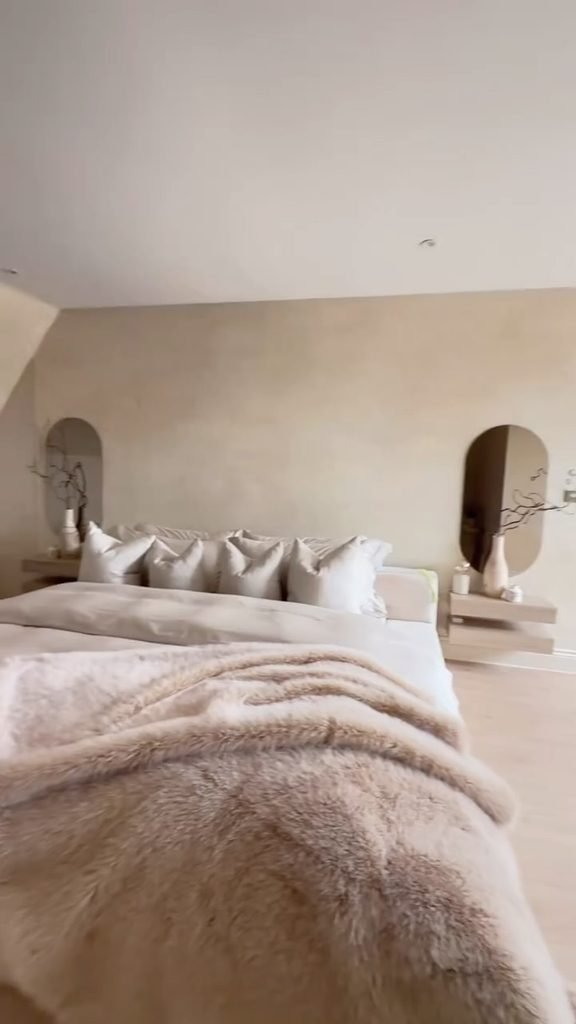
You’ll spend a third of your life in bed, so this is the one area where I’d spend a little more. A decent mattress, two sets of sheets, a comfortable pillow, and a comforter or duvet cover cover the basics.
Add blackout curtains if streetlights or early sun are a problem, plus a lamp, hangers, and a laundry hamper.
If your bedroom has a small closet, plan storage early with a tall dresser or under-bed bins, and see my guide to hanging curtains to make a small room look bigger for window treatments that don’t shrink the room.
If you want furniture that does two jobs, my multi-functional furniture guide is worth a look before you buy.
Living Room Essentials: Seating, Light, and a Place to Put Things
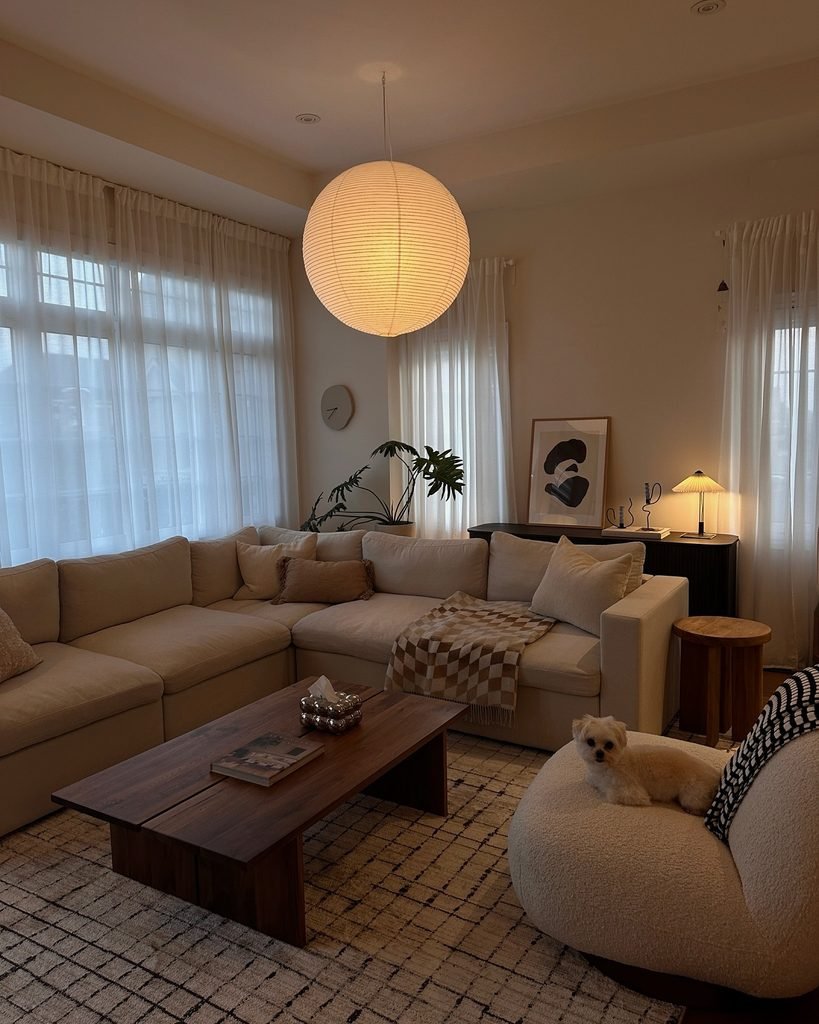
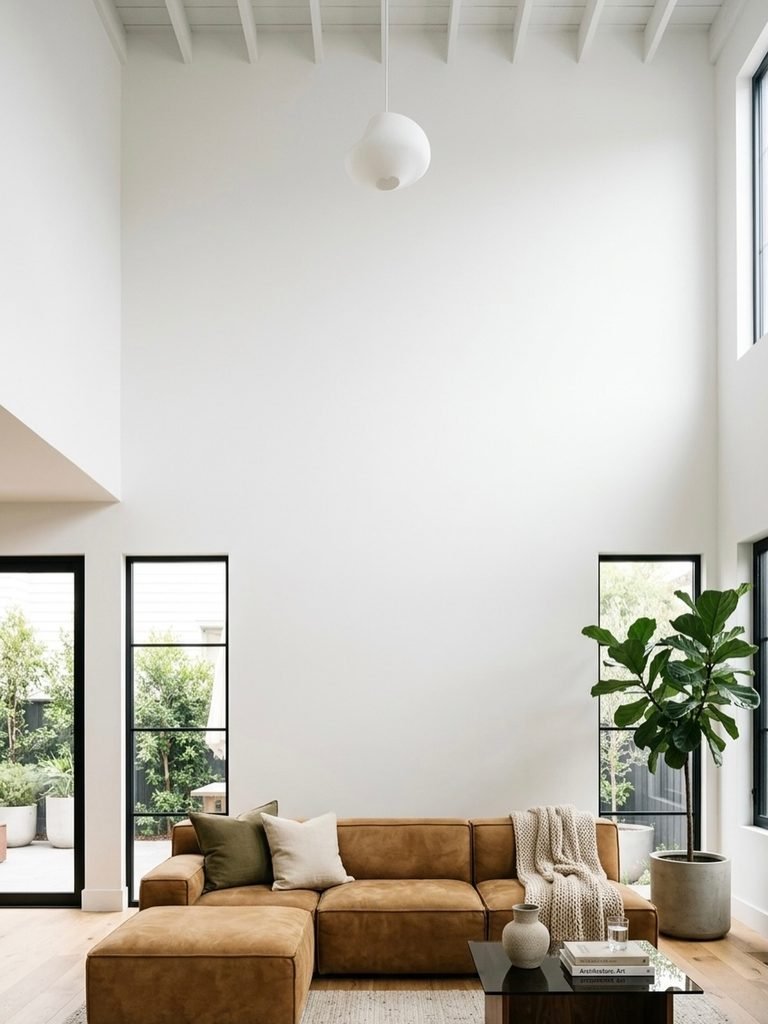
You need somewhere to sit, a surface for a drink, and decent lighting. That’s it for the first month. A compact sofa or loveseat, one side table, a lamp or two, and a surge protector for electronics cover most needs.
Skip the matching set and the big coffee table until you’ve lived in the space for a few weeks.
Think about guests, too. If you rarely host, a good sofa is more important than a guest bed.
If you do host, my guide to convertible sofa beds for small spaces breaks down your options, and my small living room ideas post shows how to arrange everything in a tight room.
Pro tip: Warm lamps beat the overhead light every time. A couple of lamps with warm bulbs make a bare rental feel like a home for about $30-60.
Kitchen Essentials: What You Actually Need to Cook
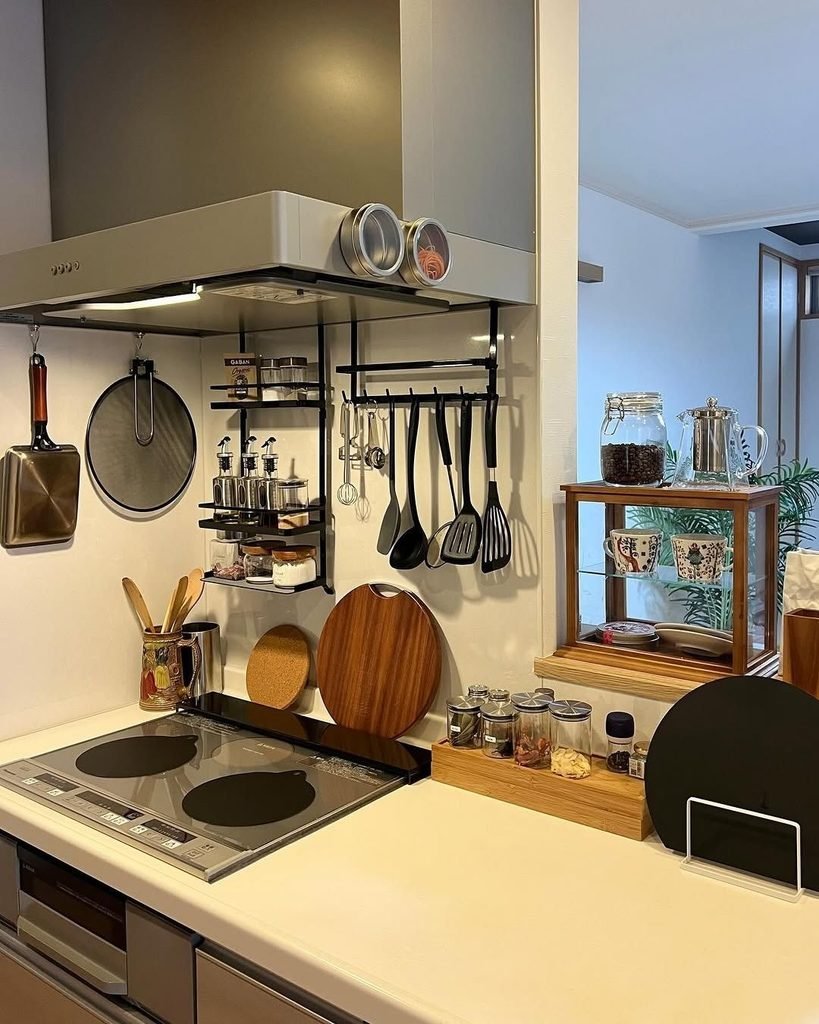
Most first-timers overbuy here. You can cook almost anything with a short list: one good chef’s knife, a cutting board, a frying pan, a saucepan with a lid, a larger pot, a baking sheet, a mixing bowl, a colander, a spatula, a wooden spoon, tongs, a can opener, a vegetable peeler, and measuring cups and spoons. For eating, four plates, four bowls, four mugs, four glasses, and four sets of utensils are plenty to start with.
- Food storage containers and a few kitchen towels
- A dish rack, dish soap, sponges, and a trash can with bags
- A kettle or coffee maker if you use one every day
Resist the urge to buy a set of twelve of anything, a blender you’ll use twice, or a knife block. Add tools as you discover what you actually cook.
If kitchen storage is tight, my guide to maximizing vertical space in a small apartment shows how to use walls and the space above cabinets.
Bathroom Essentials: Don’t Forget the Shower Curtain
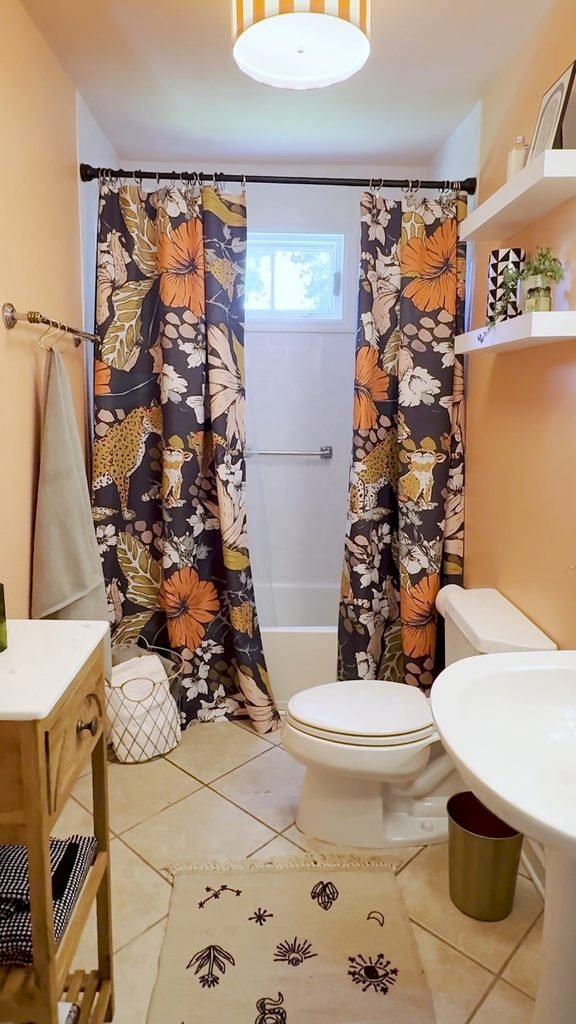
Learn from my wet-floor night: shower curtain, liner, and rings go on the list before anything else. Add a bath mat, two sets of towels, a toilet brush, a plunger, a trash can, toilet paper, and hand soap. A small caddy or over-the-door hooks help if you have no storage.
Keep the bathroom simple at first. A basket for toiletries and a shelf over the toilet is usually enough, and you can build from there once you see how much space you really have.
Cleaning Supplies and Laundry
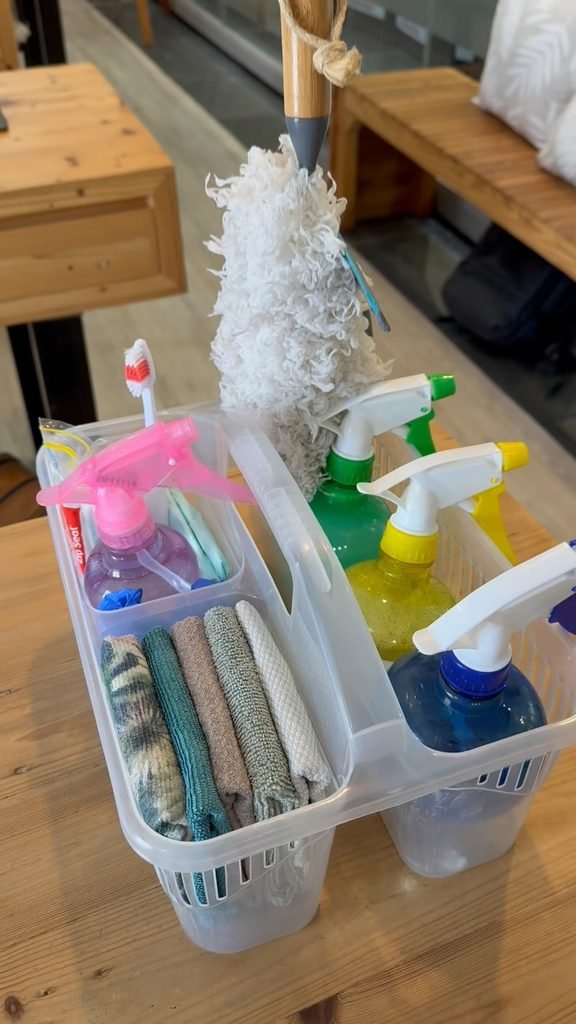
A clean apartment is easier to keep than a cluttered one, and the supplies are cheap. You need a broom and dustpan or a vacuum, a mop or a spray mop, all-purpose cleaner, glass cleaner, toilet cleaner, sponges, microfiber cloths, trash bags, and laundry detergent.
If there’s no laundry in your unit, add a laundry bag or hamper and a roll of quarters or a laundry app.
It’s worth doing a deep clean before you unpack, since it’s much easier to clean empty cabinets and drawers than full ones. Wipe down shelves, the inside of the fridge, and the bathroom first.
Basic Tools and a Small Repair Kit
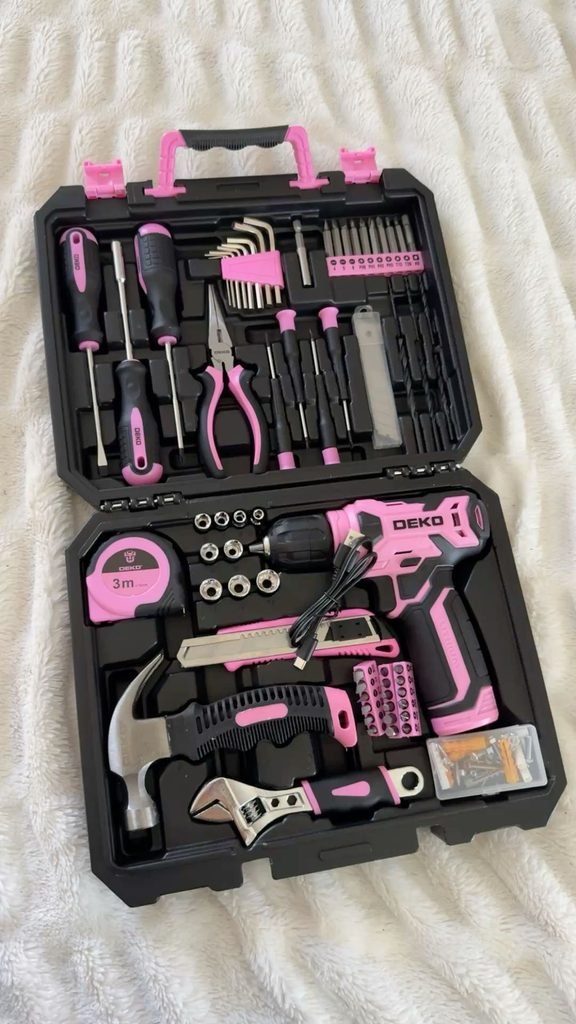
You don’t need a full toolbox. A screwdriver set (flathead and Phillips), a hammer, a tape measure, a small level, an Allen key set, pliers, a utility knife, and a roll of duct tape handle almost everything.
Add removable hooks and adhesive strips if your lease limits nails, and an extension cord or two.
Build furniture on a towel or a blanket so you don’t scratch the floor, and keep the assembly instructions and extra screws in a labeled bag. When you move out, you’ll be glad you did.
Entryway and Everyday Storage
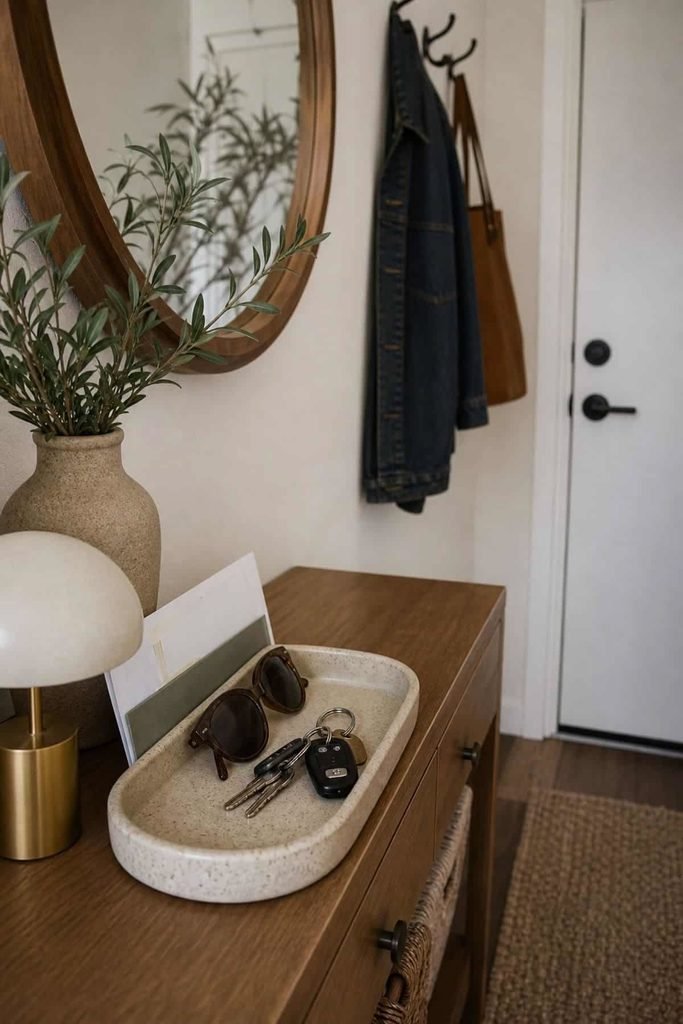
The entry is where small apartments fall apart. Hooks for coats and bags, a tray for keys, and somewhere to put shoes keep the pile from spreading into the living room. If you have nowhere to put a table, a wall shelf and a few hooks do the job.
For anything bigger, such as a dresser, a shoe cabinet, or a pantry unit, my guide to storage furniture for apartments shows which pieces actually hold their weight, and my post on space-saving furniture covers pieces that fold, stack, or double up.
Work-From-Home Essentials (If You Need Them)
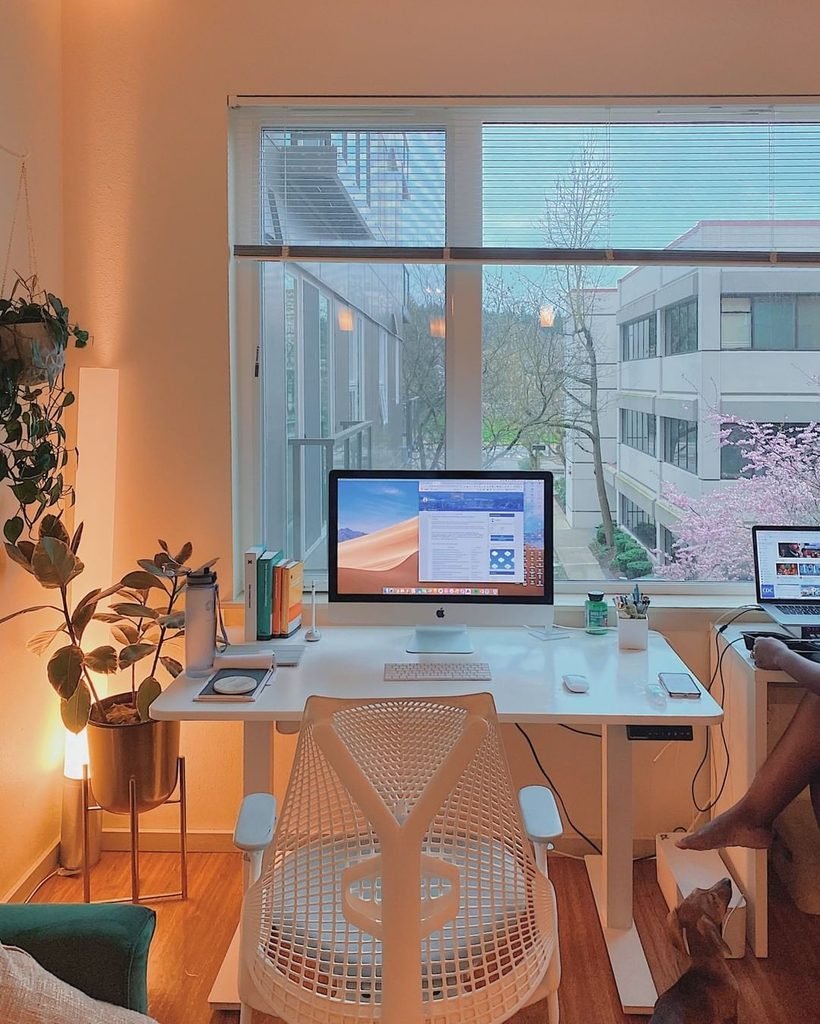
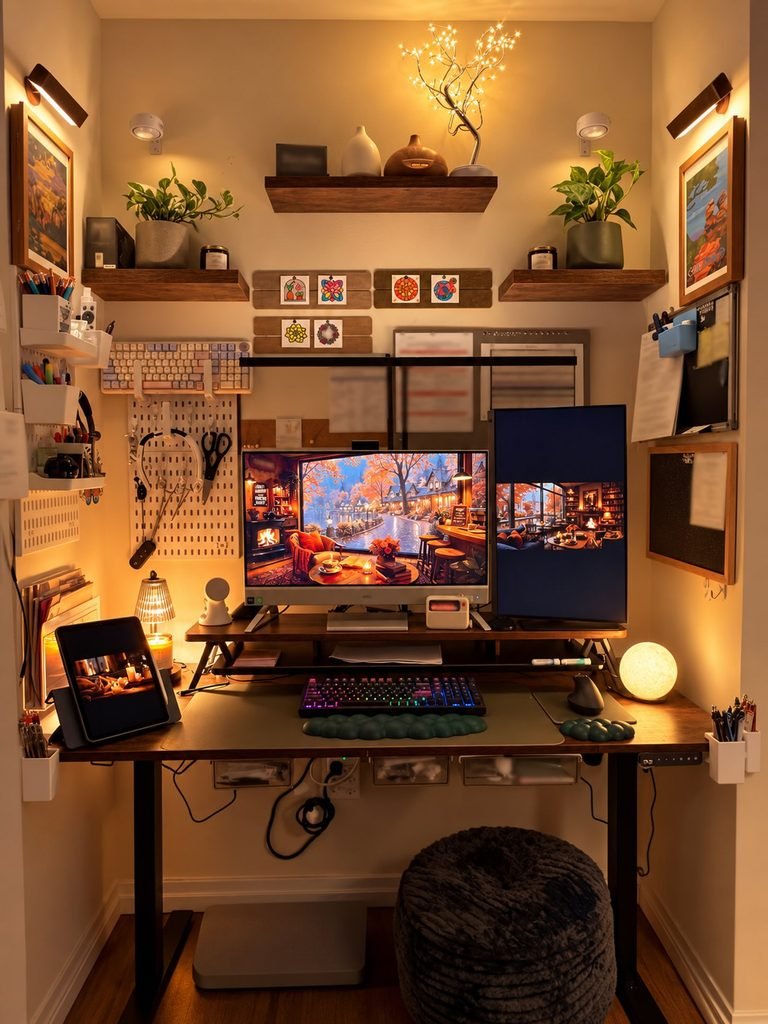
If you work or study from home, you need a stable surface, a decent chair, good light, and a way to hide the setup at the end of the day. A laptop stand and a separate keyboard make a big difference, and a small lamp helps with video calls. You don’t need a whole office, just a corner with a plan.
My guide to a home office in a small apartment covers desks, chairs, lighting, and cable tips. If you’re in a studio, my post on how to zone a studio apartment shows how to separate work from sleep without walls.
Layout, Lighting, and Making It Feel Bigger
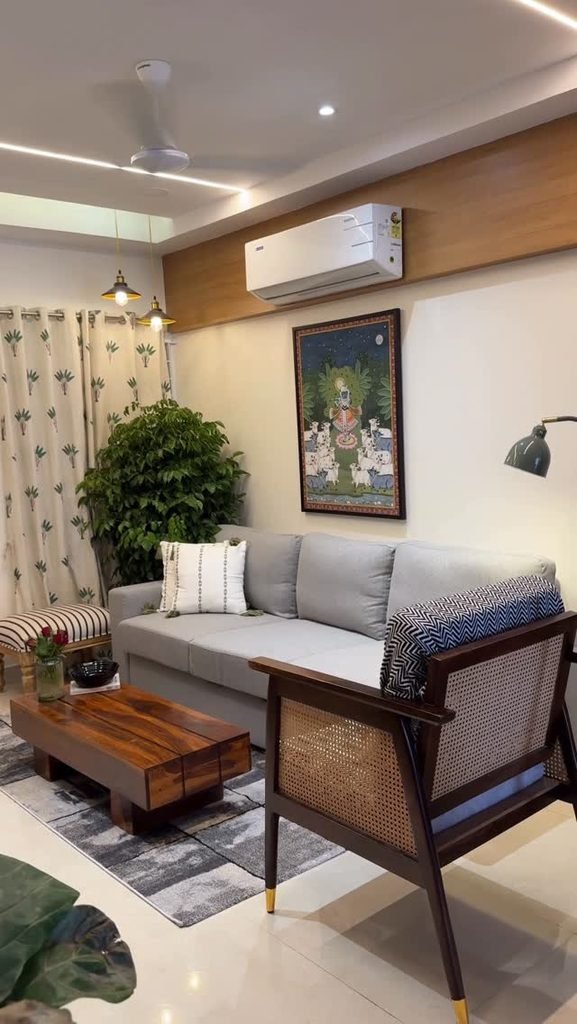
Before you buy more, arrange what you have. Keep walkways clear, put the biggest piece against the longest wall, and use mirrors and light colors to bounce light around.
For layout ideas in a one-room place, my studio apartment layout ideas are a useful reference, and my guide to making a small apartment feel bigger has easy tricks that cost almost nothing.
What You Need Now vs. What Can Wait
| Need Now (First Week) | Can Wait (First Month or Later) | Probably Skip |
|---|---|---|
| Mattress, sheets, pillow, blanket | Bed frame upgrades, headboard | Matching bedroom sets |
| Basic cookware and four place settings | Specialty gadgets, extra pans | Large knife blocks, 12-piece sets |
| Shower curtain, towels, toilet brush, plunger | Decor for the bathroom | Excess bath accessories |
| Lamps, a place to sit, a surge protector | Rug, coffee table, art | A huge TV stand or sectional |
| Cleaning supplies and trash bags | Vacuum upgrade, specialty cleaners | Single-use cleaning gadgets |
| Smoke detector check, first aid kit, flashlight | Extra security gear | Anything that duplicates what you own |
| Basic toolkit and removable hooks | Power tools | A giant toolbox |
Rough Starter Budget by Category
| Category | Rough Range (Mostly New) | Rough Range (Mix of Used and New) |
|---|---|---|
| Bedroom | $400-1,200 | $250-700 |
| Living room | $300-1,200 | $150-600 |
| Kitchen | $150-400 | $80-200 |
| Bathroom | $50-150 | $30-100 |
| Cleaning and laundry | $50-120 | $30-80 |
| Tools and safety | $40-120 | $30-80 |
These are very rough numbers and change a lot by city and by how much you already own. Treat them as a way to plan, not a rule. For help deciding where to save and where to spend, my guide to furnishing a small apartment on a budget goes step by step.
What to Skip (or Wait On) Until You’ve Lived There a While
Most of the pretty stuff can wait. Art, throw pillows, rugs, and fancy storage all work better when you know how you use the space. I waited two months before buying anything for my walls and ended up with much better choices.
When you’re ready, my small apartment decorating ideas post is a good place to start, and my roundup of small apartment decor trends shows what’s popular without chasing every trend.
The same goes for seasonal decor. You don’t need it in the first month, but when you’re ready, my fall apartment decor ideas and small apartment Christmas decor guides keep it small and renter-friendly.
Mistakes First-Timers Make (and How to Avoid Them)
The biggest mistake is buying everything at once, which leads to duplicates, clutter, and buyer’s regret. The second is skipping the move-in photos, which can cost you money at the end of the lease.
The third is ignoring safety basics like checking smoke detectors and locating the water shutoff. And the fourth is buying furniture before measuring doorways and stairs.
Another common one is overspending on things that look nice in photos but don’t help daily life. A good mattress, a good lamp, and a working kitchen matter far more than a coordinated throw pillow set.
A Simple First-Week, First-Month Plan
On day one, do the photos, check the detectors and locks, and set up your bed and bathroom. In the first week, get the kitchen basics, cleaning supplies, and a way to sit comfortably.
In the first month, add storage, a work spot if you need one, and the little things you discover you’re missing. After that, start thinking about decor and extras.
If I Were Moving Into My First Apartment Tomorrow
I’d take photos of everything, buy renters insurance, test the smoke detectors, and make a bed before dinner.
Then I’d buy only what I used in the first week and let the rest wait. It would cost me far less than my first attempt, and I’d have my shower curtain.
A good first apartment checklist isn’t about owning everything, it’s about having what you need to feel safe, rested, and fed, and then building the rest slowly as you learn how you actually live. That’s what makes the place feel like yours.
FAQs
What do I really need for my first apartment?
A bed and bedding, basic cookware and dishes, bathroom basics, cleaning supplies, lighting, somewhere to sit, a simple toolkit, and safety essentials like a first aid kit and a working smoke detector. Everything else can wait.
How much does it cost to furnish a first apartment?
It varies widely. A lean setup with a lot of secondhand pieces can cost under $1,000, while buying mostly new can run several thousand. Prioritize the bed, a place to sit, and kitchen basics first.
What should I do on move-in day?
Take dated photos or video of every room, note any damage in writing, check the smoke detectors and locks, set up utilities if needed, and keep copies of your lease and any move-in forms.
Do I need renters insurance?
It’s commonly recommended and sometimes required by landlords. It generally costs much less than replacing your belongings, but quotes vary, so compare a few and check what’s covered.
What can I skip buying for my first apartment?
Matching sets, specialty kitchen gadgets, lots of decor, and large furniture you haven’t measured for. Wait a few weeks to see how you actually use the space before buying extras.
How do I avoid overspending when furnishing a first apartment?
Make a need-now list and a can-wait list, buy secondhand where you can, and add things slowly. Living in the space for a few weeks usually shows you what you truly need.









Leave a Reply