
The first apartment I ever rented had a front door that did not fully lock unless you lifted the handle and shoved with your hip. I knew about it on move-in day.
I told myself it was “character,” never wrote it down, and eight months later my landlord tried to charge me for the damaged door frame. That one small shrug cost me part of my deposit, and it taught me more than any article could have.
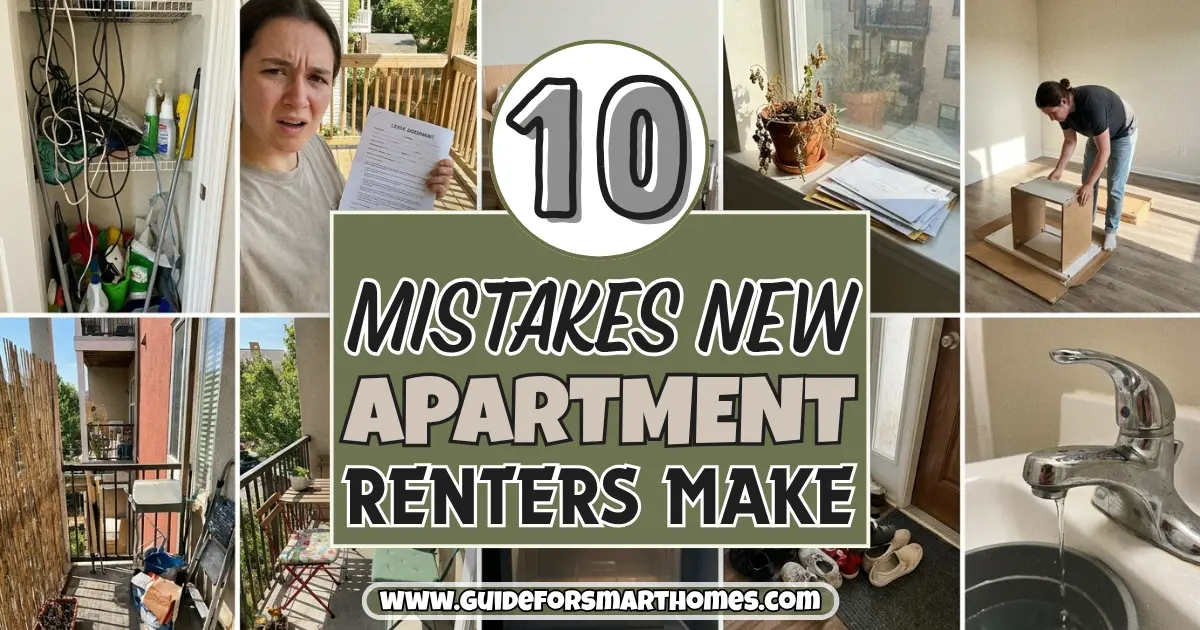
If you are about to sign your first lease, or you signed one last week and are now staring at a pile of boxes, this post is for you.
These are the mistakes new apartment renters make most often, and I have made a good number of them myself. Some of them cost money, some cost sleep, and a couple just cost me a very stubborn sofa stuck in a stairwell.
Before we dive in, if you want a bigger picture of what living on your own actually involves, my guide to apartment living for beginners covers the basics, and the first apartment checklist is a good companion to keep open while you read this one.
I will point you to a few more of my posts along the way when a topic deserves a deeper look.
One note on how this is organized: I put these in roughly the order you will run into them, from the lease signing all the way to the decorating stage, so you can read straight through or jump to whichever stage you are at right now.
1. Signing the Lease Without Actually Reading It
Nearly everyone skims a lease. It is twelve to twenty pages of dense legal language, and by the time you get it, you have already fallen in love with the apartment. But the lease is the only document that decides who pays when something goes wrong, so it is worth an hour of your attention before you sign.
Here is what I read for now, in this order: the lease length and what happens at the end of it, the early termination or “break lease” fee, the pet policy, the guest policy, the rules on subletting, and the section about who handles repairs.
Auto-renewal clauses are the sneaky one. Some leases roll into a new term, or into a more expensive month-to-month arrangement, unless you give written notice 30, 60, or even 90 days ahead of time.
My friend Danielle found out the hard way that her lease required 60 days’ written notice before moving out. She gave 30, because that is what her last place needed, and paid an extra month of rent on an apartment she had already emptied. Nobody was being shady about it. It was just printed on page eleven.
Pro tip: Take a highlighter, or a digital equivalent, and mark every date and every dollar amount in the lease. Then put the dates, especially the notice deadline, straight into your phone calendar with a reminder set two weeks earlier. If something confuses you, ask for the answer by email so you have it in writing.
Also keep in mind that you can usually ask questions before signing, and sometimes negotiate. A few readers have told me they asked for a lower pet fee or a later move-in date and got it simply because they asked politely. If you are deciding on the type of place itself, my comparison of a studio vs one bedroom apartment breaks down how the cost and the lifestyle trade-offs really differ.
2. Budgeting for Rent Only (and Forgetting the Real Move-In Costs)
Rent is the number everyone focuses on, and it is rarely the number that empties your account in the first month.
Between the deposit, the first month’s rent, application fees, pet fees, parking, utility setup, and the cost of actually furnishing the place, the true price of moving in is often well above two months of rent.
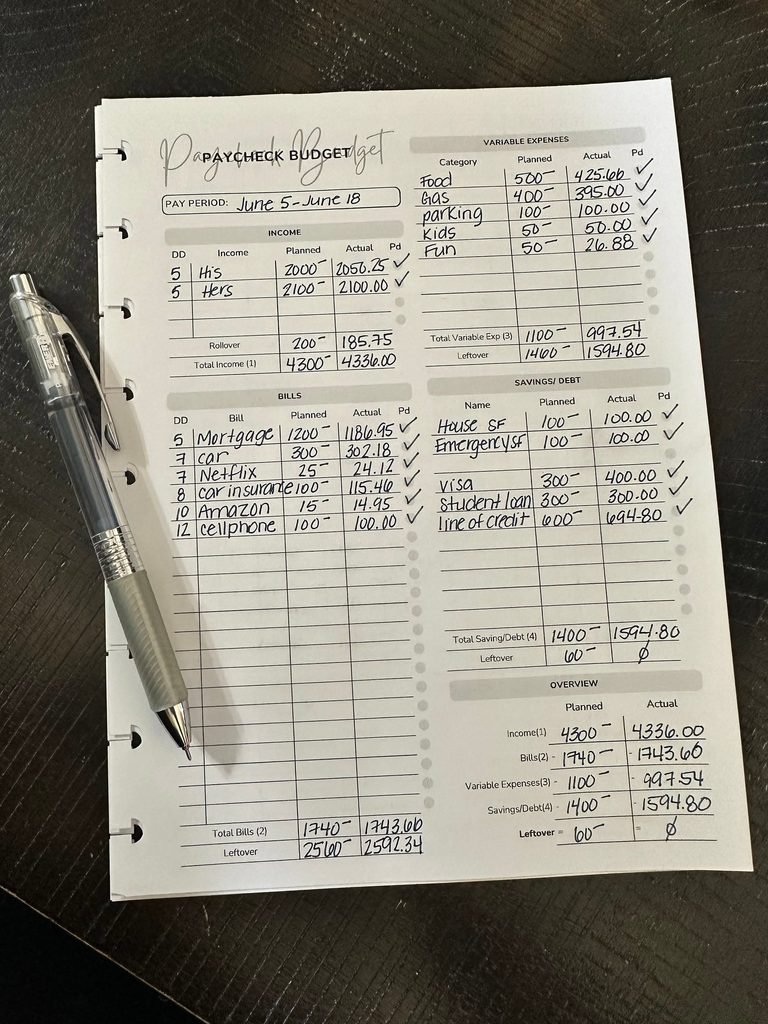
The general rule of thumb you will see is keeping rent at or below about 30 percent of your gross income. I treat that as a starting point, not a law. In an expensive city it may be unrealistic, and in a cheaper one you might aim lower so you can build savings.
What matters more is that you map out your whole monthly picture before you sign: rent, electric, internet, renters insurance, groceries, transportation, and a little cushion for the things nobody plans for.
Here is the rough breakdown I wish someone had handed me. Treat the ranges as ballparks, since they vary a lot by city and landlord.
| Move-In Cost | Typical Range | What to Watch For |
|---|---|---|
| Security deposit | Often one month’s rent, sometimes more or less | Many states cap it, so look up your local rule |
| First month’s rent | Your monthly rent | Ask if the first month is prorated |
| Application and admin fees | Usually tens of dollars up to a couple hundred | Ask which fees are refundable |
| Utility and internet setup | Varies, some require deposits | Ask what is included in rent |
| Renters insurance | Commonly a modest monthly premium | Some leases require proof before move-in |
| Basic furnishing | From a few hundred to several thousand | This is the easiest category to overspend on |
If money is tight, you are not alone, and it is absolutely possible to do this without maxing out a credit card. My guide to furnishing a small apartment on a budget walks through what to buy first and what can wait.
3. Skipping the Move-In Inspection and Photos
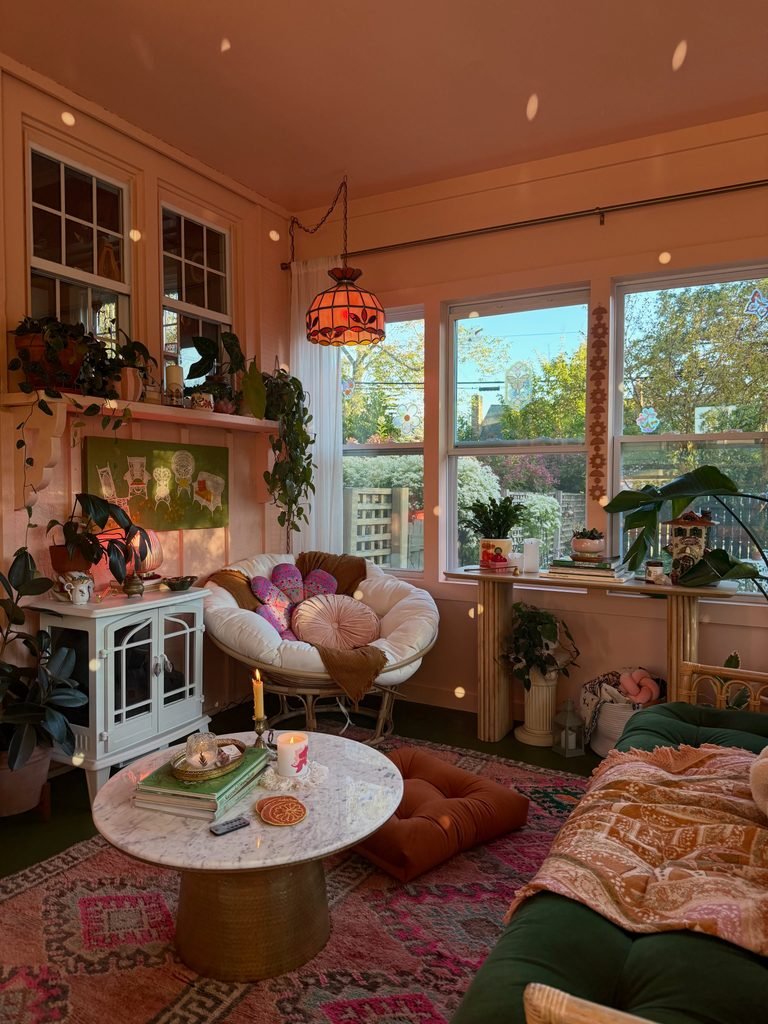
This is the mistake that cost me part of my deposit, so I feel strongly about it. Your security deposit is your money held in trust, and the landlord’s right to deduct from it usually depends on what they can show was damaged during your stay, as opposed to before it. Without proof of the starting condition, it becomes your word against theirs.
On move-in day, before a single box comes inside, walk through every room with your phone. Take a wide photo of each wall, close-ups of anything scuffed, stained, chipped, or loose, and a short video where you open every cabinet, run every faucet, flip every switch, and test every outlet.
Check the oven, the dishwasher, the window locks, and the smoke detectors. Then send everything to your landlord or property manager by email so the date is stamped.
Many landlords hand you a condition form at move-in. Do not just sign it. Add your own notes in the margins, and ask for a copy. A reader named Priya told me she noted a water stain on her ceiling in the first week, and when it later turned into a leak she was never blamed, because the email was timestamped before the damage got worse.
Pro tip: Take photos again right before you move out, in the same order. A matching before and after set is the strongest tool you have for getting your full deposit back.
If you have not packed or planned the move itself yet, the first apartment checklist has a move-in section you can print and bring along.
4. Skipping Renters Insurance Because “I Do Not Own Much”
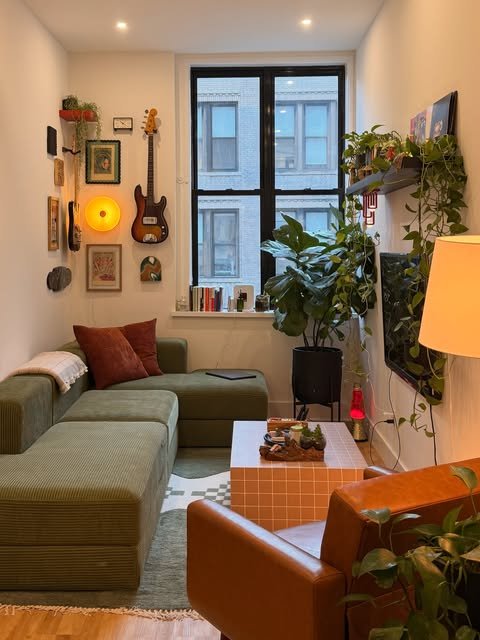
I hear this one constantly. “I have a laptop and a mattress, so why bother?” Add up what you actually own, though: clothes, shoes, kitchen basics, electronics, the bed, the desk, your bike. Replacing all of it at once would cost far more than most people expect.
Renters insurance is usually inexpensive compared to what it covers. It typically protects your belongings from things like fire, theft, and certain kinds of water damage, and it often includes liability coverage if a guest gets hurt in your home or you accidentally cause damage to the building.
Your landlord’s insurance covers the structure, not your stuff, which is the part many first-time renters miss.
Some leases require proof of coverage, so check yours. When shopping, compare how much personal property coverage you get, what the deductible is, and whether the policy pays you replacement cost or the depreciated value of an item. Bundling with an auto policy can sometimes lower the price, so ask.
This is general information and not insurance advice, so read the policy details for your own situation.
5. Buying Furniture Before You Measure Anything
Let me tell you about my sofa. It was a gorgeous, deep, slightly overstuffed thing that looked perfect in the showroom and in my imagination. It also did not fit through the stairwell turn at my building, and I spent a Saturday afternoon and a hundred dollars on a helper finding that out.
Measure twice, and measure more than the room. You need the width of the doorways, the hallway, the elevator, the stairwell turns, and the narrowest point on the delivery path.
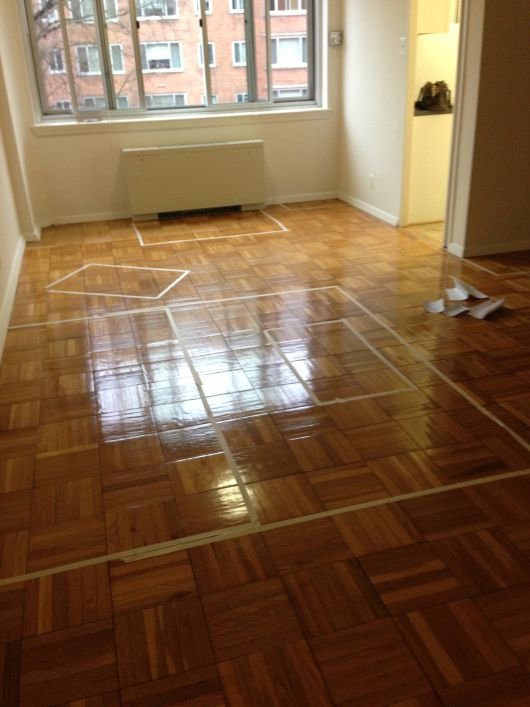
Then measure the spot where the piece will live, plus the clearance around it for opening doors, drawers, and walking past. Mark the footprint on the floor with painter’s tape so you can feel how much room it really takes.
Small spaces punish bulky furniture more than anything else. Pieces that do two jobs, like a bed with drawers underneath or a table that folds flat, earn their keep fast. I wrote up my favorites in my guide to multi-functional furniture for a small apartment, and if you sleep and live in the same room, the roundup of convertible sofa beds for small spaces is worth a look.
If you are still deciding how to arrange everything once it is through the door, my studio apartment layout ideas and small living room ideas are both full of layouts you can borrow.
Pro tip: Before ordering anything big, check the return policy and ask whether it ships flat or fully assembled. Fully assembled pieces are the ones that get stuck, and many stores charge a restocking fee that wipes out any savings.
6. Not Testing the Apartment During the Tour
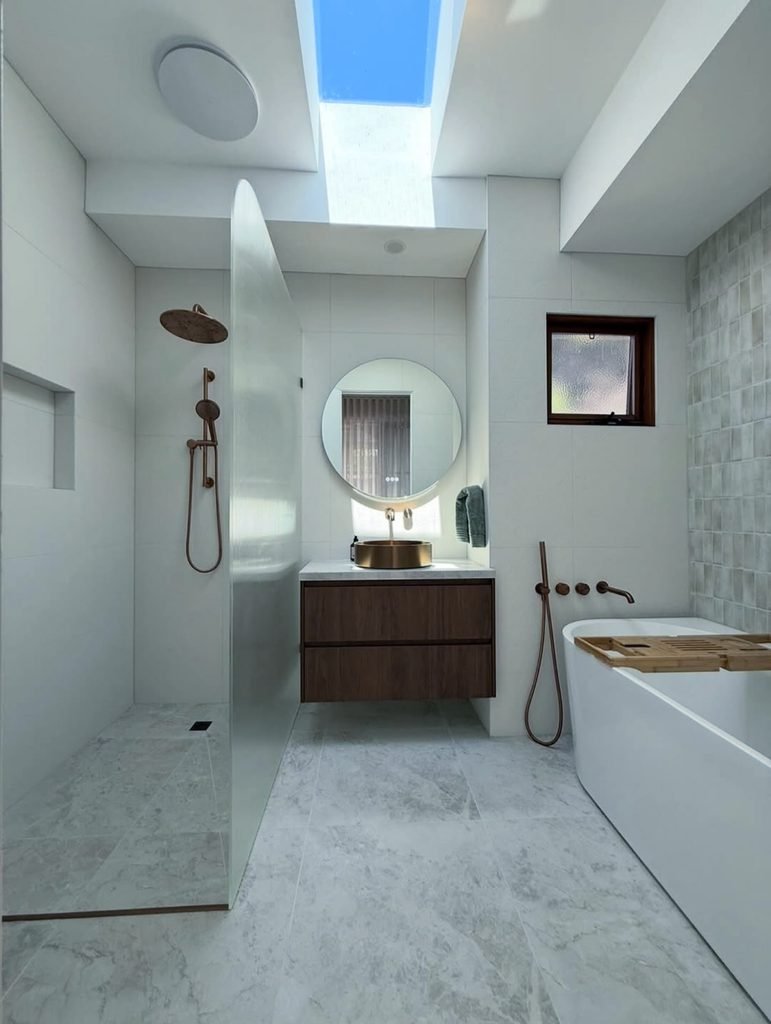
A tour is usually fifteen minutes of a leasing agent pointing at granite and saying “natural light.” It is easy to leave with a great impression and miss the unglamorous stuff that you will live with every single day.
Here is my quick test list. Turn on the shower and see how the water pressure and temperature behave. Flush the toilet. Open and close every window and door. Check your phone signal in the bedroom and the kitchen, since some buildings are dead zones.
Look at where the outlets are, and whether there are enough. Stand quietly for a minute and listen for traffic, neighbors, or a loud HVAC unit.
If you can, visit a second time at a different hour. A street that is peaceful on a Tuesday at 2 p.m. can be a different place on a Friday night.
Look at the parking situation, the trash area, and the laundry setup too, because those shape your daily routine more than a fancy backsplash does. And ask current tenants how the building handles repairs if you happen to bump into one in the hallway.
Natural light also deserves a real look rather than a glance. A north-facing apartment can feel dim in winter, and that changes which colors and lighting you should plan for. My tips on how to make a small apartment feel bigger include several ways to work with limited light.
7. Making Permanent Changes Without Asking First
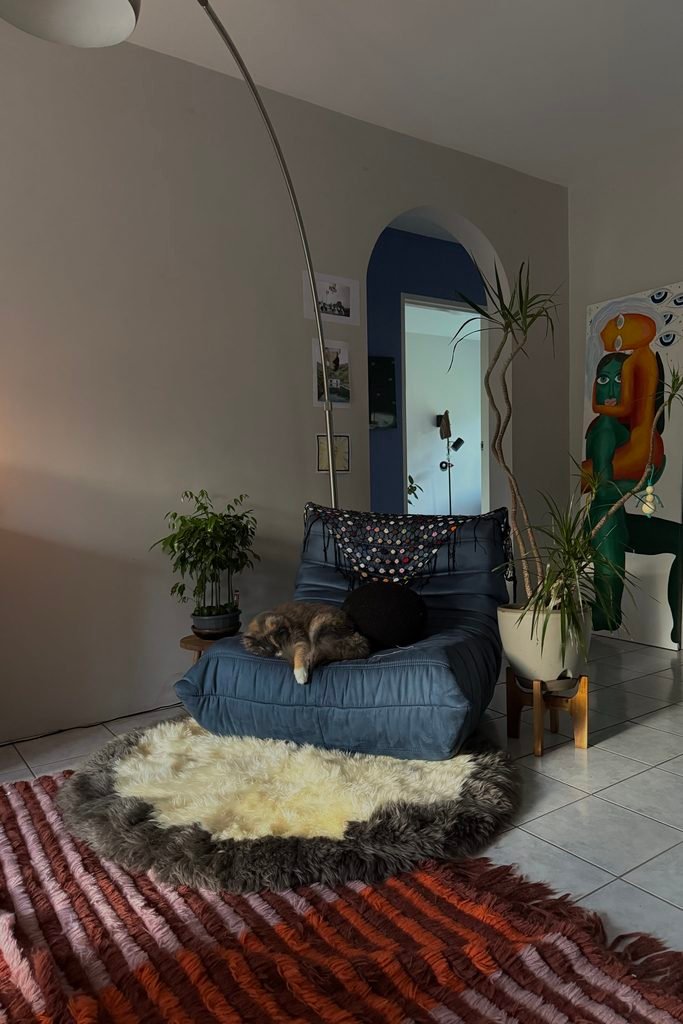
Painting the walls, drilling into tile, swapping out a light fixture, or sticking up wallpaper can all feel like harmless personal touches. In a rental, any of them can be treated as damage, and you may owe the repair cost or the cost of restoring the original look.
Always ask first, and get permission in writing. Some landlords are happy to approve a paint color if you agree to repaint before you leave, and some will even let you do an accent wall. Others have a strict no-paint policy. Either way, the written answer protects you.
The good news is that there are plenty of renter-friendly ways to make a place feel like yours. Here is a comparison of the options I use most often.
| Option | Best For | Trade-Off |
|---|---|---|
| Removable adhesive strips and hooks | Light frames, calendars, small decor | Weight limits are real, and they can fail on textured walls |
| Leaning art on a shelf or the floor | Large pieces you do not want to hang | Needs floor or surface space |
| Peel and stick wallpaper | An accent wall or inside a bookcase | Can pull paint on poorly painted walls, so test a small hidden patch first |
| Tension rods | Curtains, closet shelves, under-sink storage | Not great for heavy fabric |
| Plug-in wall sconces | Better lighting without an electrician | Cord management takes some effort |
| Area rugs and textiles | Covering dated flooring and adding warmth | Use a rug pad to protect the floor |
I tried the cheapest over-the-door hook set I could find when I first moved in, and it fell off with a full tote bag on it within a week. I now buy the higher-rated adhesive hooks and follow the instructions exactly, including the full hour of wait time before hanging weight. It sounds fussy, and it makes all the difference.
Pro tip: Curtains are the cheapest transformation available to a renter. Hang the rod higher and wider than the window frame and the whole room looks taller. I go into the details in my guide on how to hang curtains to make a small room look bigger.
8. Ignoring Storage Until the Boxes Will Not Go Away
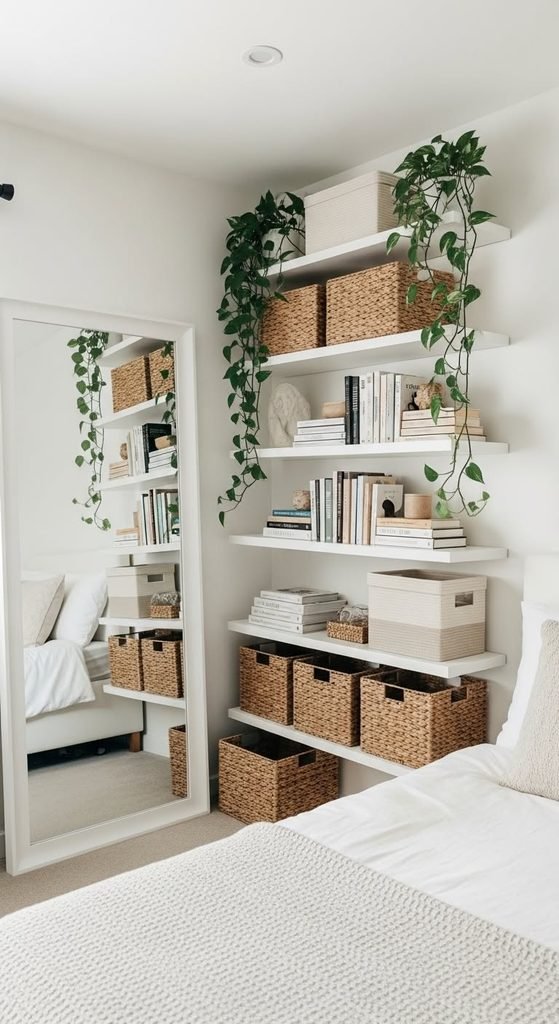
Most new renters unpack, discover that the closet is the size of a phone booth, and then live out of boxes for three months. Storage is easier to plan before you buy a single decor item than after the clutter has already taken over.
Start by walking through the apartment and looking up. Walls, the backs of doors, and the space above the furniture are almost always underused.
Tall, narrow shelving and wall-mounted rails (with permission, or using no-drill options) take advantage of height that you are already paying rent for. My full breakdown of how to maximize vertical space in a small apartment goes through each room.
Next, think about furniture that stores things for you: an ottoman with a lid, a bed frame with drawers, a bench with cubbies.
When one purchase solves two problems, you spend less and clutter less. I rounded up my favorites in storage furniture for apartments, and the broader category of space saving furniture is a smart place to start if you are shopping from scratch.
A reader named Marcus emailed me about the one rule that fixed his tiny place: nothing new comes in unless he already knows where it lives. It sounds strict, and he says it saved him from three impulse buys in the first month alone.
9. Handling Repair Requests by Phone or Text Only
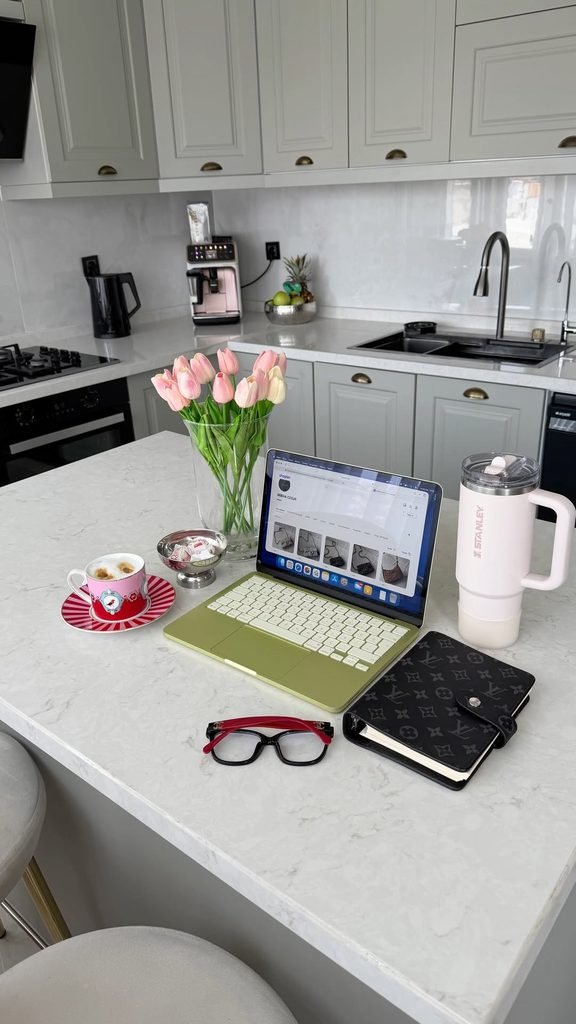
When something breaks, calling the office feels faster. It often is faster, and it also leaves you with no record. If the same leaky faucet drips for six weeks and your landlord says they never heard about it, you have nothing to point to.
The better habit is to report problems in writing, using the method your lease specifies, which is often an online portal or email. Describe the problem, include a photo or short video, mention the date you first noticed it, and ask when you can expect someone.
Keep a simple folder with everything. If it is urgent, like a heating failure in winter or a serious leak, call as well, then follow up in writing right away.
Know your own responsibilities, too. Many leases make you responsible for small things like replacing light bulbs or batteries in smoke detectors, and for damage you cause. If you are unsure whether something is on you or on them, ask in writing before you attempt a fix.
Tenant rules on repairs and response times vary by location, so a quick search for your local tenant rights is time well spent.
If you are working from home, you will notice problems like weak internet or noisy pipes faster than most. My guide to setting up a home office in a small apartment covers how to carve out a workspace even when you do not have a spare room.
10. Furnishing and Decorating Everything at Once
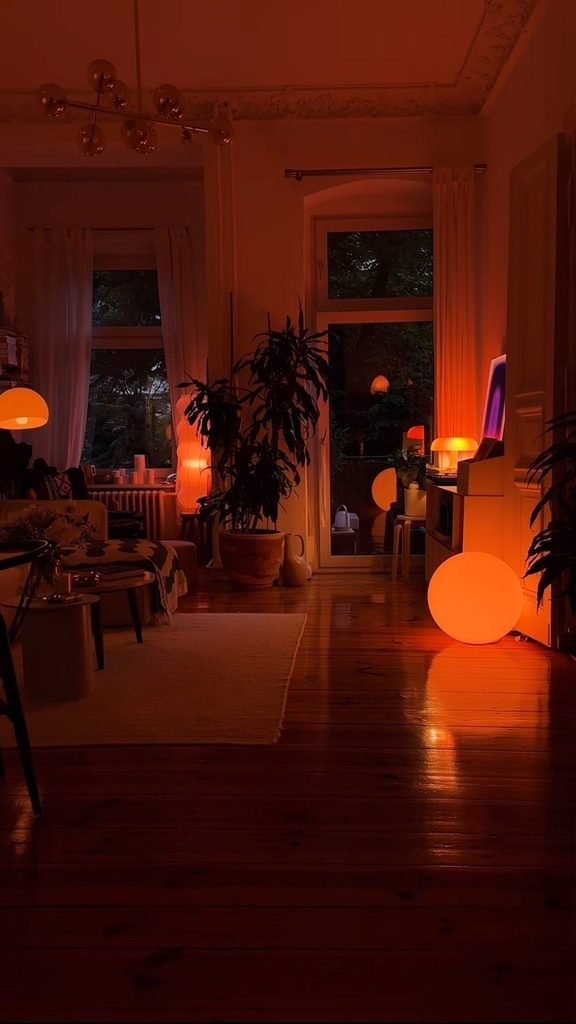
The pull to make the place feel finished fast is strong. You finally have your own space, and an empty one feels a little sad. But buying everything in the first two weeks is how people end up with furniture they do not like, in a layout that does not work, and a credit card balance to match.
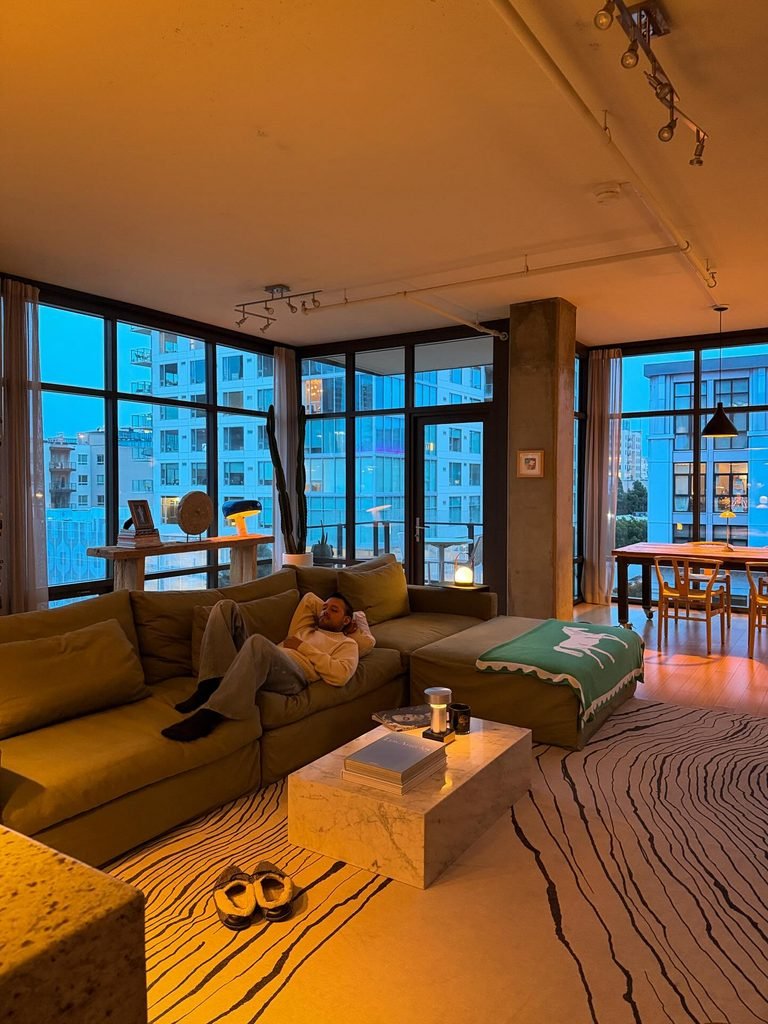
I now follow a slower approach. Buy the true essentials first: a bed, a place to sit, a way to eat, and lighting. Then live in the space for a few weeks. You will quickly notice where you drop your keys, where you want a lamp, and which corner stays empty. Those observations are worth far more than a Pinterest board.
If you need the apartment to feel better in the meantime, focus on small, inexpensive swaps: a throw blanket, a plant, better light bulbs, and a good rug. They change the feel of a room without locking you into big decisions.
When you are ready to commit, my overview of small apartment decorating ideas and the latest small apartment decor trends can help you choose a direction that suits you rather than the algorithm.
Seasonal decor is a particularly good place to hold back and have fun on a small budget. When the time comes, I have ideas for fall apartment decor ideas and for small apartment Christmas decor that will not take over your counter space.
Pro tip: If your place is a studio, you may feel like everything has to share one room. Dividing the space into zones, one for sleeping, one for living, one for working, makes a studio feel larger and calmer. I explain exactly how in my post on how to zone a studio apartment.
Frequently Asked Questions
What is the biggest mistake first-time renters make?
If I had to pick one, it is not documenting things. Skipping the move-in photos, not putting requests in writing, and not noting lease deadlines cause most of the expensive surprises I hear about. Everything else tends to be fixable, but missing proof is hard to recreate after the fact.
How much should I budget beyond rent when moving into an apartment?
Plan on a security deposit, the first month’s rent, any application or pet fees, utility and internet setup, renters insurance, and at least a basic round of furnishing. In many cases the total is well over twice the monthly rent.
Ask the property manager for a full list of upfront fees before you apply so nothing catches you off guard.
Do I really need renters insurance?
Your landlord’s policy generally covers the building, not your belongings. Renters insurance covers your things and often provides liability protection, usually for a modest monthly cost. Some leases require it outright, so check yours.
How can I get my full security deposit back?
Document the condition on move-in and move-out with dated photos, report damage promptly in writing, clean thoroughly, and follow the lease’s move-out instructions. Rules about timing and allowed deductions differ by state, so look up your local requirements.
Can I decorate a rental without losing my deposit?
Yes. Use removable hooks and adhesive strips, lean larger art on surfaces, add rugs, curtains, and plug-in lighting, and ask in writing before painting or making any permanent change. Many landlords are flexible if you ask first.
Should I buy all my furniture before I move in?
I would not. Buy the essentials, live in the space for a few weeks, and let your real habits tell you what the room needs. It prevents impulse purchases and gives you time to measure properly.
What should I look for during an apartment tour?
Check water pressure, phone signal, outlet placement, window condition, noise levels, and parking. If possible, visit at a different time of day than your first tour so you get a more honest read on the neighborhood.
What I Would Do First If I Were Starting Over
If I could go back to that apartment with the stubborn door, I would do three things before anything else.
I would read the lease with a highlighter, I would take a slow, thorough walkthrough video on move-in day and email it to myself and the landlord, and I would measure every doorway before buying a single piece of furniture. None of these is glamorous, and all of them would have saved me real money.
The rest, the rugs, the lamps, the perfectly styled shelf, can come slowly. Your first place does not need to look finished in the first month. It needs to be safe, documented, and set up so that you actually enjoy coming home to it. And if you are ready for the fun part now, my guide to small apartment decorating ideas is a good next stop.










Leave a Reply