

The first closet I ever organized had wire shelving, and I loved it for exactly one week. Then I noticed my favorite gray sweater had faint parallel lines pressed into it, like a very sad waffle, and a pair of earrings had slipped through the gaps and vanished into the void behind my shoe boxes.
I swore I’d never use wire shelving again. Two years later I was happily using it in my laundry closet and wouldn’t have it any other way.
That’s the real answer to the wire shelving vs wood shelving question: neither is “better” everywhere. They solve different problems, and the right one depends on what you’re storing, how much weight it needs to hold, how much you want to spend, and whether you rent. If you’re still planning the whole closet, my guide to closet organization on a budget is a good companion to this comparison.
Below I compare the two across the things that actually matter: cost, strength, ventilation, looks, what each does well (and badly) with clothes, shoes, and small items, installation, renting, and lifespan. There are three tables, a “best choice by closet type” guide, and FAQs. Prices are rough ranges that vary by store and region, so always check current listings and the manufacturer’s weight ratings before you buy.
The Short Answer: Which One Should You Choose?
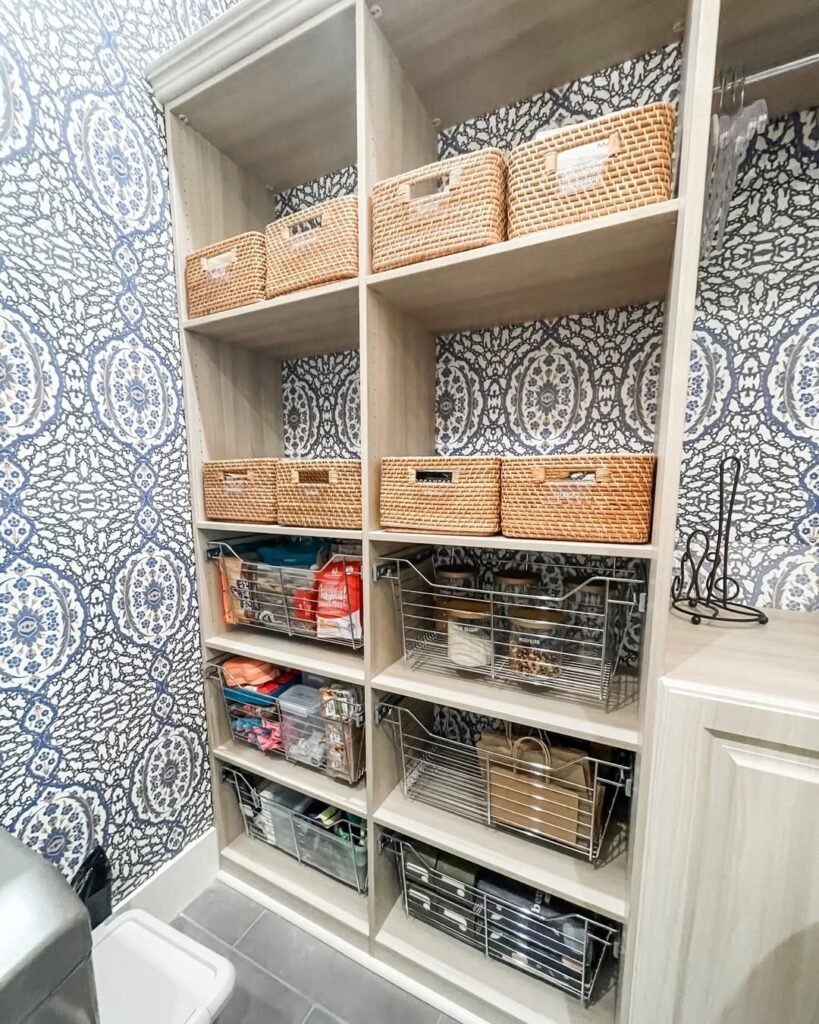
If you want the cheapest, most flexible, most breathable option that holds a lot of weight, wire shelving is hard to beat, especially for linens, pantry items, shoes in boxes, and utility closets. If you want a cleaner look, a smooth surface for folded clothes and small items, and a more finished feel, wood is usually the better choice, especially in bedroom closets.
Many people end up with a mix: wire for hanging rods and heavy-duty shelves in utility spaces, wood or lined shelves where clothes and small things live. I’ll show how to combine them below.
What Counts as Wire Shelving and Wood Shelving?
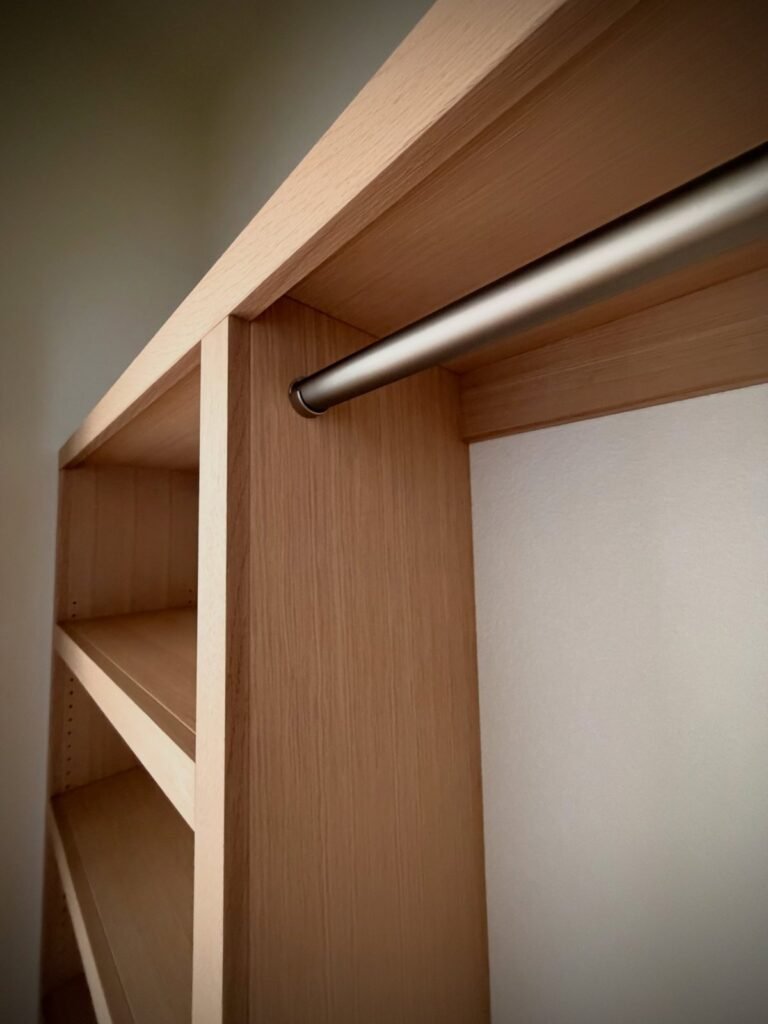
Wire shelving is usually coated or plated steel, formed into a grid, and comes in fixed or adjustable systems. Coatings like white epoxy are common, and some are chrome or wire with a rubber coating. Wood shelving includes solid wood, plywood, and engineered options like MDF, melamine, and laminate-faced particleboard, and each behaves differently in terms of strength, moisture, and cost.
That last point matters. Solid wood and good plywood are strong and hold up well, but cheaper engineered boards can sag or swell if they get damp. So when comparing, make sure you’re comparing the specific material, not just “wood.”
Cost: Wire Is Usually Cheaper, but Not Always
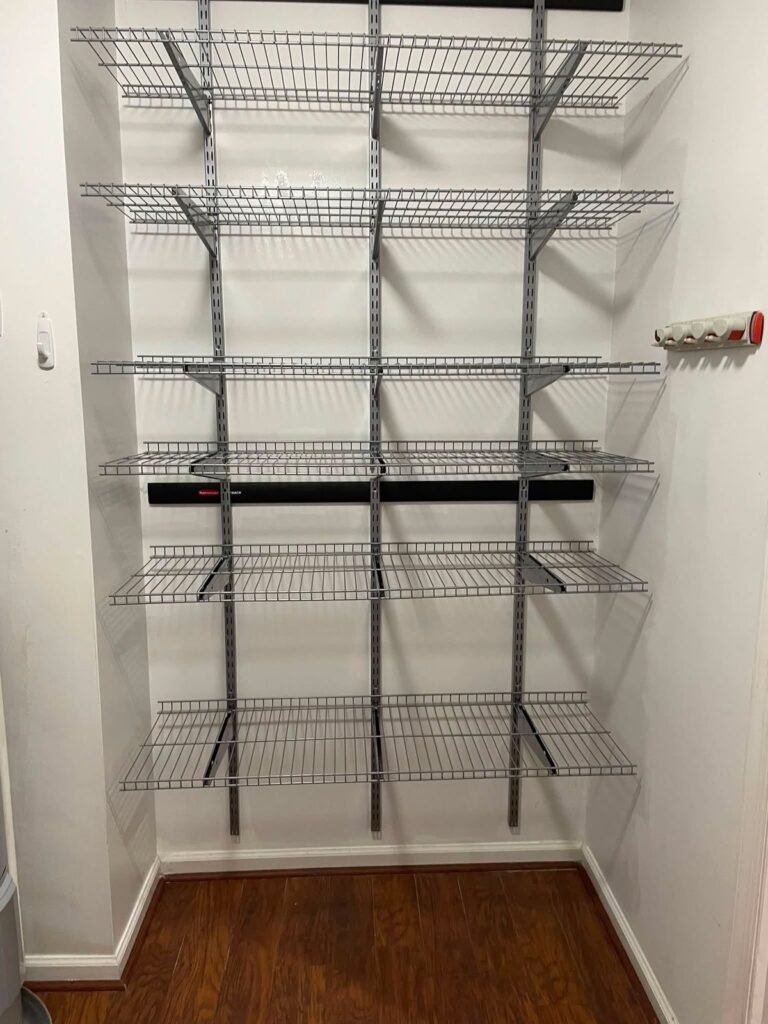
In general, wire shelving costs less per foot than wood, and it’s sold in kits with brackets, rods, and hardware included. A basic wire shelf kit can run roughly $20-70 per shelf-and-rod section. Wood shelves vary widely: simple shelf boards might cost $15-60 each, while a custom wood or modular wood closet system can run from a few hundred to well over a thousand dollars.
Wire is the budget-friendly pick for large areas, like a full walk-in or a garage, while wood costs more upfront but can look more polished. If cost is your top priority, start with wire for the big, hidden shelves and spend your wood budget only where it shows.
Strength and Weight Capacity
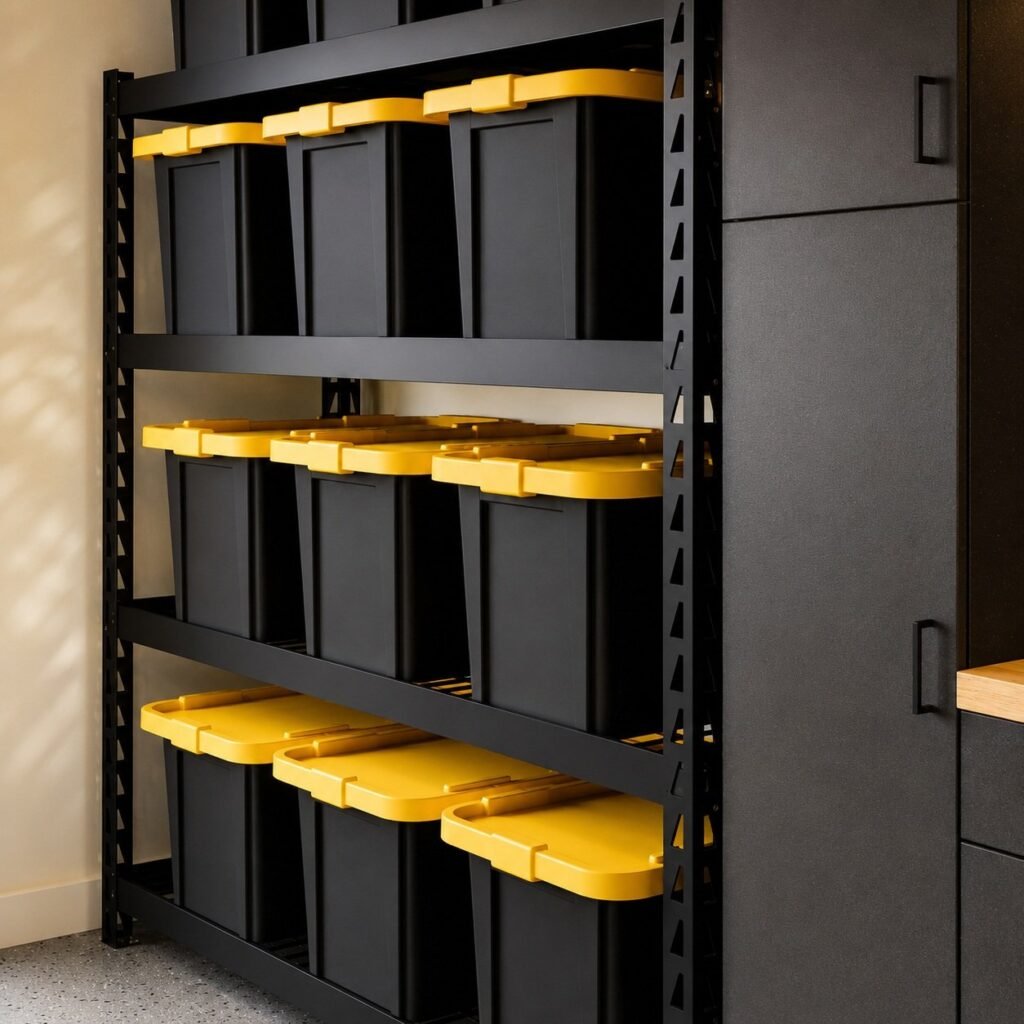
Wire shelves can hold a surprising amount of weight when properly installed into studs with the right brackets, which is why they’re common in pantries, garages, and utility closets. The key is following the manufacturer’s rating and spacing the supports as directed. Overloaded wire can bow or pull away from the wall.
Wood is also strong, but it depends on thickness and span. A long, thin board loaded with heavy items can sag in the middle. As a rough guide, many people add a center support once a shelf spans about 30 to 36 inches, especially with heavy loads like books or boxes. Always check ratings and don’t assume wood is automatically stronger.
Pro tip: Whichever you choose, anchor into wall studs or use anchors rated for the load. A shelf is only as strong as how it’s attached to the wall.
Ventilation, Moisture, and Mildew
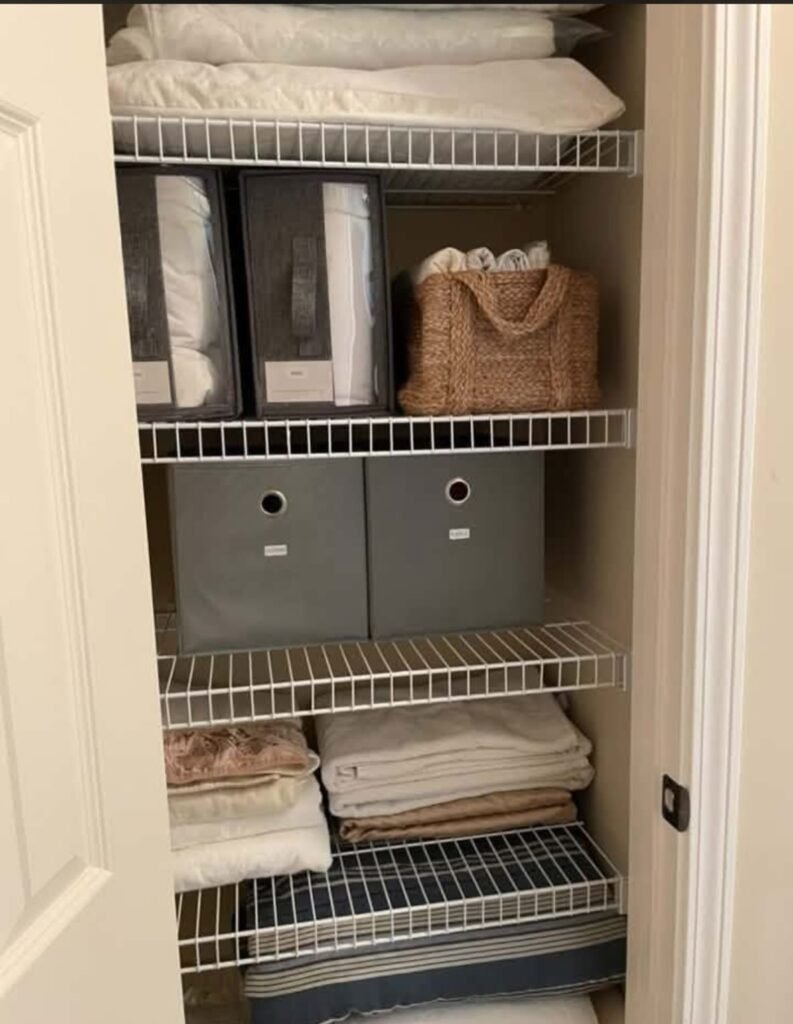
This is where wire has a clear edge. The open grid lets air move freely, so damp items dry faster and musty smells are less likely, which makes wire great for linen closets, laundry rooms, basements, and humid climates.
If you’ve ever opened a closet and smelled something stale, airflow is often the missing piece.
Solid wood and plywood can breathe somewhat, but flat shelves block airflow more, and engineered boards like MDF can swell or warp if exposed to moisture. In a damp space, choose sealed or moisture-resistant boards, or stick to wire. For linens specifically, my guide to linen closet organization covers how airflow and layout work together.
Looks and Style
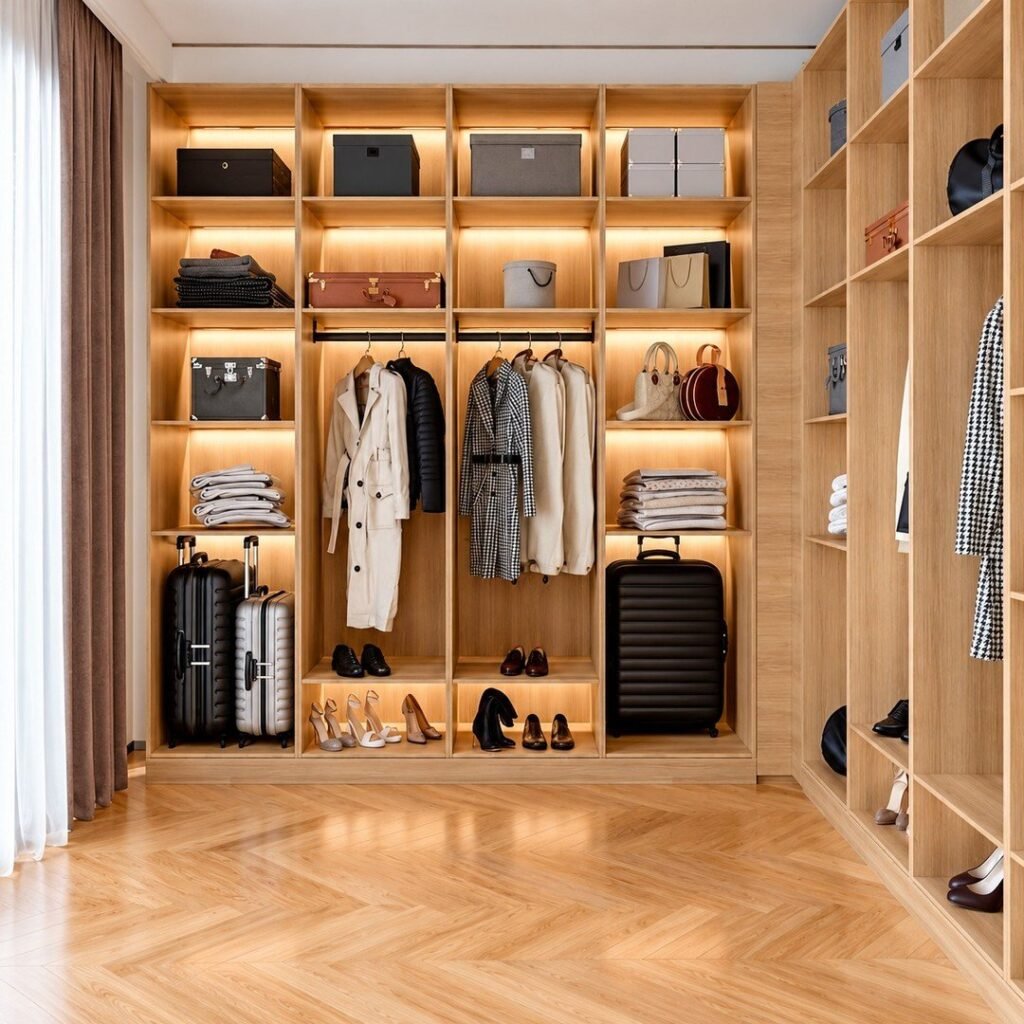
Let’s be honest: wood generally looks more finished. It gives a closet a custom, furniture-like feel, especially when painted or stained to match the room. Wire has a utilitarian look that many people associate with builder-grade closets, though white or black coated wire in a tidy layout can look clean and modern.
If your closet is visible, like an open closet, a dressing area, or a bedroom you want to feel styled, wood usually wins. If it’s a utility closet or a space you mostly keep closed, the look matters much less than the function.
How Each Handles Folded Clothes and Sweaters
This was my first lesson. Wire shelves can leave faint ridges on folded knits and soft fabrics, because the weight rests on the wires. You can fix it with a liner, a sheet of thin plywood or hardboard cut to fit, or a shelf cover, but it’s something to plan for.
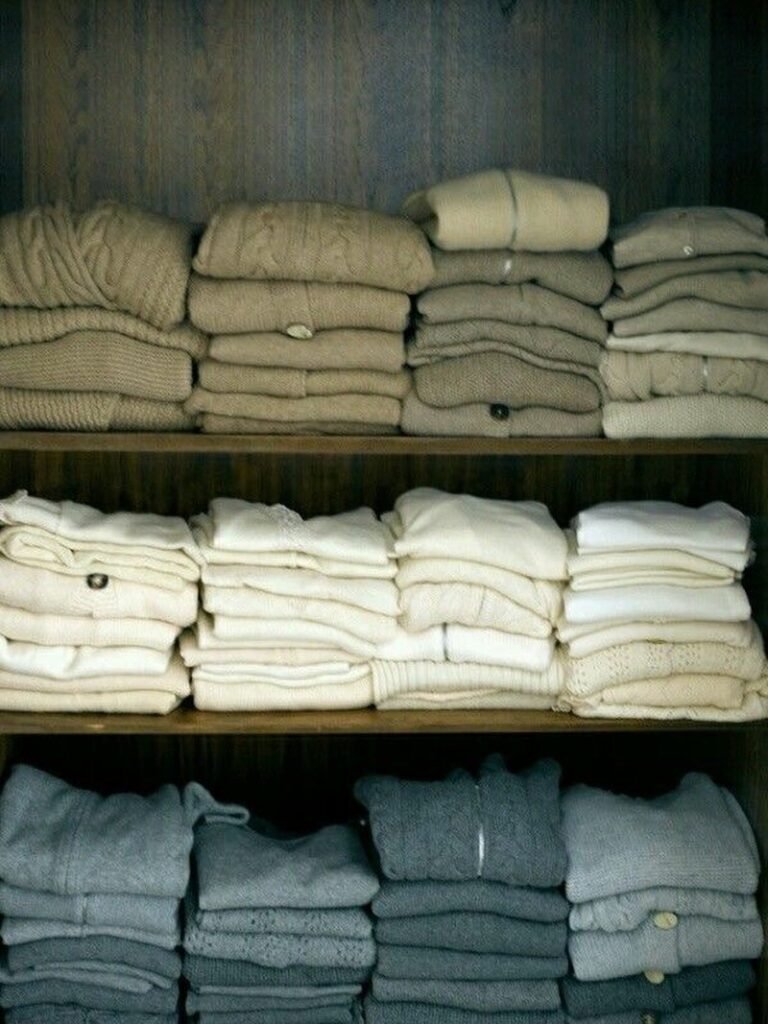
Wood gives a smooth, flat surface, so stacks of sweaters, jeans, and t-shirts sit neatly with no marks. If your closet is mostly folded clothes, wood or a lined wire shelf is the better pick.
Shoes, Bags, and Small Items
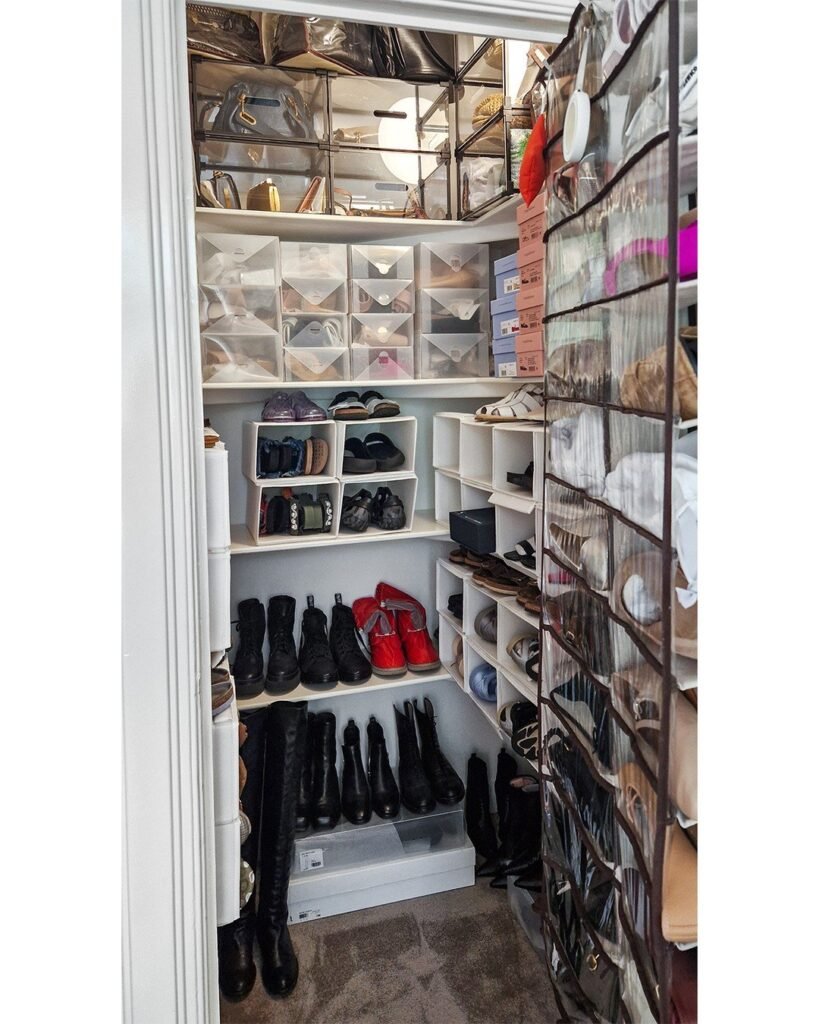
For shoes in boxes or bulky items, wire works well. Heels and thin straps can catch or tilt on the grid, though, and small items like jewelry, socks, or toiletries can fall through or tip over. A liner or a small bin solves most of that.
Wood shelves keep small items in place and let you use dividers and baskets easily. If you collect lots of small things, solid shelves or lined wire with bins are far more practical.
Cleaning and Maintenance
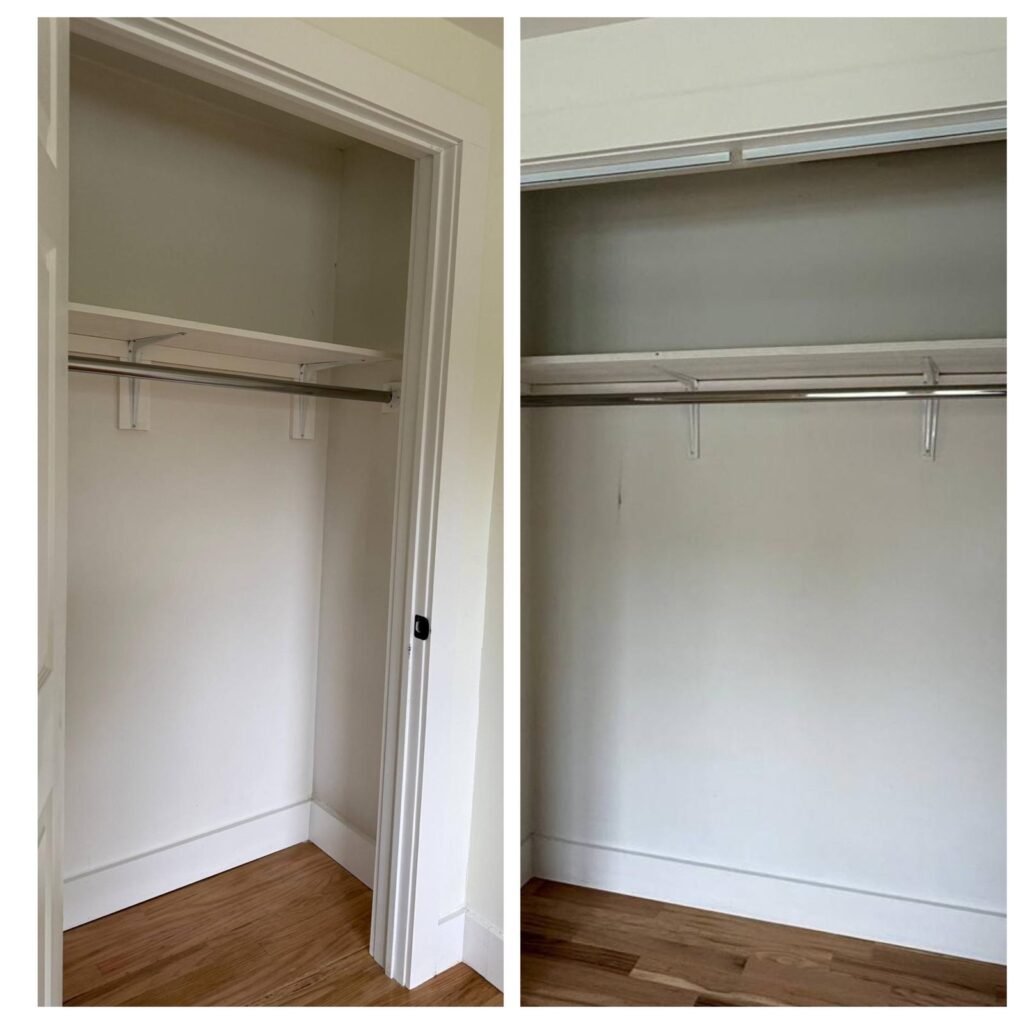
Wire is easy to wipe down, and dust tends to fall through, but dust and grime can collect on the grid and crevices, and cleaning each wire takes patience. Wood and melamine wipe clean in one swipe, though dust settles on top and raw wood can stain.
In either case, keep shelves dry and clean up spills quickly. Rusty or chipped coating on wire, and swollen or peeling edges on engineered wood, are signs it’s time to repair or replace the shelf.
Installation and DIY Difficulty
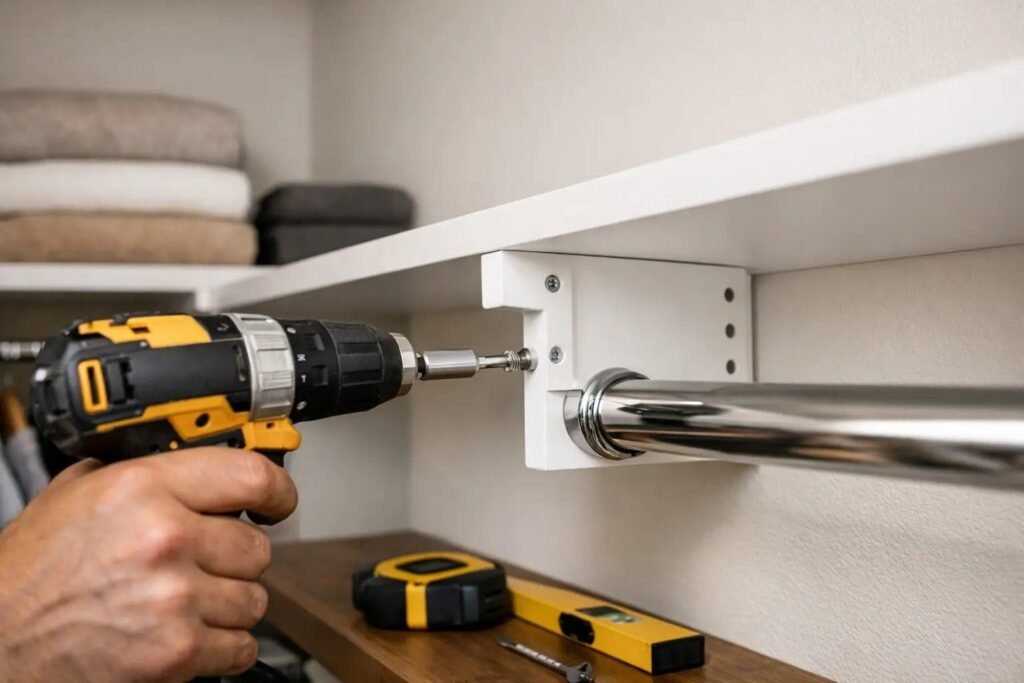
Wire shelving kits are designed for DIY, with brackets, clips, and a straightforward layout. Most people can install a basic system in an hour or two with a drill, a level, and a stud finder. Wood shelving takes more tools and measurement, including cutting boards to size, drilling, and finishing, but it’s very doable with a hardware store cut and a bit of patience.
Custom wood systems are best installed by a professional if you want a seamless look. Always follow the manufacturer’s instructions, and for anything involving wiring or structural changes, hire a qualified pro.
Renting, Flexibility, and Moving
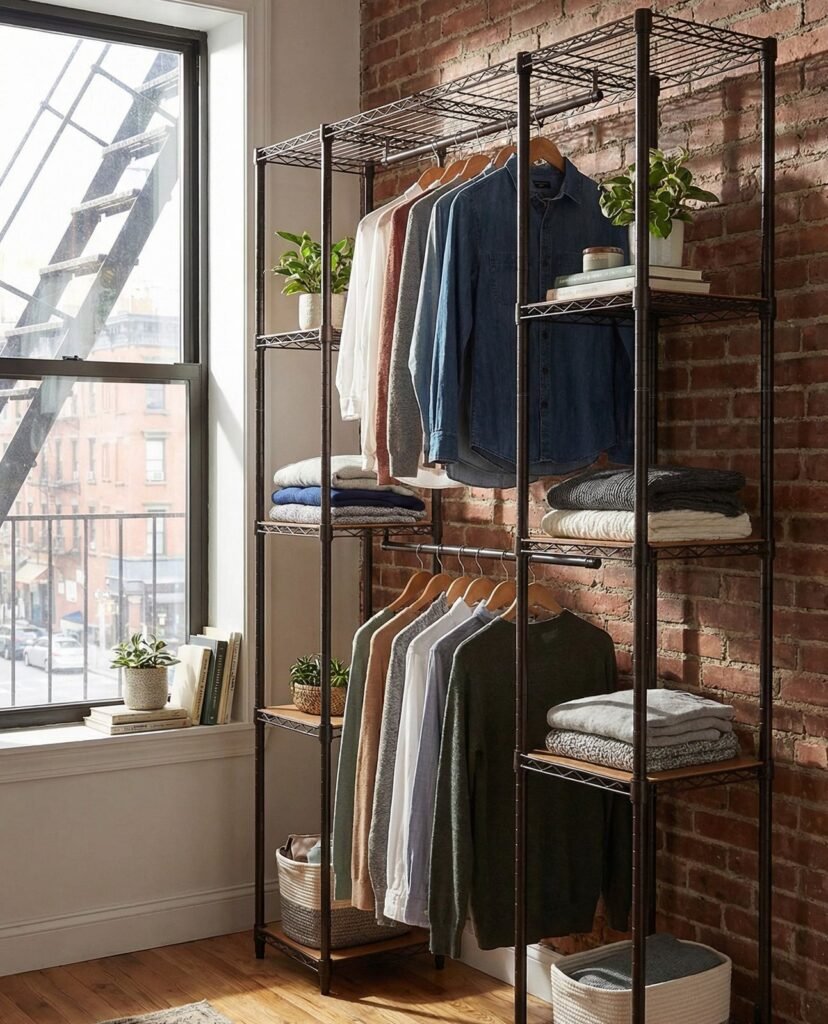
If you rent, wire shelving is often already installed, and it’s easy to adjust within the system. Replacing or adding shelves usually needs landlord permission, and most mounted systems require drilling. Freestanding wire or wood units, or tension-pole systems, are safer bets if you want to avoid holes in walls.
Avoiding damage is the key in a rental, and my guide to apartment renter mistakes covers the most common slip-ups with drilling, hooks, and shelving that can cost you part of your deposit. Wire systems also tend to be easier to take down and reuse in a new place.
Durability and Lifespan

Quality wire shelving, properly installed and kept dry, can last for years, but cheap coatings can chip and rust over time, especially in humid areas. Solid wood and good plywood can last for decades, and they can be repainted or refinished. Engineered wood lasts if kept dry, but it doesn’t forgive moisture damage.
For a space you plan to keep long term, wood or high-quality wire with a thick coating is worth the extra money. For a short-term rental or a temporary setup, budget wire is perfectly reasonable.
Going Vertical: Which Handles Extra Shelves and Double Hanging Better?
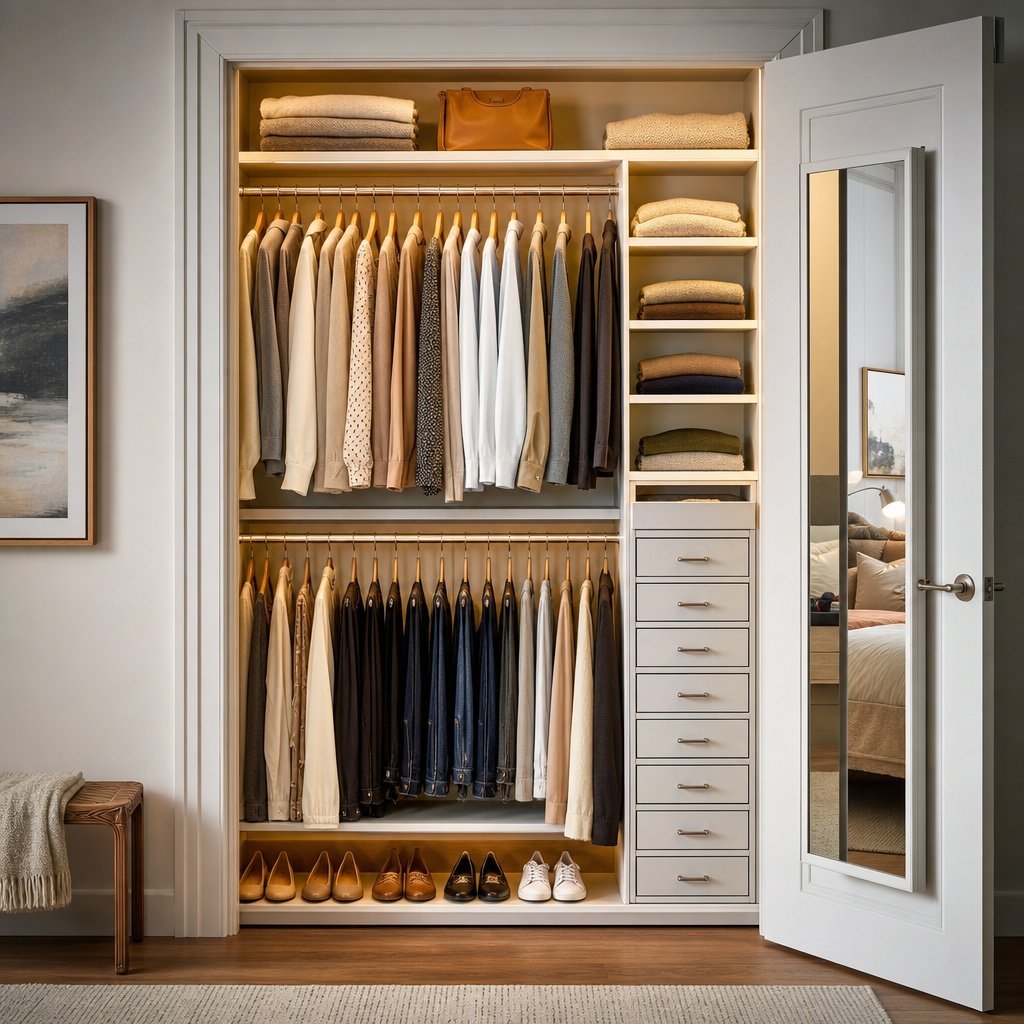
Wire systems are very flexible when it comes to adding shelves and a second hanging rod, because most are adjustable and sold with extra parts. That makes them great for squeezing more storage out of a small closet, and it’s the same idea as in my guide to maximizing vertical space in a small apartment.
Wood can do the same with adjustable shelf pins or modular systems, though it’s less forgiving to change later. If your needs change often, wire gives you more freedom to rearrange.
Wire vs Wood Shelving at a Glance
| Factor | Wire Shelving | Wood Shelving |
|---|---|---|
| Cost | Lower, often $20-70 per section | Higher, $15-60 per board up to custom systems |
| Strength | Strong when anchored to studs, follow ratings | Strong, but long spans can sag without support |
| Airflow | Excellent | Moderate to low |
| Look | Utilitarian | Finished, can be painted or stained |
| Folded clothes | Can leave ridges, needs a liner | Smooth surface, no marks |
| Small items | Fall through without a liner | Stay in place |
| Cleaning | Quick wipe, grid collects dust | Easy wipe, flat surface |
| Install | Easy DIY kits | More tools, custom cuts |
| Rentals | Often already installed, easy to reuse | Usually needs drilling or a freestanding unit |
| Lifespan | Good, coating can chip or rust | Long if kept dry, can be refinished |
Best Choice by Type of Closet
| Closet Type | Better Pick | Why |
|---|---|---|
| Bedroom reach-in | Wood, or lined wire | Smooth surface for folded clothes |
| Walk-in closet | Wood for a finished look, wire for budget | Depends on budget and style |
| Kids’ closet | Wire, adjustable | Easy to change as they grow |
| Linen closet | Wire or lined wire | Airflow keeps linens fresh |
| Pantry | Wire with liners, or sealed wood | Strong, easy to clean |
| Garage or utility | Heavy-duty wire or steel | Strength and moisture tolerance |
Best of Both: Hybrid Solutions
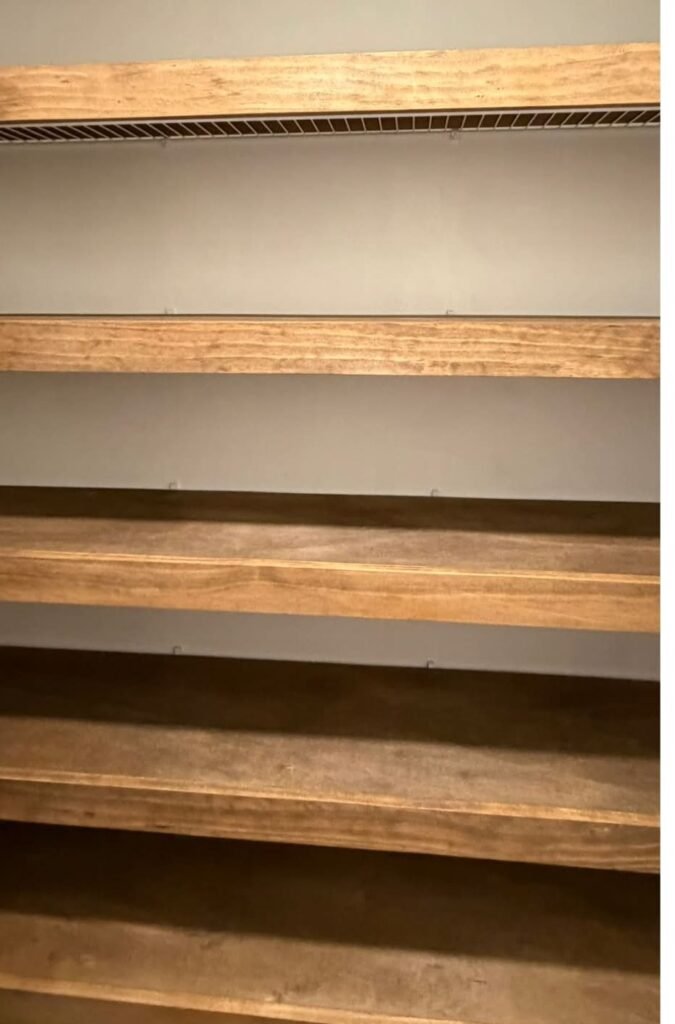
You don’t always have to choose. Cut a thin sheet of plywood or hardboard to fit on top of wire shelves for a flat surface. Add clear shelf liners, a roll of grip liner, or fabric-lined bins for small items. Use wire for the heaviest, most ventilated shelves, and wood for the shelves where you stack sweaters.
A friend of mine, Mira, did exactly this in her bedroom closet: wire hanging sections for shirts and dresses, and a few cut-to-size wood boards on top of the wire shelves for folded knits. It cost her under $50 and solved the sweater-ridge problem completely.
Common Mistakes to Avoid
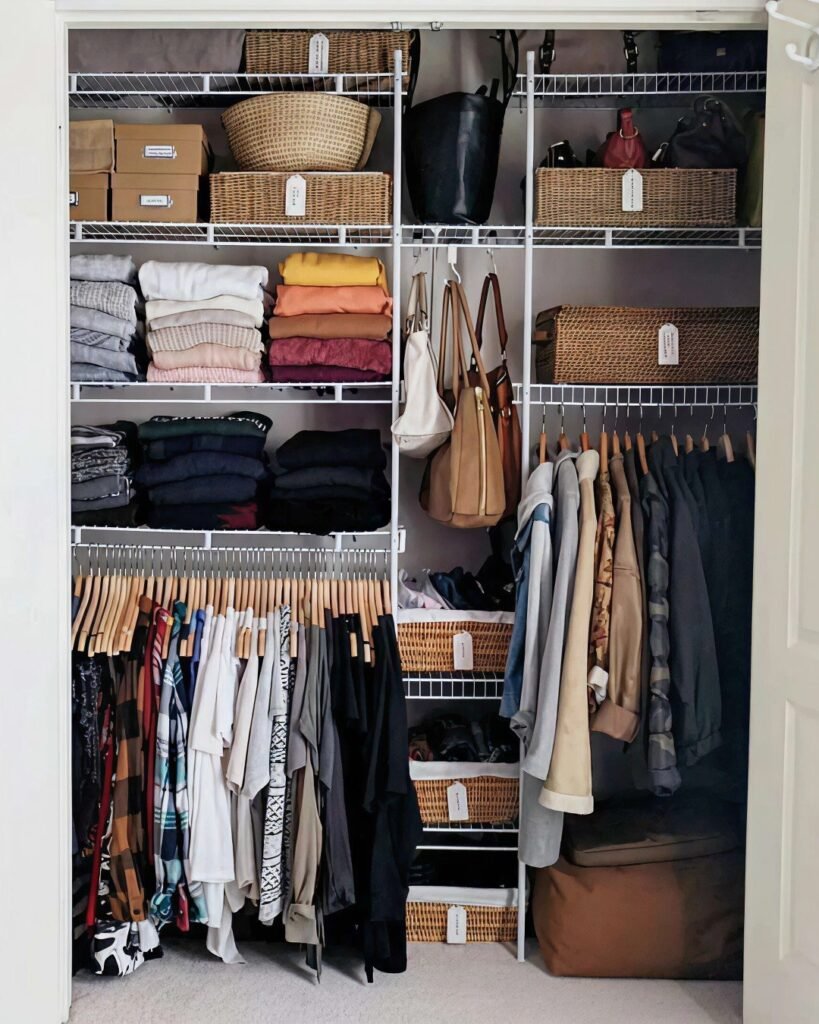
The biggest mistakes are skipping stud anchors, ignoring weight ratings, choosing cheap engineered wood for a damp space, and forgetting liners on wire shelves meant for small items. Another is mixing too many styles in one closet, which can look chaotic. Pick a main material and add the others deliberately.
Also avoid overloading shelves. Even strong shelves have limits, and heavy items belong on the lowest shelves, not the top.
If I Were Choosing for My Own Closet Today
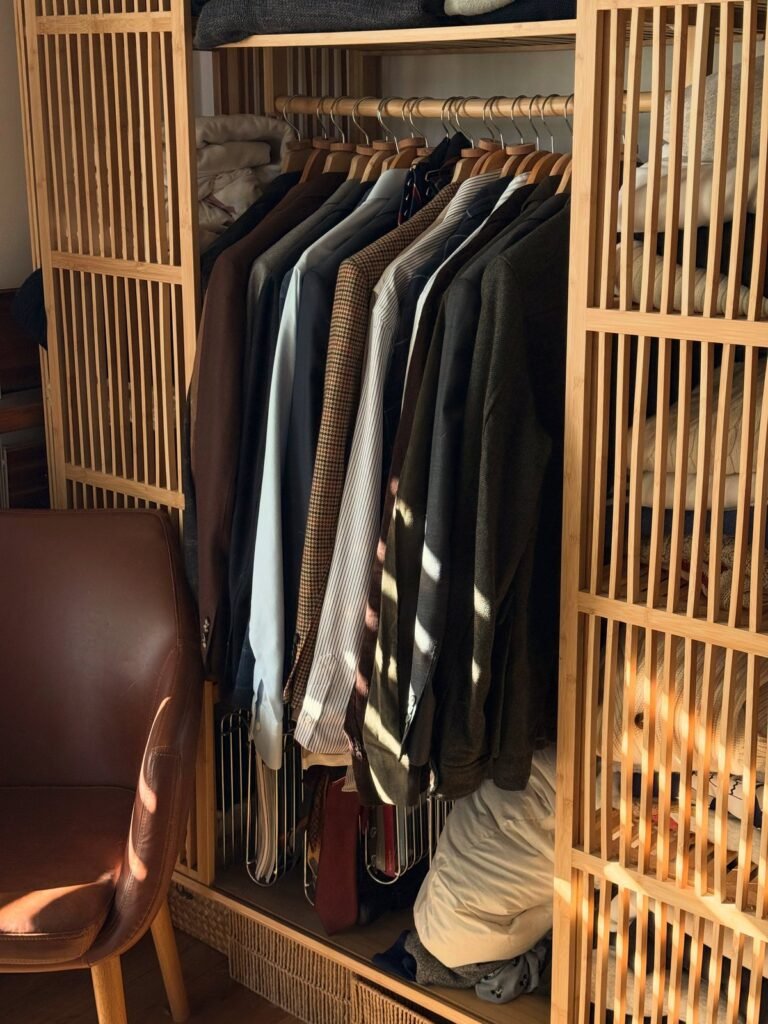
For my bedroom closet, I’d go with wood or lined wire for shelves holding folded clothes, and an adjustable wire system with a second hanging rod to double my hanging space. For the linen closet and laundry area, I’d use wire all the way, and for a garage or pantry, heavy-duty wire with liners. I’d anchor everything into studs and keep the heaviest items low.
The wire shelving vs wood shelving question really comes down to what you store and where. Match the material to the job, check the weight rating, and don’t be afraid to mix them. For help organizing everything else once your shelves are in, my home organization ideas guide is a good next step.
FAQs
Is wire shelving better than wood for closets?
It depends. Wire is cheaper, more flexible, and better for ventilation, while wood looks more finished and gives a smooth surface for folded clothes. Many closets work best with a mix of both.
Does wire shelving damage clothes?
It can leave faint ridges on folded knits and soft fabrics. Adding a liner, a thin board, or fabric shelf covers prevents it, and hanging clothes avoids the problem entirely.
Which shelving is stronger, wire or wood?
Both can be very strong when installed correctly. Wire depends on proper anchoring and the manufacturer’s rating, while wood depends on thickness and span. Always follow the weight ratings and anchor into studs.
Is wood shelving worth the extra cost?
If appearance matters and you store lots of folded clothes or small items, yes. For utility closets, pantries, or garages, wire often gives better value.
Can I install closet shelving in a rental?
Often there’s already a system you can adjust. For anything new that requires drilling, ask your landlord first, or choose a freestanding or tension-pole option that doesn’t need holes.
How can I stop things from falling through wire shelves?
Use clear or fabric shelf liners, cut-to-size boards, or baskets and bins on the shelves. These cover the gaps and also protect clothes from ridges.










Leave a Reply