
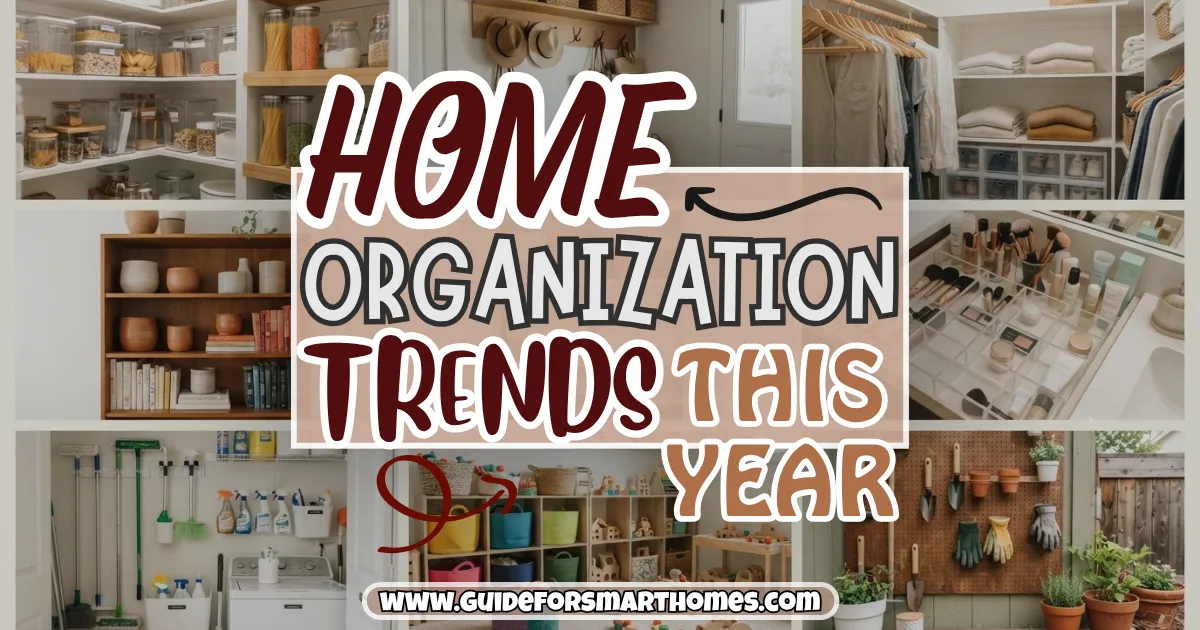
I once spent an entire Saturday decanting every dry good in my kitchen into matching clear containers with a label maker. Pasta, rice, three kinds of flour, a bag of walnuts I’d forgotten I owned. It looked incredible for about eleven days. Then I ran out of flour, bought a new bag, realized it didn’t fit the container, and the whole system quietly collapsed back into a pile of open bags on a shelf.
That experience is a pretty good summary of where home organization is heading. The trends I’m seeing right now are less about making a space look like a store display and more about making it work for the people who actually live there.
Calmer, more flexible, easier to maintain, and a lot kinder to your budget. If you want the foundation first, my guide to home organization ideas covers the basics, and this post is about what’s shifting on top of them.
I’ve pulled together 12 trends I’d actually try, plus three I’m happy to see fade. Where it matters, I’ve added rough costs and whether each one works in a rental. There’s a comparison table near the end and FAQs. Prices are ballpark and vary by store, and trends are just that, so treat this as a menu rather than a rulebook.
1. Lived-In Organization Instead of Showroom Organization
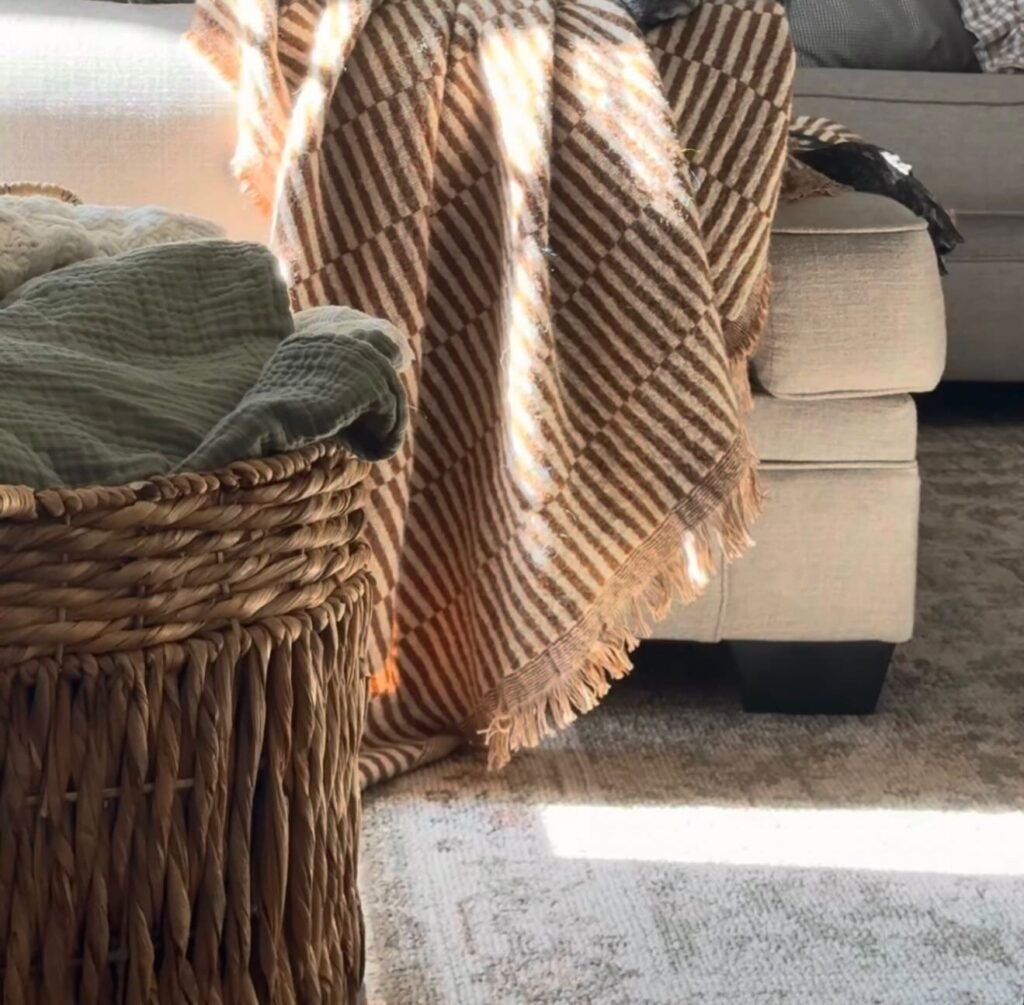
The biggest shift is philosophical. People are letting go of the idea that an organized home has to look untouched. Instead, the goal is a space that feels put together but still looks like humans live in it: a basket of blankets that’s actually used, a shelf with a few books leaning sideways, a counter with a coffee maker on it.
The practical benefit is that systems built for real life are easier to keep up. If your organization only works when everything is perfectly aligned, it will fall apart the first busy week. Aim for “easy to reset in five minutes” rather than “photo ready.”
Pro tip: Ask of any system, “Could I keep this going on my worst day?” If the answer is no, simplify it.
2. Gentler Decluttering and Intentional Ownership
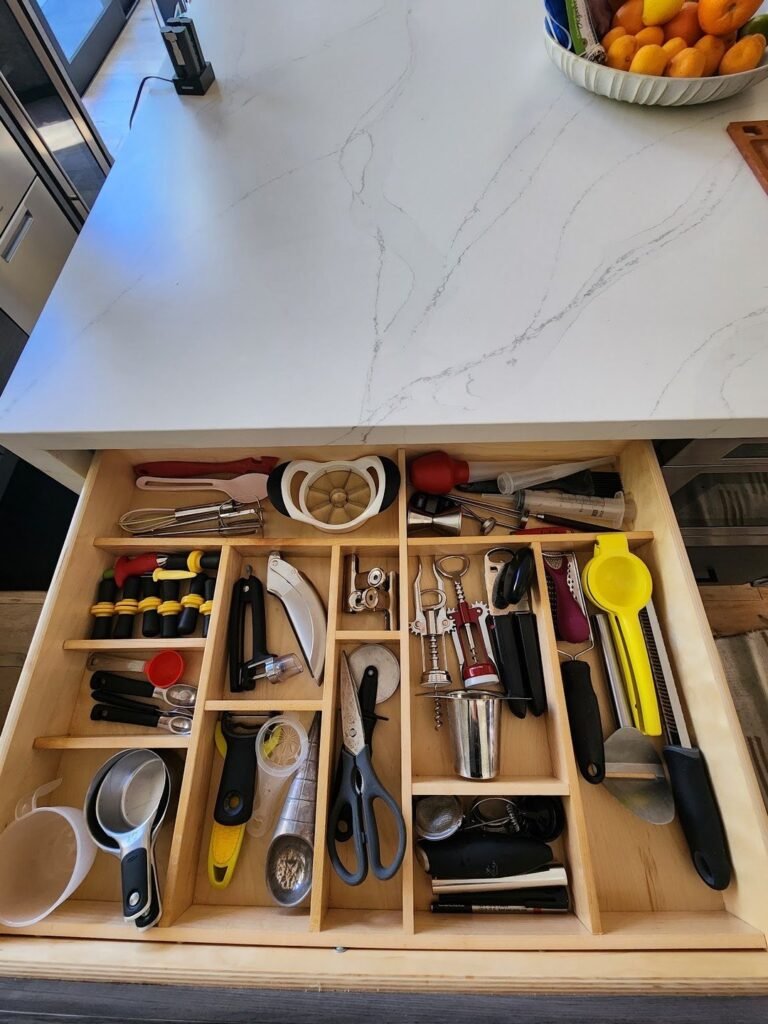
Aggressive, purge-everything decluttering is losing ground to a softer approach: keep what you use and love, let go of the rest gradually, and think before bringing new things in. It’s less about hitting a number of items and more about being deliberate about what earns a place in your home.
This works well because dramatic purges often lead to regret and re-buying. A slower pace, one drawer or one shelf at a time, tends to stick.
If you want a practical starting point, my clutter-free home tips walk through simple habits that keep stuff from piling up in the first place.
3. Knowing What You Own: Simple Inventories
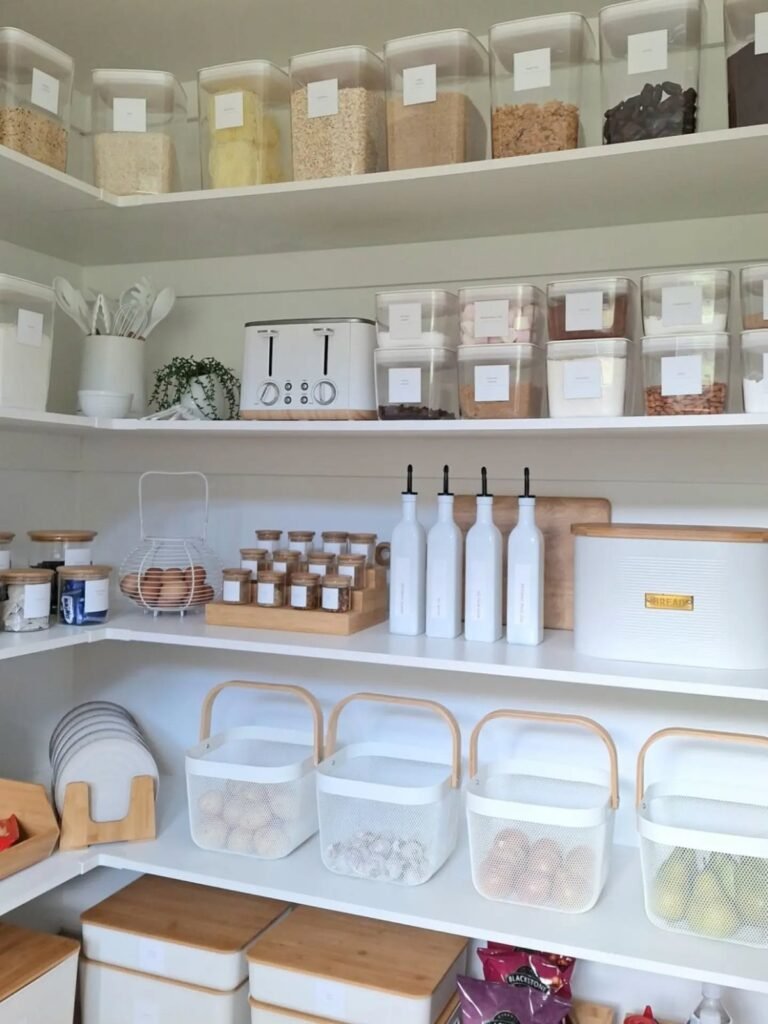
A growing trend is visibility, meaning you know what you have and where it lives. Some people photograph their wardrobe or keep a quick spreadsheet of pantry staples, tools, or holiday decor. The point isn’t to be fussy, it’s to stop buying duplicates and to find things fast.
It costs nothing to start. Take photos of each shelf or bin before closing it up, and keep them in a folder on your phone.
A friend of mine, Dara, did this with her pantry and said she stopped buying a fourth jar of cumin, which was apparently a long-running problem.
4. Buying Fewer, Longer-Lasting Organizers
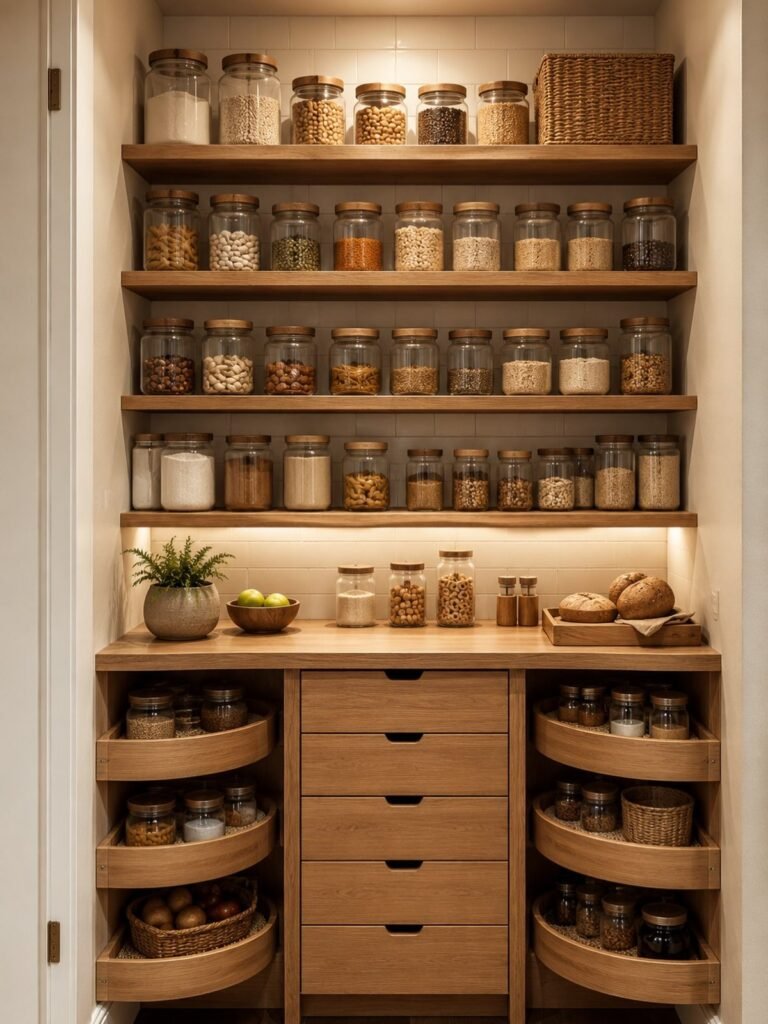
There’s a noticeable move away from buying a cartload of cheap plastic containers every few months.
People are choosing fewer, sturdier pieces, like solid wood shelves, metal baskets, and glass jars, that will last years and can be reused when they move.
The trade-off is upfront cost, so buy slowly. Declutter first, measure the space, and then buy the one or two pieces that actually solve a problem. It’s cheaper than the “organizer for every shelf” approach, and it keeps landfill-bound plastic out of your home.
5. Multi-Use Storage Furniture
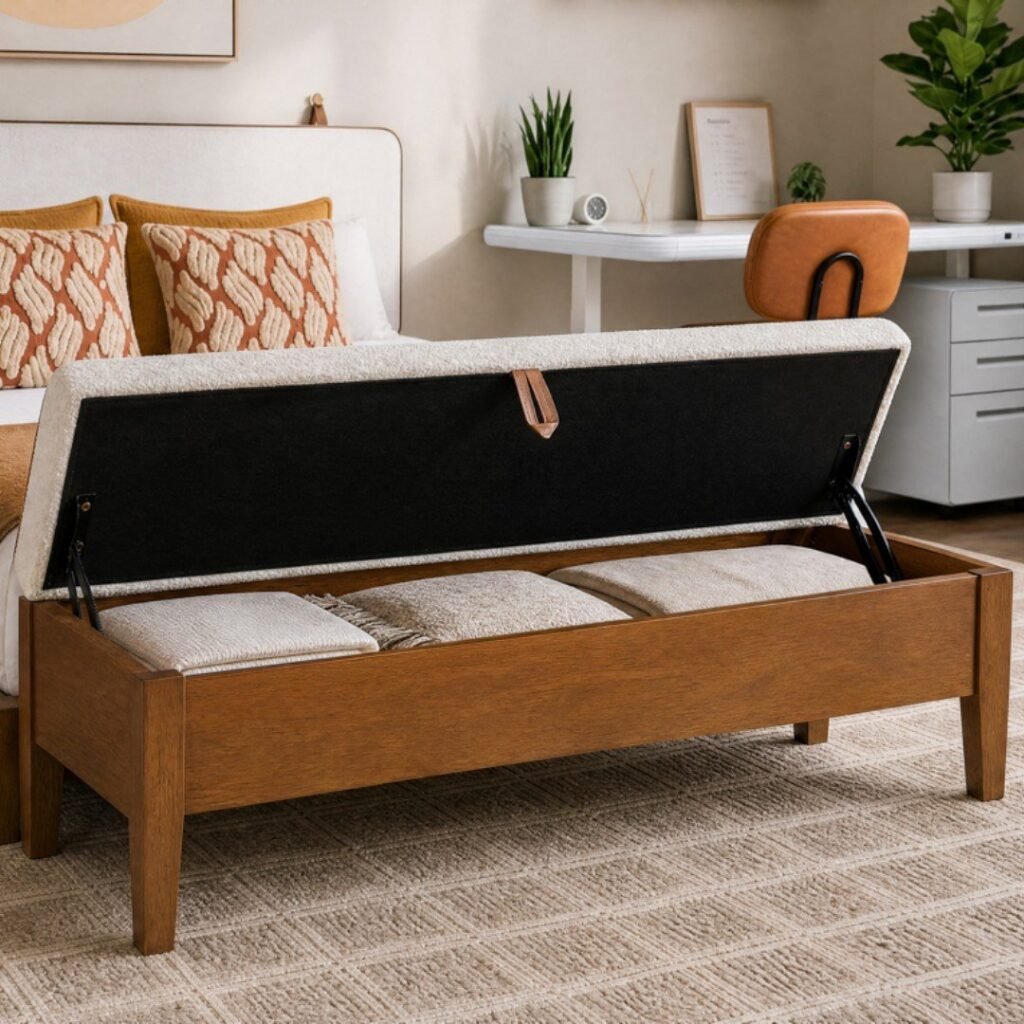
Storage that does something else too is everywhere right now: ottomans that open, benches with bins, coffee tables with drawers, beds with built-in compartments.
They solve the “where does this go” problem while also giving you a place to sit or set a drink, which matters a lot in small homes.
Expect roughly $40-300 depending on the piece. If you’re shopping for this kind of furniture, my guide to storage furniture for apartments breaks down which pieces actually hold a lot for their size and which are mostly decoration. The main trade-off is weight, since a lidded piece full of stuff is heavy to move.
6. Renter-Friendly, No-Drill, Stackable Systems
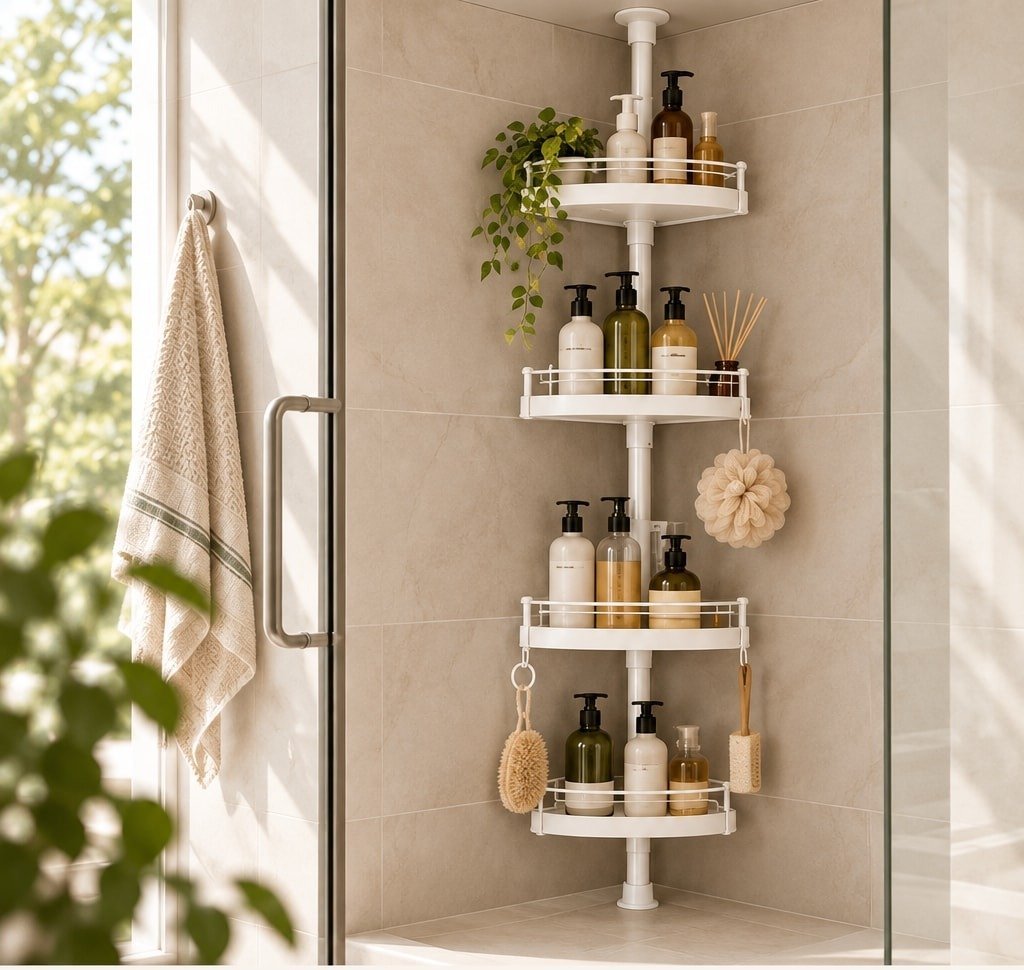
As more people rent for longer, storage that doesn’t need tools or permanent changes has become a big category.
Tension rods, over-the-door organizers, adhesive hooks, stackable bins, and freestanding shelving all let you reorganize without touching a wall.
The key is checking weight limits and testing adhesives in a hidden spot first, since a hook that fails at 2 a.m. is not a fun surprise. These systems also move with you, which makes them better value than they look on the price tag.
7. Closets Organized by How You Actually Live
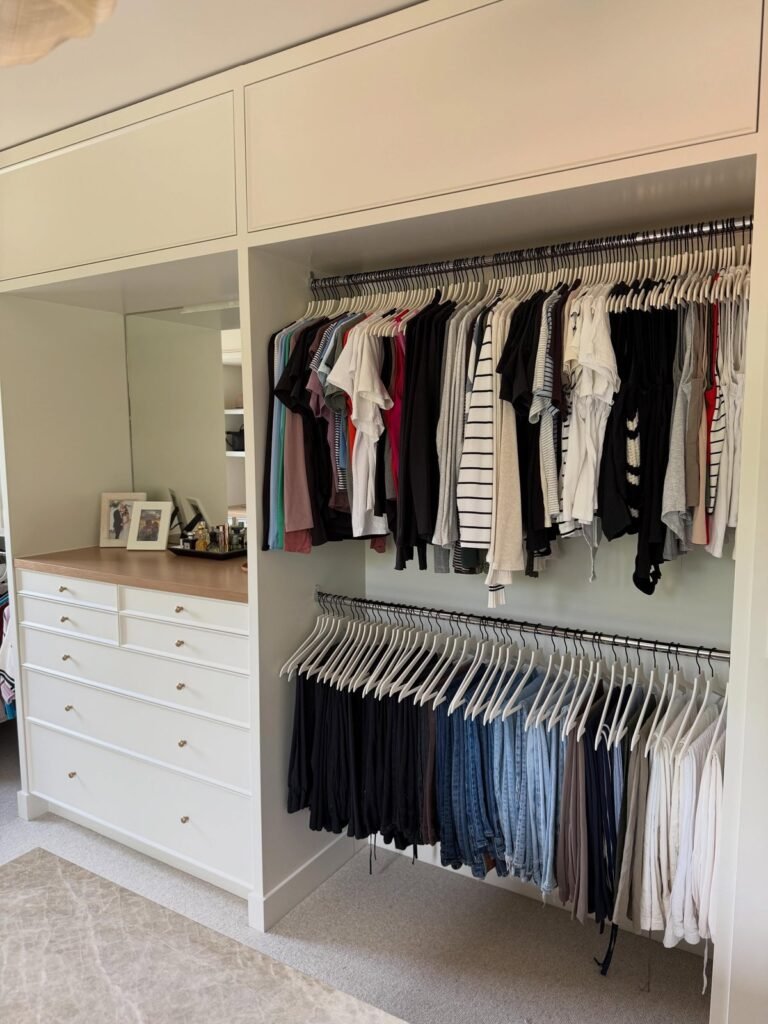
Instead of copying a color-coded closet from a magazine, people are organizing around their own habits: work clothes together, weekend clothes together, the things you grab daily at eye level, off-season items up high. It sounds obvious, but it’s a real shift from organizing for looks.
It also pairs well with the inventory idea above. If you want budget-friendly ways to do it, my guide to closet organization on a budget covers shelf dividers, hanging organizers, and simple bins that make a small closet work harder without a big spend.
8. Drop Zones and Family Command Centers
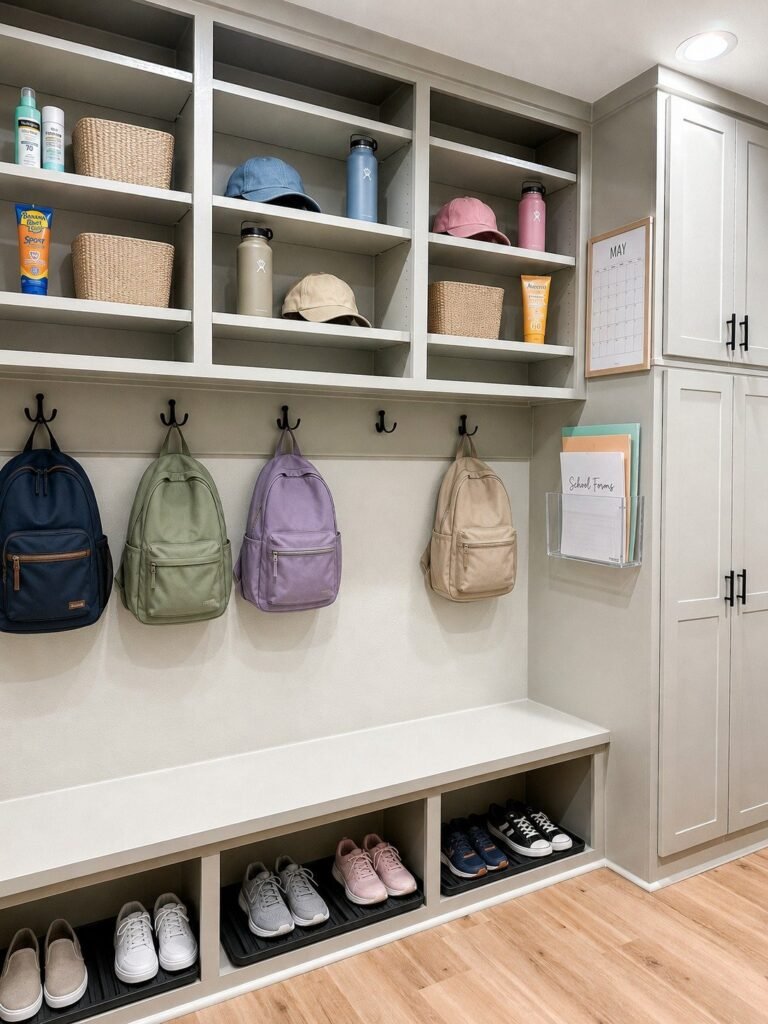
The entry area is getting more attention than ever. A drop zone is a spot by the door with hooks, a tray for keys, a bin for mail, and a place for shoes, so everything that comes in has a home immediately. A command center adds a calendar and a few clipboards for school papers and appointments.
Setup usually costs $20-100 and can be done in an afternoon. Keep it small and obvious. The more steps involved, the less likely anyone is to use it.
9. Meal Planning and a Visible Pantry
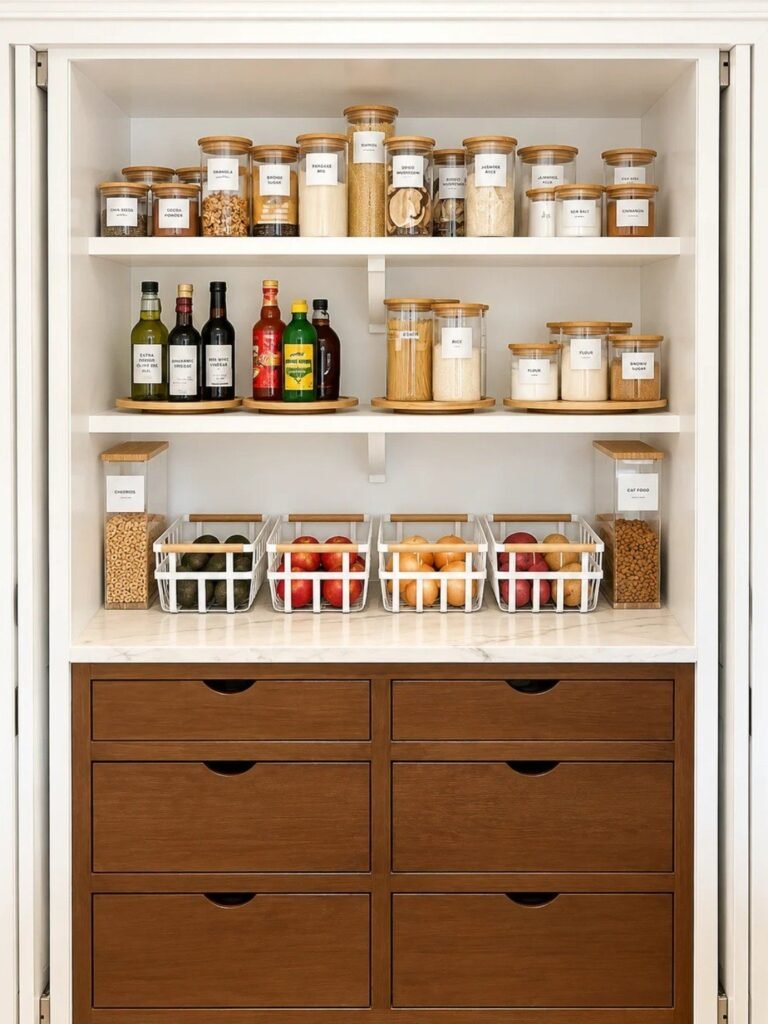
Organizing is expanding into the kitchen routine. Planning meals ahead, keeping a running list of what you have, and storing food so you can see it (clear containers, shallow shelves, a “use first” basket) cuts waste and cuts the daily “what’s for dinner” scramble.
You don’t need a fancy app. A simple whiteboard on the fridge or a note on your phone works, and a “use first” bin for items nearing their date is a very low-effort habit that saves real money.
10. Natural Textures: Baskets, Wood, Linen, and Rattan
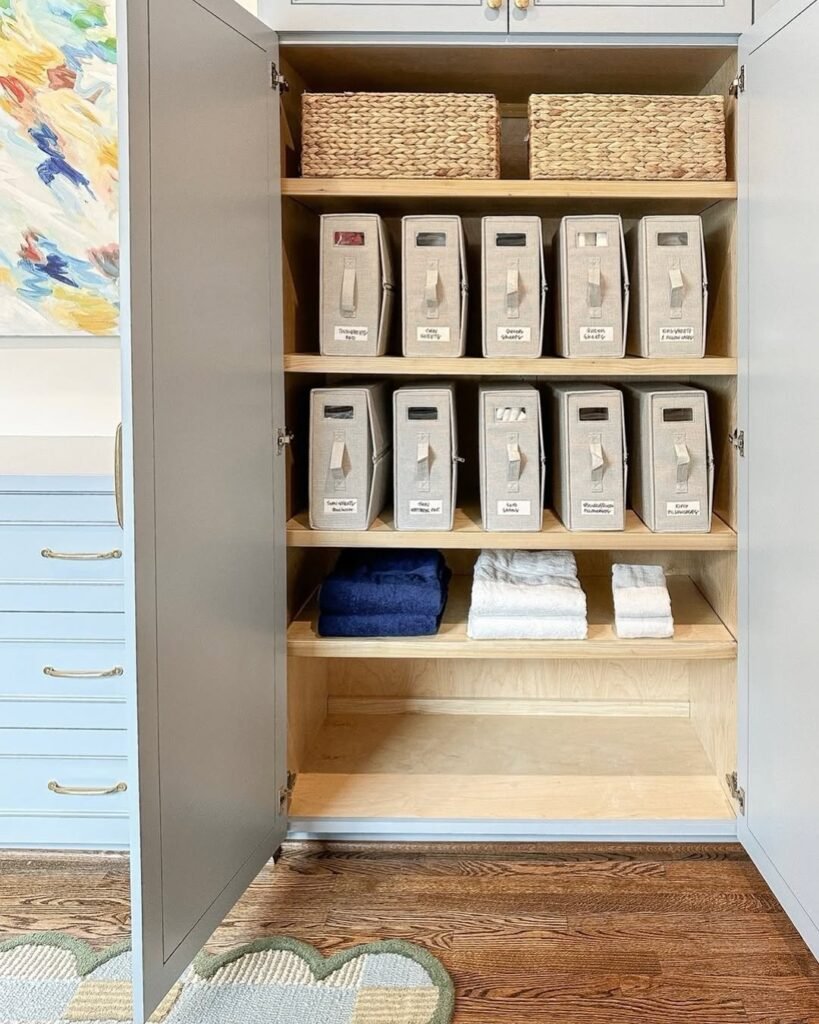
Storage is being chosen for how it looks and feels, not just how it holds things. Woven baskets, wooden crates, linen bins, and rattan trays add warmth and soften a room, and they hide clutter without looking clinical.
Choose baskets with sturdy handles and a liner or lid if you’re storing small items that might fall through. Natural materials can also be thrifted for a few dollars, which keeps the cost down.
11. Tiny Daily Routines Instead of Big Weekend Marathons
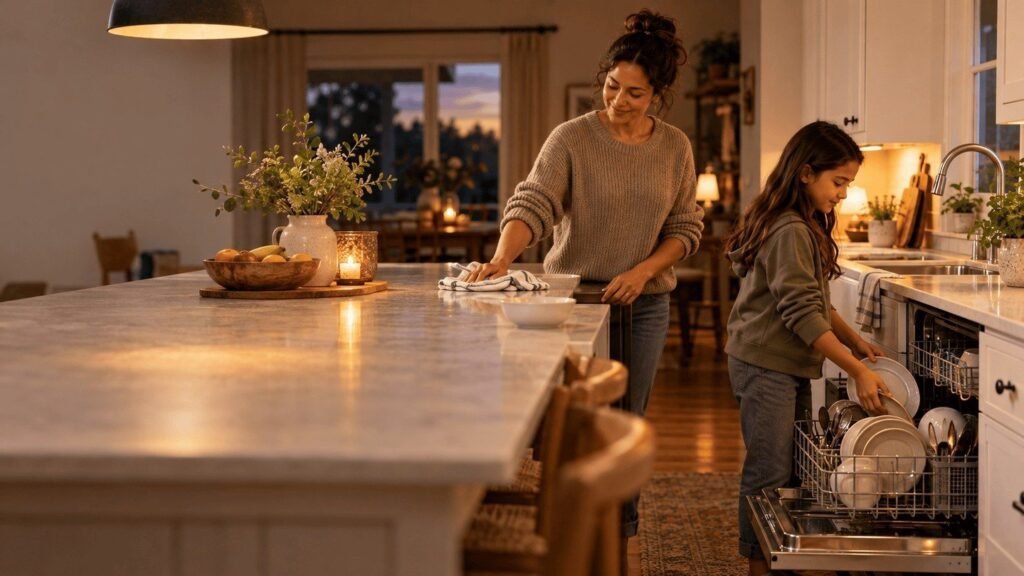
The most useful trend might be the least glamorous: organization as a daily ritual rather than a one-off project. Ten minutes in the evening to clear surfaces, return things to their homes, and set out tomorrow’s essentials keeps the big mess from forming.
It also makes organization feel like a form of self-care instead of a chore. A calmer morning, a clear counter, and a place for your keys are small things that make a day feel less frantic. Pick a time you can actually stick to and keep the bar low.
12. Seasonal Storage Done Smartly
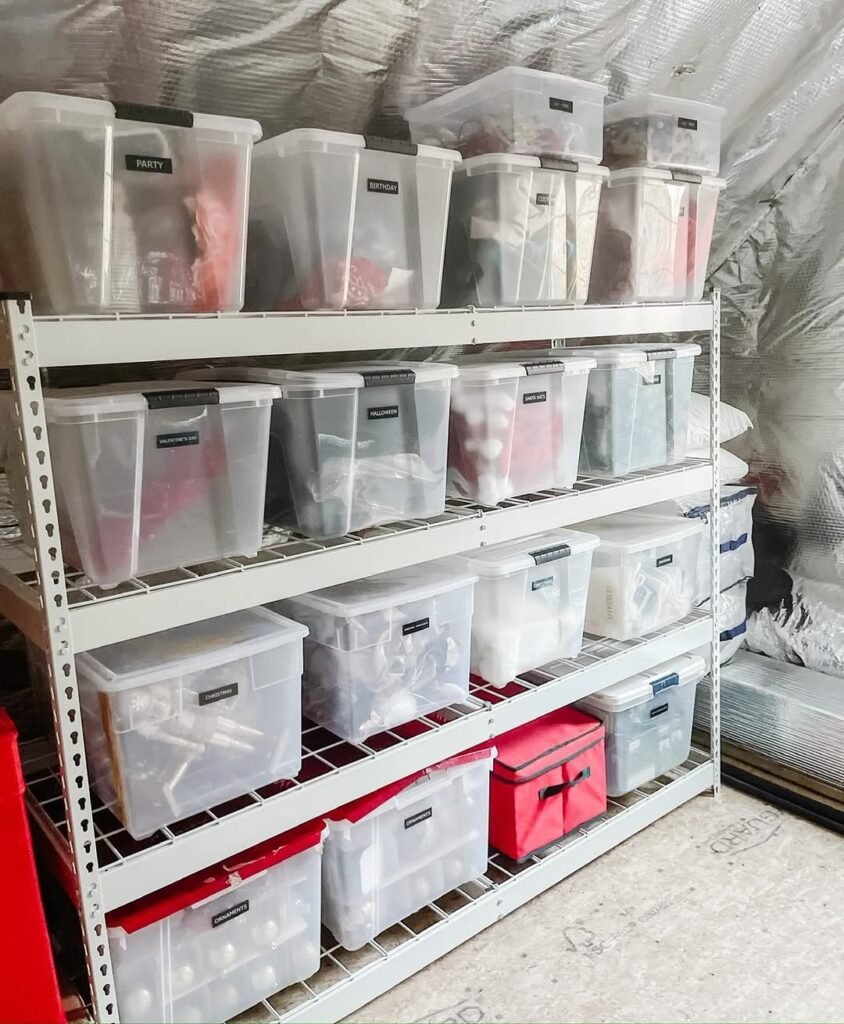
Holiday and seasonal items are the clutter most people stash and forget. The newer approach is dedicated, labeled bins stored high or out of the way, with a quick list of what’s inside so decorating and clean-up both go faster.
Use sturdy, lidded bins in one or two sizes, label each side, and keep them in a consistent spot. If you want ideas for the holiday boxes specifically, my guide to holiday decor storage ideas shows how to pack and store decorations so they come out in good shape next year.
The 12 Trends at a Glance
| Trend | Approx. Cost | Renter-Friendly? | Likely to Last? |
|---|---|---|---|
| Lived-in organization | Free | Yes | High |
| Gentler decluttering | Free | Yes | High |
| Simple inventories | Free | Yes | High |
| Fewer, sturdier organizers | $30-200 | Yes | High |
| Multi-use storage furniture | $40-300 | Yes | High |
| No-drill, stackable systems | $10-100 | Yes | High |
| Closets organized by habit | $15-80 | Yes | High |
| Drop zones and command centers | $20-100 | Mostly, with no-drill hooks | High |
| Meal planning and visible pantry | $10-60 | Yes | High |
| Natural-texture storage | $5-150 | Yes | Medium to high |
| Daily micro-routines | Free | Yes | Very high |
| Labeled seasonal bins | $20-100 | Yes | High |
Three Organization Trends I’m Happy to See Fade
First, decanting everything into identical containers. It looks great on day one and falls apart when the packaging doesn’t fit or you run out of a labeled item. Keep it for the few things you use constantly, like flour and sugar, and leave the rest in their original packaging.
Second, overcomplicated label and color systems. If sorting takes longer than the task itself, nobody will follow it. A few simple categories beat a rainbow chart every time. And third, buying organizers before decluttering. Containers can’t fix too much stuff. They just give it a neater place to sit, which is exactly the trap I fell into with my flour jars.
What I’d Start With if I Were Reorganizing This Weekend
I’d skip the shopping trip entirely at first. I’d pick one drawer or shelf, take a photo, remove what I don’t use, and put the rest back in a way that’s easy to reset.
Then I’d add a drop zone by the door and a ten-minute evening routine, and only after a couple of weeks decide whether I truly needed another bin or basket. That approach costs almost nothing and tends to stick, which is the whole point.
The best home organization trends right now share a simple idea: systems should serve your life, not the other way around. Choose the ones that fit your space, your budget, and the amount of effort you can realistically give, and ignore the rest.
FAQs
What are the biggest home organization trends right now?
Calmer, lived-in organization, gentler decluttering, simple inventories of what you own, multi-use storage furniture, renter-friendly no-drill systems, and small daily routines are some of the most noticeable shifts.
Are matching containers and labels still worth it?
For a few frequently used items, yes. For everything else, simple, flexible storage tends to be easier to maintain than a fully matched, fully labeled system.
How can I follow organization trends on a budget?
Start with free habits like decluttering gently, photographing your shelves, and doing a short daily reset. Buy only the few pieces that solve a real problem, and look for secondhand baskets, shelves, and bins.
Which organization trends work in a rental?
Most of them. No-drill storage, stackable bins, over-the-door organizers, freestanding furniture, and drop zones using removable hooks all work without damaging walls. Always check weight limits and your lease.
How often should I reorganize my home?
Many people find a quick daily reset and a deeper look at one zone each month is enough. Seasonal swaps for clothes and decor a few times a year help keep things from piling up.
What is the best way to keep a home organized long term?
Keep systems simple, make them easy for everyone in the home to use, and focus on routines you can keep up. A system that works on a busy day is the one that lasts.







Leave a Reply