

I learned this the hard way in my first apartment: I bought a bunch of decor before I actually lived in the space, and half of it ended up in a closet. The room did not feel like home until I started with small, cheap projects I could actually finish in a weekend.
Here is the thing I wish someone had told me earlier. You do not need a renovation, a big budget, or a craft room to make a place feel finished. You need one wall that feels intentional, one cozy corner, and a few things that are yours, not just things you bought because a store display looked good.
These are 20 easy DIY home decor ideas anyone can make, and I have grouped them the way I would actually tackle them: walls first, then shelves and storage, then the soft stuff that makes a room feel lived in. I will tell you honestly where I would spend money, where I would not, and what I would skip if I was starting over.
Walls That Actually Change a Room
1. Thrifted Frame Gallery Wall
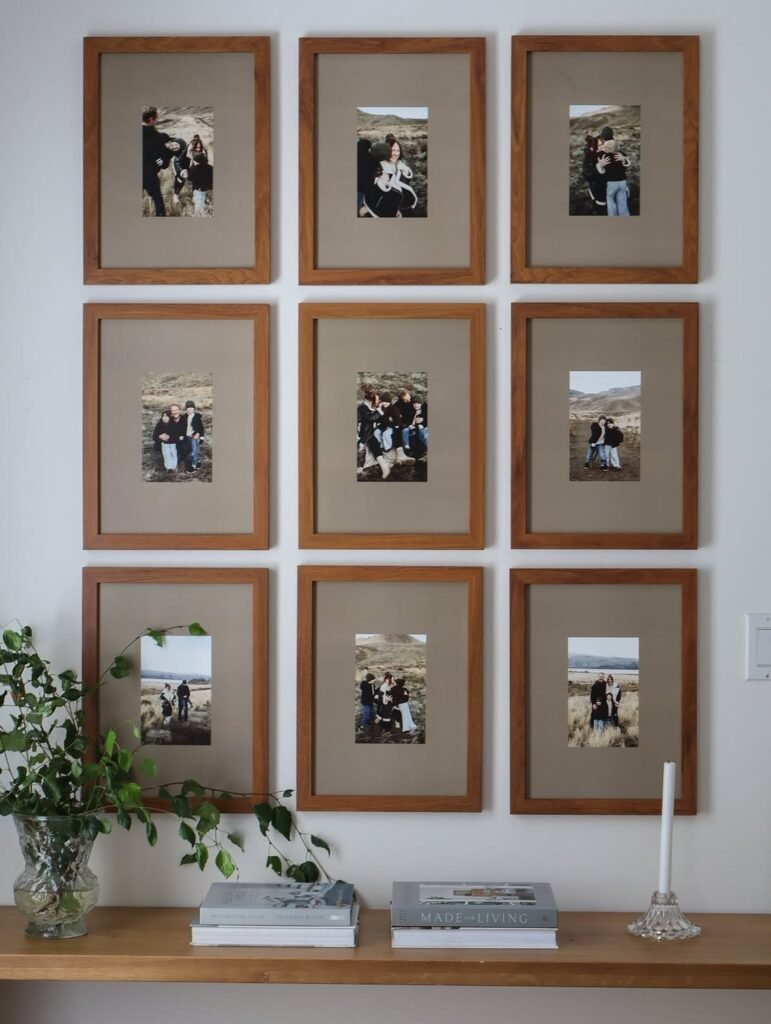
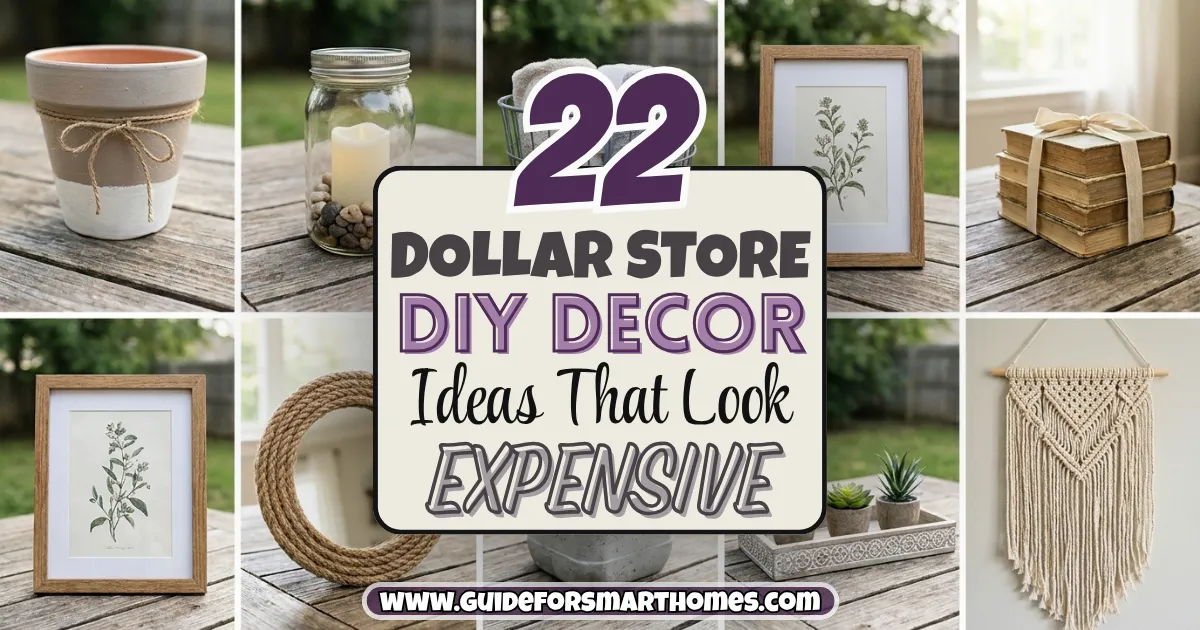
A gallery wall works because a blank wall is usually the reason a room feels unfinished, not the sofa. I started mine with frames I already had, then filled in gaps from thrift stores over a few weeks. Spray painting them all the same color is what makes mismatched frames look deliberate instead of random.
Lay everything on the floor first and take a photo of the layout. That photo will save you from at least three extra nail holes, which I learned after patching my own wall twice.
2. Peel-and-Stick Wallpaper Accent Wall
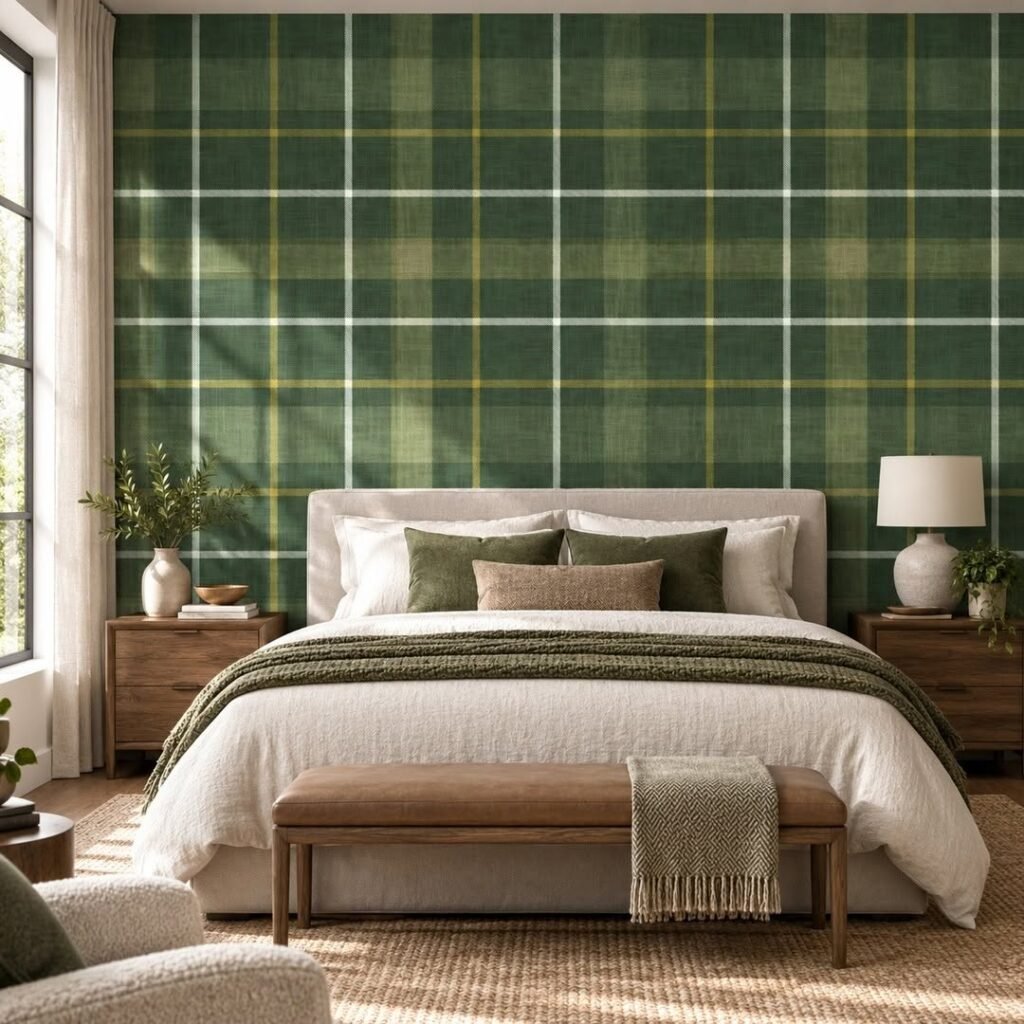
This is my top pick for renters and for anyone who is scared of paint. One accent wall behind a bed or sofa gives you pattern and color without committing to a whole room. It is also genuinely forgiving: if a strip goes on crooked, you can peel it back and try again.
Measure twice and order one extra roll. The trade-off is that cheap wallpaper can look shiny up close, so I would spend a little more on a matte, fabric-feel option if it is going in a bedroom you see every day.
3. Painted Mason Jar Vases
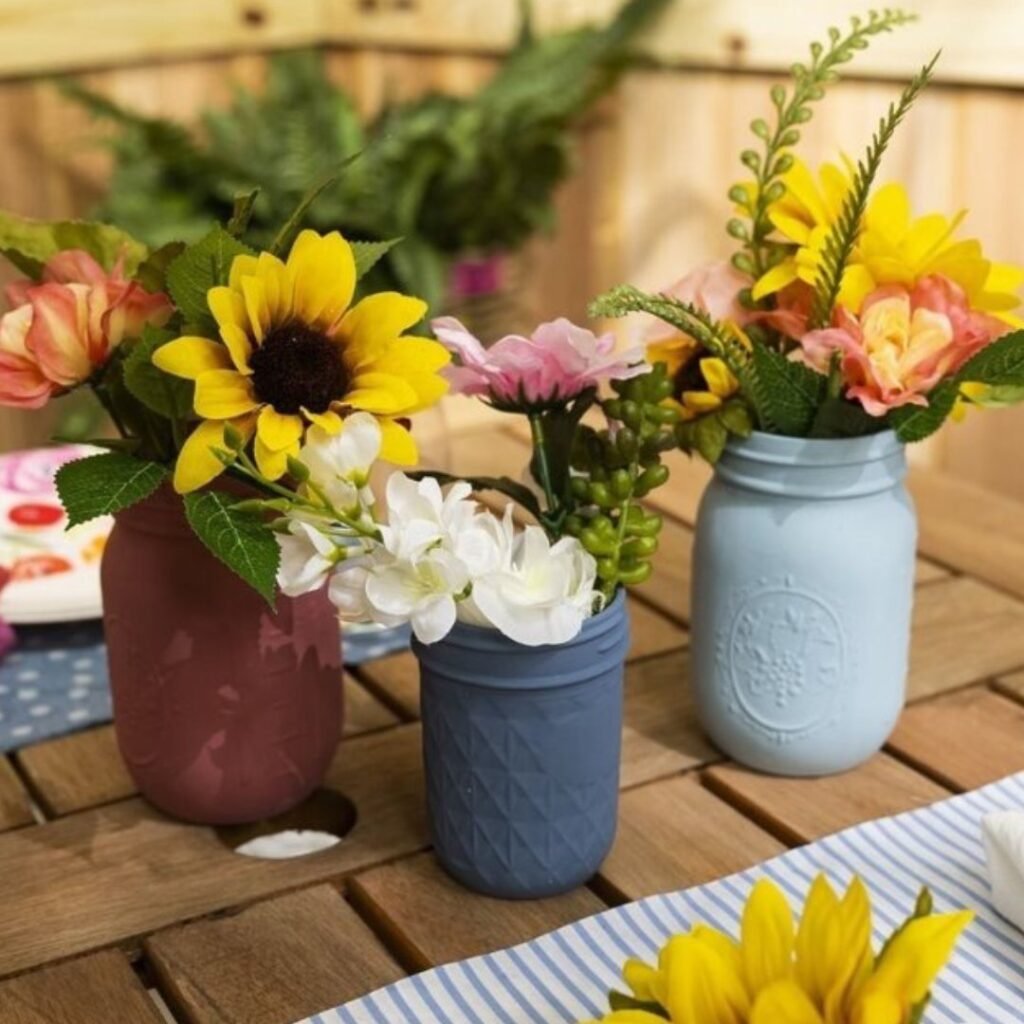
Mason jars solve a very specific problem: you want flowers or greenery on a table, but you do not want to buy a $40 vase for every bunch. Clean an old jar, paint it with chalk paint, and let it dry fully before you add water or stems. Grouping three jars at different heights looks better than one lonely jar in the middle of a table.
Pro tip for walls: Do the wall projects before you buy small decor. Once the big wall is done, you will buy less, because you will actually see what the room still needs.
4. DIY Wall Vase
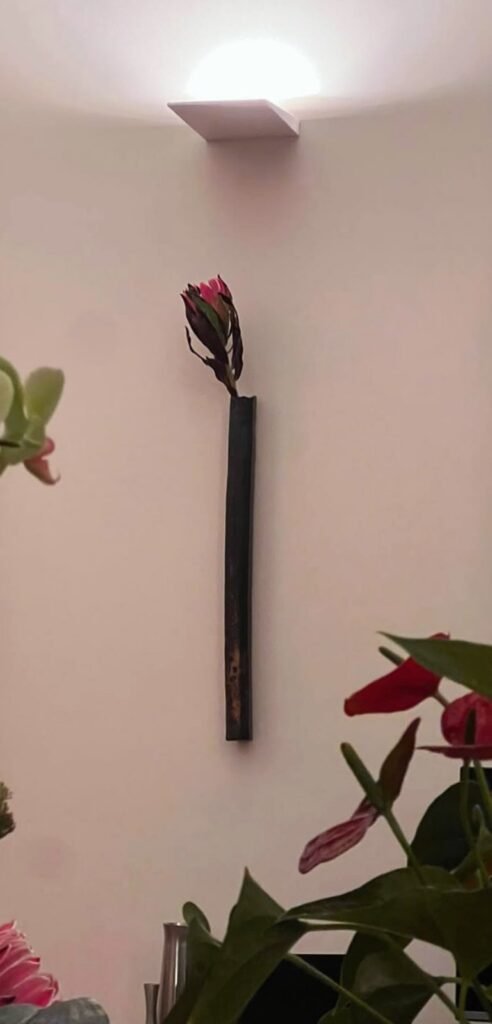
A wall vase is a small project with a big payoff in a hallway or bathroom where there is no floor space for a plant. You mount a small holder, add a tube or tiny jar, and put in one stem. It is budget-friendly, modern, and hard to mess up.
The mistake to avoid is hanging it too high. Eye level, or just below it, is where it actually gets noticed. Too high and it just looks like you forgot to finish hanging something.
5. Paper Wall Hangings
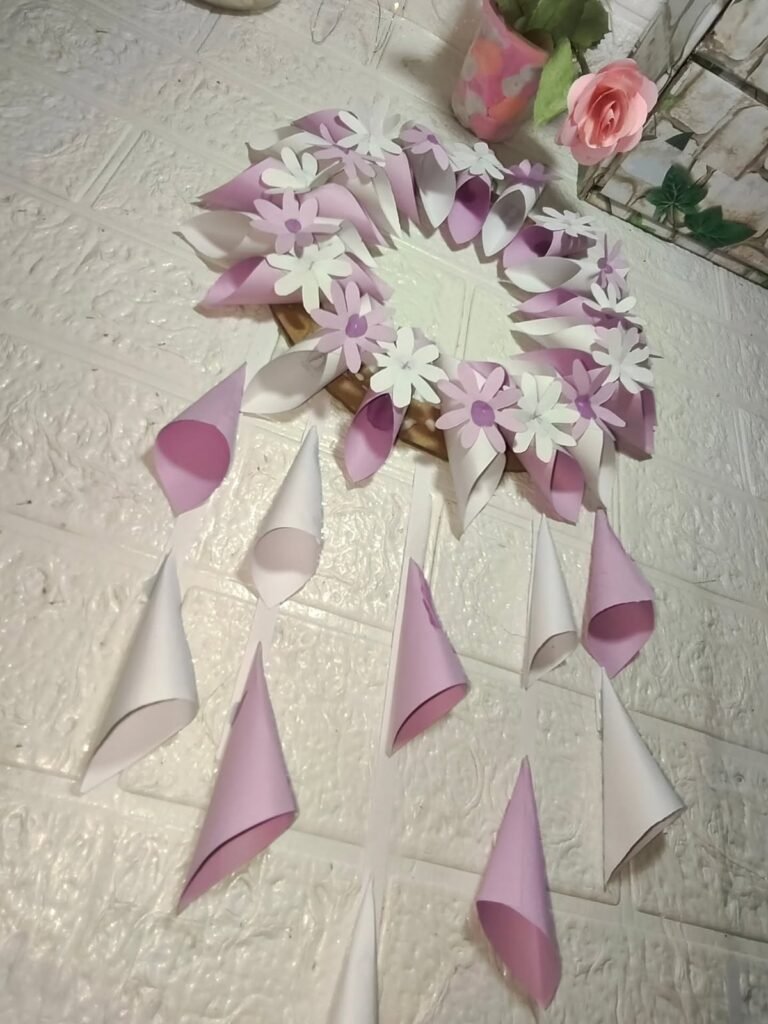
Paper wall hangings are the cheapest way to add color to a kids’ room, a dorm, or a rental where you cannot paint. You can make flowers, hearts, and tassels from paper you already have, and they are light enough to hang with removable hooks.
I would not use these in a damp bathroom, because paper and humidity do not get along. In a dry bedroom, though, they last much longer than people expect.
| Idea | Approx. cost | Time | Renter-friendly? |
|---|---|---|---|
| Gallery wall | $20-60 | 2 hours | Yes |
| Peel-and-stick wallpaper | $30-80 per wall | 2-3 hours | Yes |
| Mason jar vases | Under $15 | 1 hour + drying | Yes |
| Wall vase | $10-25 | 30 minutes | Yes |
| Paper wall hangings | Under $10 | 1-2 hours | Yes |
Shelves, Storage, and Things That Earn Their Space
6. DIY Floating Shelves
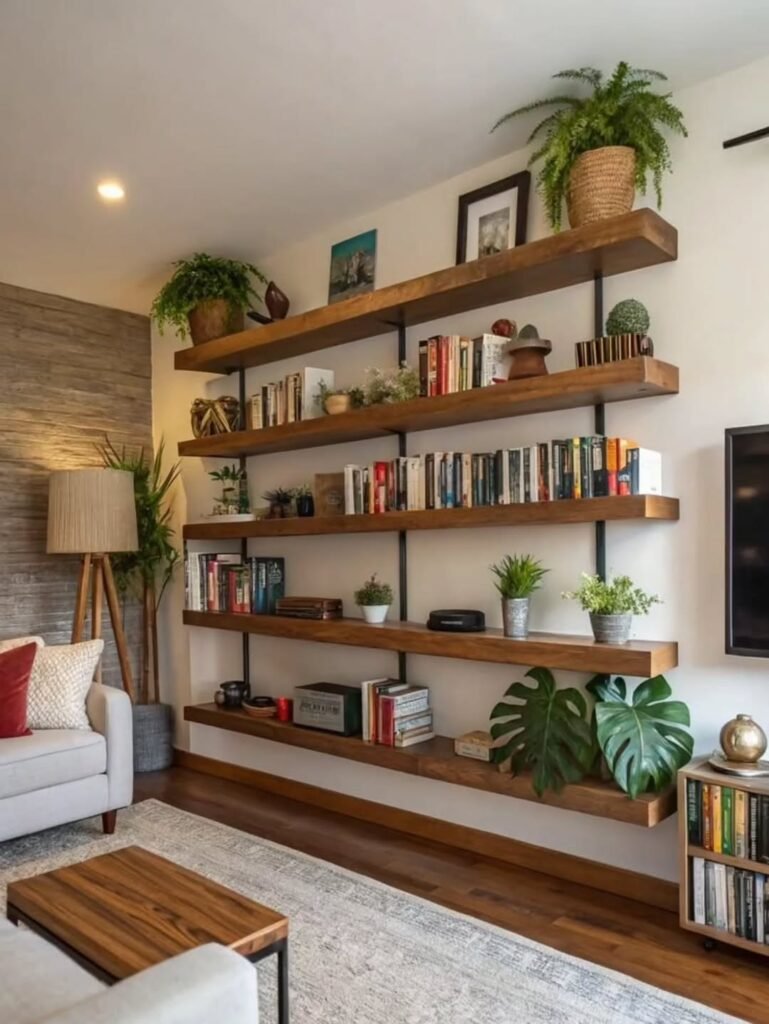
Floating shelves are worth it because they give you display space without a bulky bookcase taking up floor space. That matters a lot in small-space living. Mount into studs, not just drywall, especially if you are putting books on them. Books are heavier than they look, and I have seen a shelf pull straight out of drywall.
Style with restraint: a plant, a few books, and one object you like. Leave empty space. A shelf that is packed edge to edge reads as storage, not decor.
7. Family Photo Display Wall
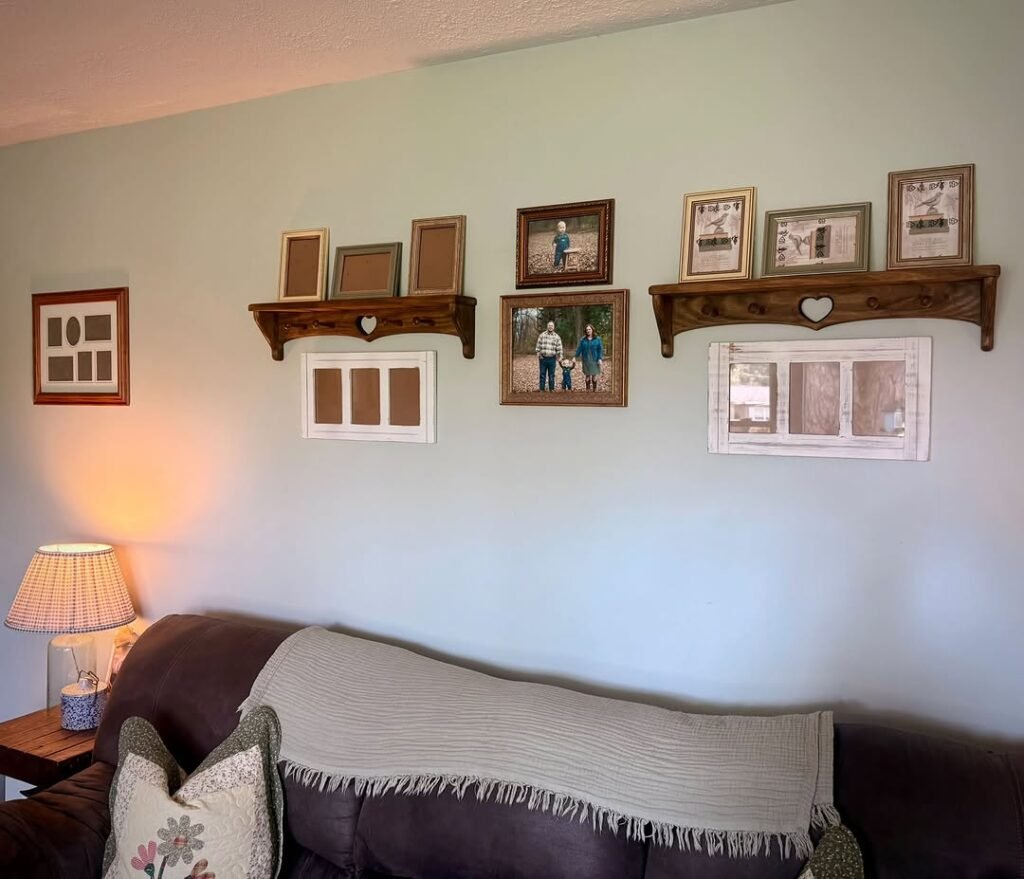
A photo display works best when it is not trying to be a perfect grid. Mix frame sizes, leave a little uneven spacing, and use photos you actually like looking at, not just the formal ones. I started mine above a sofa and added to it over time, which felt more real than buying 20 matching frames at once.
If you rent, use picture-hanging strips rated for the frame weight, and check the weight limit honestly. A heavy frame on a light strip is how walls get damaged.
8. Basket Wall Decor
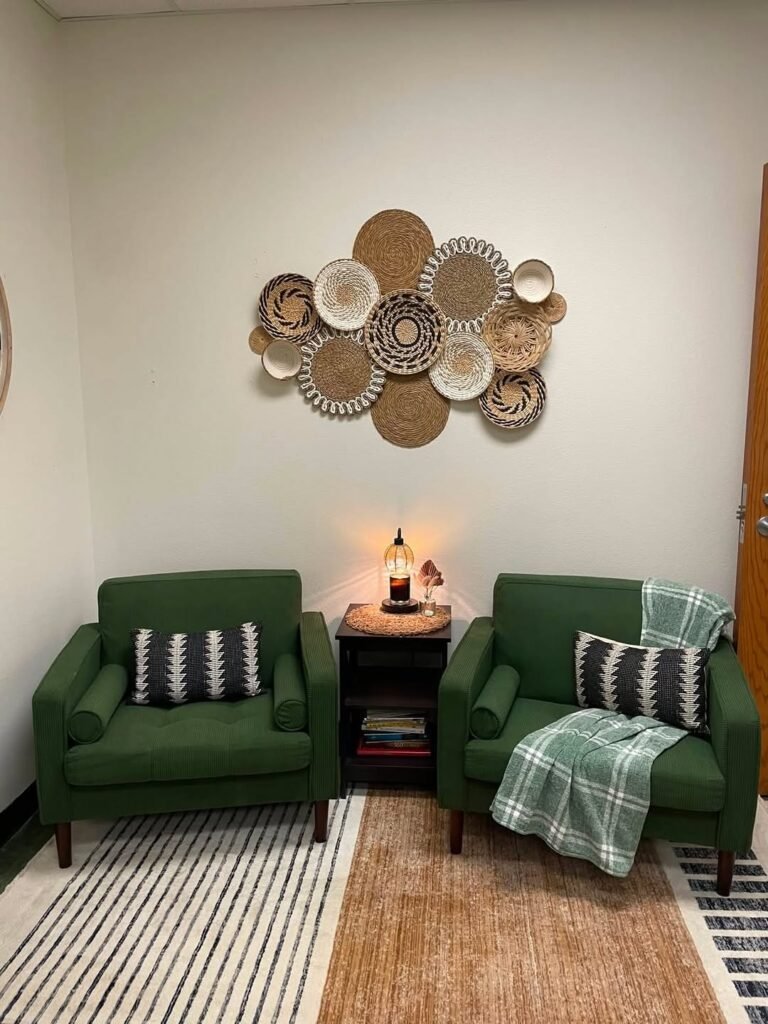
Woven baskets add texture, which is what most plain rooms are missing. They are also very forgiving for beginners because you do not need perfect symmetry. Put the biggest basket near the center, then work outward with smaller ones.
Thrift stores are the best place to find these cheap, and you can mix natural, black, and patterned baskets as long as the overall color palette stays warm and neutral.
9. Sunburst Mirror
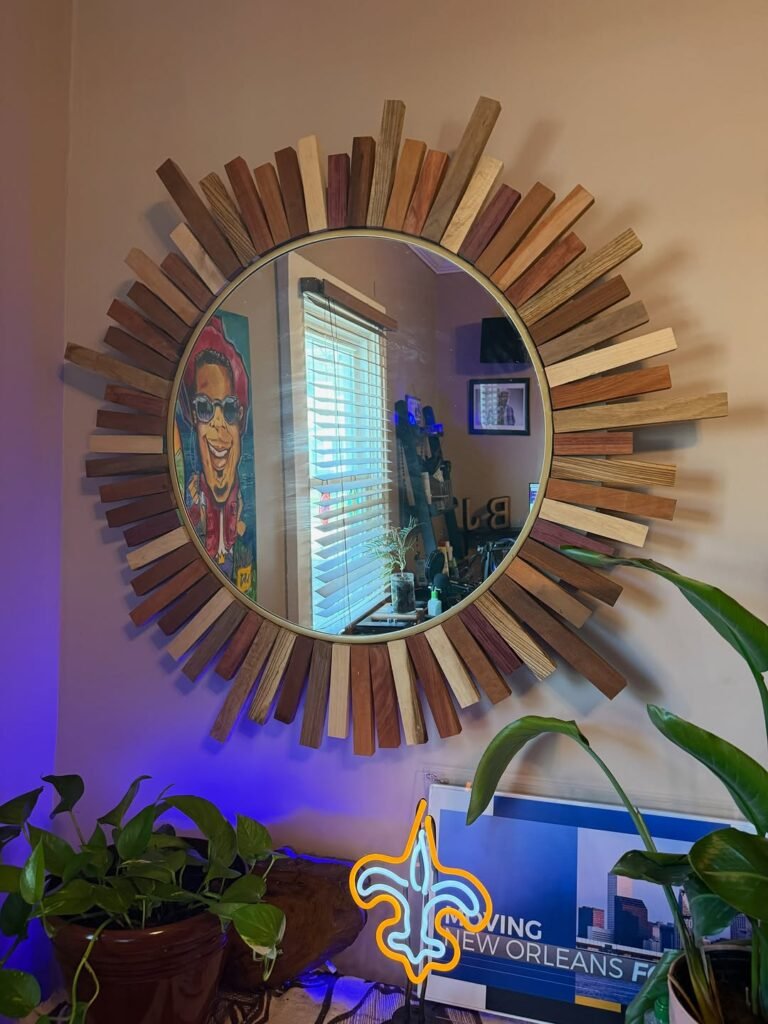
A sunburst mirror does two jobs at once: it is decor, and it bounces light around a small room. That is why I like it in entryways and above consoles where a room can feel dark. You can make the frame from wood pieces, or buy a simple round mirror and build around it.
Place it across from a window if you can. That one placement choice makes a bigger difference than the mirror itself.
10. Entryway Hook Wall
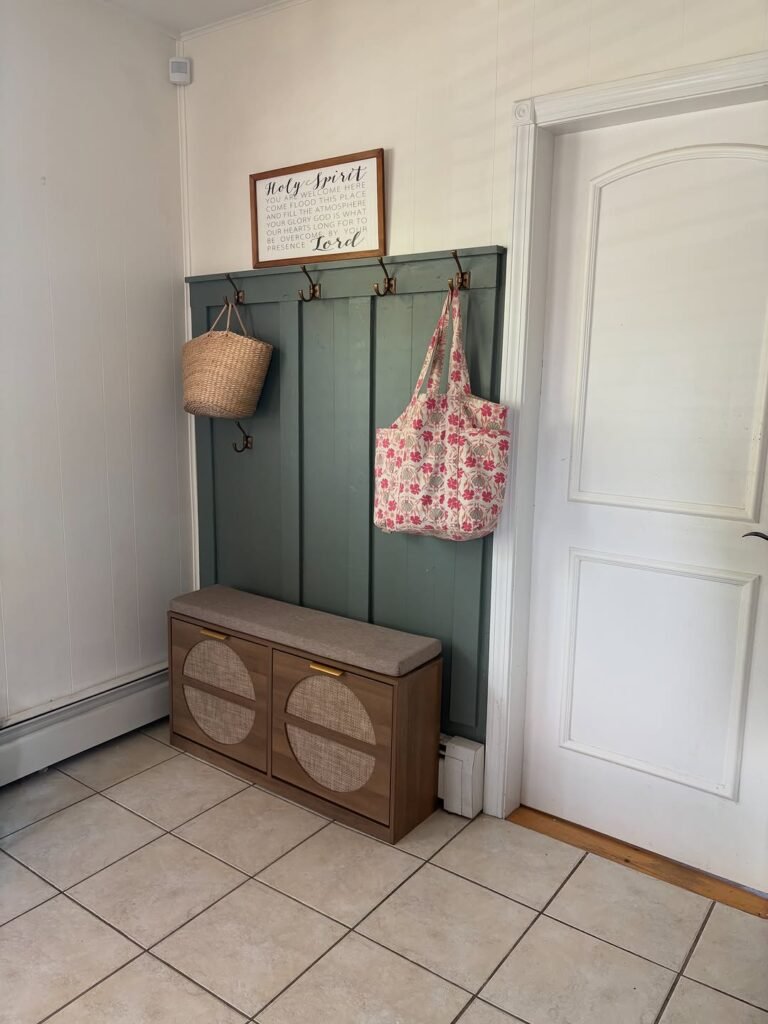
This is not glamorous, but it is the project that actually keeps a home tidy. Bags, keys, and jackets need a home by the door, or they end up on every chair in the house. A simple wood board with four or five hooks, mounted at a height everyone can reach, solves that daily mess.
Pro tip for shelves and storage: Give every hook and shelf a job before you hang it. If you cannot say what will go there, you probably do not need it yet, and you will just fill it with random stuff later.
Soft Touches, Plants, and Cozy Corners
11. Sofa Pillow Refresh
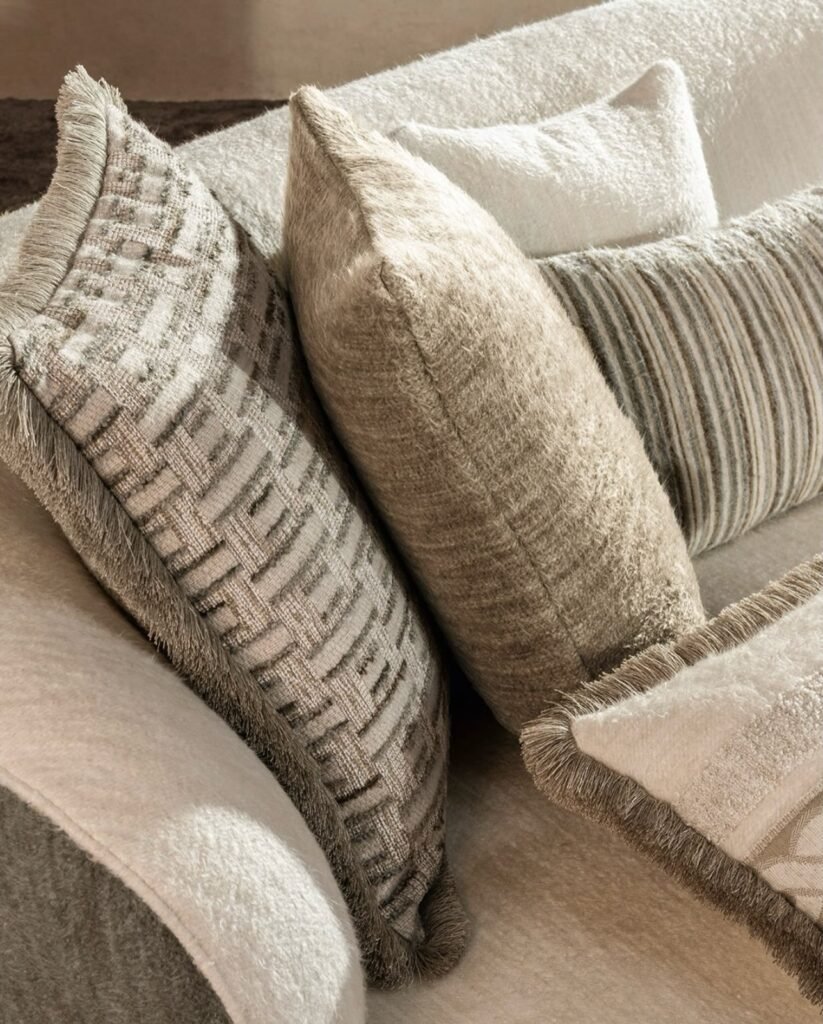
Changing pillow covers is cheaper and faster than buying new pillows, and it changes a whole sofa. I use iron-on hem tape for no-sew covers, and I stick to two or three colors that are already in the room. Mixing linen, velvet, and cotton gives you texture without making the sofa look messy.
The trade-off is that very cheap fabric wrinkles fast and looks tired after a few weeks. A mid-weight linen or cotton cover is worth the extra few dollars.
12. Fairy-Light Jar Display
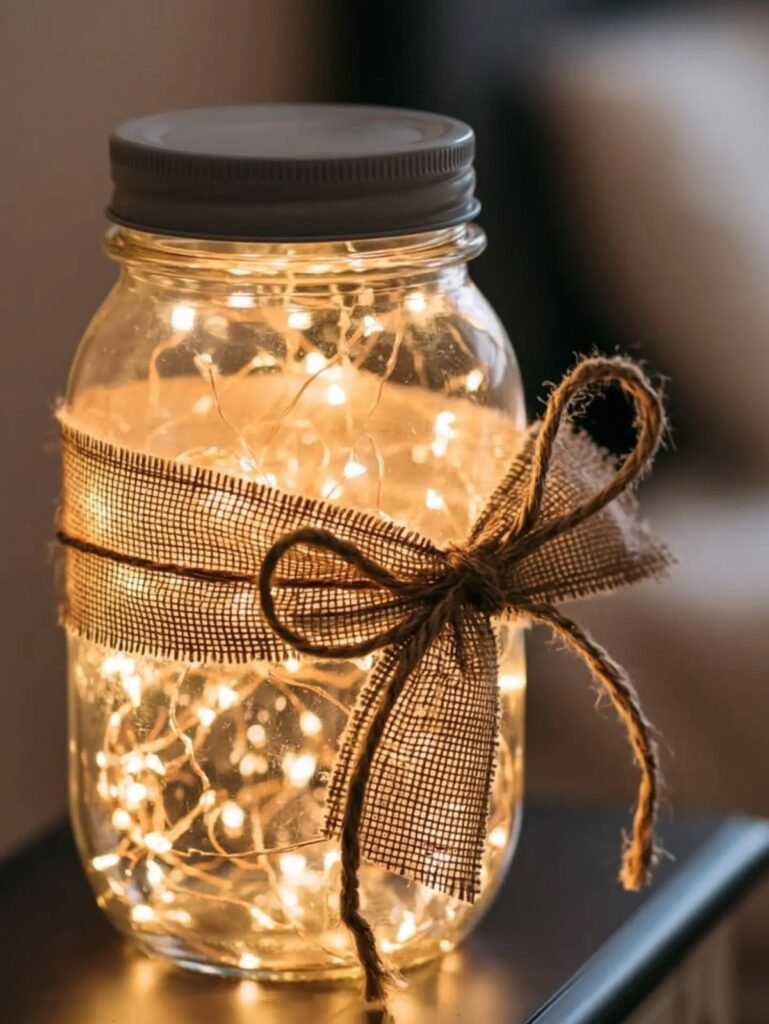
Jars with fairy lights inside are my favorite low-effort evening decor. They give you warm light without a new lamp, and they work on a shelf, a dining table, or a bedroom nightstand. Use battery-operated lights if there is no outlet nearby, and keep the jars away from curtains if you are using real candles instead.
I would skip real flames in jars with dried flowers inside. It looks pretty in a photo and it is not worth the risk at home.
13. Painted Plant Pots
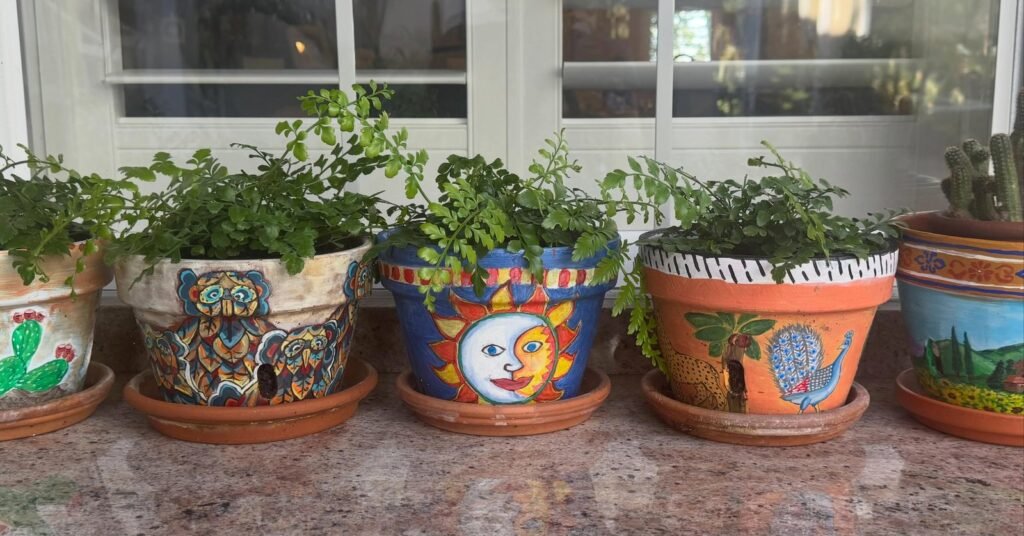
Plain pots are fine, but painted pots make even a basic pothos look intentional. Paint terracotta pots in white, sage, or soft pink, add a simple stripe if you want, and seal them so the paint lasts when you water the plant. Group them on a windowsill rather than scattering one pot in every room.
Start with plants that forgive you. Pothos and snake plants are much better first plants than fussy ones that need perfect light and watering schedules.
14. Framed Art Wall
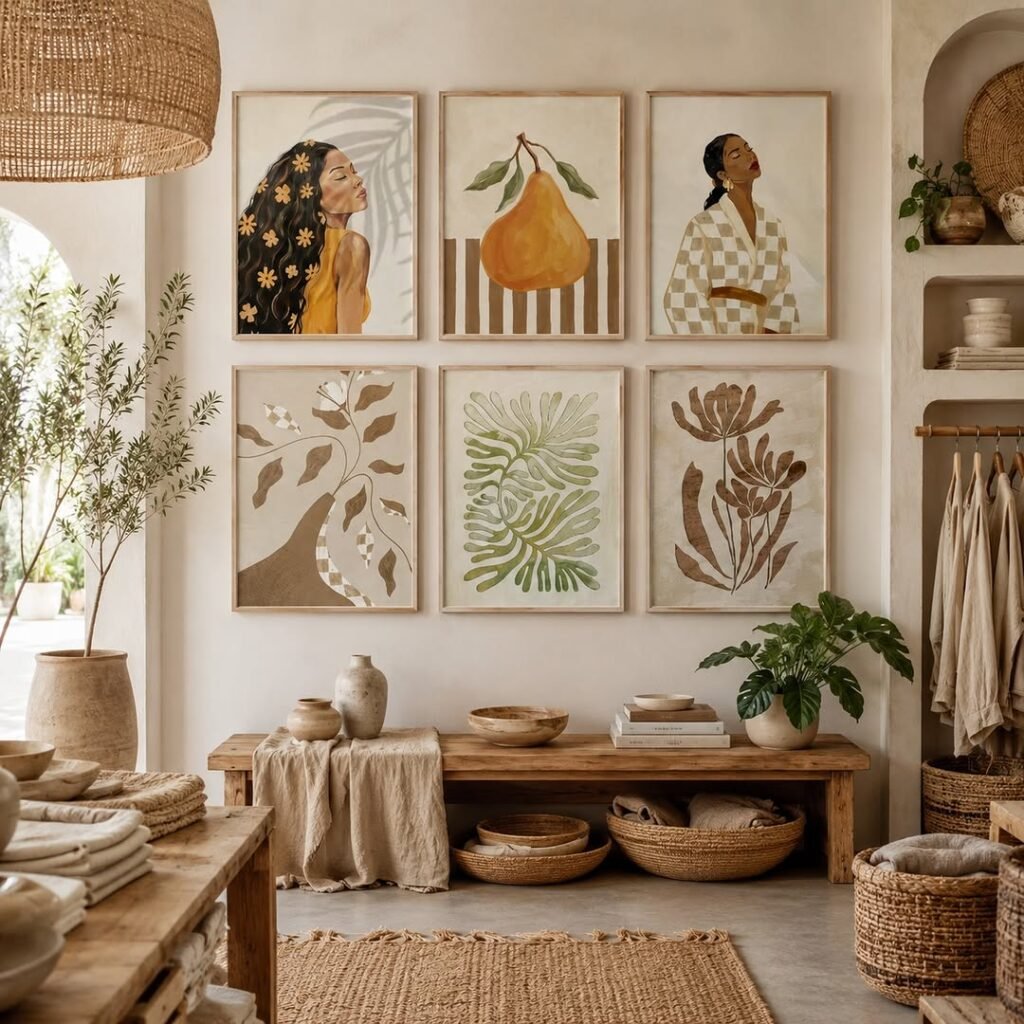
You do not need expensive original art to make a wall look curated. A grid of simple framed prints, all in the same frame color, looks calm and finished. I like to mix one larger print with smaller ones, rather than making everything the exact same size.
If you are making your own abstract art, limit yourself to three colors from your room. That one rule is the difference between art that looks intentional and art that looks like leftover paint.
15. Linen Curtains
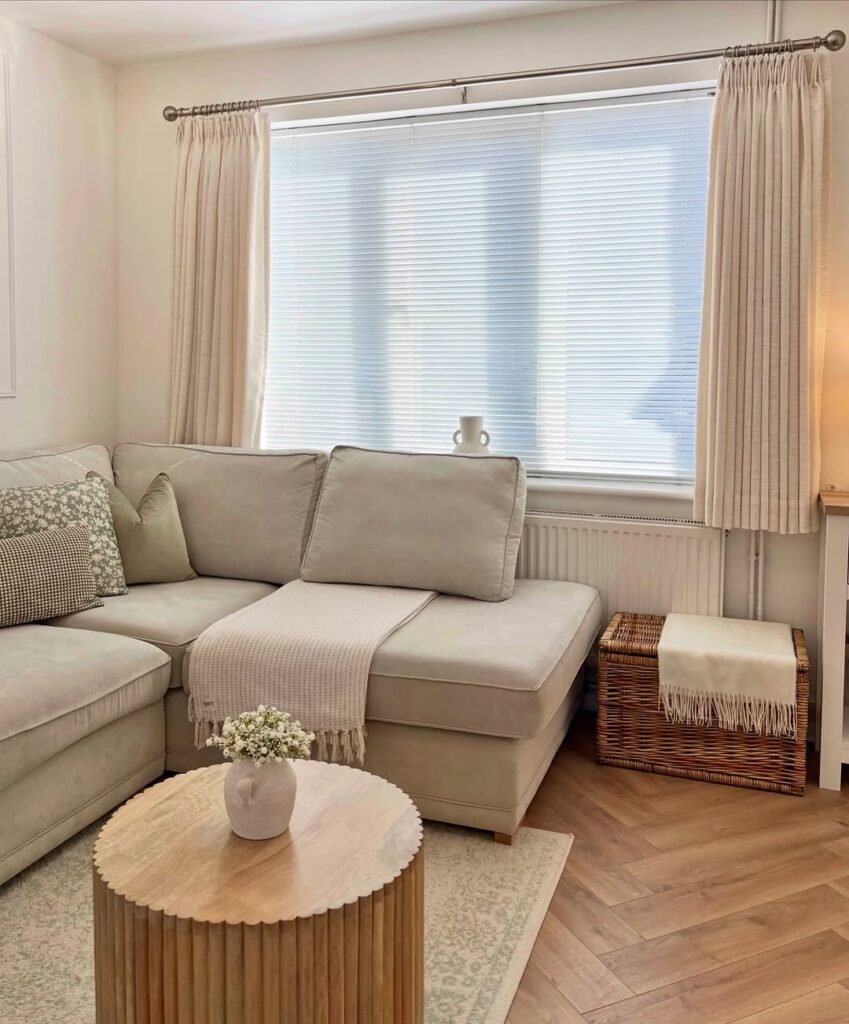
Heavy, dark curtains can make a room feel smaller, especially in apartment living. Light linen or sheer cotton, hung higher and wider than the window, makes the window look taller and lets in more light. Use clip rings so you do not need to sew a pocket.
This is one of those budget home decor changes that looks expensive but is not, as long as the curtains actually reach the floor. Curtains that stop halfway down the wall always look like a mistake to me.
16. Cozy Reading Nook
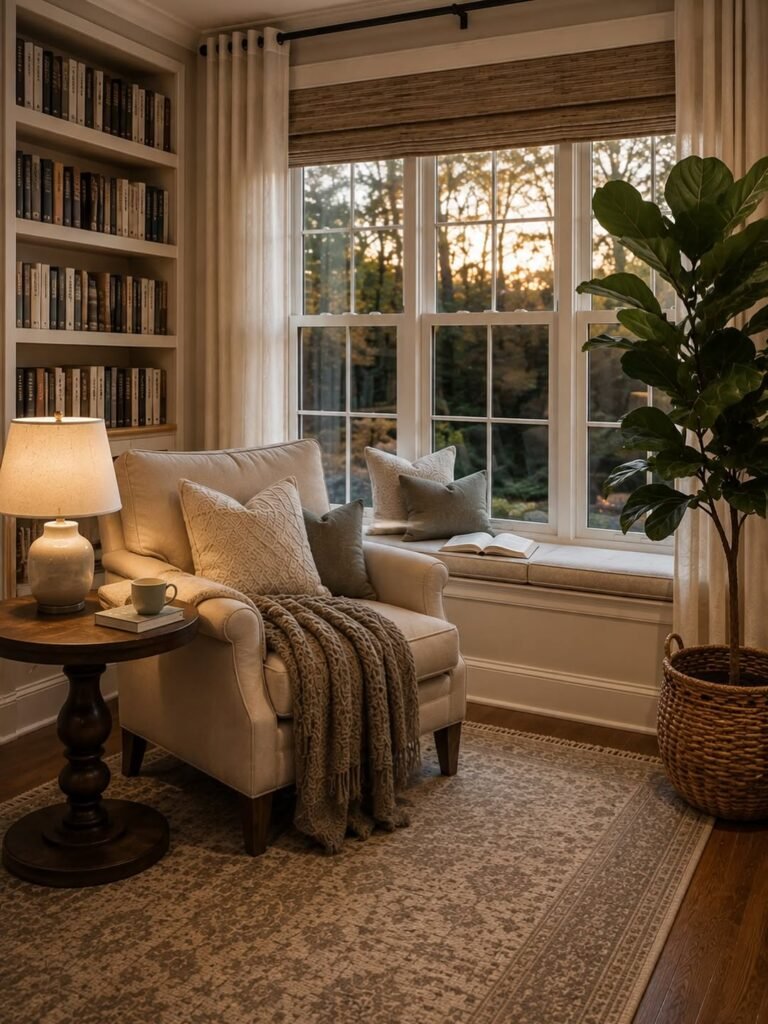
You do not need a spare room for a reading nook. You need one unused corner, a comfortable chair, a throw, a small table for tea, and a warm lamp. That is it. I put mine by a window, and it became the spot I actually used every evening, while the fancy living room sofa mostly sat empty.
Pro tip for cozy corners: Light matters more than furniture here. A warm lamp or string lights will make a $50 chair feel cozy, while a bright overhead light will make even a nice chair feel like a waiting room.
Small Details That Finish a Room
17. Mason Jar Lanterns
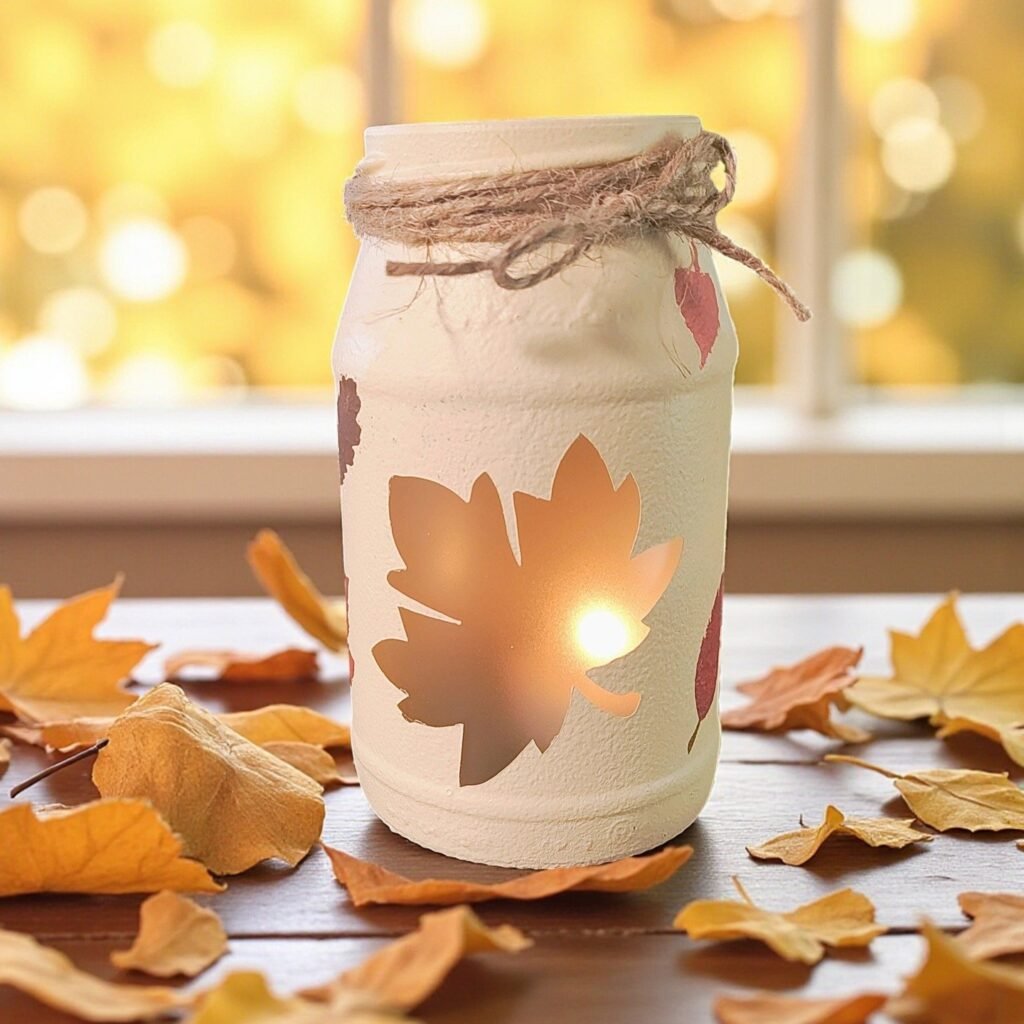
A painted mason jar lantern is a step up from a plain jar vase, because it works as both decor and lighting. Paint simple flowers or leave parts clear so light can shine through, add a battery tea light, and put it on a bathroom shelf or outdoor table. It is a good project for a first DIY attempt because it is hard to ruin.
18. Furniture Refresh With Chalk Paint
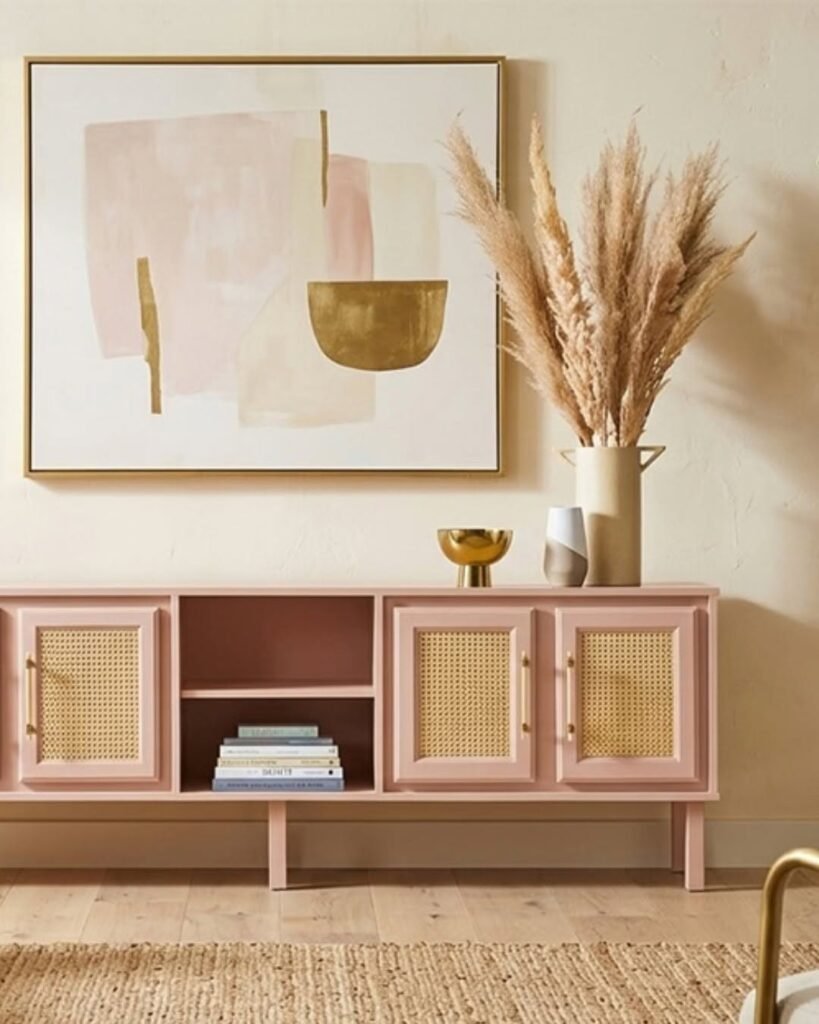
Before you throw out an old side table or console, try chalk paint. It sticks with little sanding, dries fast, and gives a soft matte finish that hides a lot of wear. Paint two thin coats instead of one thick one, finish with clear wax, and swap the knobs. That last detail is what makes it look like a new piece instead of a painted old one.
The trade-off is durability. Chalk paint is great for a side table, but I would not use it on a dining table that gets daily scrubbing unless you seal it very well.
19. Peel-and-Stick Bathroom Refresh
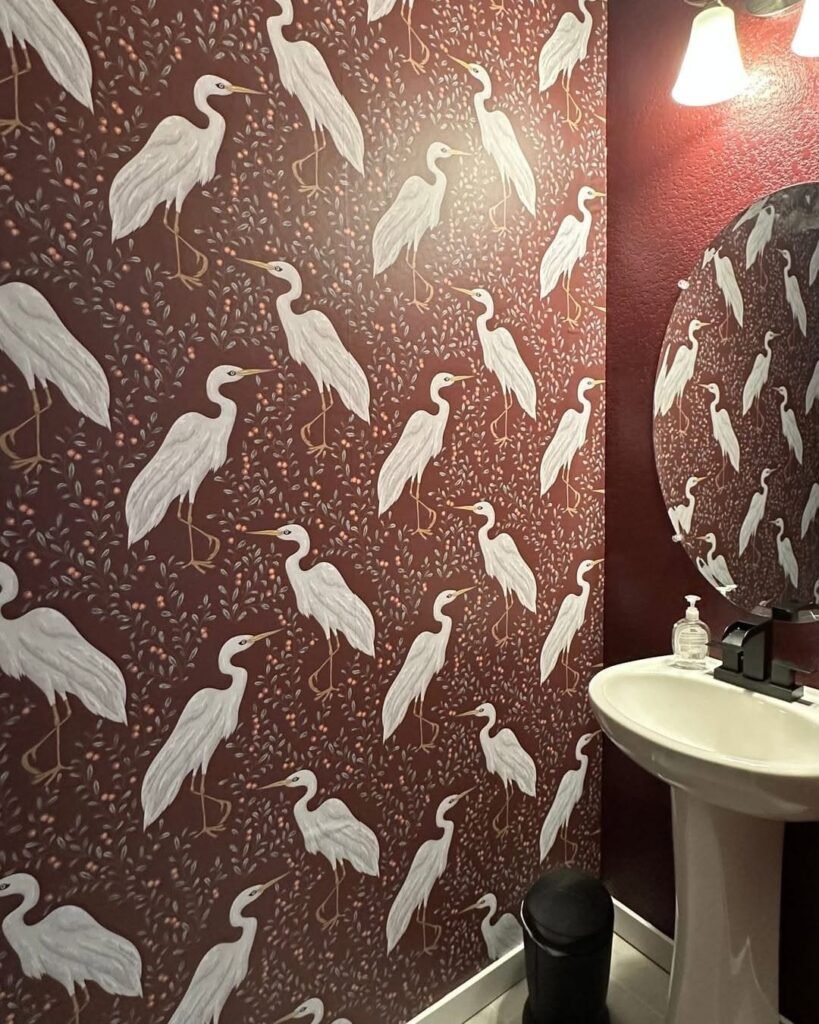
Bathrooms are small, so one wall of peel-and-stick wallpaper can change the whole room in an afternoon. This works especially well in a rental bathroom where you cannot tile or paint. Choose a pattern that can handle humidity, and seal the edges well around the sink and shower area.
I would not put it directly inside a shower. That is the one place where even good peel-and-stick will eventually lift, and then you are peeling it off in strips.
20. Styled Bookshelf
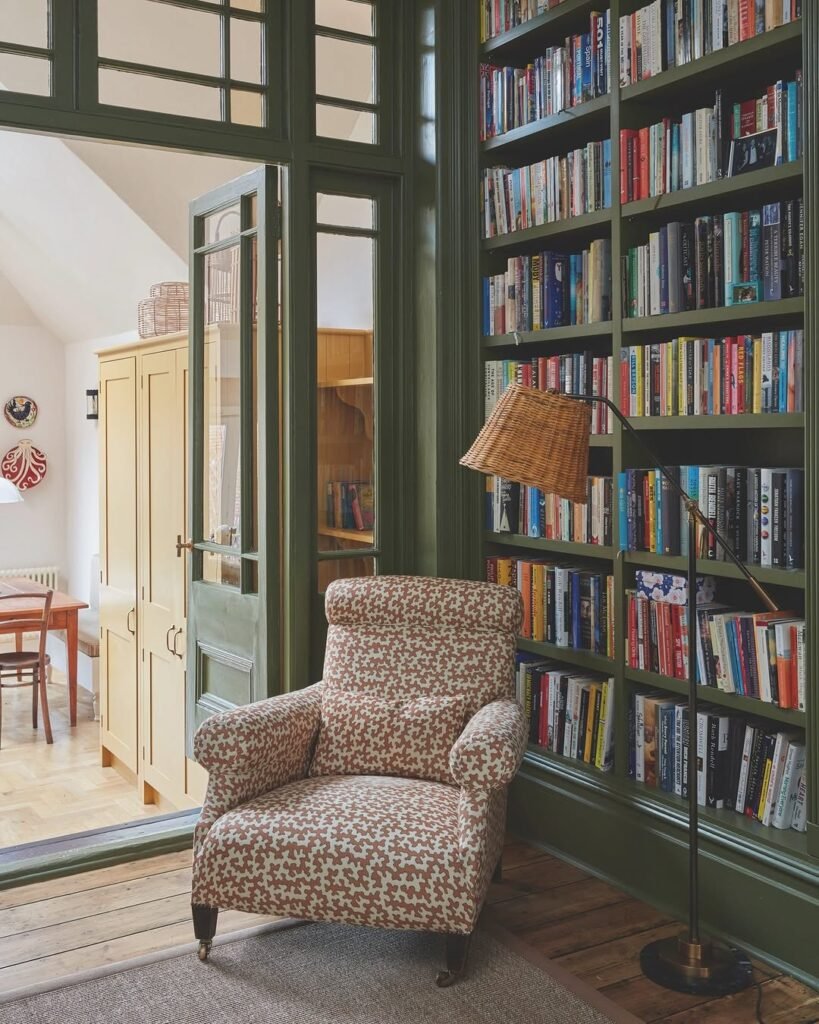
This one costs nothing, and it is where I would start if I was overwhelmed. Take everything off one shelf, keep only what you love, and put it back in groups. Stack some books horizontally, stand others vertically, leave breathing space, and add one plant. Then remove one thing. That last step is what makes a shelf look styled instead of stuffed.
Pro tip for small details: Do not buy decor to fill a shelf. Style what you already own first, live with it for a week, and then you will know exactly what one or two things are actually missing.
What I Would Do First If I Was Starting Over
If I was starting over in a blank apartment, I would not buy a cart full of decor. I would do the gallery wall or peel-and-stick accent wall first, then the bookshelf styling, then one cozy corner with a lamp and a throw. Those three things make a home feel finished, and everything else can wait until you actually live in the space and know what you need.
Save the ideas you love, pick one for this weekend, and start small. A home does not need to be perfect to feel like yours. It just needs a few choices that were actually yours.






Leave a Reply