
I used to think multi-functional furniture was mostly a marketing gimmick, the kind of thing that looks clever in a product photo and turns out to be annoying in real life. Then I moved into a 340-square-foot apartment with a single closet and no separate dining area, and within about a month I was a full convert.
My ottoman that hides board games, my bed frame with drawers built into the base, my console table that folds out into a desk when I actually need to work from home: none of it was a gimmick once I actually needed the square footage back.
If you’re in a tiny apartment and feel like you’re constantly choosing between having enough furniture and having enough floor space, this is for you.
The trick with multi-functional furniture isn’t buying the cleverest-looking piece you can find, it’s matching the specific combination of functions to what your actual daily routine needs, because a piece that’s brilliant for one person’s life is dead weight for someone else’s.
I’ll go through the categories that matter most in a small apartment, and I’ll flag where a “clever” piece actually let me down so you don’t make the same purchase twice.
We’ll cover sleeping, seating, tables, storage, and a few smaller pieces that round things out, plus a cost comparison so you know where it’s worth spending more.
Sleeping Furniture That Works Double Duty
Your bed takes up more floor space than almost anything else in a small apartment, which makes it the highest-leverage place to add a second function.
1. A storage bed frame with drawers built into the base
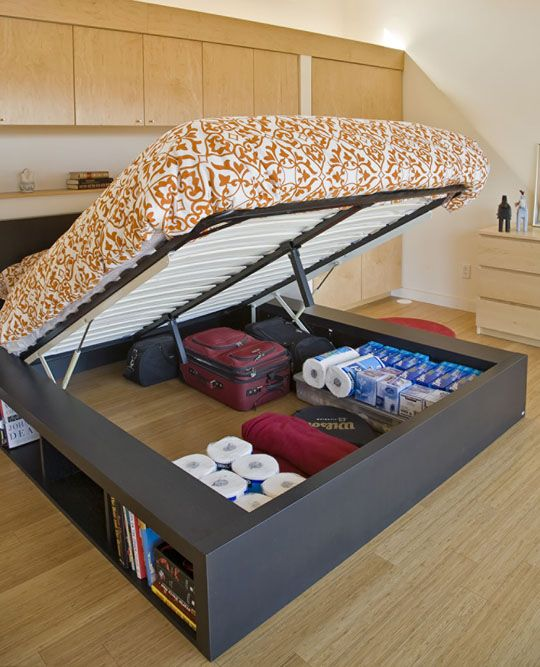
This is the single most useful multi-functional piece I own. The drawers under my bed hold off-season clothes and extra bedding, which used to eat up an entire dresser’s worth of space.
Look for one where the drawers actually slide out smoothly on the finished side of the bed, not just the side against the wall, or you’ll end up with storage you technically have but never actually use.
2. A daybed that functions as both a couch and a guest bed
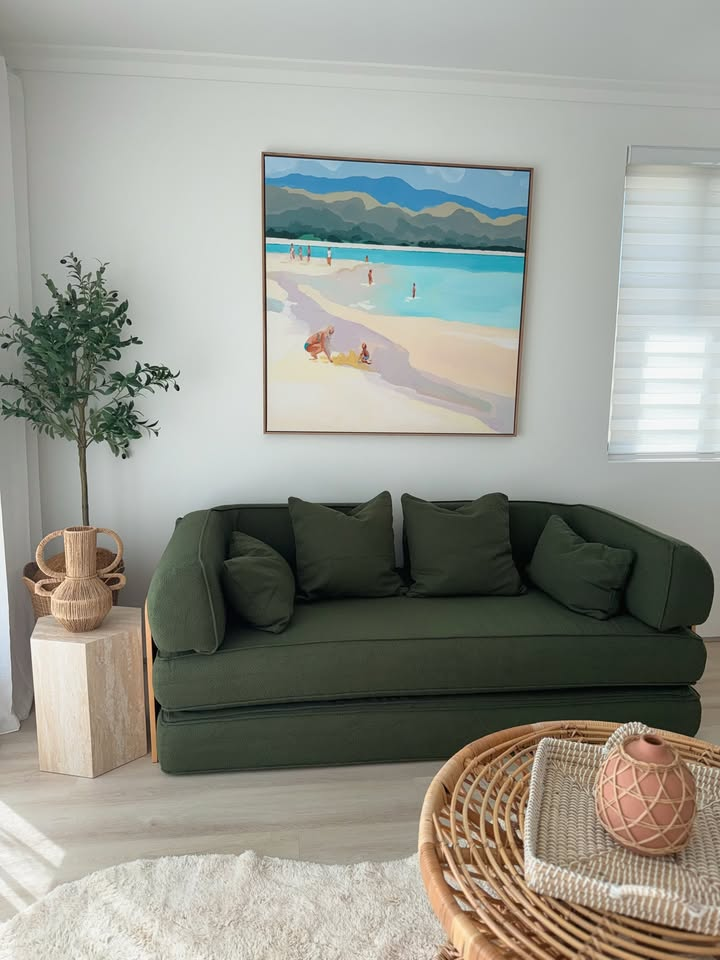
If you have one room doing double duty as a living space and an occasional guest room, a daybed reads as a couch during the day and folds out (or already fits a mattress topper) for overnight guests.
My friend Renata uses hers this way in her studio and says the trick is picking one with bolster pillows sturdy enough to actually lean back against, since the cheaper versions she tried first felt more decorative than functional.
3. A murphy bed for a room that needs to be something else most of the day
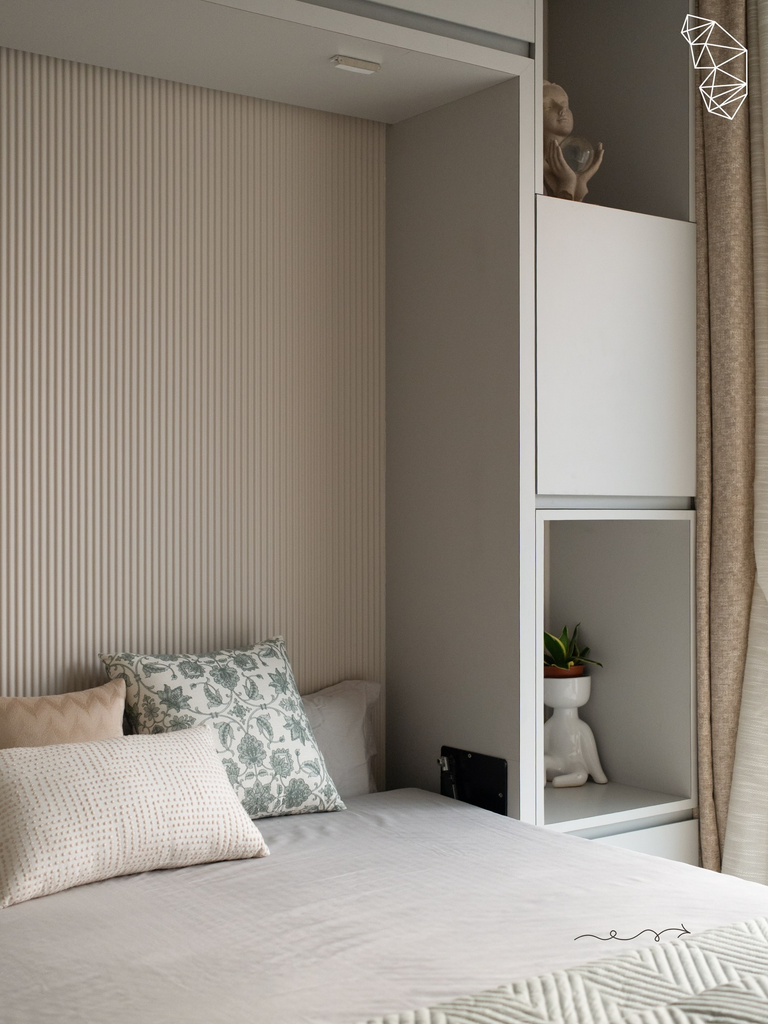
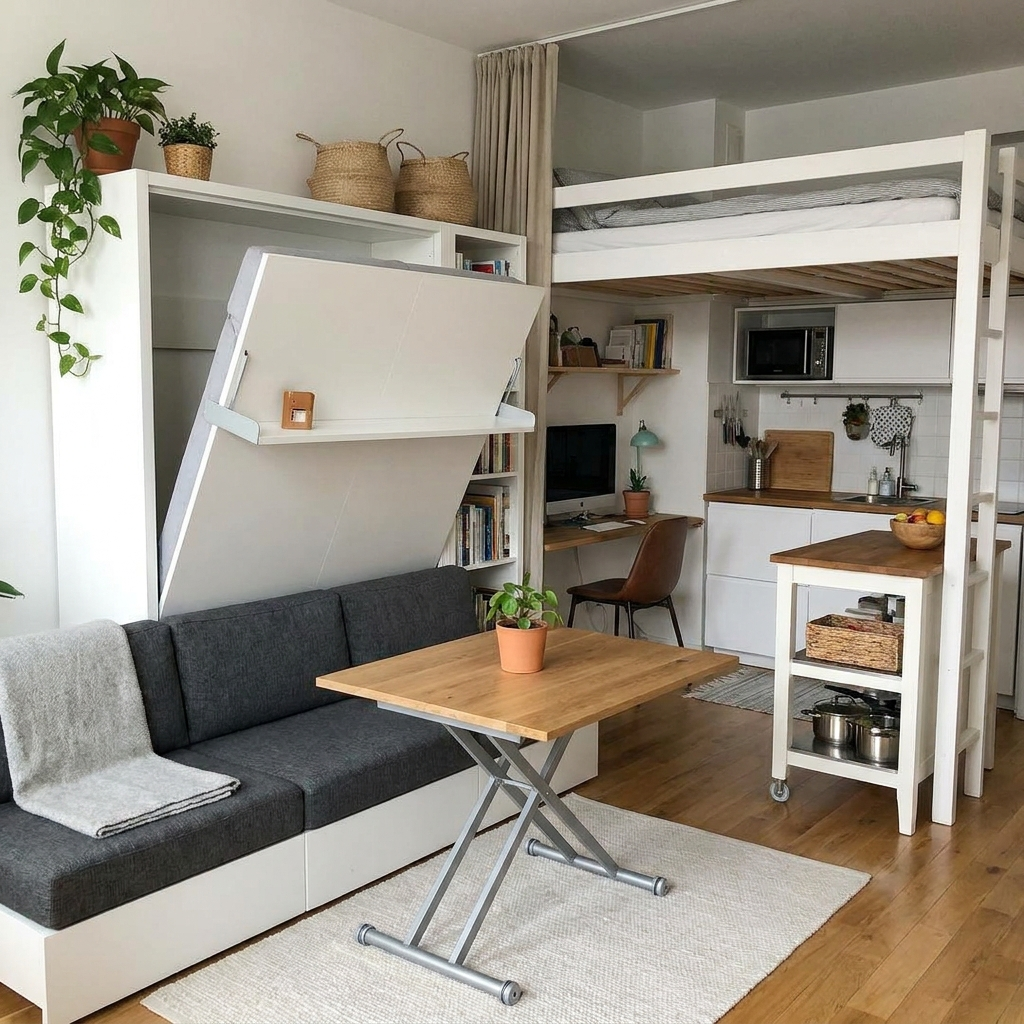
This is a bigger investment and sometimes requires landlord sign-off, but if your bedroom also needs to function as an office or a workout space during the day, a wall bed genuinely reclaims that entire footprint when it’s folded up.
It’s not the right call for everyone, since it usually needs professional installation, but for the right layout it’s the most dramatic space swap on this whole list.
Pro tip: Before buying any storage bed, measure your actual mattress height plus the drawer clearance. I almost bought one where the drawers wouldn’t have cleared my particular bed frame’s legs, and I only caught it because I checked the exact measurements against my mattress instead of assuming standard sizing.
Seating That Earns Its Footprint
A couch or chair that only seats people is a much harder sell in a tiny apartment than one that also stores something or converts into something else.
4. An ottoman with a lift-off or hinged lid for storage
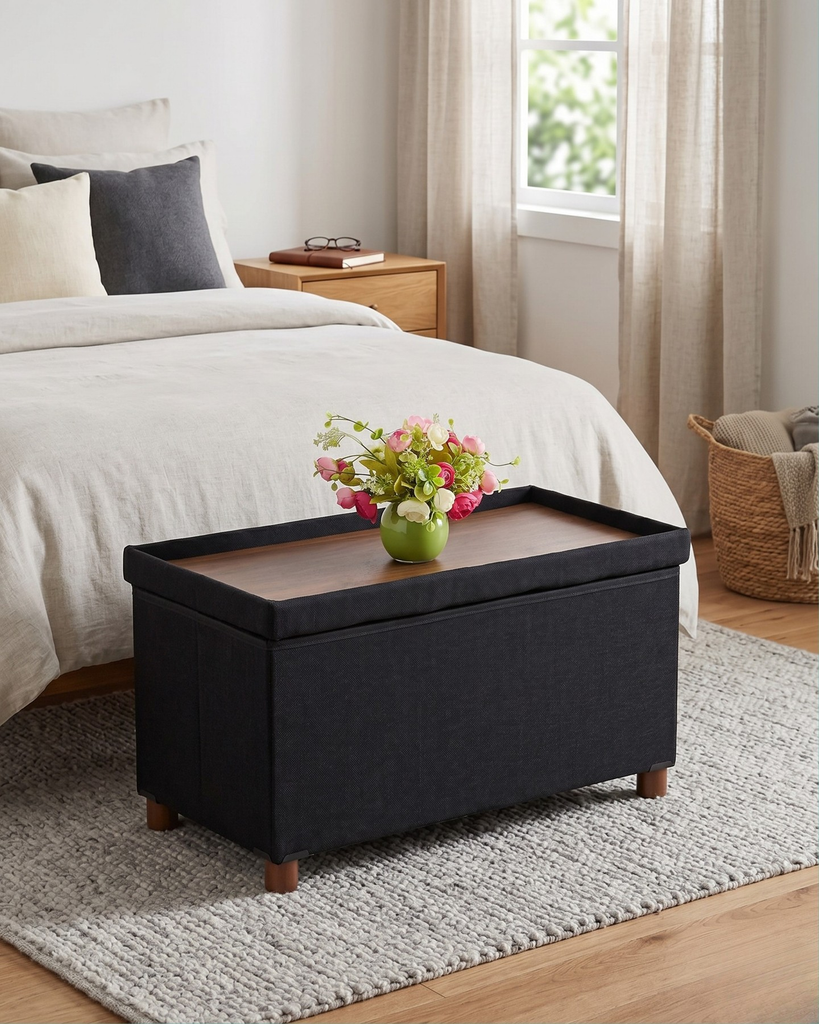
This is the classic for a reason. Extra blankets, board games, remote controls, whatever tends to clutter your surfaces can live inside instead, and the ottoman itself still works as a footrest or extra seat when people come over.
Get one with a sturdy hinge if you’re storing anything heavier than blankets, since the flimsier lift-off lids I tried first didn’t hold up well under regular use.
5. A sofa bed for a studio without a separate guest space
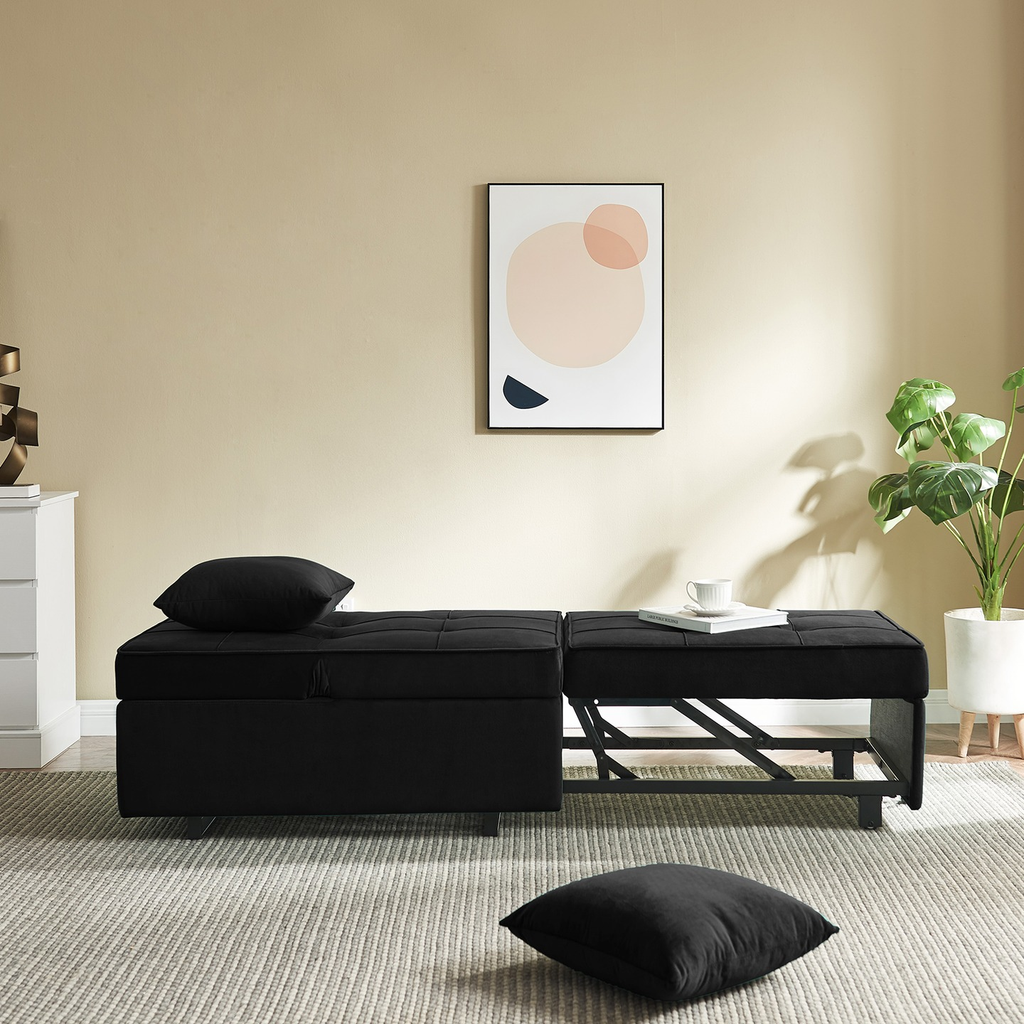
The category has genuinely improved in the last several years; the older pull-out sofas with a thin metal bar digging into your back are not what’s available anymore if you look at the mid-range and up options.
If overnight guests are a regular occurrence rather than a rare one, this is worth spending more on, because a genuinely uncomfortable sofa bed gets used less and less until it’s just an ordinary couch that happens to be heavier.
6. Stools that nest under a console or coffee table
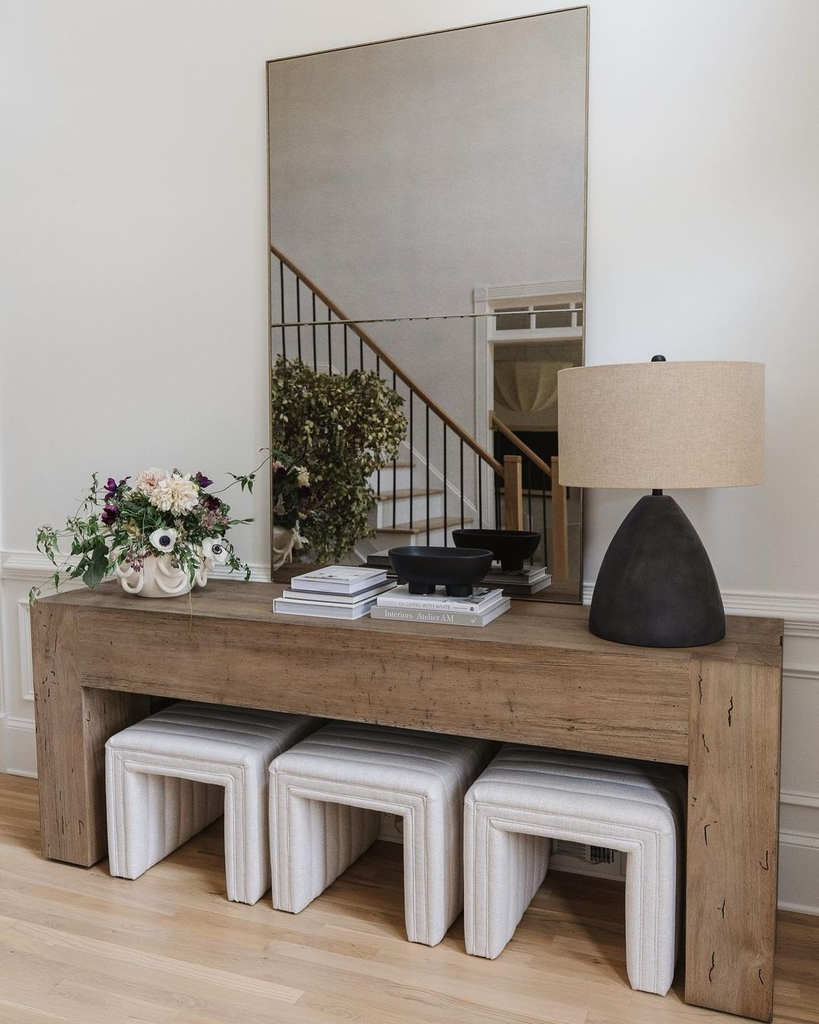
A set of stools that tuck completely out of sight when not in use gives you extra seating capacity for guests without permanently claiming floor space the rest of the time.
This is a smaller, cheaper version of the same principle as a storage bed: hide the extra capacity until you actually need it.
7. A bench with storage underneath for an entryway or dining nook
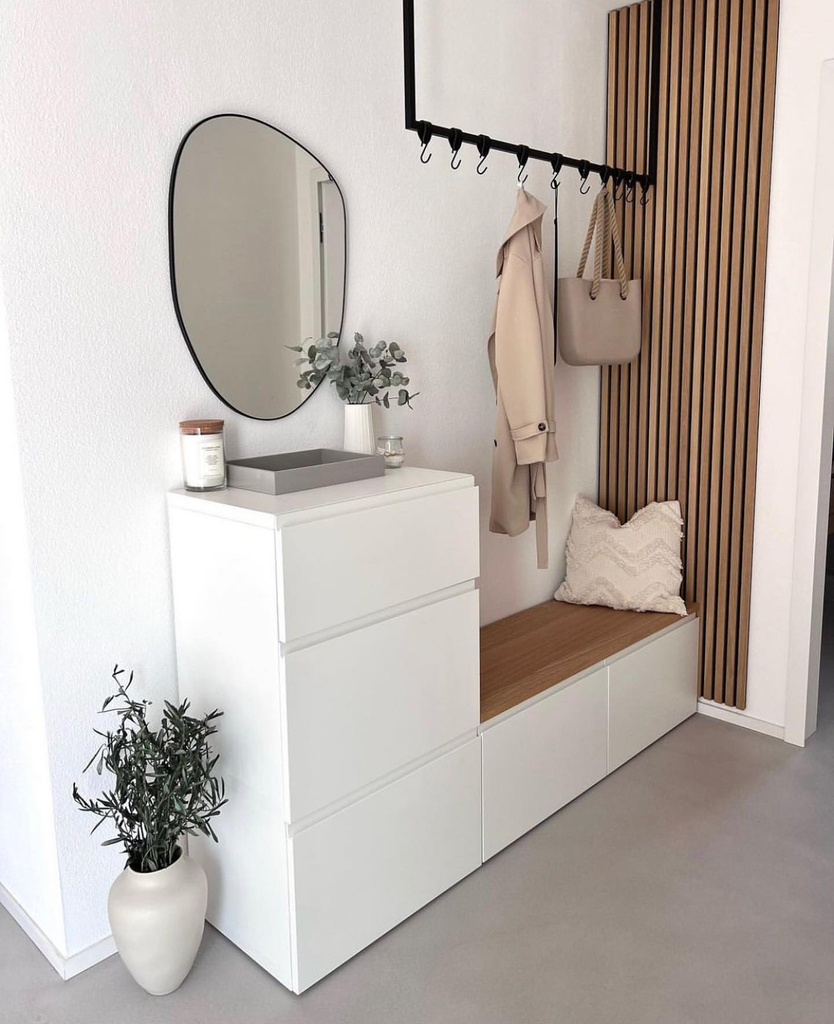
If you don’t have room for a full entryway setup, a storage bench does the job of a shoe rack, a spot to sit while putting shoes on, and hidden storage for things you don’t want visible, all in one footprint that a single chair would otherwise take up.
Tables That Do More Than One Job
Tables are often the easiest place to gain space back, because a lot of tables sit unused for most of the day anyway.
8. A drop-leaf or gateleg dining table
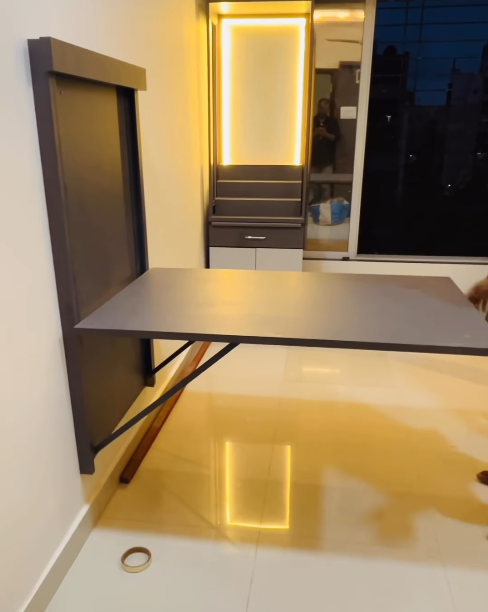
These fold down to a slim profile against the wall most of the time and extend out fully only when you’re actually eating or working at them.
I didn’t think I’d use mine daily, but it turns out folding it down takes about ten seconds, so it became a genuine part of my routine rather than something I dreaded setting up.
9. A coffee table with a lift top that becomes a desk or dining surface
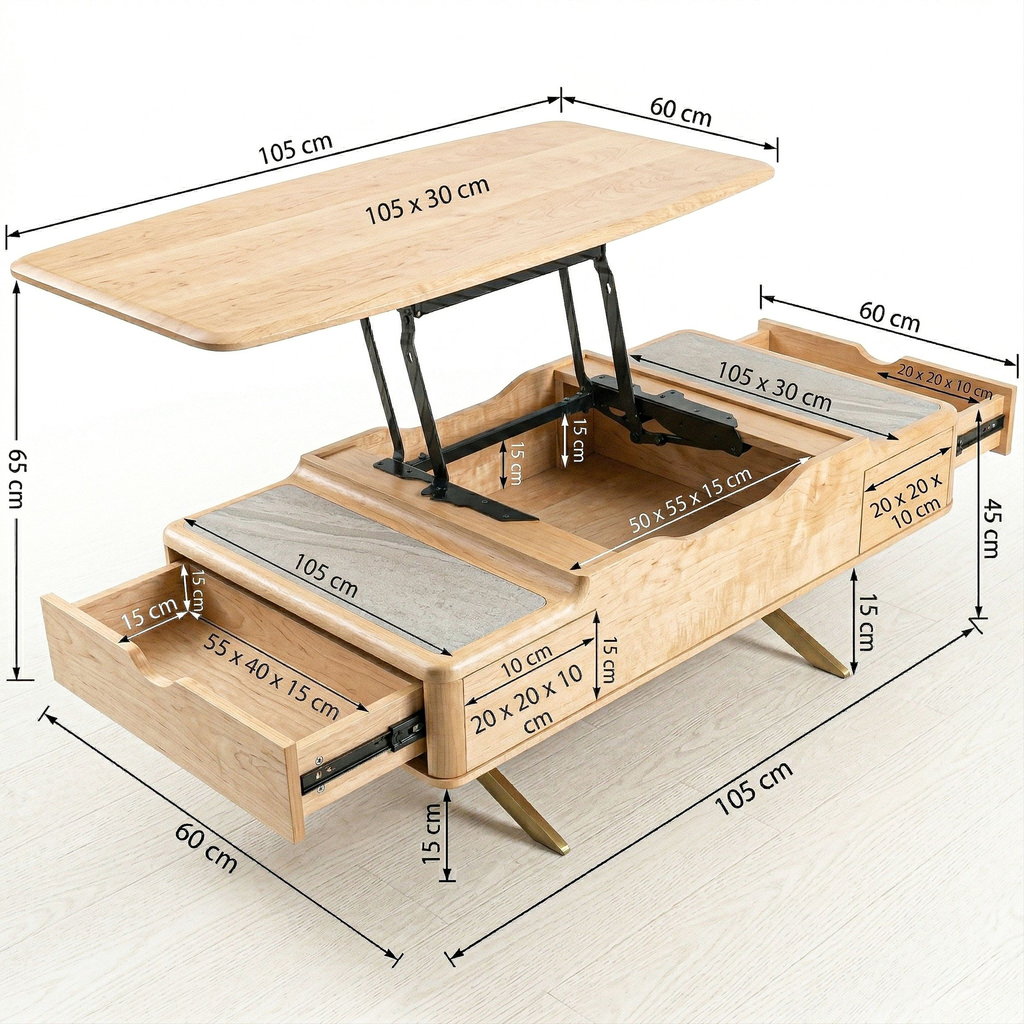
The lift mechanism raises the tabletop to a working or eating height and often reveals hidden storage underneath at the same time.
This is a good fit if you don’t have space for a dedicated desk at all, though I’d flag that the hinge mechanism is where cheaper versions tend to fail first, so it’s worth reading reviews specifically about durability rather than just the storage capacity.
10. Nesting tables instead of one larger coffee tablenesting coffee tables living room aesthetic
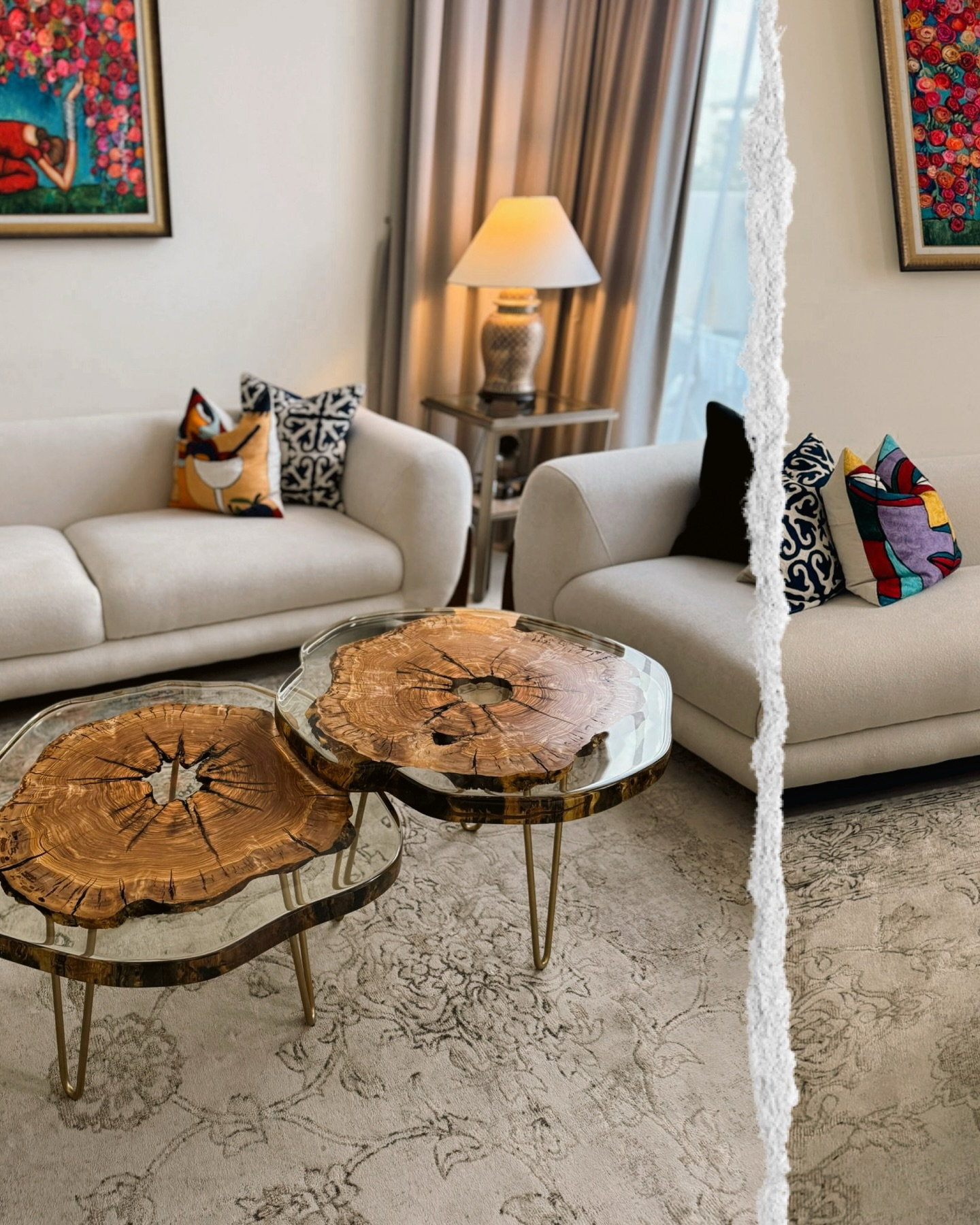
Nesting tables let you keep just the smallest one out day to day and pull the rest out only when guests need extra surface space.
This uses less permanent floor space than a single large coffee table while still giving you the surface area when you actually need it.
11. A wall-mounted folding desk
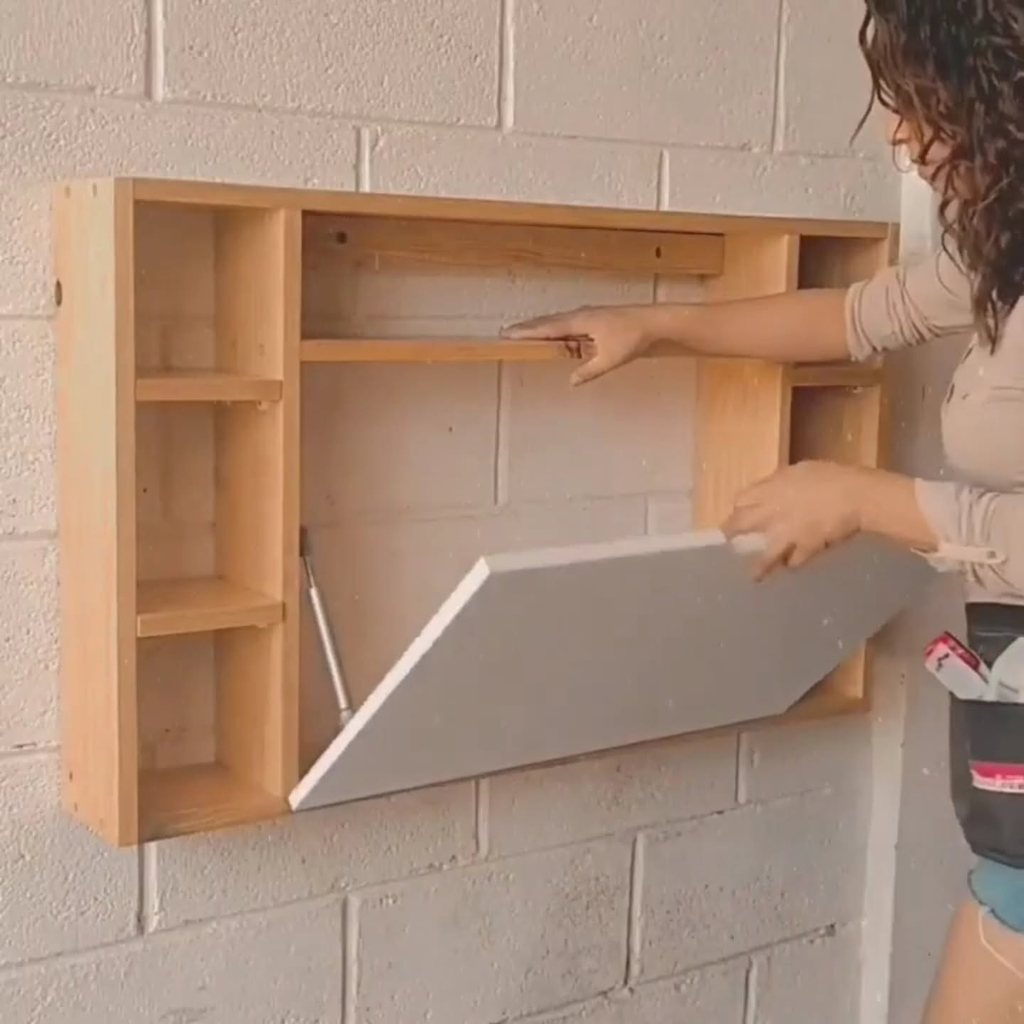
For anyone who needs a workspace but doesn’t have a room to dedicate to one, a desk that folds flat against the wall when not in use reclaims that floor space for the rest of the day.
Look specifically for one rated for laptop use if that’s your main use case, since some of the smaller folding desks aren’t sturdy enough for a full workday of typing.
Pro tip: Whatever folding or lift table you choose, actually test the up-and-down motion in the store or check return policies carefully if buying online. A mechanism that feels stiff or awkward on day one only gets more annoying, and that friction is usually why these pieces end up permanently in one position instead of actually getting used both ways.
Storage Pieces That Hide in Plain Sight
Storage in a tiny apartment works best when it doesn’t look like storage, since visible storage tends to also mean visible clutter.
12. A bar cart used for something other than drinks
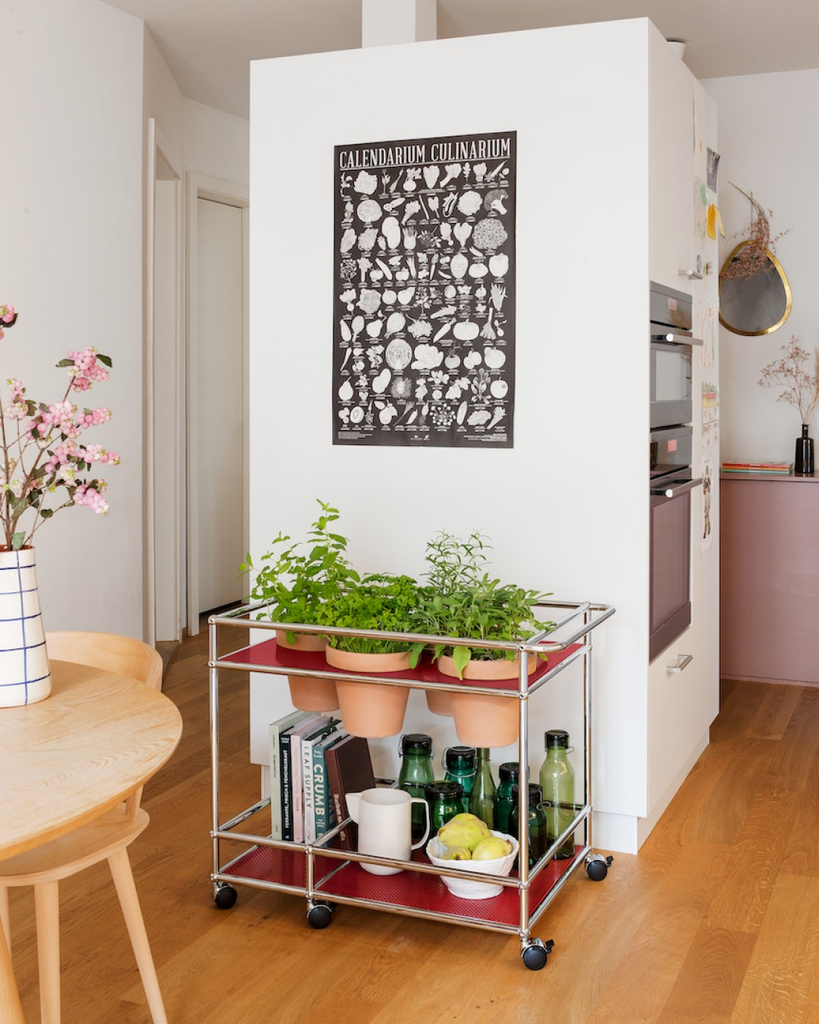
A bar cart is technically just a small rolling shelf unit, and it works just as well for plants, office supplies, or extra kitchen items as it does for bottles.
The wheels are the actual advantage here: you can roll it wherever it’s needed and tuck it into a corner the rest of the time.
13. A room divider with built-in shelving
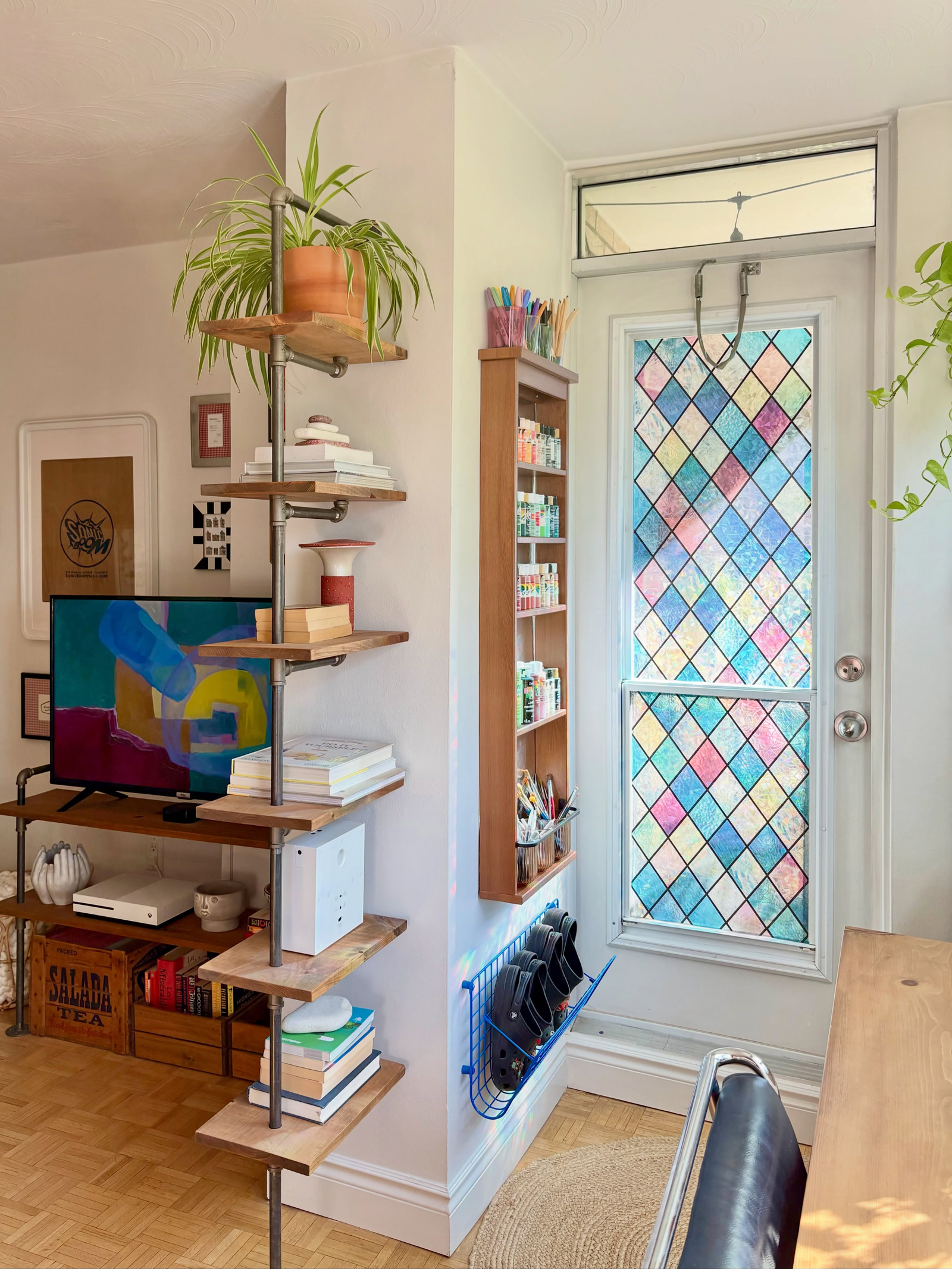
Instead of a plain screen or a solid wall panel, a divider that’s also a bookshelf gives you the visual and physical separation between zones plus real storage capacity, doing two jobs in the exact footprint a purely decorative divider would take up.
14. Floating shelves that double as a headboard
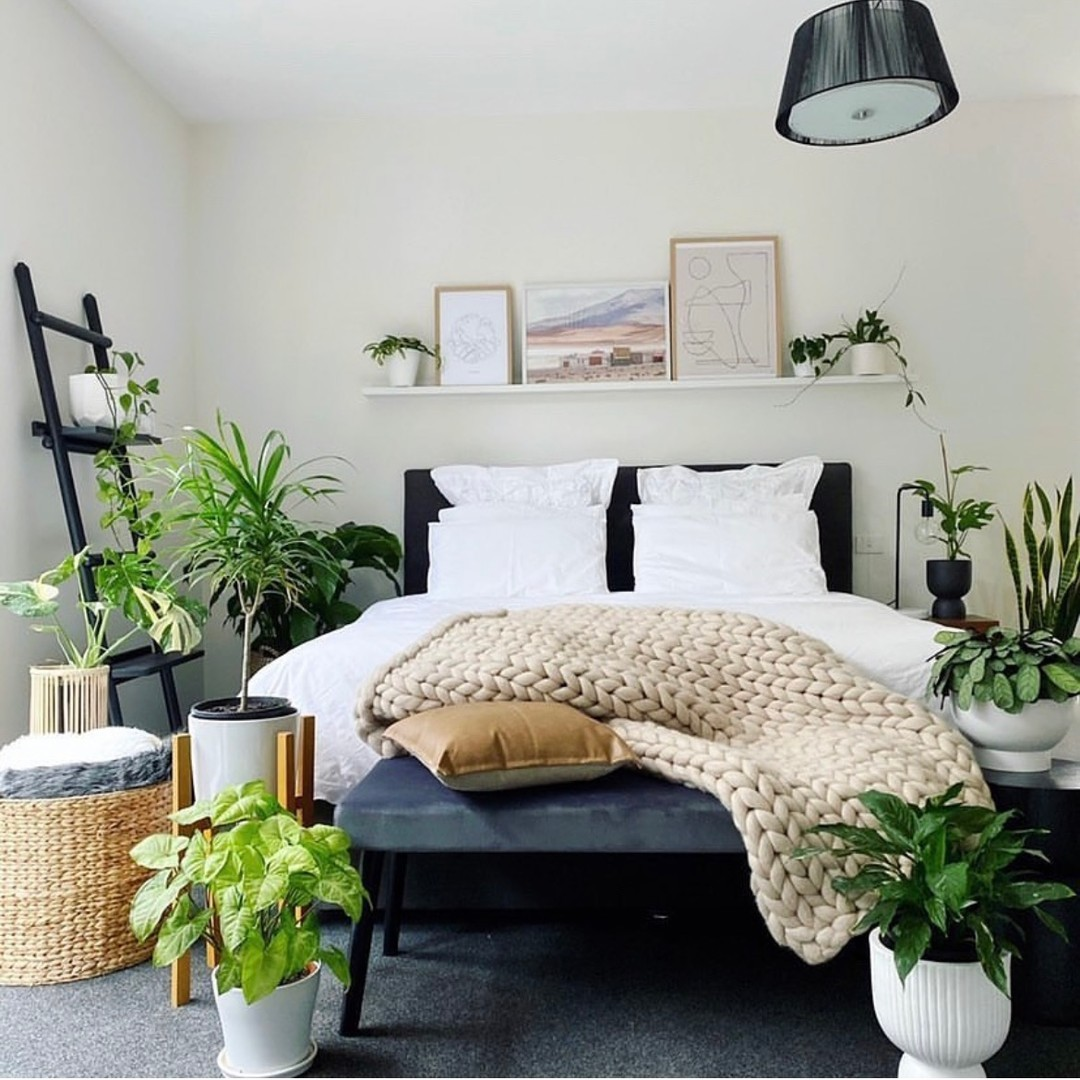
Mounting shelves at headboard height behind your bed gives you a spot for books, a lamp, and small items without needing a separate nightstand taking up floor space on either side.
This is one I’d genuinely recommend trying before buying a traditional headboard, especially in a room too small for a nightstand at all.
15. An entryway mirror with hooks or a small shelf built in
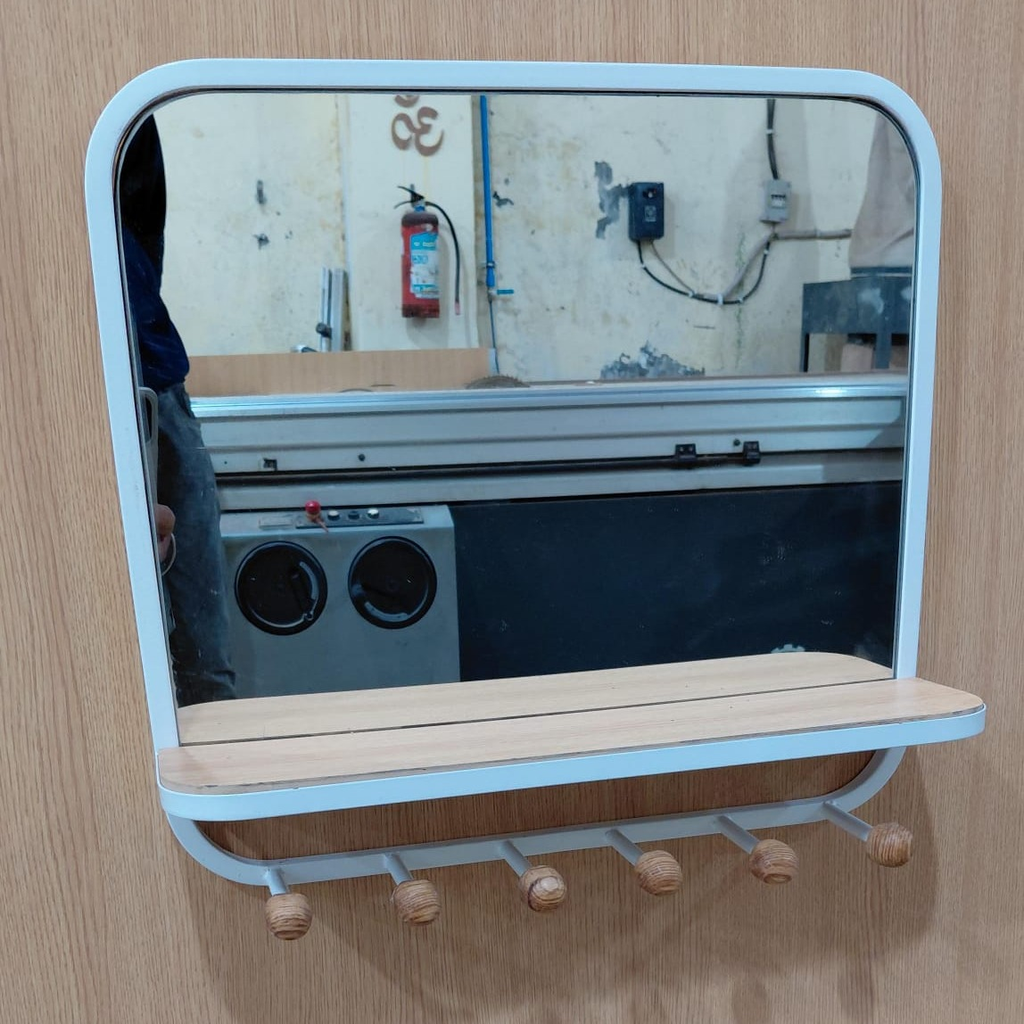
A mirror that also holds keys, mail, or a small tray means you’re not adding a separate console table just for those items near the door.
It’s a small swap, but in a tiny entryway, every piece that does two jobs instead of one adds up.
Smaller Pieces Worth Considering
16. A trunk used as both a coffee table and storage
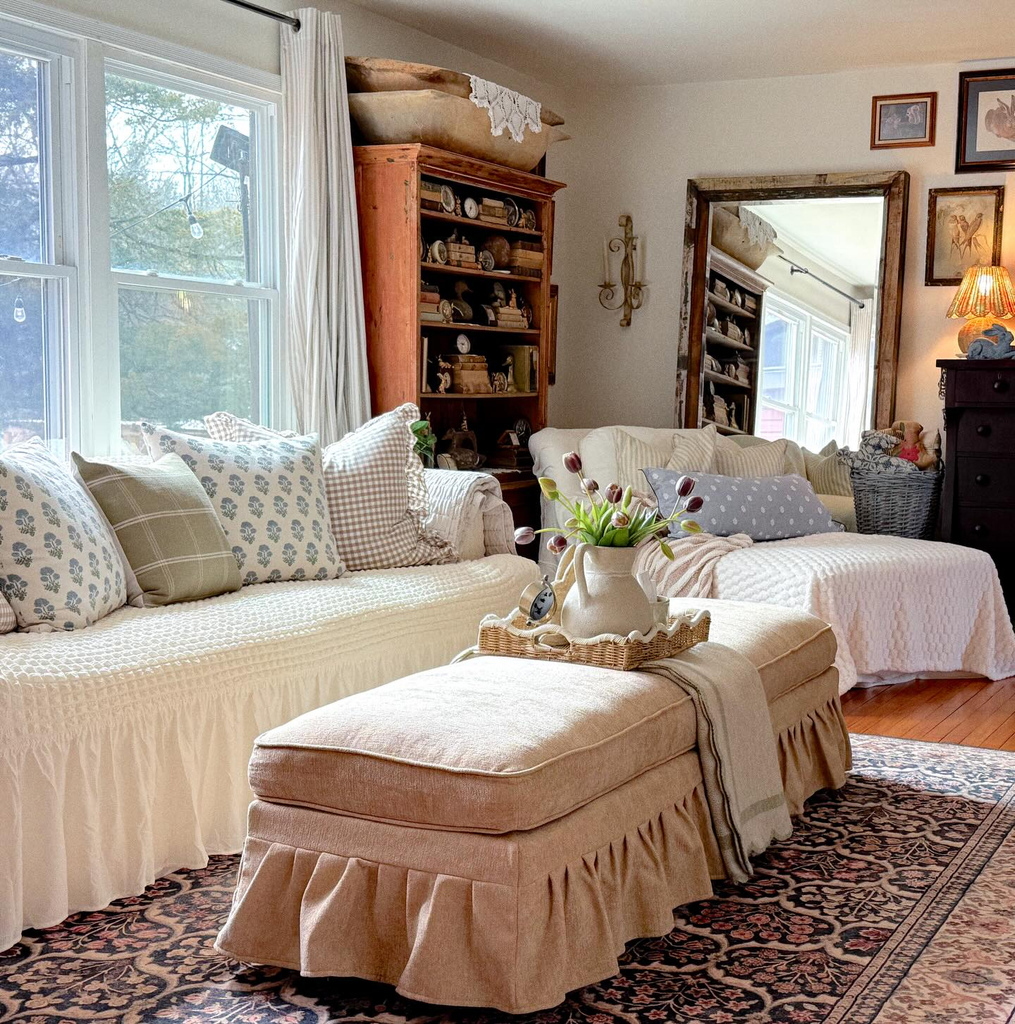
A sturdy trunk gives you a surface for drinks and snacks plus real storage capacity underneath the lid, and it tends to have more personality than a purpose-built storage ottoman if you find one secondhand or vintage.
17. A ladder shelf that also functions as a towel rack or blanket display
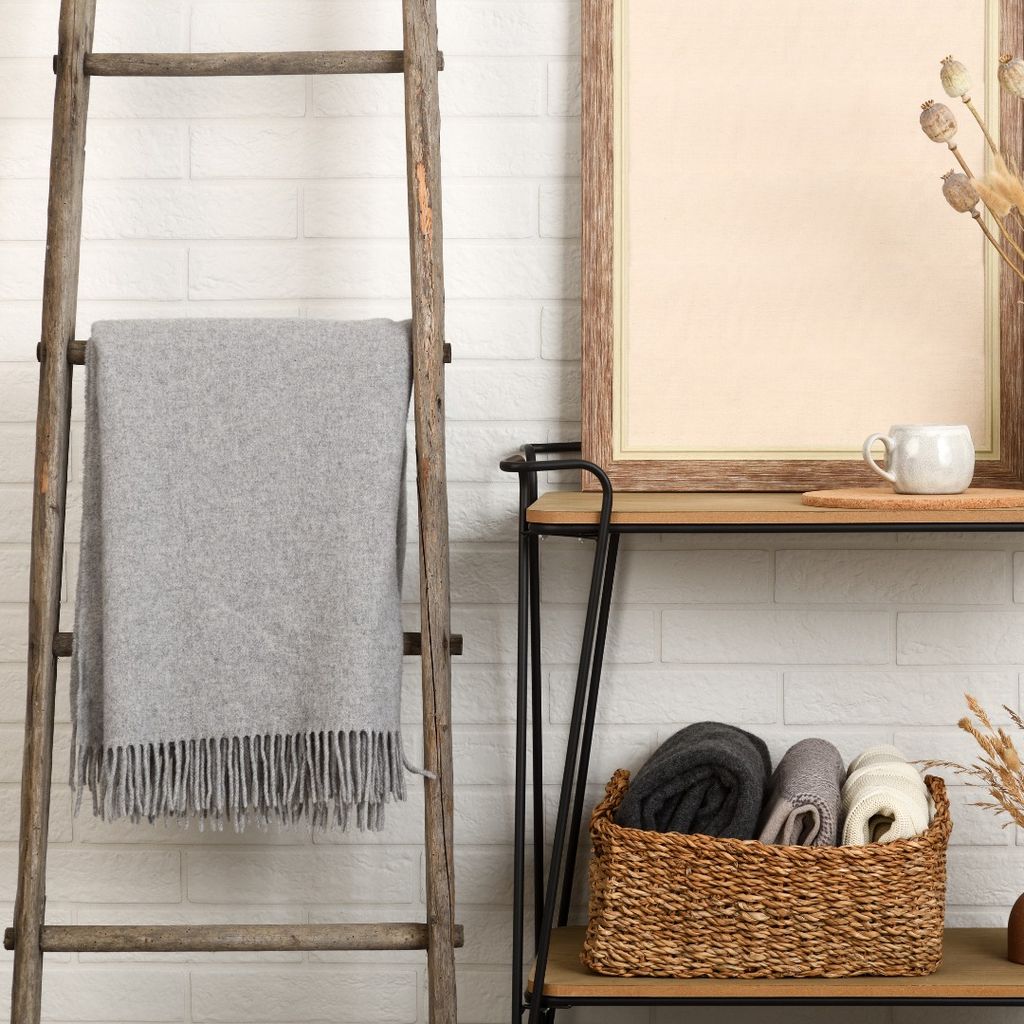
In a bathroom or living room, a leaning ladder shelf holds items on its rungs (towels, a folded throw) while also providing actual shelf space at the top, doing double duty in a footprint barely wider than a single shelf.
18. A kitchen island on wheels
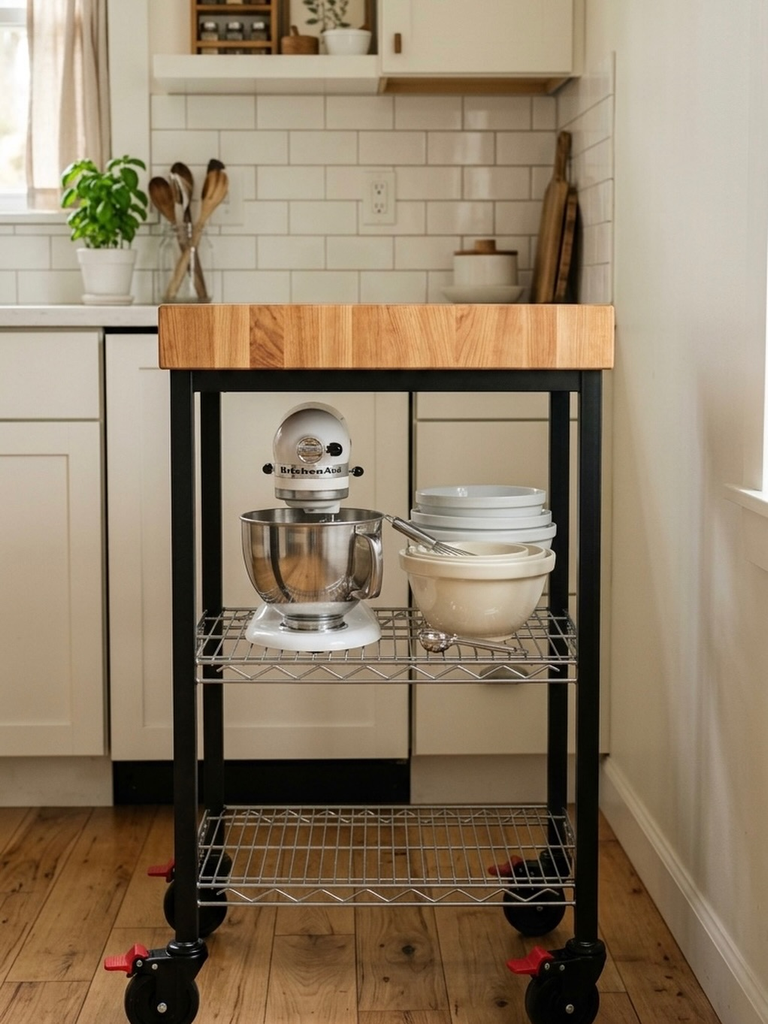
A rolling island gives you extra counter space and often storage underneath, and because it has wheels, it can be pushed against a wall or into a corner when you need the floor space back for something else, like hosting people standing around rather than at counters.
19. A vanity that doubles as a desk
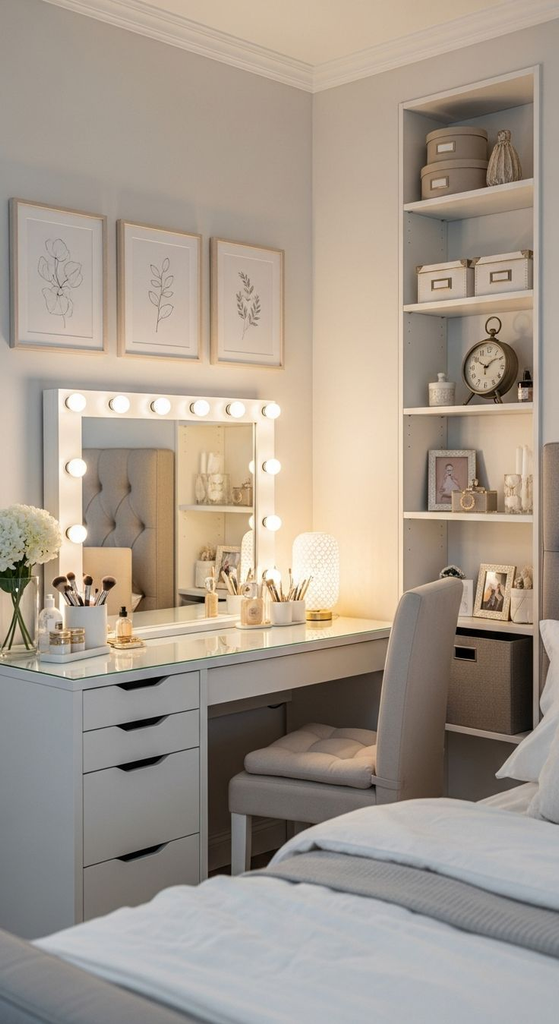
If you don’t have room for both a vanity and a desk, one with a flat enough surface and a mirror positioned well enough to work for both makes sense in a genuinely tight bedroom.
This only works if the mirror height and the seating actually suit typing comfortably, so test the setup before committing rather than assuming it’ll work based on looks alone.
20. A storage cube ottoman set instead of one large piece
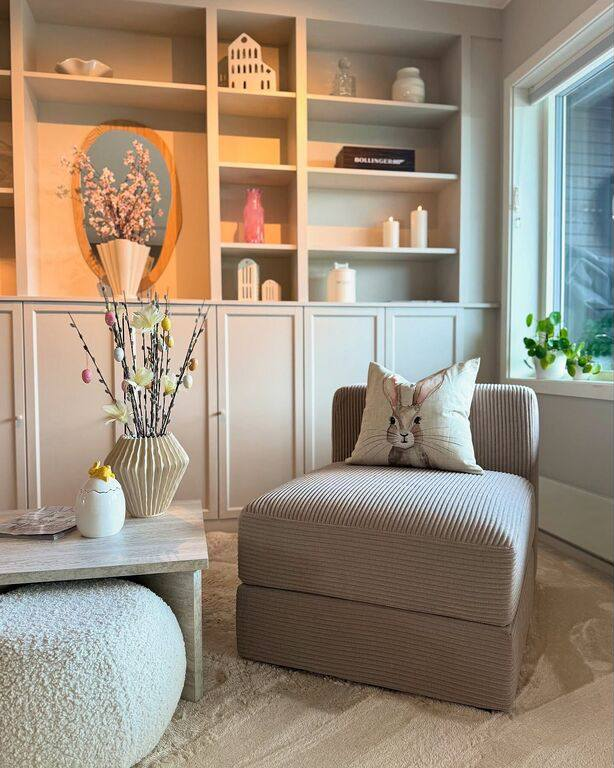
Multiple smaller storage cubes give you more flexibility than one large ottoman, since you can spread them out as extra seating for guests or stack them together as a single larger surface, depending on what a given evening actually calls for.
Comparing Multi-Functional Options by Budget
| Piece | Budget ($30-75) | Mid Range ($75-200) | Higher End ($200+) |
|---|---|---|---|
| Storage ottoman | Basic fabric cube with lift lid | Sturdy hinged storage bench | Leather or performance fabric with tufted top |
| Folding table | Small basic drop-leaf table | Solid wood gateleg table | Custom-fit wall-mounted folding desk |
| Storage bed | N/A (frame swap needed) | Platform bed with drawer base | Upholstered storage bed frame |
| Sofa bed | N/A (comfort issues common below this tier) | Mid-range pull-out with memory foam | Higher-end sleeper sofa, real mattress |
If you’re only investing in one piece from this whole list, put your money toward whichever one you’ll use daily rather than occasionally.
A great sofa bed matters a lot if guests stay over monthly and much less if they stay over twice a year, in which case that budget is better spent on a storage bed or a folding desk you’ll actually touch every single day.
Where Multi-Functional Furniture Actually Falls Short
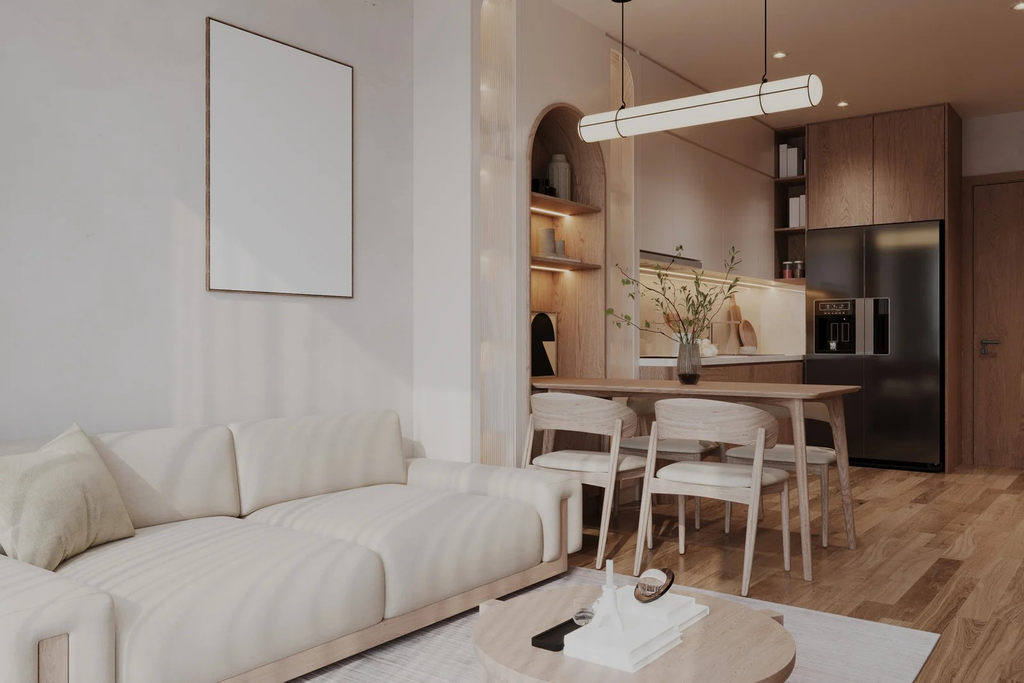
Not every clever-looking piece is worth it, and it’s worth being honest about that before you spend money.
Anything with a complicated fold-out mechanism needs to be tested for how often you’d realistically use both configurations; if unfolding it is genuinely annoying, you’ll default to leaving it in one position, and you’ve paid extra for flexibility you’re not using.
I bought a coffee table with a lift top specifically for working from home and ended up barely using the lift function because the hinge was stiff enough to be a small daily annoyance, which is exactly the kind of thing worth checking before you buy rather than after.
Where I’d Start If I Were Furnishing a Tiny Apartment From Scratch
If I were doing this over again with an empty apartment, I’d start with the storage bed, since it solved my single biggest space problem for the least ongoing effort (no folding, no lifting, just drawers that are always there).
Then I’d add one genuinely comfortable storage ottoman before anything else, since it covers seating, storage, and a footrest in one purchase.
Everything past that (the folding tables, the nesting pieces, the smaller swaps) I’d add based on my actual daily routine rather than buying the cleverest option available, because the pieces that get used are the ones that match a real habit, not the ones that photograph the best.







Leave a Reply