

For the first year in my apartment, my living room technically had a couch, a rug, and a TV, and it still felt like a waiting room. Nothing about it made me want to actually sit down at the end of the day.
It took me embarrassingly long to realize the problem wasn’t the size of the room, it was that everything in it was chosen for function and nothing was chosen for comfort.
Once I started treating “cozy” as its own design goal instead of something that would just happen automatically once the furniture was in place, the room finally started feeling like somewhere I wanted to be.
If your small apartment living room looks fine but doesn’t feel like anywhere you actually want to unwind, this is for you. Cozy isn’t about cramming in more stuff, and in a small space that actually backfires fast.
It’s about texture, lighting, scale, and a handful of specific choices that make a room feel warm and lived-in instead of just furnished. A small living room has an advantage here that a big one doesn’t: it’s much easier to make a compact space feel intentionally snug than to make a sprawling one feel cozy without it turning empty and cold.
I’ve grouped these into lighting and ambiance, textiles and layering, furniture choices, and personal touches, since that’s roughly the order I’d tackle them in if I were starting from an empty room again.
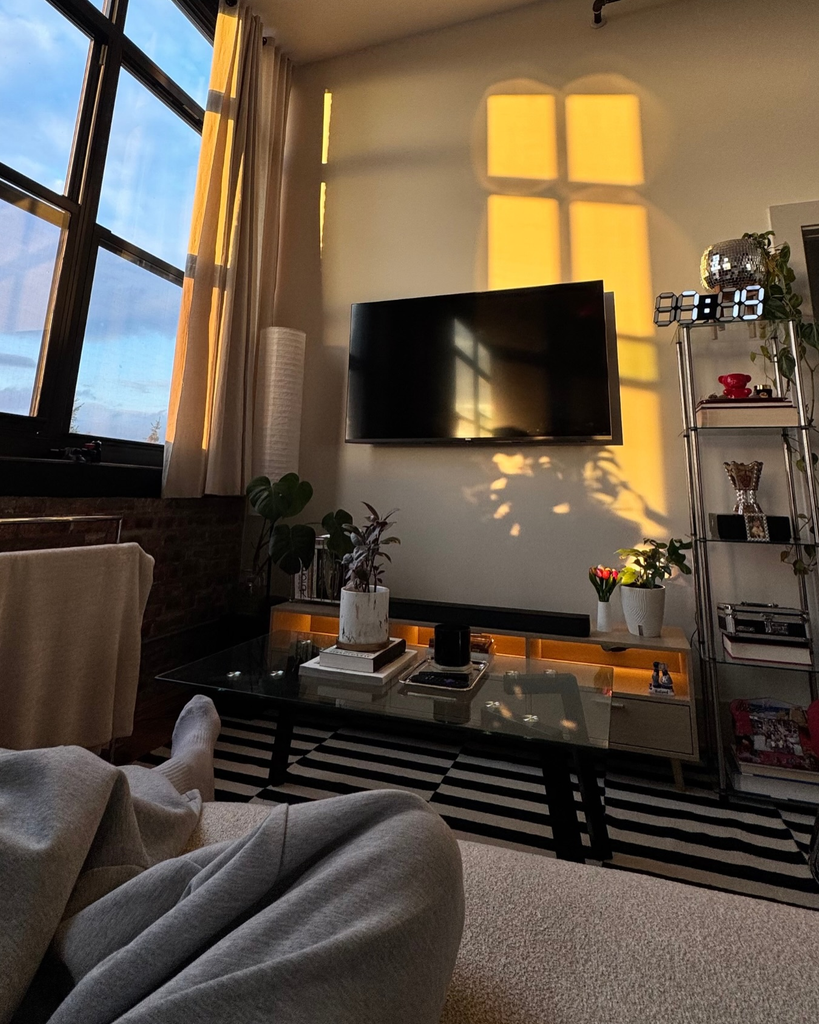
Lighting and Ambiance That Actually Feels Warm
Cozy has almost nothing to do with how a room looks in daylight and almost everything to do with how it feels once the sun goes down, which is when most people are actually using their living room anyway.
1. Swap to warm-temperature bulbs everywhere in the room
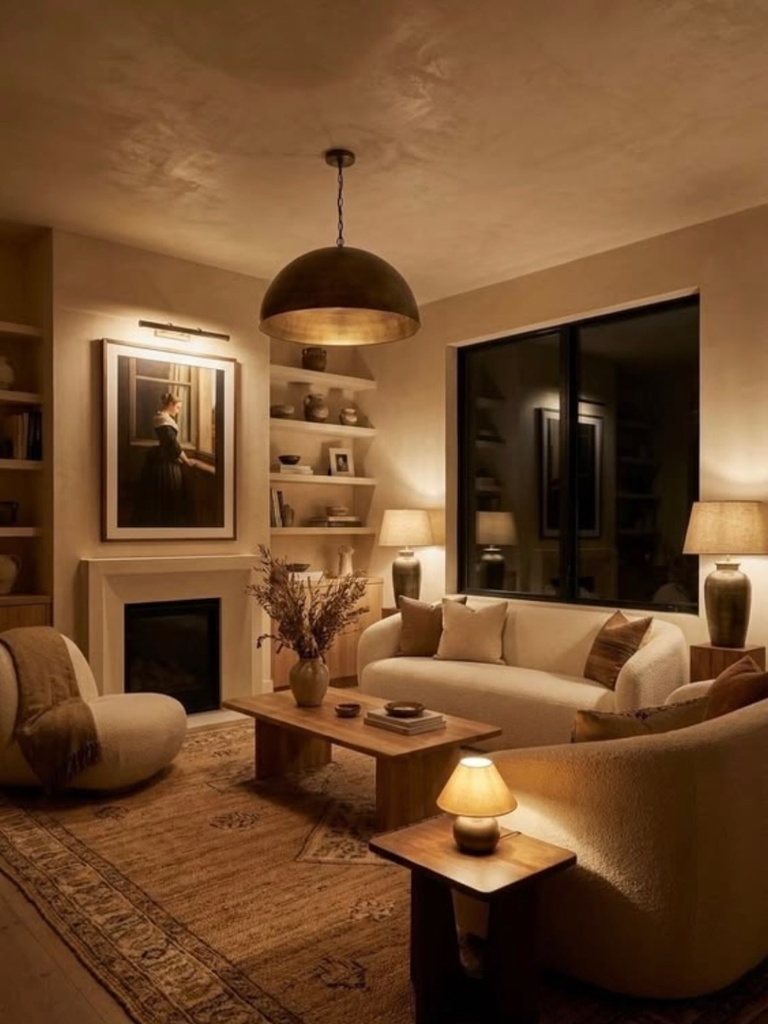
Cool white or daylight bulbs (anything above about 3000K) read as clinical no matter how soft your furniture is. Warm white bulbs, around 2700K, are the single fastest way to shift a room from “office” to “living room” without changing a single piece of furniture.
2. Layer at least three separate light sources
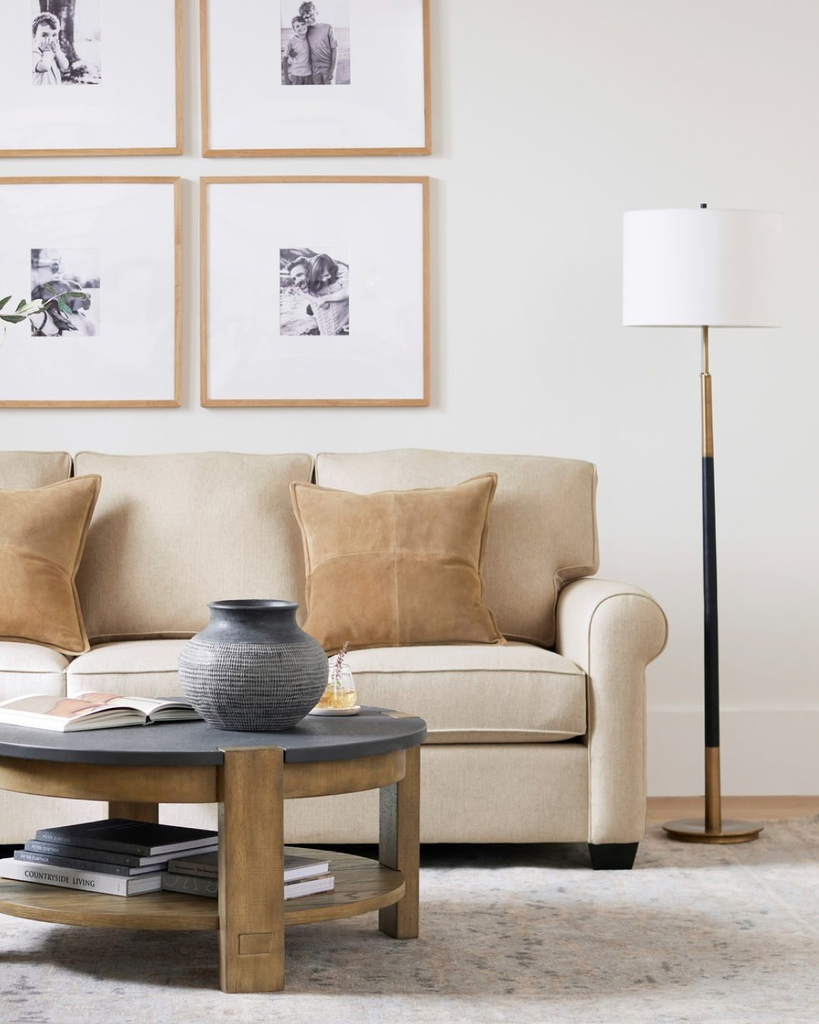
A single overhead light creates one flat pool of brightness with hard shadows everywhere else.
A floor lamp, a table lamp, and something smaller (a plug-in sconce, a small accent lamp on a shelf) working together create the layered glow that makes a room feel like it has depth after dark, not just illumination.
3. Add a candle or two you actually light regularly
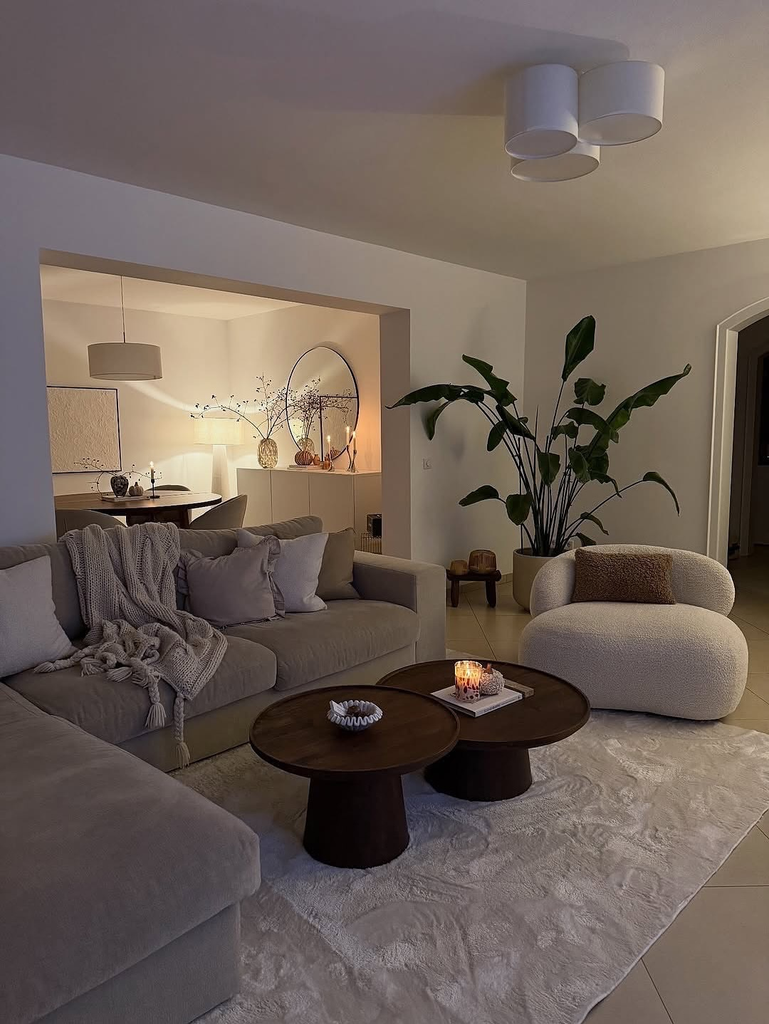
This sounds almost too simple to include, but an unlit candle sitting on a shelf as decoration does nothing for the room’s atmosphere.
Actually lighting one a few nights a week, even just a basic unscented one, adds a flicker of movement and warmth that no lamp fully replicates.
Pro tip: If you’re worried about safety or live somewhere candles aren’t allowed, a small flameless candle with a realistic flicker gets you most of the same visual effect. I was skeptical of these for years until my sister gave me one as a gift, and it’s now the thing I turn on almost every single evening.
4. Get a dimmer, even a plug-in one
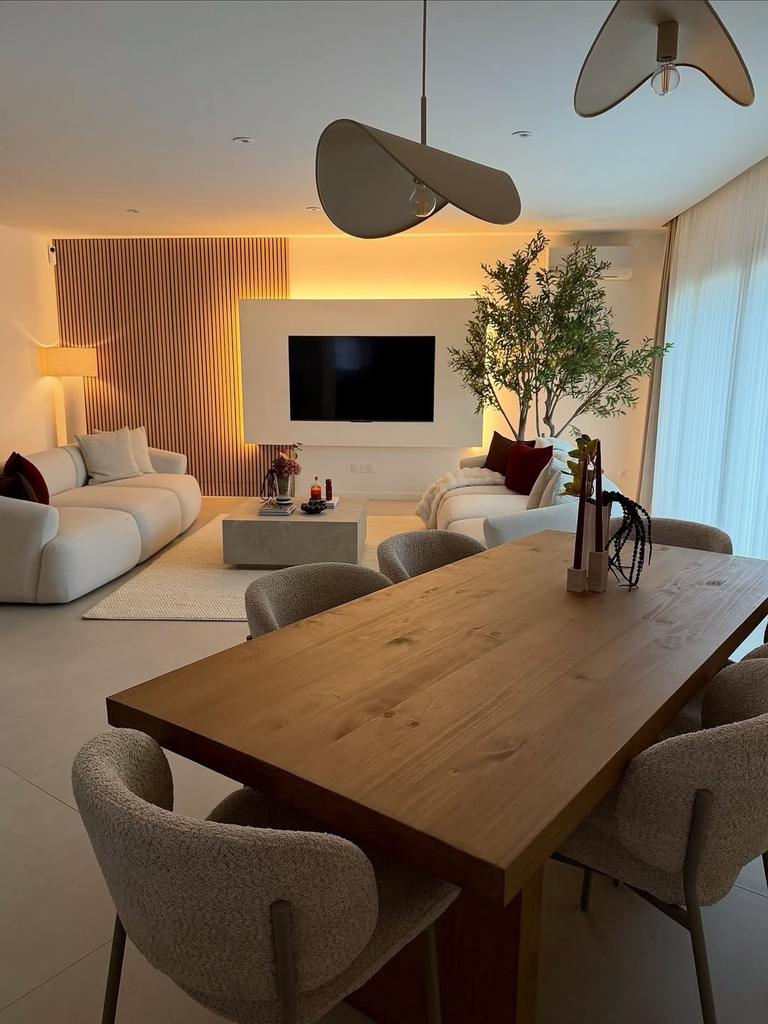
Full brightness is rarely the cozy setting. A cheap plug-in lamp dimmer lets you drop the room down for evenings without needing an electrician or a landlord’s permission, and it’s one of the lowest-cost changes on this entire list relative to how much it changes the feel of a room.
Textiles and Layering, Because Cozy Is a Texture Problem More Than a Color Problem
A room can be painted the warmest color available and still feel cold if every surface in it is hard and flat.
This is the category that does the most actual work toward “cozy,” more than color or furniture choice.
5. Add a substantial throw blanket, not a thin decorative one
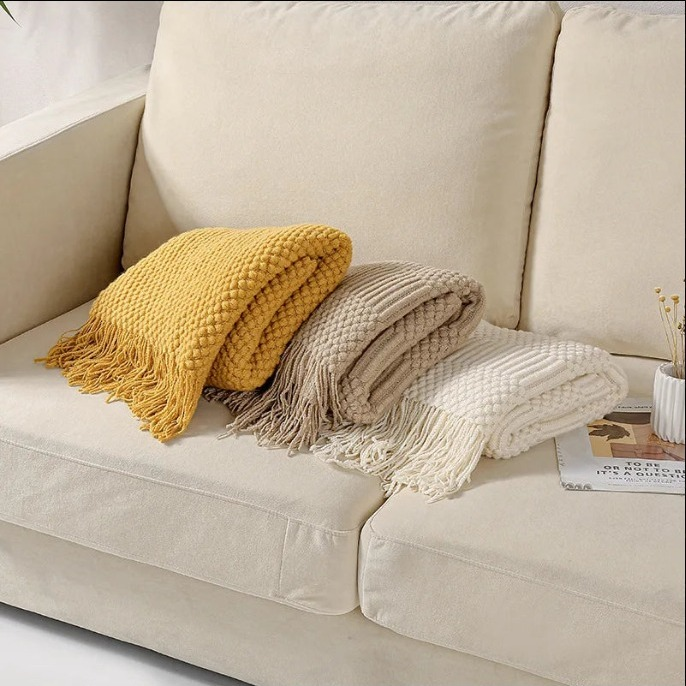
A lot of throw blankets sold as decor are thin enough that nobody would actually want to use them, which somewhat defeats the purpose.
Get one you’d genuinely want wrapped around you on a cold evening (chunky knit, sherpa, a heavier weave) and keep it somewhere within actual reach of the couch, not folded perfectly out of use on a shelf.
6. Mix at least two pillow textures on your seating
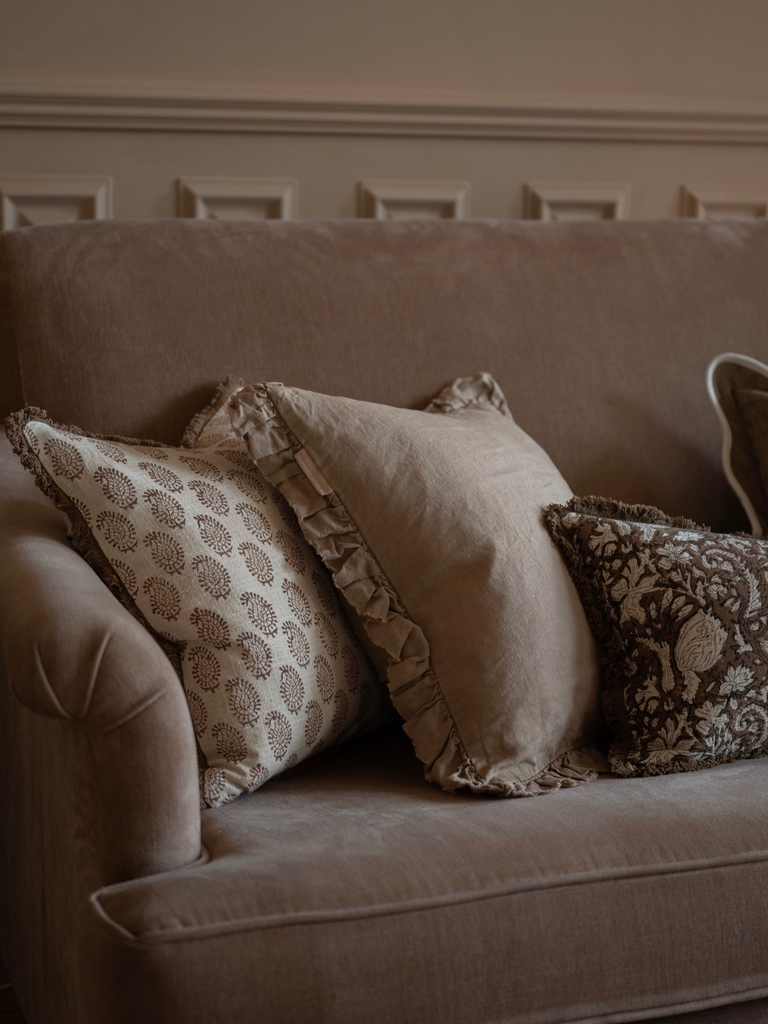
A couch with pillows that are all the same fabric looks matched but flat. Pairing something smooth (velvet, cotton) with something textured (boucle, knit, faux fur) creates visual and physical contrast that reads as considered rather than store-bought as a set.
7. Put a rug down even in a small footprint
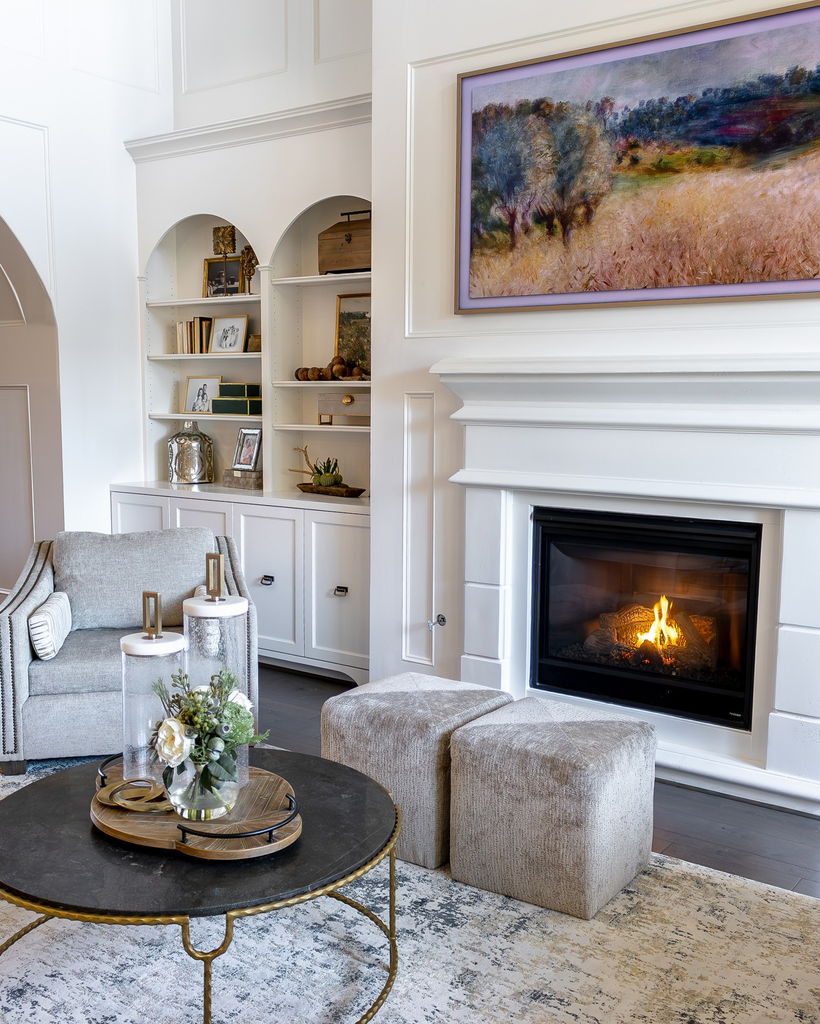
A bare floor, especially hardwood or laminate, reads as cold no matter how warm the furniture around it is.
Even a smaller accent rug under the coffee table area adds warmth underfoot and softens the hard lines of the floor, which matters more in a small room where the floor takes up a proportionally larger share of what you actually see.
8. Choose curtains in a heavier, more textured fabric
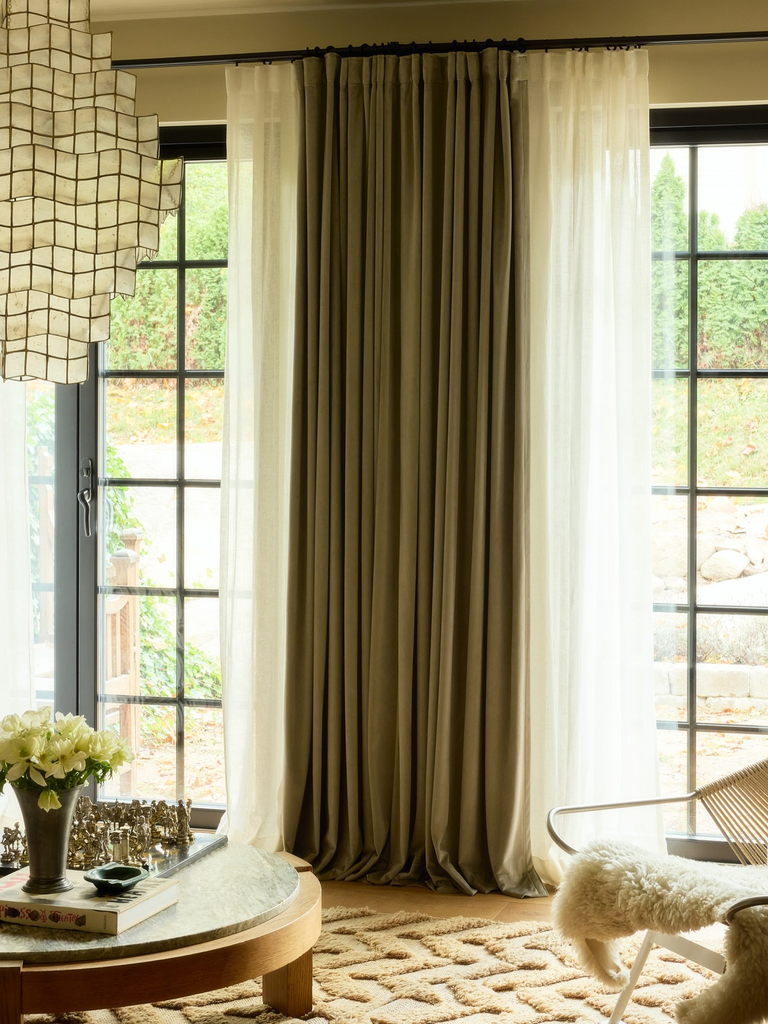
Thin, sheer curtains let in great light during the day but do nothing for the room once it’s dark outside and the windows turn into cold, reflective black rectangles.
A heavier curtain fabric (velvet, a thick linen blend) that you can close in the evening adds warmth and actually muffles some street noise as a bonus.
Furniture Choices That Support Comfort Without Eating Your Square Footage
In a small living room, furniture has to earn its footprint twice over: it needs to look right and it needs to actually invite you to use the room the way you want to use it.
9. Prioritize one genuinely comfortable seat over multiple mediocre ones
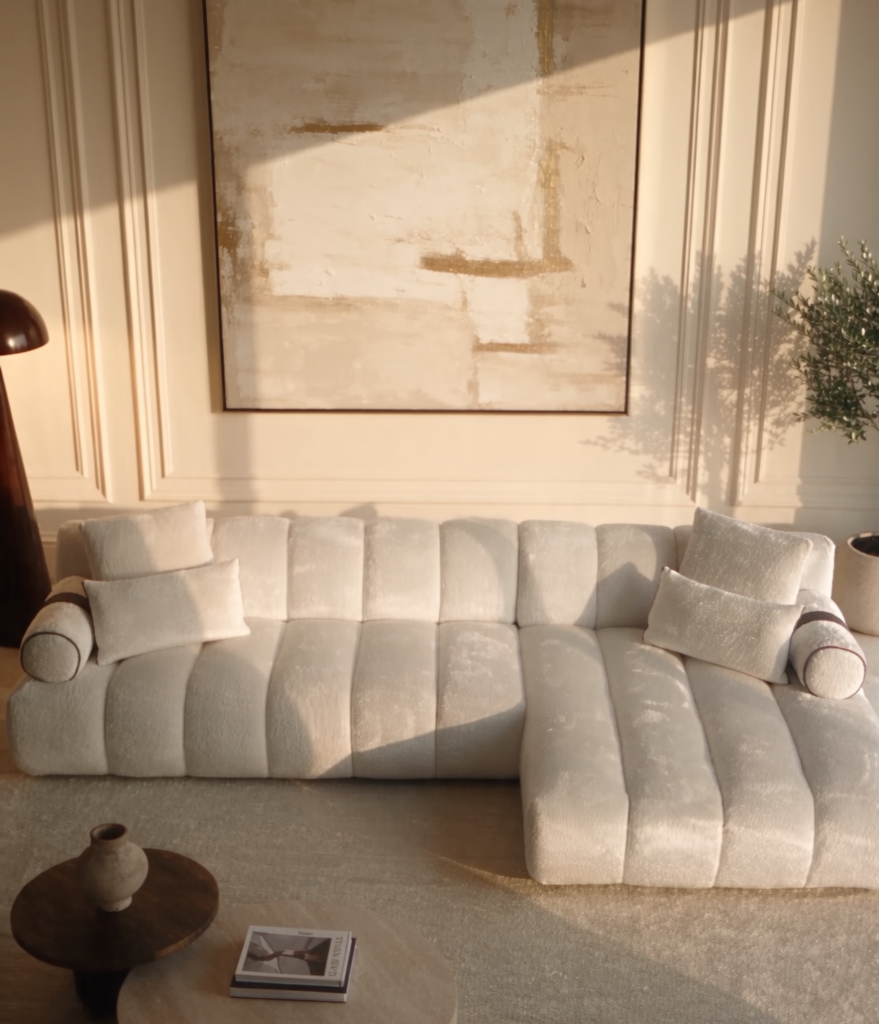
It’s tempting to fit in a couch plus two extra chairs to maximize seating in a small room, but if none of them are actually comfortable, you end up with a room full of furniture nobody wants to sit in for long.
One deep, well-cushioned piece you actually sink into does more for the “cozy” feeling than three stiff ones crammed in for capacity.
10. Choose an oversized ottoman over a rigid coffee table
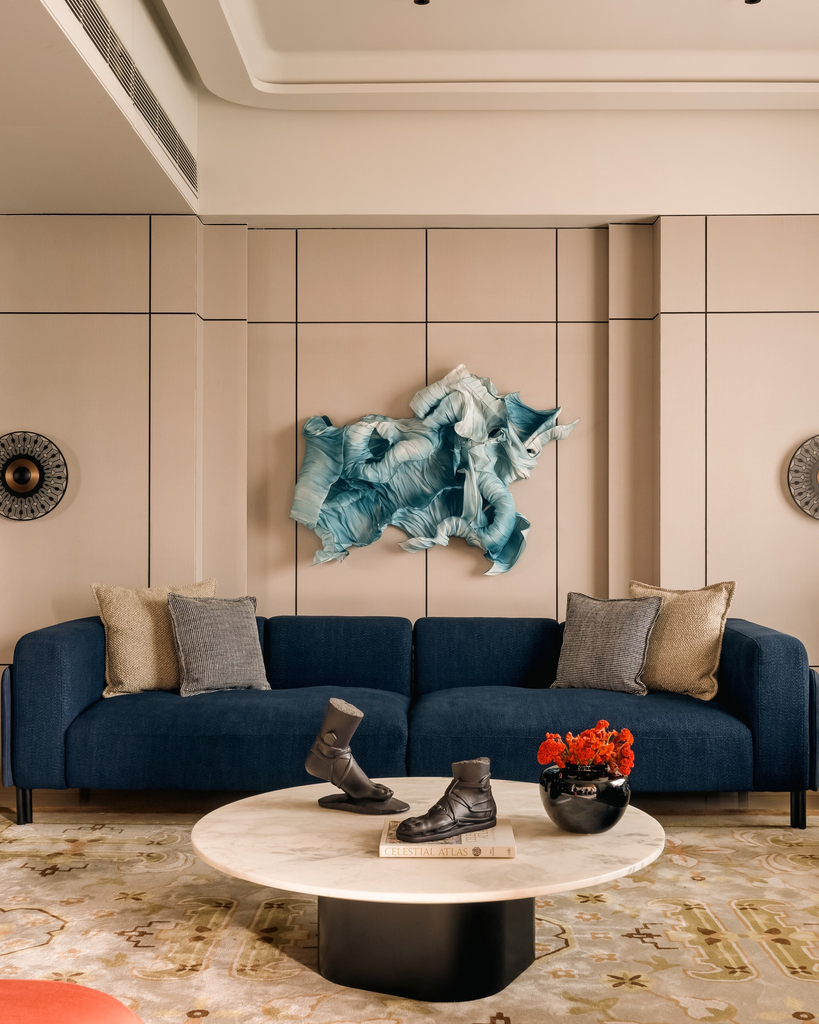
An ottoman doubles as a footrest, extra seating, and a soft surface, which matters in a small living room where multi-use furniture pulls real weight.
It also softens the room visually in a way a hard-edged coffee table doesn’t, which contributes to the overall coziness more than people expect from what’s technically just a table swap.
11. Keep seating angled toward each other, not just facing a TV
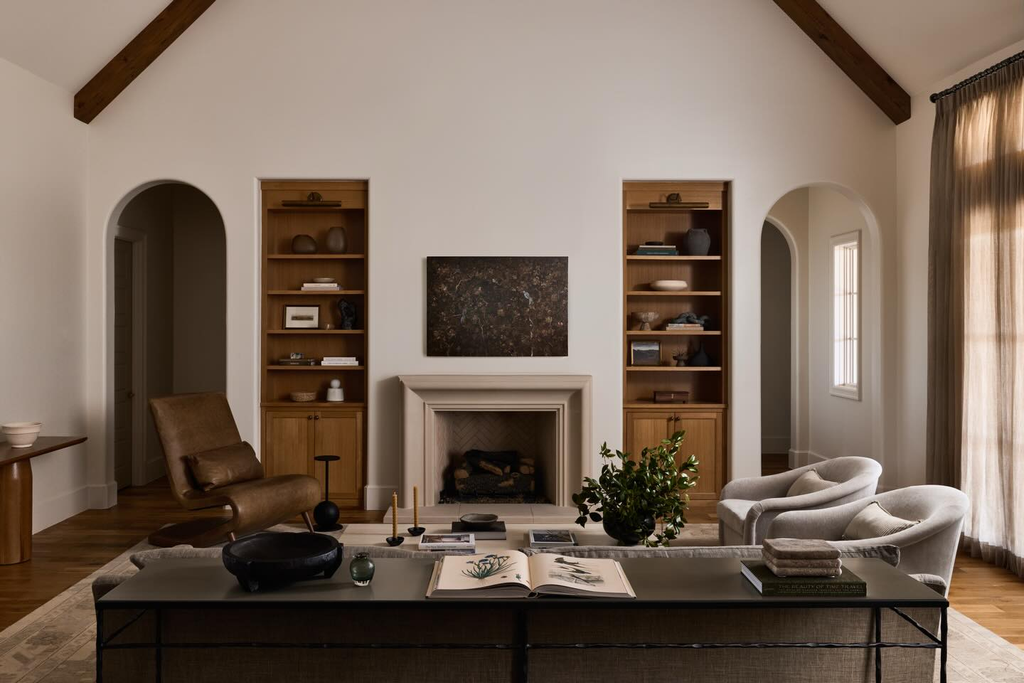
A room where every seat faces the same direction toward a screen supports watching TV well but doesn’t really support the kind of relaxed, facing-each-other conversation that makes a space feel warm and social.
Angling even one chair slightly toward the couch, rather than dead ahead at the television, changes the whole social feel of the room.
12. Choose furniture with rounded or soft edges where you can
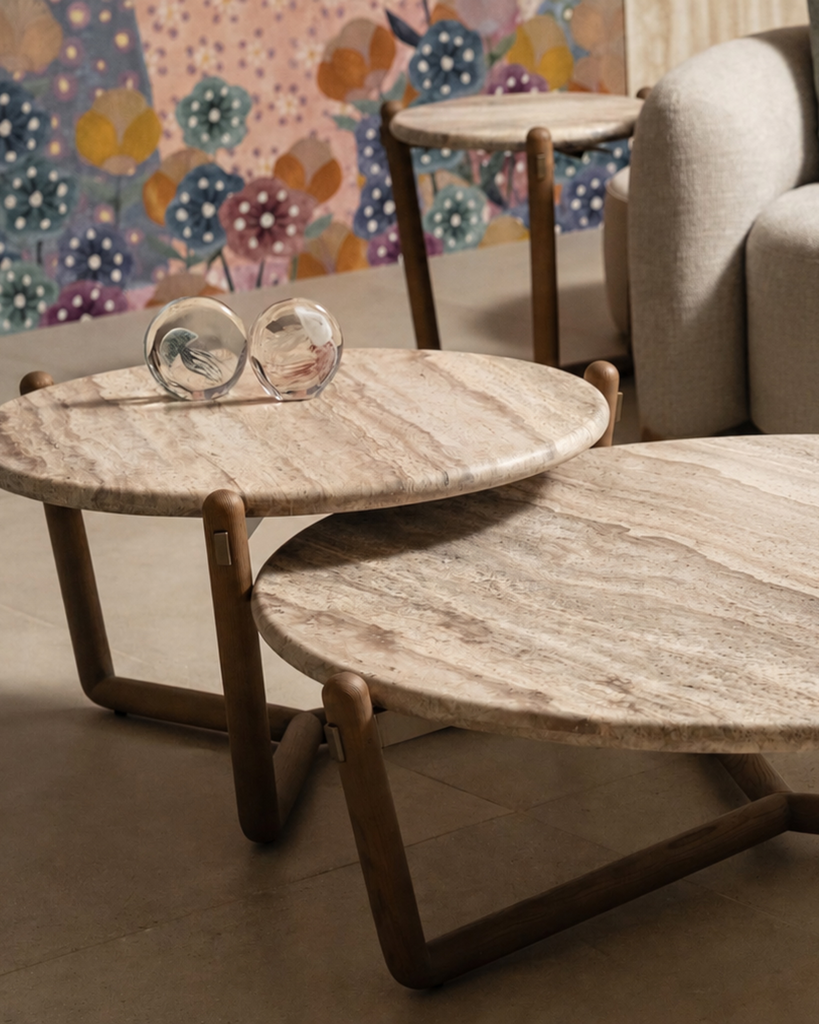
Sharp, angular furniture reads as modern and clean, but a room made up entirely of hard angles tends to feel colder than one with at least a few rounded or soft-edged pieces mixed in.
A round coffee table, a curved accent chair, even just a couch with a rolled arm instead of a squared one, softens the overall feel of the room.
Personal Touches That Make It Feel Like Yours, Not a Catalog
This is the category that separates a genuinely cozy room from one that just followed a checklist. Cozy is partly sensory, but it’s also partly about the room actually reflecting the person living in it.
13. Display things you actually use, not just things bought to be displayed
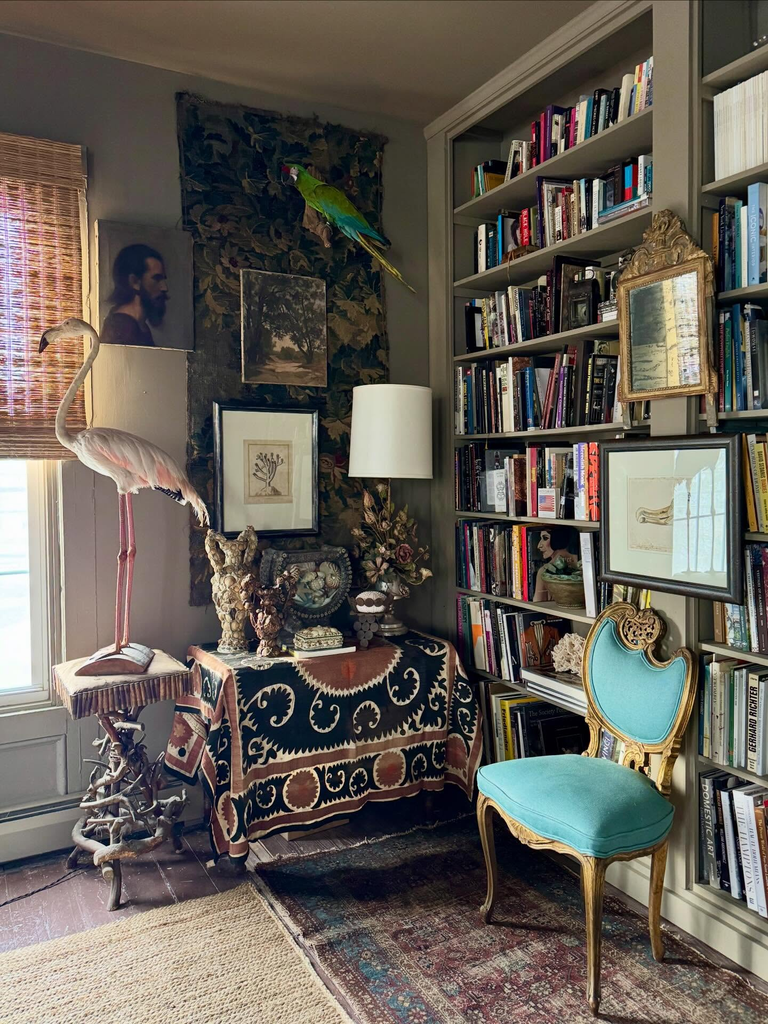
A shelf of books you’re actually reading, a mug collection you actually drink from, a stack of records you actually play: these read as lived-in in a way that purely decorative objects never quite manage.
My friend Jonah keeps his guitar out on a stand in the corner of his living room instead of in its case, and it’s the one object in that room that makes the whole space feel like his specifically.
14. Hang art that means something to you over art that matches your color scheme

Art bought purely because it coordinated with the couch tends to fade into the background because there’s no real story behind it.
A piece with an actual connection (something from a trip, something a friend made, even a print of somewhere you want to go) gives you something to talk about and gives the room a personality beyond its palette.
15. Bring in something living, even if it’s low-maintenance
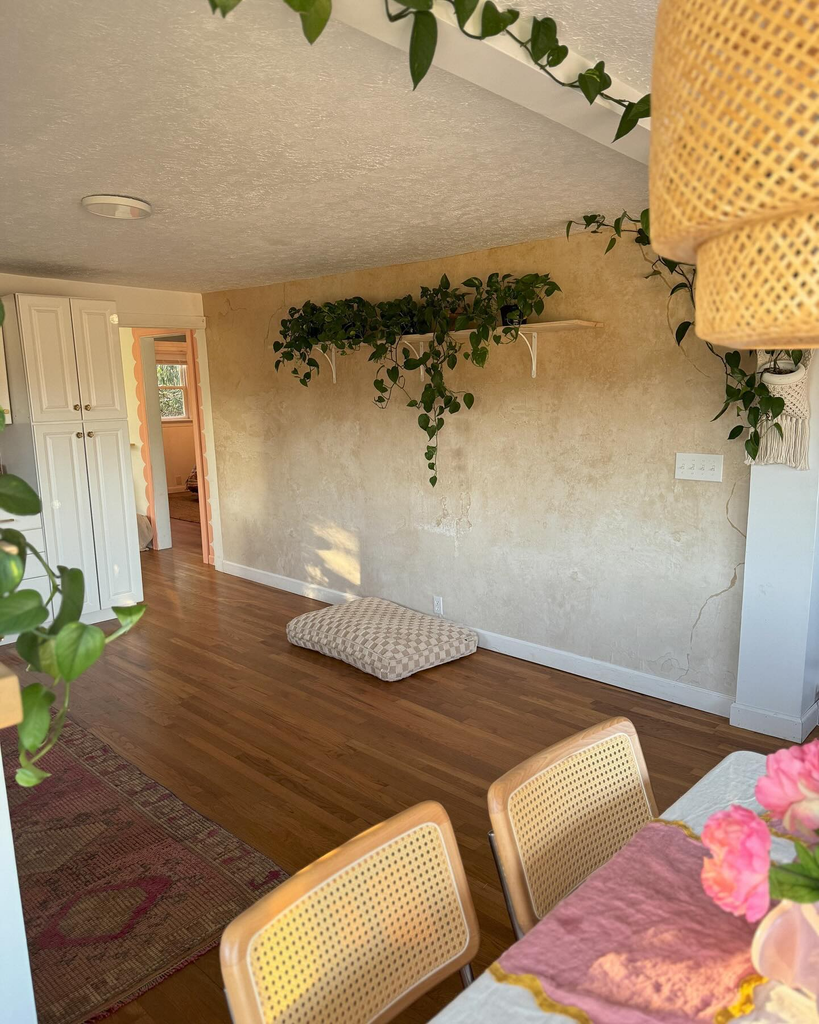
A real plant (or a genuinely good faux one if you don’t trust yourself with a real one) adds a softness and a sense of life that nothing else on this list replicates.
I killed three plants before landing on a pothos, which is nearly impossible to kill and has been thriving on my shelf for over a year now.
16. Keep a small stack of things mid-use instead of everything perfectly put away
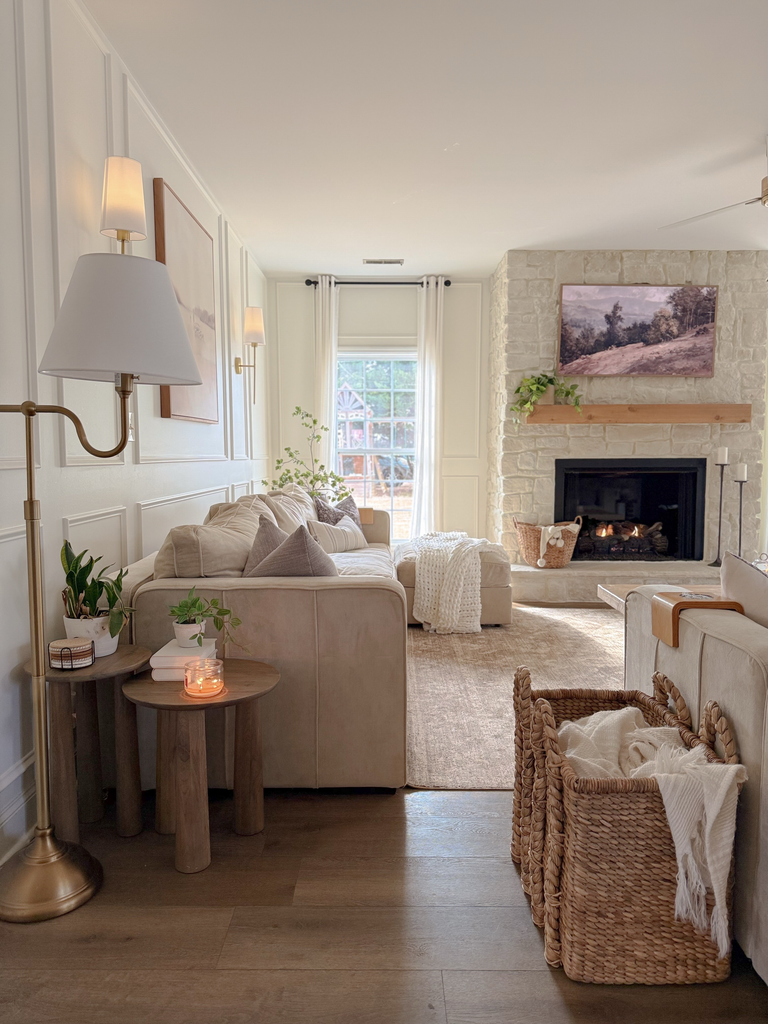
A living room that’s staged to magazine-perfect standards at all times can actually read as unlived-in rather than cozy.
A book with a bookmark left out, a blanket slightly rumpled instead of perfectly folded, a mug from earlier still on the side table: these small signs of actual use are part of what makes a space feel warm rather than staged.
Layout Tricks Specific to Making a Small Room Feel Cozy, Not Cramped
There’s a real difference between a small room that feels cramped and one that feels intentionally snug, and layout is most of what separates the two.
17. Pull seating closer together than feels necessary
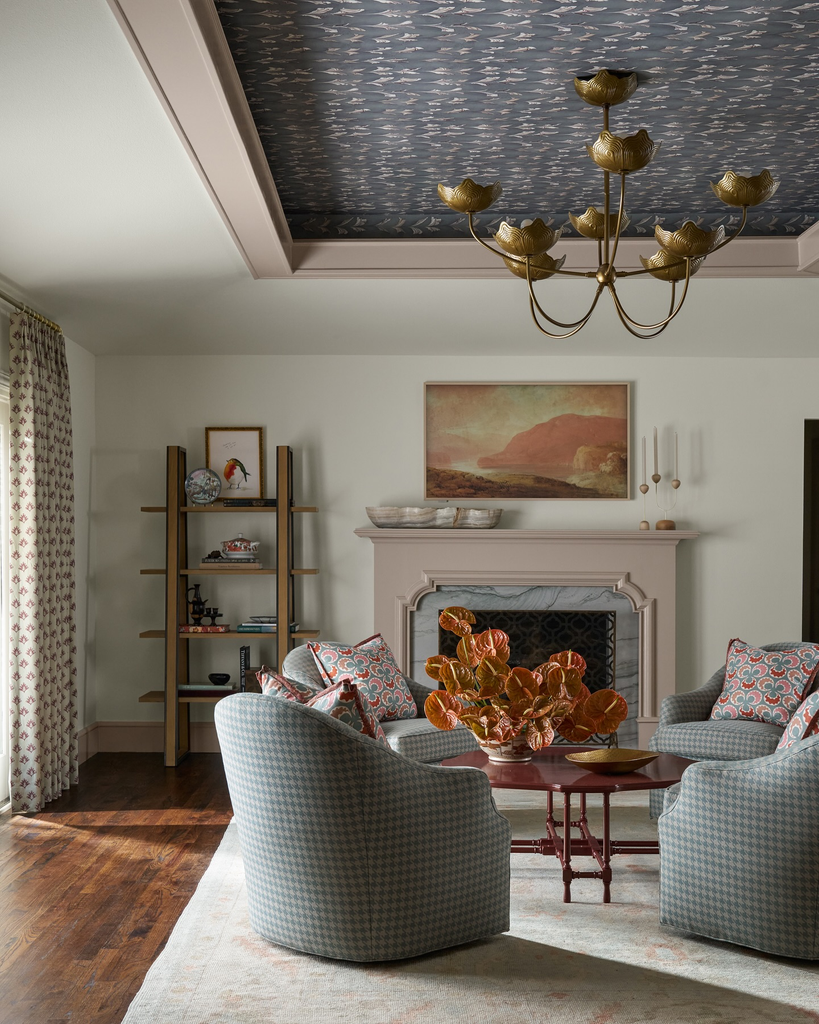
In a bigger living room, you’d space out a couch and chairs to fill the room. In a small one, pulling seating in closer together (within comfortable conversation distance, not spread to the walls) reads as intimate rather than cramped, as long as there’s still a clear walking path.
18. Define the room with a rug even if it’s open to the kitchen or entry
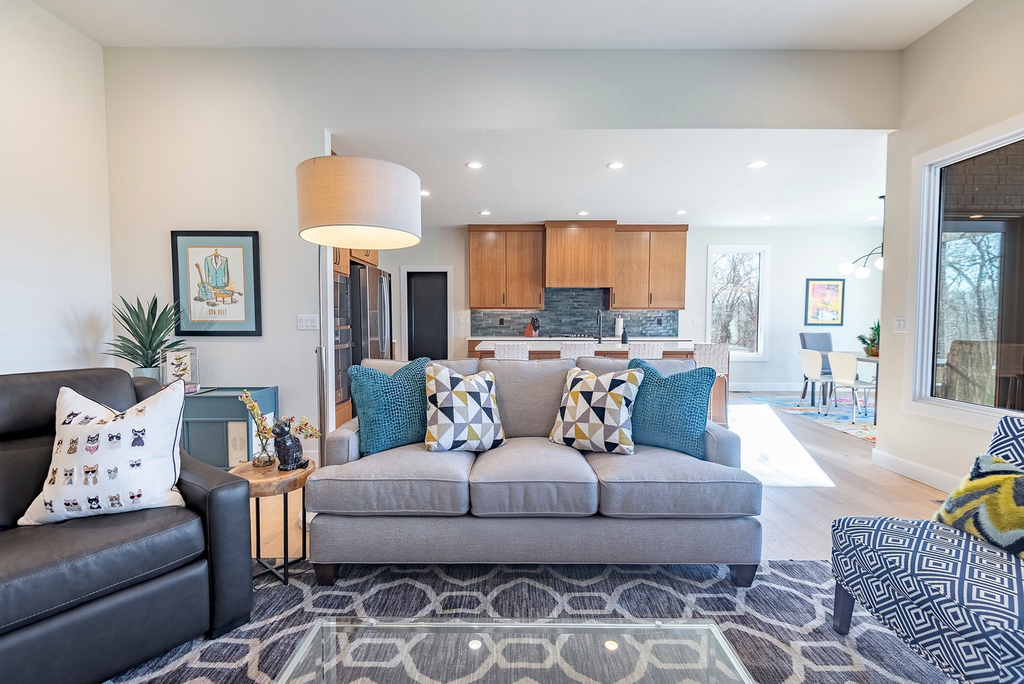
If your living room bleeds into another space with no wall between them, a rug specifically under the seating area gives the living room a defined boundary, which contributes a surprising amount to the feeling of a distinct, cozy zone rather than an open pass-through area.
19. Keep one corner dedicated to a single cozy activity
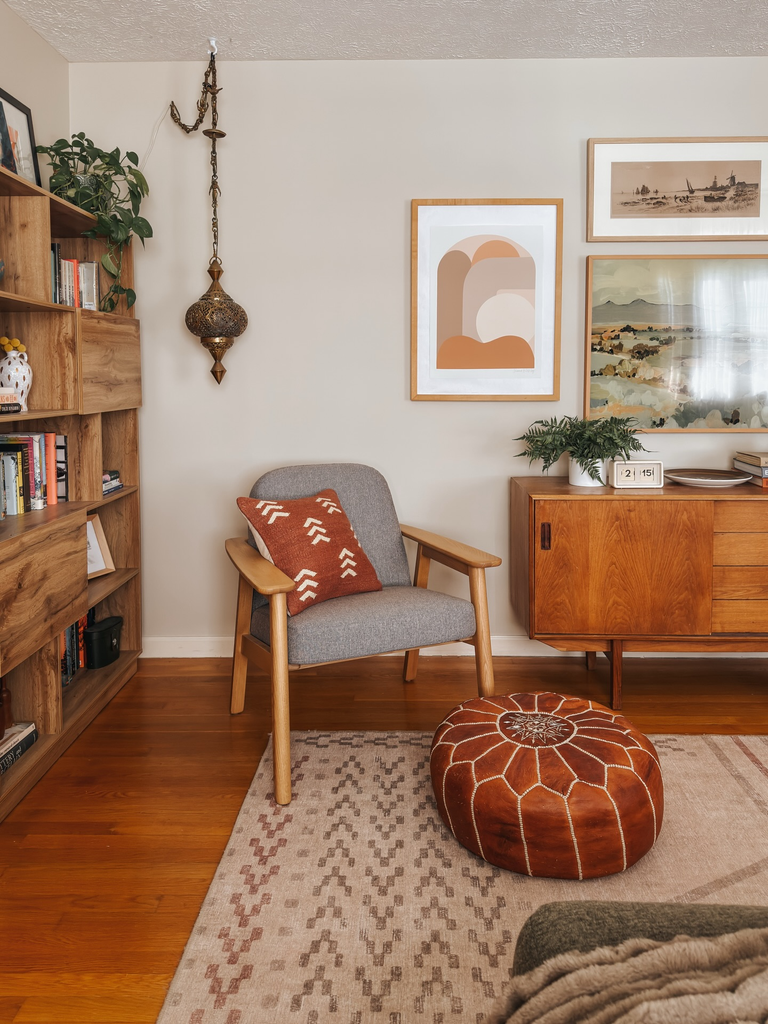
A reading nook with one chair and a lamp, a spot for a record player and nothing else nearby competing for attention: giving one small corner a single clear purpose makes it feel intentional, whereas spreading a bunch of activities evenly across the whole room can make the space feel busier and less restful.
What to Buy at Different Budget Levels for a Cozy Living Room
| Item | Budget ($20-40) | Mid Range ($40-100) | Higher End ($100+) |
|---|---|---|---|
| Throw blanket | Basic fleece or knit throw | Chunky knit or sherpa throw | Wool or cashmere-blend throw |
| Accent rug | Small synthetic accent rug | Mid-size wool-blend rug | Full room-size wool rug |
| Lighting | Warm bulb pack, plug-in dimmer | One new table or floor lamp | Two matched lamps plus a dimmer |
| Curtains | Basic textured panels | Heavier linen-blend panels | Velvet or lined thermal panels |
Start with the lighting and one good throw blanket if your budget is tight this month. Those two changes alone (warm bulbs and something you’ll actually curl up under) get you further toward “cozy” than almost anything else on this list, dollar for dollar.
Two Common Mistakes That Undo a Cozy Room
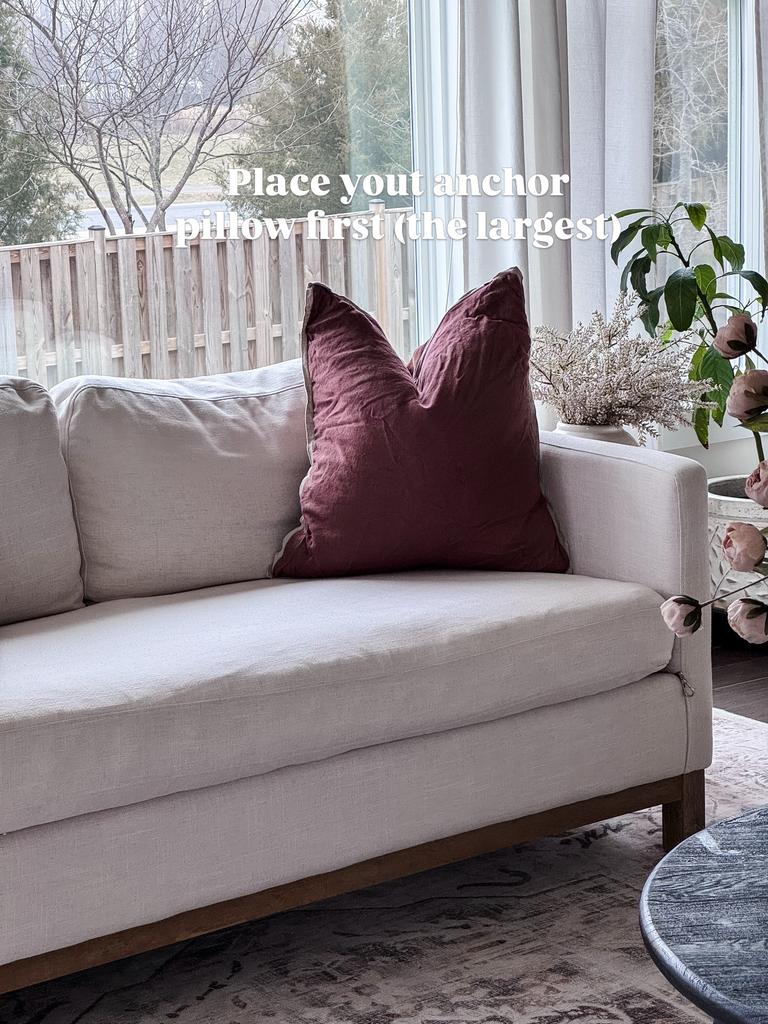
Overdoing the pillows and throws until there’s nowhere left to actually sit. I’ve been in apartments where the couch had so many decorative pillows piled on it that guests had to move half of them onto the floor just to sit down, which defeats the entire point. Cozy means usable, not just visually soft.
Choosing furniture and decor for photos instead of for evenings on the couch. A room styled entirely for how it looks in a single photo often skips the things that actually make it comfortable to live in day to day, like a lamp positioned where you’d actually read, or a blanket that’s actually within reach rather than folded across the room on a decorative ladder.
Where I’d Start If I Were Redoing Mine
If I were starting my own living room over from scratch, I’d handle lighting first, full stop: warm bulbs everywhere, at least three separate light sources, and a cheap dimmer on whatever lamp gets used most in the evening.
Then I’d add one throw blanket I’d genuinely want to use and a rug, even a small one, before I touched anything else.
Everything past that (the personal touches, the layout tweaks, the furniture swaps) matters, but those first few changes are what actually took my own living room from technically furnished to somewhere I look forward to sitting down in every night.








Leave a Reply